You’re not just getting a smooth surface. You’re getting a parking lot that makes customers feel good about walking into your business.
No more apologizing for potholes or watching clients navigate cracked pavement. Your lot becomes an asset, not a liability. The drainage works. The striping is crisp. The surface holds up through Pennsylvania winters without turning into a maintenance nightmare.
That’s what happens when site prep, grading, and material quality aren’t treated as optional. Your investment lasts longer. Your property looks professional. And you’re not calling for repairs every season because someone rushed the foundation work.
We bring industry experience dating back to 1948 to every commercial paving project in Woodside, PA. That’s decades of understanding what works in Pennsylvania’s freeze-thaw cycles and what shortcuts come back to haunt property owners.
Our crew focuses on one project at a time. Not juggling multiple sites. Not splitting attention. Your job gets the full team until it’s finished correctly.
The owner shows up on-site. That’s not standard in this industry, but it should be. It means decisions get made quickly, problems get solved immediately, and quality control isn’t left to chance. Whether you’re paving a small business lot or a large commercial property, you’re treated the same way—with clear communication, honest assessments, and work that holds up.
It starts with looking at your property and listening to what you actually need. Not every lot requires the same approach. Drainage issues, soil conditions, traffic patterns—these things matter before any asphalt gets laid.
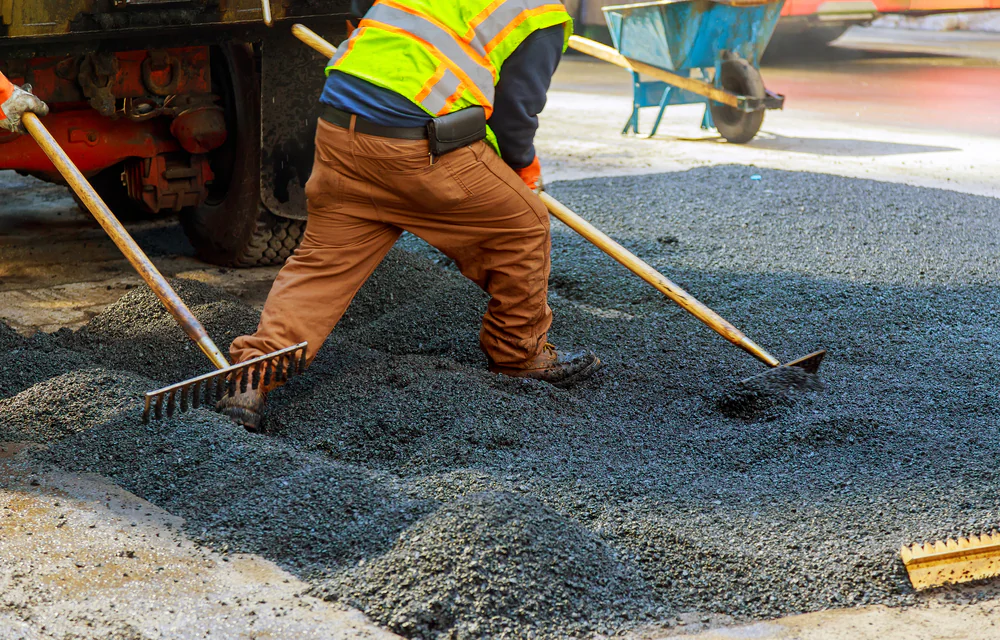
Site preparation comes next. This is where a lot of paving contractors cut corners, and it’s why you see parking lots failing after a few years. Proper grading, solid base material, and addressing water management aren’t glamorous, but they’re the difference between pavement that lasts and pavement that cracks.
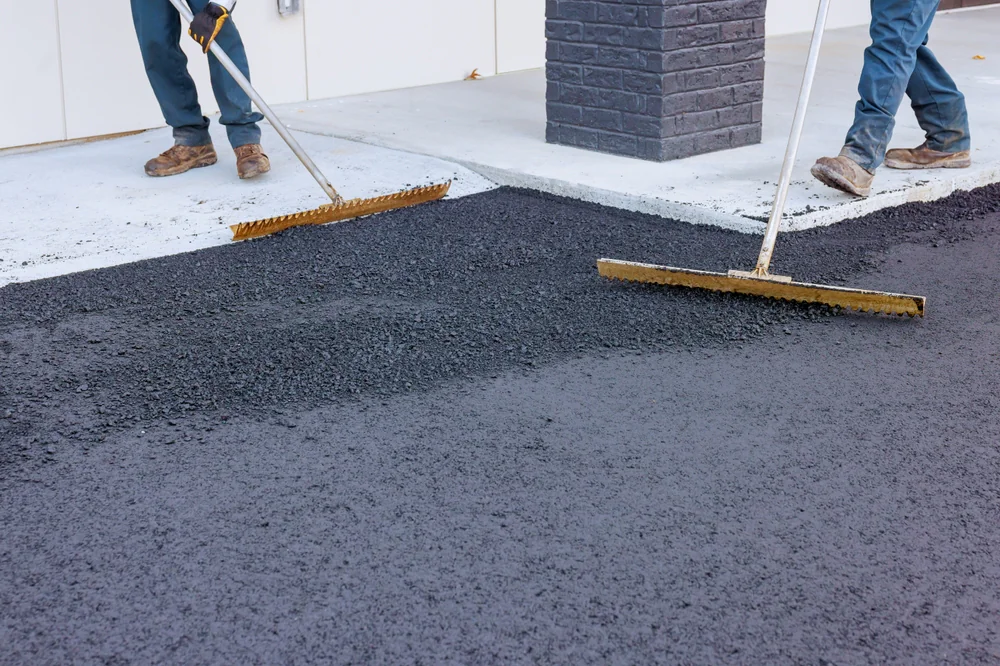
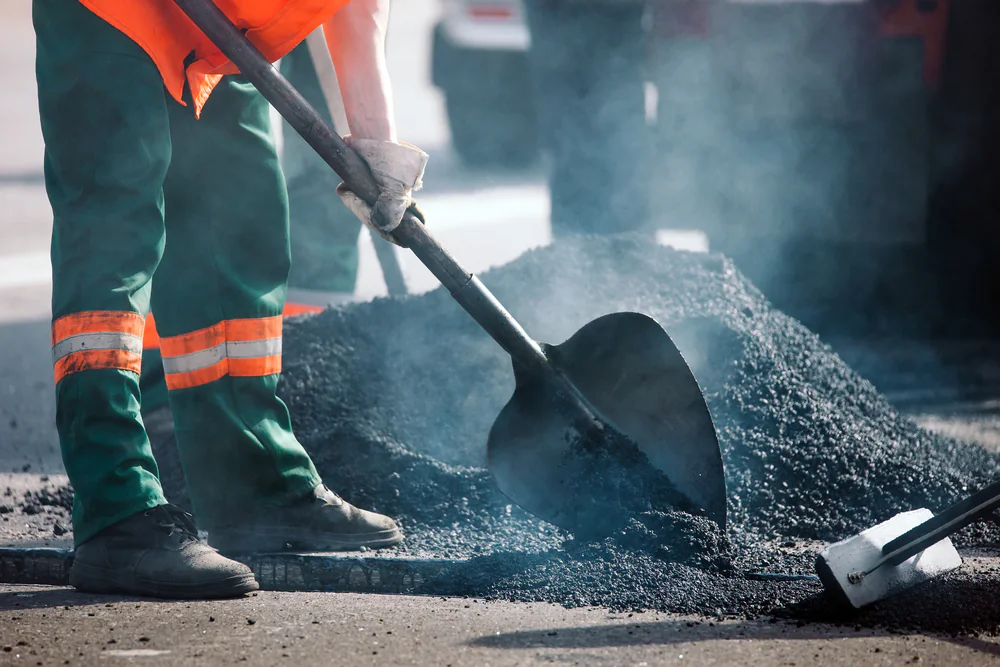
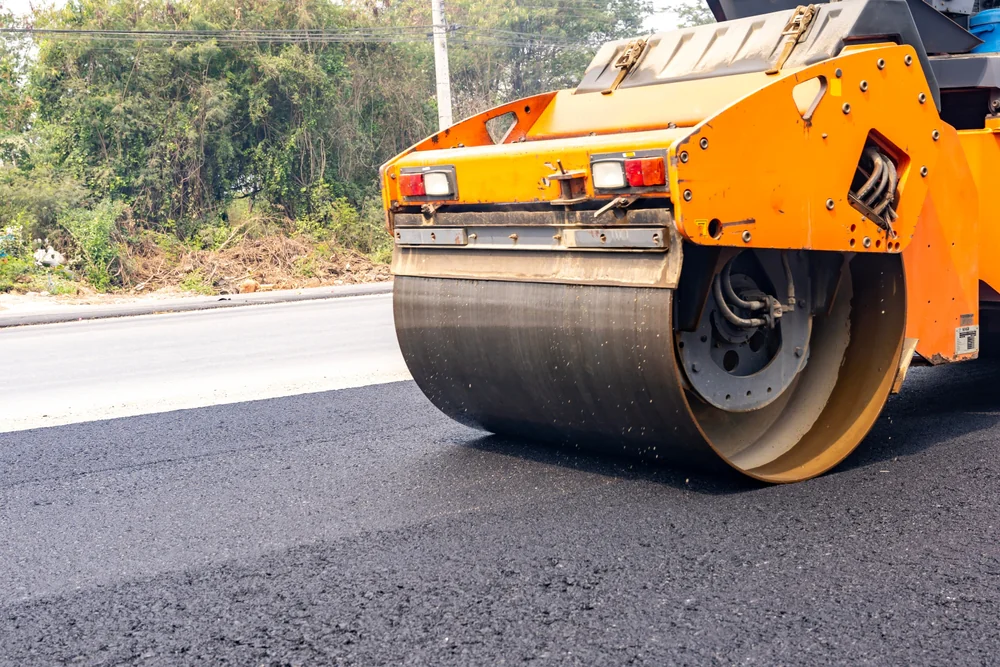
Then comes the asphalt installation. The right thickness for your traffic load. Proper compaction. Attention to transitions and edges. Once the surface cures, striping and final details get handled so your lot is functional and compliant.
You’ll know what’s happening at each stage. No disappearing for weeks. No surprise delays without explanation. Just steady progress and a finished parking lot that works the way it should.
Ready to get started?
Commercial paving in Woodside, PA means more than just laying asphalt. You’re dealing with a property that needs to function for customers, employees, and delivery vehicles without constant maintenance headaches.
Site evaluation and grading ensure water drains away from your building and doesn’t pool in parking areas. Base preparation creates the stable foundation that prevents settling and cracking. Asphalt installation at the proper thickness handles your specific traffic load—light-duty cars need different specs than heavy delivery trucks.
Line striping, ADA-compliant spaces, and proper signage keep your lot functional and legally compliant. Seal coating and crack repair become part of the conversation early, so you know what maintenance looks like down the road. Pennsylvania weather is tough on asphalt. Freeze-thaw cycles, snowplows, and temperature swings mean your lot needs to be built right from the start, not patched together and hoped for the best.
We also handle parking lot repairs, resurfacing over deteriorated pavement, and ongoing maintenance to extend the life of your investment. Every project gets a custom approach based on your property’s actual needs, not a one-size-fits-all template.
Most commercial parking lot projects take about a week from start to finish, though the timeline depends on your lot’s size and current condition. Smaller business lots might be done in a few days. Larger properties with extensive prep work can take longer.
The actual paving happens relatively quickly once the site is prepped. But here’s what people don’t always account for: site preparation takes time if it’s done correctly. Grading, addressing drainage, and building a proper base can’t be rushed without compromising the final result.
Asphalt needs 48-72 hours to cure before you can use it for regular traffic. That’s not optional—driving on it too early causes damage. We plan the work to minimize disruption to your business, but the curing time is what it is. Better to wait a few extra days than deal with premature wear because someone rushed the timeline.
Resurfacing means adding a new layer of asphalt over your existing pavement. It works when your current lot is structurally sound but the surface is worn, faded, or showing minor cracks. It’s less expensive and faster than full replacement.
Repaving means tearing out the old asphalt completely and rebuilding from the base up. You need this when your lot has major structural problems—deep cracks, potholes, poor drainage, or a failing base. Putting new asphalt over a bad foundation just delays the inevitable and wastes money.
An honest paving contractor will tell you which one you actually need after looking at your property. If your lot has been patched repeatedly, has standing water, or shows significant settling, resurfacing won’t fix it. But if the bones are good and you just need a fresh surface, there’s no reason to tear everything out. The right choice depends on what’s happening below the surface, not just what you can see.
Commercial parking lot paving in Pennsylvania typically runs $2.50 to $7 per square foot, depending on site conditions, prep work required, and the thickness of asphalt you need. A small business lot might cost $15,000 to $30,000. Larger commercial properties can run $50,000 to $150,000 or more.
But here’s what matters more than the per-square-foot number: what’s included in that price. Cheap quotes often skip proper site prep, use thinner asphalt than your traffic requires, or don’t address drainage. You’ll pay less upfront and more later when the lot fails prematurely.
Get a detailed estimate that breaks down site preparation, base material, asphalt thickness, striping, and any drainage work. Compare what you’re actually getting, not just the bottom-line number. A properly built lot costs more initially but requires less maintenance and lasts significantly longer. Factor in the lifespan and ongoing costs, not just the installation price.
Poor site preparation is the number one reason parking lots fail early. If the base isn’t properly compacted or the grading doesn’t handle water drainage, the asphalt will crack and settle no matter how good the surface installation is.
Pennsylvania’s freeze-thaw cycles make this worse. Water gets into small cracks, freezes, expands, and creates bigger problems. If the lot wasn’t built to handle this from the start—with proper thickness, good drainage, and a stable base—you’ll see deterioration within a few years instead of decades.
Using asphalt that’s too thin for the traffic load also causes premature failure. A parking lot with heavy delivery trucks needs different specs than one with light car traffic. Contractors who use the same approach for every job are cutting corners. The other common issue is skipping maintenance. Even a well-built lot needs sealcoating every few years and prompt crack repairs to prevent small problems from becoming major failures.
Yes, if you want it to last. Sealcoating protects asphalt from water penetration, UV damage, and chemicals like oil and gas that break down the binder. It’s not optional maintenance—it’s how you extend your parking lot’s lifespan.
Plan to sealcoat 12-18 months after initial installation, then every 2-3 years after that. This schedule can add 5-7 years to your pavement’s life, which is significant when you’re talking about a major investment. Skipping sealcoating to save money in the short term means paying for resurfacing or replacement sooner.
The process is straightforward and doesn’t require major business disruption. The lot needs to be clean and dry, the sealant gets applied, and you’re back in business within a day or two. It’s a small investment compared to the cost of letting your parking lot deteriorate and needing major repairs. Think of it like changing the oil in your car—regular maintenance is cheaper than replacing the engine.
Look for a contractor who shows up to evaluate your site in person before giving a quote. Anyone offering a price without seeing your property is guessing, and you’ll pay for that later. Ask specific questions about site prep, drainage, asphalt thickness, and what happens if they find unexpected issues.
Check their track record with commercial projects similar to yours. Residential driveway experience doesn’t automatically translate to commercial parking lots. You need someone who understands ADA compliance, proper striping, and how to handle the traffic load your business generates.
Get a detailed written estimate that breaks down every phase of work, not just a lump sum. Understand what’s included and what’s not. Ask about their timeline, how they’ll minimize disruption to your business, and what kind of warranty or guarantee they offer. References from other commercial clients in your area matter more than slick marketing. Talk to property owners who’ve used them and see how their lots are holding up a few years later.
Other Services we provide in Woodside