You’re not just getting a smooth surface. You’re getting drainage that actually works—no more pooling water threatening your foundation or turning into ice sheets every winter. You’re getting a base that won’t settle and crack within the first year because someone skipped the prep work.
Proper paving means your property looks better. It means you’re not scheduling repairs every other season. It means knowing the job was done by someone who understands that 68% of driveway problems come from poor installation, not bad materials.
When the work is done right, you forget about your driveway. It just works. No surprises, no callbacks, no regrets about who you hired.
We’ve been in this industry since 1948. That’s not a typo. Nearly 80 years of watching techniques change, materials improve, and standards evolve—but never compromising on the fundamentals that make paving last.
Clinton properties have their quirks. Older homes with drainage challenges. Commercial lots that need to handle heavy traffic. Industrial sites with specific grading requirements. Every project gets the same approach: one job at a time, full crew attention, and a custom solution for what your property actually needs.
We don’t treat you like a number. Senior? Military? First-time customer? There are discounts for that. Every client gets treated like the top priority, because that’s how you build a reputation that lasts decades—not by cutting corners or rushing to the next job.
First, we come out to look at what you’re dealing with. Not a sales pitch—an actual assessment. Are there drainage issues? Foundation concerns? Is the existing base salvageable or does everything need to come out?
If the base is compromised—alligator cracking, extensive settling, structural problems—it gets removed completely. Trying to pave over failure just delays the inevitable and wastes your money. Site prep takes time because it matters. Proper excavation, base material, compaction in layers. This is the 30-40% of the project timeline that determines whether your driveway lasts or becomes a problem.
Grading happens with precision. That 1-2% slope away from your home and garage isn’t a suggestion—it’s what prevents water from pooling on the surface or flowing toward your foundation. If your property needs additional drainage solutions, you’ll know before work starts, not after.
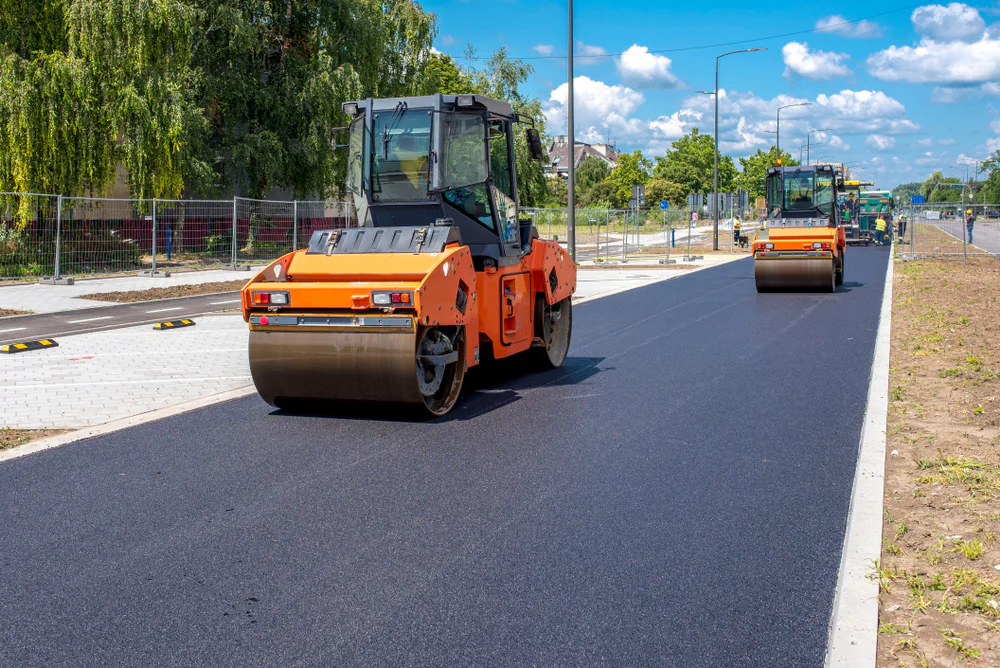
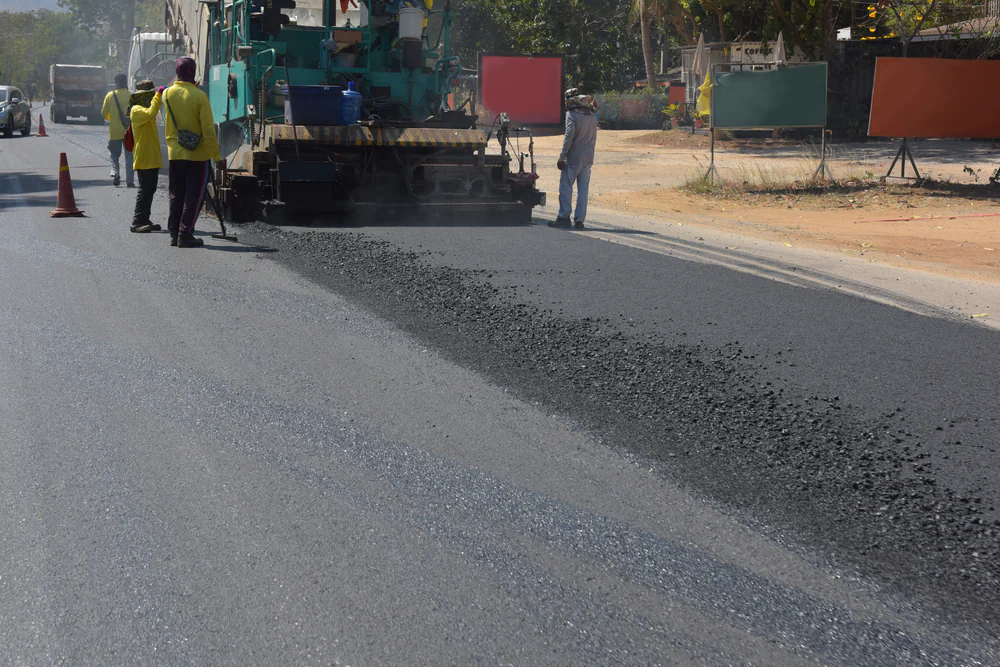
Then comes the actual paving installation. Professional equipment, experienced crew, quality materials that can handle Northeast winters. The work gets done right because the crew isn’t splitting time between your job and three others. You get updates throughout. No surprises.
Ready to get started?
Residential driveway paving covers everything from initial site assessment through final compaction. You get proper base preparation—the thing most fly-by-night contractors skip. You get correct grading for water management. You get materials suited for the climate you actually live in, not whatever was cheapest that week.
Commercial paving includes parking lot installation and resurfacing for businesses throughout Clinton. Industrial projects get the same attention to detail, whether it’s a small lot or a complex site with specific load requirements. Water management solutions and grading services address drainage problems before they damage your property or foundation.
Clinton’s mix of historic properties and newer construction means every site is different. Some driveways need complete reconstruction. Others just need proper resurfacing with attention to drainage. Our approach is honest—you get what your property needs, not what’s easiest to sell you. Transparent pricing, clear timelines, and straightforward communication mean you know what you’re paying for before work begins.
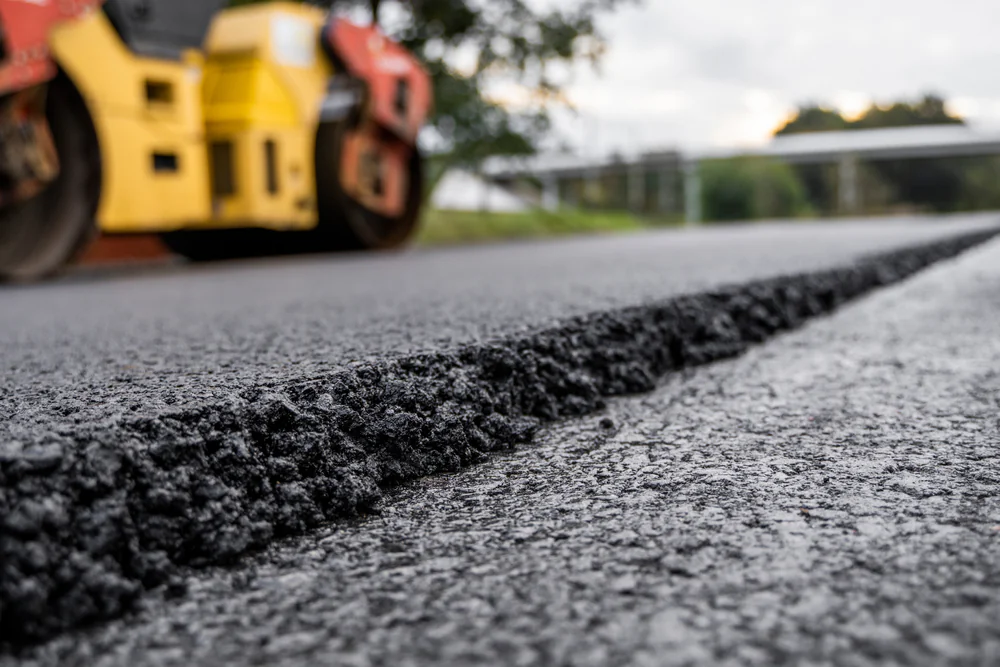
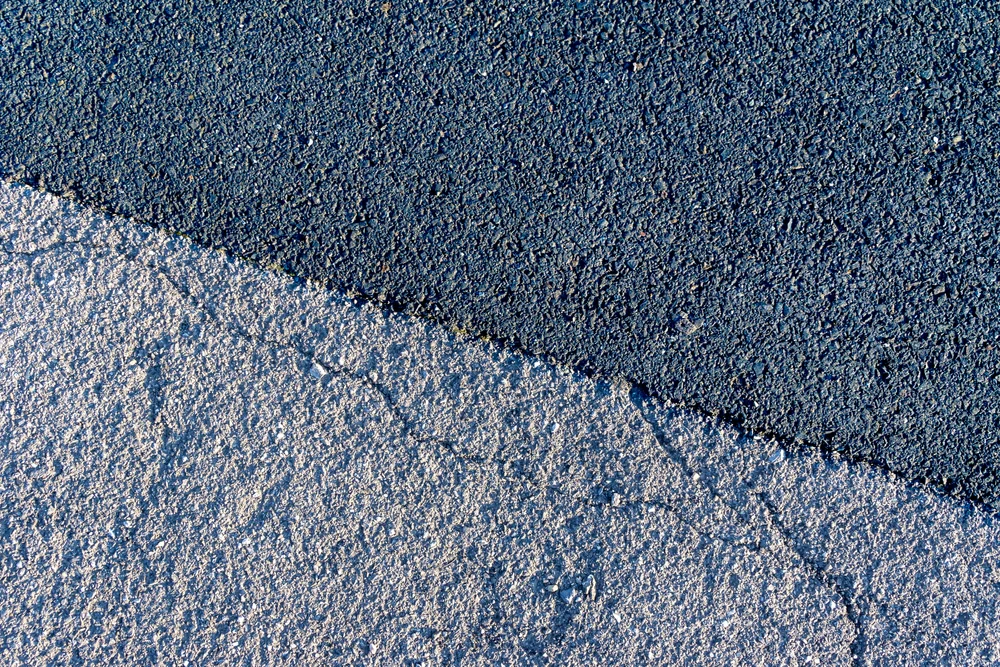
Look at the type of damage you’re seeing. Surface cracks that are mostly cosmetic—minor wear, some fading, isolated thin cracks—can often be addressed with resurfacing if the base underneath is still solid.
But certain warning signs mean you’re past the point of simple fixes. Alligator cracking is the big one—those interconnected cracks that look like reptile skin indicate the base has failed underneath. Extensive settling or uneven surfaces suggest drainage problems that resurfacing won’t fix. Multiple potholes throughout the surface show structural deterioration. If water pools and doesn’t drain, or if you’re getting ice buildup in the same spots every winter, the problem is deeper than the surface.
A proper assessment looks at what’s happening below the asphalt, not just what you see on top. Trying to resurface over a compromised base is throwing money away—the problems will come back, usually within a year. Complete replacement costs more upfront but actually solves the issue instead of temporarily covering it up.
Poor installation causes the vast majority of early failures. Research shows 68% of driveway problems come from bad installation rather than bad materials. That’s not a small percentage.
The most common culprit is inadequate base preparation. If the contractor doesn’t properly excavate, doesn’t use the right base materials, or doesn’t compact in layers, the foundation is weak from day one. Water gets underneath, the base shifts, and you see cracking, settling, or potholes well before you should. Proper site prep takes time—it accounts for 30-40% of the project timeline—but it’s what determines whether your driveway lasts or becomes a problem.
Drainage issues cause the other major category of early failure. If the grading isn’t correct—you need at least a 1-2% slope away from structures—water pools on the surface or flows toward your foundation. That standing water works its way into any small imperfections, and in the Northeast, freeze-thaw cycles turn minor issues into major damage fast. Contractors who skip proper grading or ignore drainage problems are setting you up for expensive repairs.
The scams are real and they’re increasing. Unlicensed contractors show up in unmarked trucks, claim they’re working nearby with leftover materials, and pressure you to agree to work immediately—often for cash. The work is typically substandard, doesn’t match what was agreed upon, and sometimes gets started without your clear permission.
Protect yourself by verifying credentials before anyone touches your property. Ask for license information and actually check it. Get multiple quotes in writing that detail exactly what’s included—materials, prep work, grading, drainage solutions, timeline. Legitimate contractors expect this and provide it without hesitation. Be wary of anyone who pushes for immediate decisions, offers prices that seem too good to be true, or wants large cash payments upfront.
Check references and reviews on third-party platforms. Look for established local businesses with verifiable track records, not crews that appeared out of nowhere with a too-good-to-be-true offer. If someone’s pressuring you with claims that your neighbors are all using them or repeatedly lowering their price to get you to commit, that’s a red flag. Quality contractors don’t need to use high-pressure tactics because their work speaks for itself.
Pricing varies based on what your specific project needs, but understanding the ranges helps you spot unrealistic quotes. Asphalt typically runs $7-13 per square foot for quality installation. If someone’s quoting you significantly less, ask what they’re cutting—because they’re cutting something.
The size of your driveway obviously affects total cost. Standard residential driveways measure roughly 12-20 feet wide and 20-30 feet long, so you’re looking at 240-600 square feet for a basic two-car setup. But your property might need more or less depending on layout, number of vehicles, and how you use the space.
What’s included in that price matters more than the number itself. Does it cover complete removal of failed materials if needed? Proper base preparation with correct materials and compaction? Grading for drainage? These aren’t extras—they’re essentials for work that lasts. Cheap quotes usually mean someone’s skipping the time-consuming prep work that prevents future problems. You’ll pay less upfront and more later when you’re fixing premature failures. Transparent pricing from a legitimate contractor breaks down exactly what you’re getting so you can compare apples to apples, not apples to shortcuts.
A well-installed asphalt driveway in the Northeast typically lasts 8-10 years before needing significant attention. That’s with proper installation, appropriate materials, and reasonable maintenance. If you’re seeing major problems before the 8-year mark—especially cracking, crumbling, or potholes within the first few years—something was wrong with the installation.
The timeline assumes you’re dealing with normal wear and tear: fading from oxidation is normal and expected, minor surface cracks near the end of the lifespan are typical, and general weathering happens. What shouldn’t happen is structural failure early on. Potholes before year six or seven, extensive cracking within the first couple years, or persistent drainage problems indicate the work wasn’t done correctly from the start.
Climate plays a role. Northeast winters are hard on paving—freeze-thaw cycles, road salt, snow removal equipment, temperature extremes. That’s why proper installation matters even more here than in milder climates. The base needs to be solid, drainage needs to be right, and materials need to be suited for the conditions they’ll face. Cutting corners on installation might save money initially, but it dramatically shortens the lifespan and means you’re repaving years earlier than you should be.
Yes. We handle everything from residential driveway paving to commercial parking lot installation to industrial paving projects. Our approach is the same regardless of scale—proper assessment, correct base preparation, attention to drainage, and quality materials suited for the specific use.
Residential projects include new driveway installation, complete replacement of failed driveways, and resurfacing where appropriate. Each property gets evaluated for its specific challenges—existing drainage issues, grading concerns, how the driveway connects to the street or garage, and what the property’s layout requires.
Commercial work covers parking lot paving and resurfacing for businesses throughout Clinton and the surrounding area. Industrial sites get the same level of attention, whether it’s a straightforward parking area or a complex project with heavy load requirements and specific grading needs. Our one-job-at-a-time approach means your project gets full crew attention whether it’s a single-car residential driveway or a multi-space commercial lot. No project is too small or too large—the focus is on doing the work right, not rushing through to maximize volume.
Other Services we provide in Clinton