
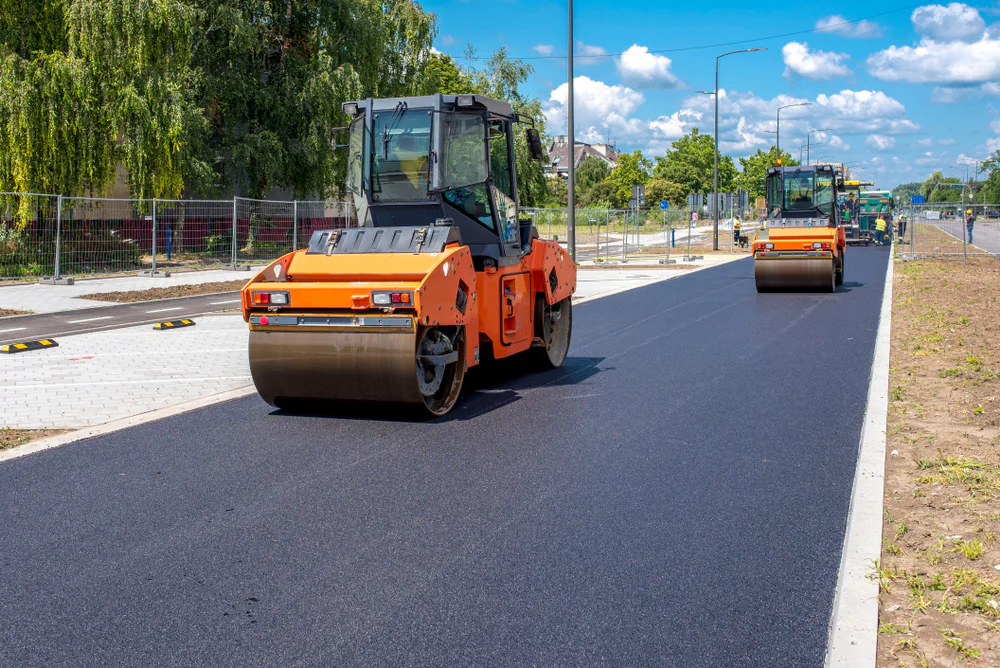
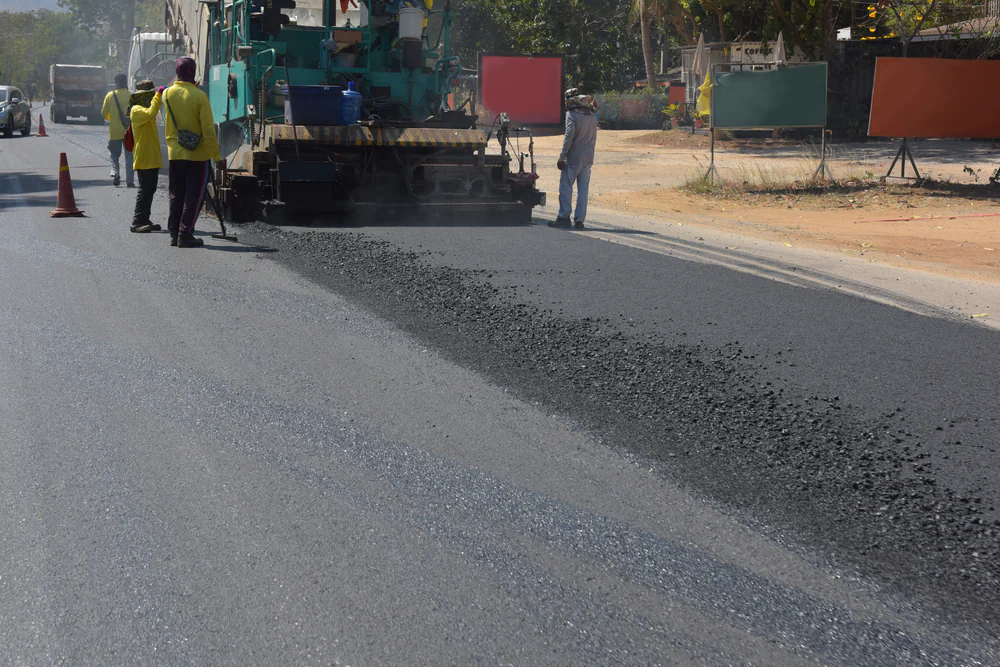
A smooth, freshly paved surface looks great for about three weeks. Then reality hits—freeze-thaw cycles, water damage, settling. That’s when you find out if your contractor actually knew what they were doing.
Quality asphalt paving starts below the surface. Proper base preparation, drainage planning, and grading make the difference between a driveway that lasts 20 years and one that cracks within three. Hamilton Square’s climate doesn’t forgive poor installation.
You’re not just getting black pavement. You’re getting a surface engineered for your property’s specific drainage needs, soil conditions, and usage patterns. Whether it’s a residential driveway that handles daily traffic or a commercial parking lot supporting heavy loads, the installation process matters more than the final appearance.
We bring 75+ years of family paving experience to Hamilton Square and Mercer County. That’s not a marketing line—it’s decades of learning what works in New Jersey’s conditions and what fails.
We focus on one project at a time. Your job gets our full crew’s attention from start to finish, which means tighter quality control and fewer delays. No juggling multiple sites, no rushing to the next job.
Hamilton Square properties face specific challenges—clay-heavy soil in some areas, water table issues, temperature swings that crack poorly installed asphalt. Local experience matters when you’re planning drainage solutions and base specifications that actually hold up.
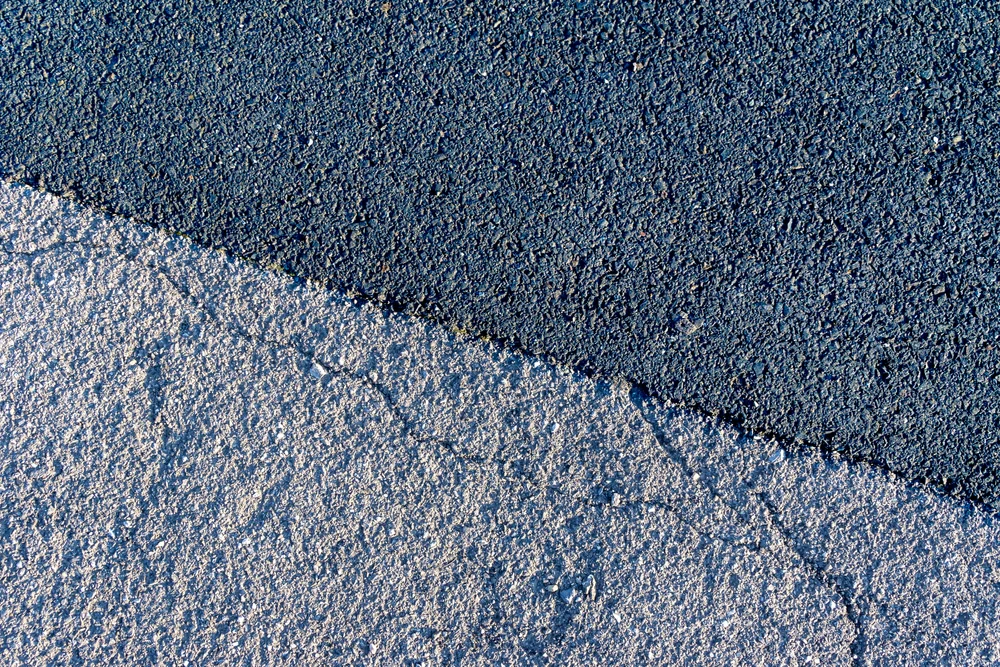
First, there’s a site assessment. Not a quick glance—an actual evaluation of your current surface, drainage patterns, soil conditions, and how you’ll use the space. This determines base depth, grading requirements, and material specifications.
Next comes preparation. Existing pavement gets removed if needed. The base layer goes in—typically at least four inches of compacted aggregate, though some properties need more. Proper compaction here prevents settling and premature cracking later.
Grading and drainage solutions get installed during prep. Water is asphalt’s enemy. The surface needs to shed water efficiently, which means planning slope, installing catch basins where needed, and ensuring runoff doesn’t pool or erode.
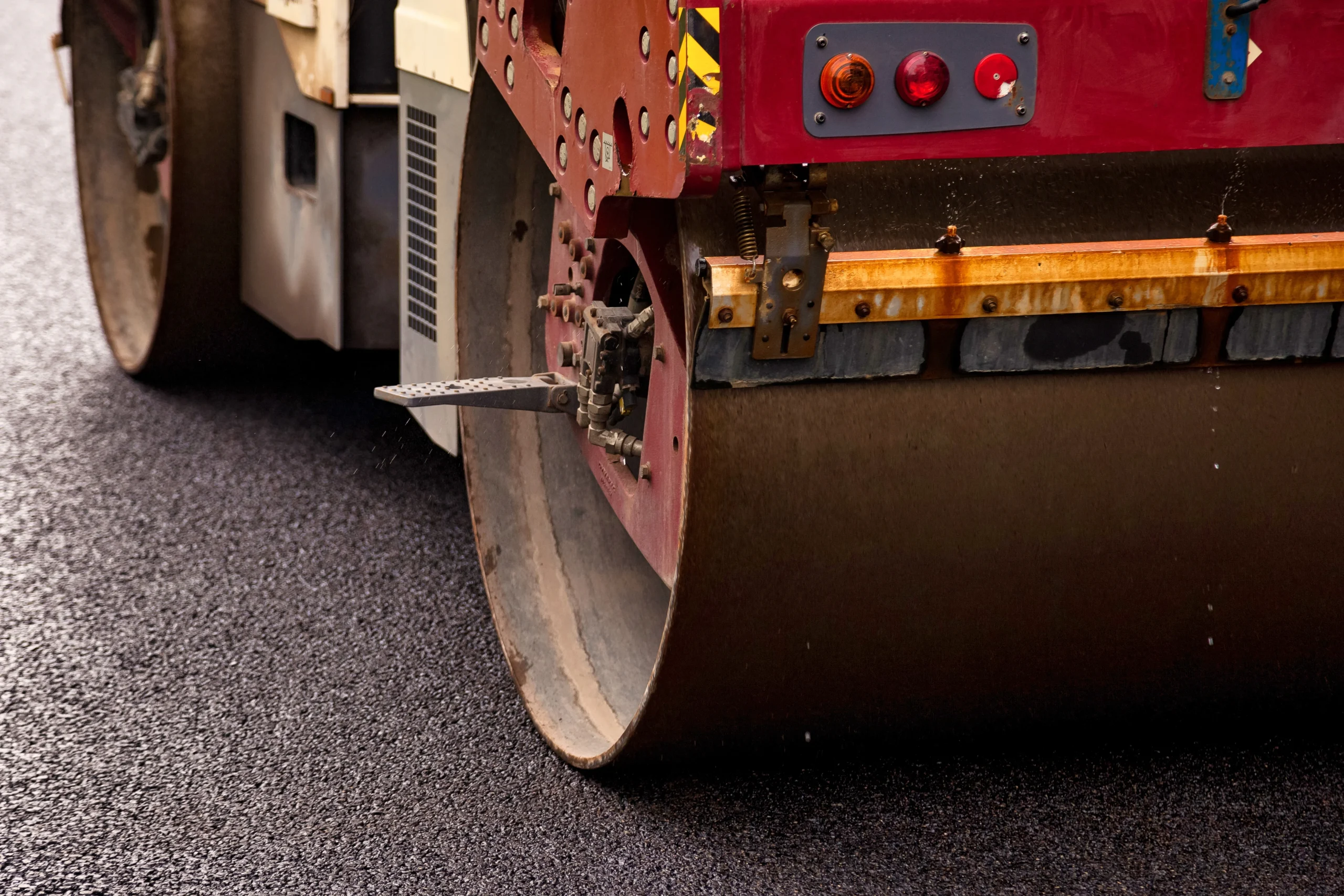
Then the asphalt installation happens. Hot mix gets laid at proper thickness for your application—residential driveways need different specs than commercial parking lots. Compaction happens while the material is still hot for maximum density.
Finally, there’s curing time. You’ll need to stay off new asphalt for at least 24-72 hours depending on temperature. Warmer weather means faster curing. Following these guidelines protects your investment.
Ready to get started?
Residential driveway paving in Hamilton Square involves more than just replacing old asphalt. Each property has unique drainage challenges, especially given Mercer County’s soil composition and water table variations. Some driveways need extensive base work, others require regrading to fix years of settling.
Commercial paving projects handle different demands. Parking lots support heavier vehicles, more traffic, and need proper striping and ADA compliance. Industrial sites require even thicker base layers and asphalt specifications designed for heavy equipment and constant use.
The installation process adjusts based on your needs. A residential driveway might take one to two days from prep to completion. A commercial parking lot could take a week or more, often scheduled in phases to minimize business disruption.
We also handle water management and grading as standalone services. Sometimes your paving is fine, but drainage problems are causing damage. Fixing the water flow prevents future issues and extends your pavement’s lifespan.
Maintenance matters too. Sealcoating protects asphalt from UV damage, water infiltration, and oxidation. Applied every few years, it extends surface life and maintains appearance. Crack filling addresses minor damage before it spreads. These services cost far less than premature replacement.
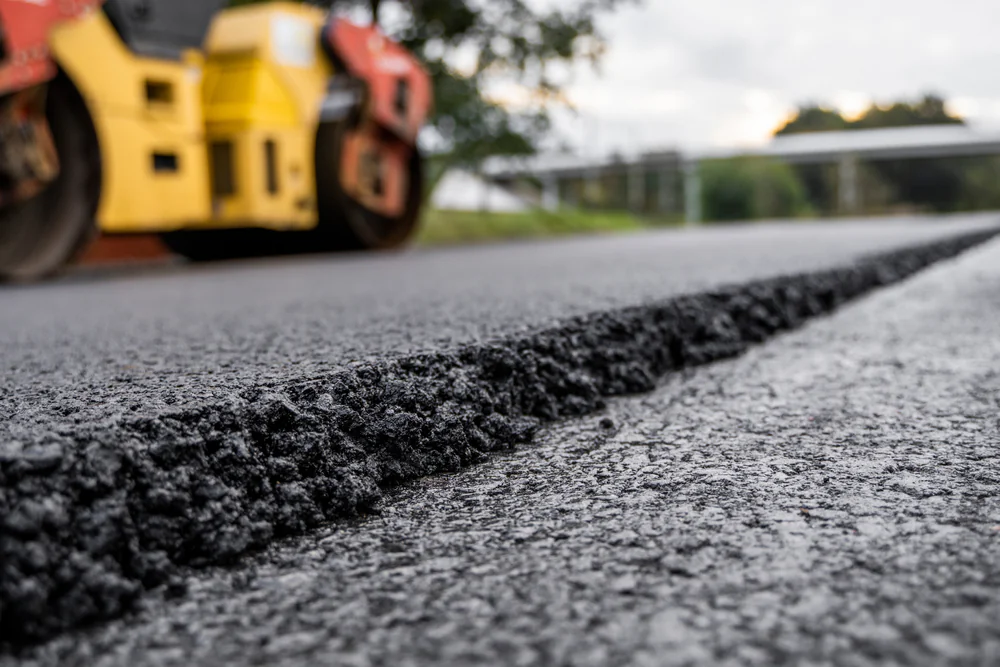
Driveway paving typically runs between $7 and $15 per square foot installed, depending on site conditions and project scope. A standard two-car driveway costs roughly $4,500 to $9,000 total.
Several factors affect your final cost. If your property needs extensive base work—removing old pavement, excavating poor soil, or building up the foundation—that adds to the project. Drainage solutions like catch basins or regrading increase costs but prevent expensive problems later.
The cheapest bid isn’t always the best value. Contractors who skimp on base preparation or use thinner asphalt layers save money upfront but deliver surfaces that fail prematurely. You’ll spend more fixing those problems than you saved initially. Quality installation costs more because it involves proper materials, adequate base depth, and skilled execution that lasts.
Properly installed asphalt typically lasts 15 to 20 years in New Jersey, though actual lifespan depends on installation quality, maintenance, and usage patterns. Hamilton Square’s freeze-thaw cycles and temperature extremes test pavement durability.
The key word is “properly installed.” Asphalt that’s laid over inadequate base material, installed without proper drainage, or compacted incorrectly might start failing within five years. Cracks appear, potholes form, and sections settle unevenly.
Maintenance extends lifespan significantly. Sealcoating every three to five years protects against water infiltration and UV damage. Filling cracks promptly prevents them from spreading. Addressing drainage issues before they undermine the base saves the entire surface. Neglected asphalt rarely reaches its potential lifespan, even if installed correctly.
Late spring through early fall offers optimal conditions for asphalt installation in Hamilton Square. Warm temperatures help the material cure properly and achieve maximum density during compaction.
Asphalt needs heat to work correctly. The material arrives hot from the plant and must stay warm during installation and compaction. Cold weather causes premature cooling, which prevents proper compaction and creates a weaker surface. Most contractors avoid paving when temperatures drop below 50 degrees.
Summer and early fall are busiest for paving contractors, which can mean longer wait times. Booking in late spring or early fall sometimes offers better availability. Just avoid pushing too late into fall—October installations risk temperature issues if cold snaps arrive early. Weather delays happen regardless of season, so build some flexibility into your timeline.
Permit requirements in Hamilton Township depend on your project scope. Replacing an existing driveway with the same footprint often doesn’t require permits, but expanding the paved area, changing drainage patterns, or altering the driveway entrance typically does.
We know local requirements and handle permit applications if needed. This is part of our service—we deal with Hamilton Township’s building department regularly and understand current codes. If a contractor seems uncertain about permits, that’s a red flag about their experience.
Skipping required permits creates problems. You might face fines, have to remove completed work, or encounter issues when selling your property. Building inspectors sometimes spot unpermitted work during home sales, which delays closings and creates headaches. It’s not worth the risk to save a few hundred dollars in permit fees.
Most asphalt failure stems from water damage and poor base preparation. Water infiltrates through cracks or porous surfaces, then freezes and expands during winter. This freeze-thaw cycle breaks apart the asphalt and undermines the base layer.
Inadequate base depth is another common culprit. If the foundation layer is too thin or poorly compacted, it settles unevenly under the weight of vehicles. This settling creates low spots where water pools, which accelerates deterioration. The base should be at least four inches of compacted aggregate—more for commercial applications or poor soil conditions.
Poor drainage compounds these problems. If water doesn’t shed off the surface efficiently, it sits on the asphalt and works its way down. Over time, this weakens the entire structure. Proper grading during installation and maintaining clear drainage paths prevent most water-related damage.
It depends on your current driveway’s condition. If the existing asphalt has a stable, solid base with only surface wear, an overlay might work. But if there’s significant cracking, settling, or base failure, removal and replacement delivers better long-term results.
An overlay—also called resurfacing—involves laying new asphalt over the old surface. This works when the base is sound and the current pavement hasn’t failed structurally. It costs less than full replacement and takes less time. However, it only addresses surface issues, not underlying problems.
Full removal makes sense when the base has failed, extensive cracking exists, or drainage problems have undermined the foundation. Trying to overlay these conditions just covers up problems temporarily—they’ll reappear quickly. A proper assessment during the estimate determines which approach fits your situation. We recommend removal when needed, even though it’s more expensive, because it’s the right solution.
Other Services we provide in Hamiltonsquare