
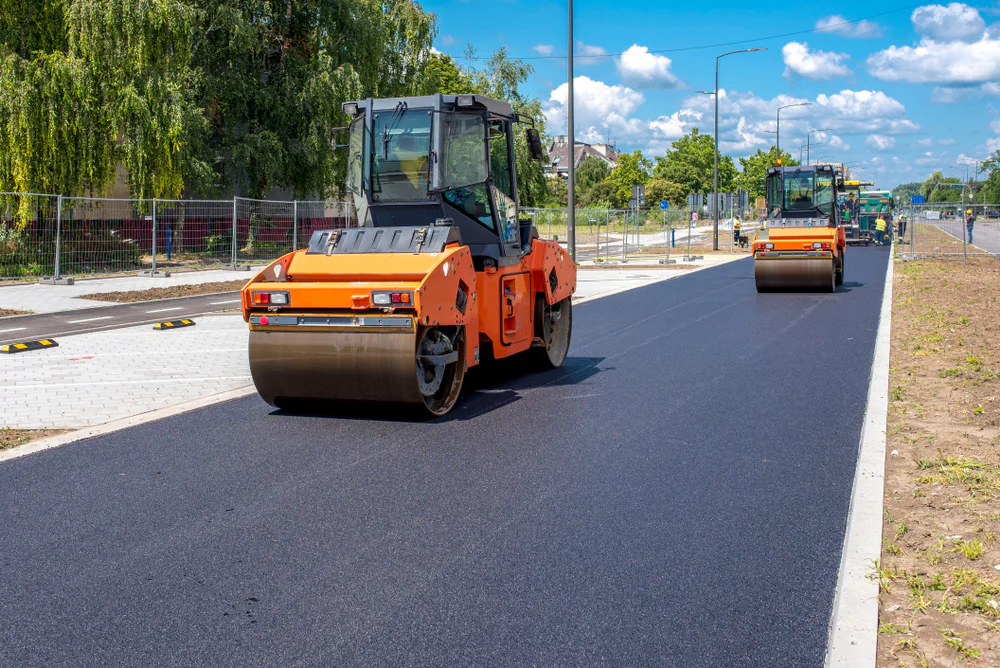
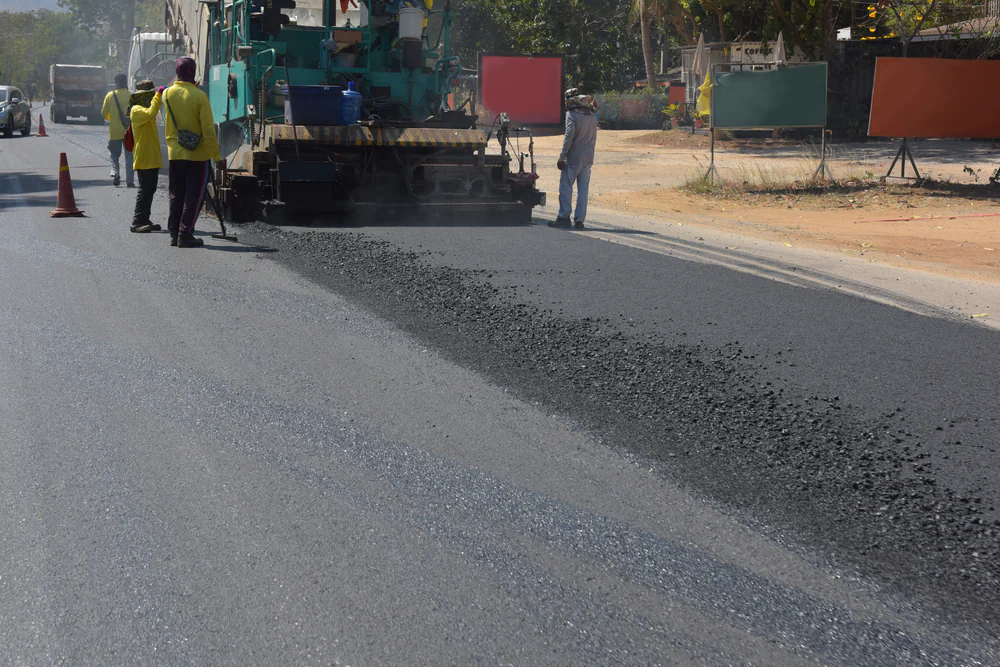
You’re not just getting fresh asphalt. You’re getting a surface that drains properly when the rain hits, holds up when temperatures swing from 15 to 95 degrees, and doesn’t crack apart the first winter after installation.
That means fewer repairs. Less money spent fixing what should’ve been done right the first time. And a driveway or parking lot that actually looks good years from now—not just the week it was paved.
When the sub-base is compacted correctly and the grading slopes water away from your foundation, you avoid the standing water that leads to potholes and heaving. When the asphalt mix is applied at the right temperature and thickness, it flexes through freeze-thaw cycles instead of cracking. These aren’t extras. They’re what separates a paving job that lasts from one that fails.
We have roots in the paving industry going back to 1948. That’s not a marketing line—it’s generations of knowledge about what works in this climate, on these properties, with these challenges.
Here’s what makes the difference: our crew focuses on one job at a time. Not three projects in one day. One. That means you get our full attention from the time we show up until the final roller pass. It means we’re not juggling ten other sites while your driveway is being paved.
Holland sits in Hunterdon County, where properties deal with rolling terrain, varying soil conditions, and drainage that can make or break a paving job. Whether it’s a residential driveway off Route 579, a commercial lot near Milford Road, or an industrial site with heavy equipment traffic, we’ve worked on enough local projects to know how to handle slopes, water flow, and the kind of base preparation that prevents settling. Our approach stays the same: treat every project like it matters, because it does.
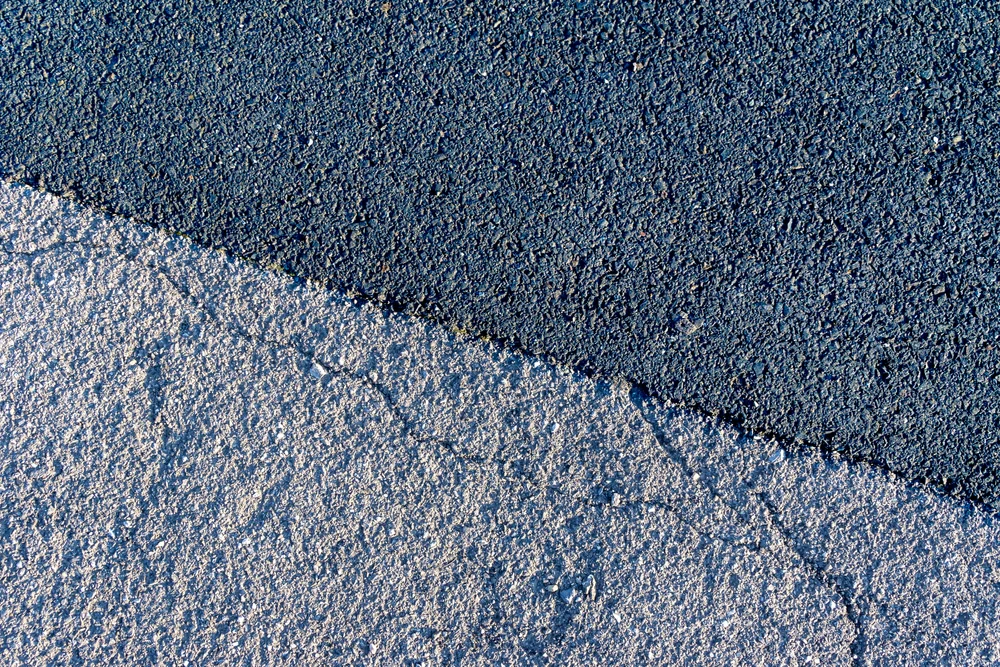
First, the old surface comes out—whether it’s broken asphalt, concrete, or gravel. We clear the site so there’s a clean base to work with.
Next comes grading. This is where drainage gets handled. We slope the surface so water runs off instead of pooling. In Holland, where properties often have elevation changes and clay-heavy soil, this step determines whether your driveway lasts 20 years or starts cracking in two.
Then the sub-base goes in—crushed stone that’s compacted into a stable foundation. This layer does the heavy lifting. It supports the asphalt, acts as a frost barrier during winter, and prevents the surface from buckling or sinking. If the sub-base isn’t compacted right, nothing above it will hold up.
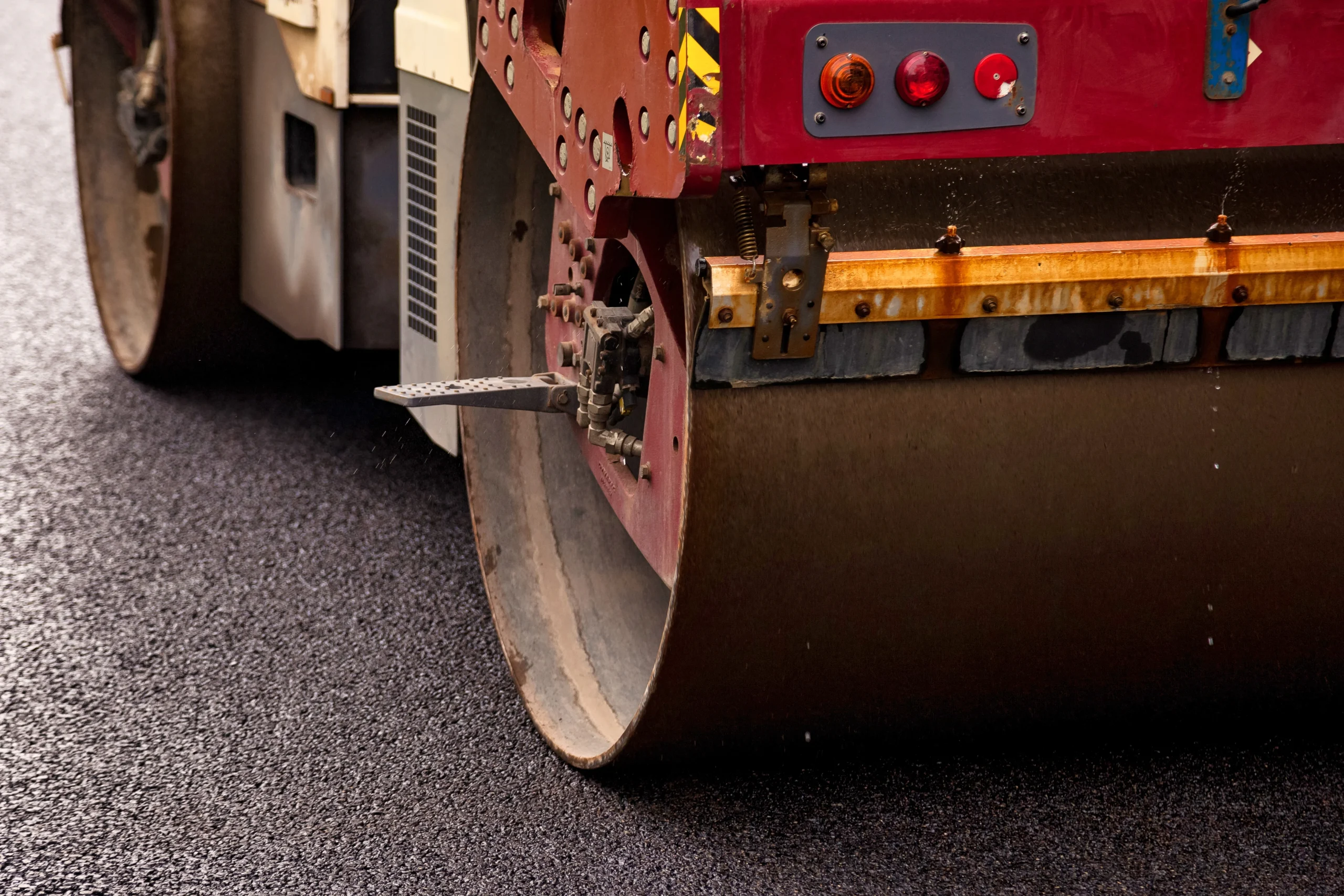
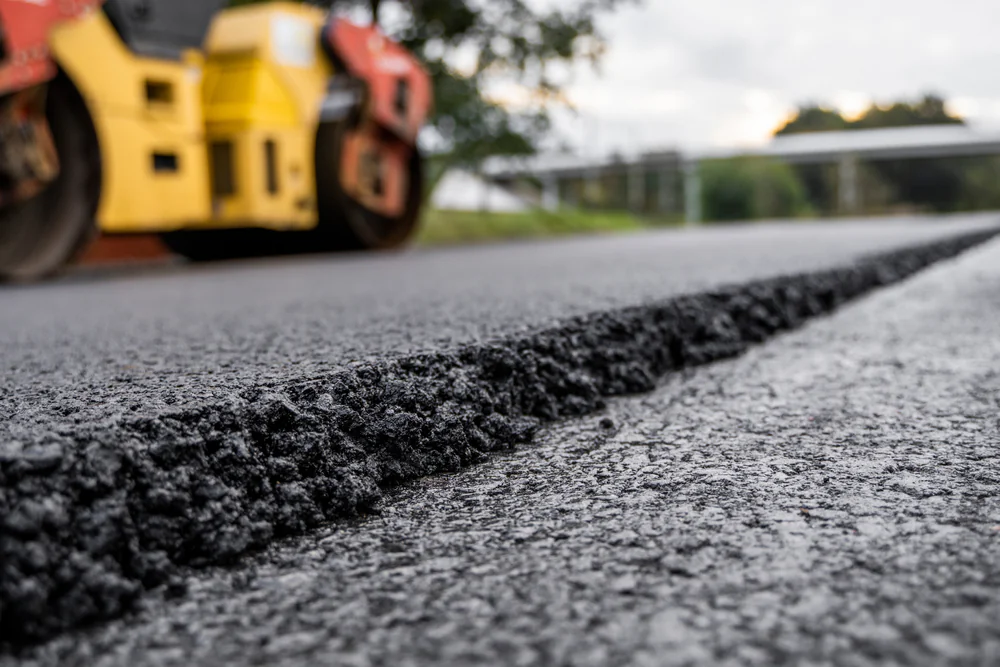
After that, we apply a binder layer. This is a coarser asphalt mix that adds strength and ties everything together. Then the surface layer—the smooth, finished asphalt you’ll actually drive on—gets laid and compacted with a heavy roller to lock it in place.
The whole process for a residential driveway typically takes one to two days. You’ll need to stay off it for at least 48 hours while it cures, and full hardening takes about 30 days. After that, you’ve got a surface that’s ready for whatever you throw at it.
Ready to get started?
We handle everything from single-car driveways to large commercial parking lots and industrial paving projects. Our services include new asphalt installation, driveway paving, parking lot construction, resurfacing, water management solutions, and grading.
For residential properties in Holland, that might mean a new driveway with proper drainage to keep water away from your foundation, or resurfacing an old driveway that’s seen better days. For commercial properties, it could be a parking lot that needs to handle daily traffic without developing potholes, or an industrial site that requires heavy-duty asphalt to support trucks and equipment.
Holland’s terrain and weather create specific challenges. Properties here deal with freeze-thaw cycles that crack poorly installed asphalt, soil conditions that require careful base preparation, and drainage issues that can turn a driveway into a pond after heavy rain. The rolling landscape common in Hunterdon County means many properties have slopes that need strategic grading to manage water runoff. Addressing these problems upfront—during the planning and installation phase—prevents expensive repairs later.
Water management is a big part of what separates a paving job that lasts from one that fails. Proper grading, strategic sloping, and sometimes additional drainage solutions make sure water moves away from the asphalt instead of sitting on it. In areas with clay-heavy soil or properties near lower elevations, this becomes even more critical.
Our goal is straightforward: install asphalt that performs well for years, not just months. That means using the right materials, following the proper process, and paying attention to the details that most people won’t notice until something goes wrong.
For a standard two-car driveway in Holland, you’re typically looking at $2,500 to $7,300, depending on size, current condition, and what needs to be done. That breaks down to roughly $7 to $22 per square foot when you include materials, labor, site prep, and disposal of old materials.
The price varies based on a few key factors. If your current driveway needs to be torn out and hauled away, that adds to the cost. If the ground underneath needs grading or the sub-base needs significant work, that affects the total. Properties with drainage issues or slopes that require extra attention will cost more than a flat, straightforward installation.
Here’s what should be included in a proper estimate: demolition and removal of old material, grading and drainage work, sub-base preparation and compaction, binder layer, surface asphalt layer, and final compaction. If a contractor gives you a price that seems unusually low, ask what’s not included. Skipping steps like proper base preparation or adequate compaction might save money upfront, but it’ll cost you more in repairs down the road.
Most residential driveway paving projects in Holland take one to two days from start to finish. The actual laying of the asphalt is often the quickest part—sometimes just a few hours for smaller driveways. The time-consuming work happens in the prep: removing old material, grading, and getting the sub-base right.
You can walk on your new asphalt within a day, but you should avoid driving on it for at least 48 hours. Light use is okay after that, but the asphalt continues to cure and harden for about 30 days. During that first month, avoid parking heavy vehicles in the same spot repeatedly, and be careful with sharp turns that can scuff the surface.
Weather plays a role in timing. Asphalt needs to be installed when temperatures are warm enough for proper compaction—generally above 50 degrees. That’s why most paving happens between late spring and early fall in New Jersey. Rain delays projects, and extreme heat can make the asphalt too soft to work with properly. We schedule your project during favorable conditions and give you a realistic timeline based on the weather forecast.
Paving means installing a completely new asphalt surface from the ground up—removing the old material, preparing the base, and laying fresh asphalt. Resurfacing (also called an overlay) means adding a new layer of asphalt on top of your existing driveway, assuming the current base is still solid.
Resurfacing costs less because you’re skipping the demolition and base work. It’s a good option if your driveway has minor surface wear—small cracks, fading, or rough texture—but the underlying structure is still sound. You can’t just slap new asphalt over serious problems, though. If your current driveway has deep cracks, potholes, drainage issues, or a failing base, resurfacing will only hide the problems temporarily. Within a year or two, those issues will work their way through the new layer.
Here’s how to tell which you need: if your driveway has isolated cracks less than a quarter-inch wide and the surface is mostly level, resurfacing might work. If you’ve got potholes, alligator cracking (that web-like pattern that shows base failure), standing water, or sections that have sunk or heaved, you need full replacement. We assess the condition honestly and explain why we’re recommending one approach over the other. If someone offers to resurface a driveway that clearly needs replacement, that’s a red flag.
Start with the basics: make sure they’re licensed and insured in New Jersey. Ask for proof. A legitimate contractor will have no problem providing their license number and insurance certificates. This protects you if something goes wrong during the project.
Next, look at their track record. How long have they been in business? Do they have verifiable reviews from actual customers? Check platforms like Angie’s List, Google, or the Better Business Bureau. Pay attention to how they respond to problems—every contractor occasionally deals with issues, but good ones address them promptly and professionally.
Ask for a detailed written estimate that breaks down exactly what’s included: materials, labor, site prep, disposal, timeline, and payment terms. Vague estimates or contractors who won’t put things in writing are warning signs. You should also ask about their process—how they handle drainage, what thickness of asphalt they use, how they prepare the sub-base. A contractor who can’t explain their process or gets defensive when you ask questions probably isn’t someone you want working on your property.
Finally, trust your gut. If a contractor is pushy, offers a price that’s dramatically lower than others, or tries to pressure you into signing immediately, walk away. Good contractors are busy enough that they don’t need to use high-pressure sales tactics.
Cracks happen for a few main reasons: poor installation, water damage, freeze-thaw cycles, and age. In Holland, the freeze-thaw cycle is a big culprit. Water seeps into small cracks, freezes and expands in winter, then thaws in spring. That expansion breaks the asphalt apart, turning hairline cracks into major problems.
Prevention starts with proper installation. If the sub-base isn’t compacted correctly or the asphalt isn’t thick enough, cracks will show up fast. Proper drainage is just as important—standing water accelerates deterioration. If water pools on your driveway, it works its way into the asphalt and weakens it from below.
Once your driveway is installed, maintenance matters. Sealcoating every two to three years adds a protective layer that keeps water, UV rays, and chemicals from breaking down the asphalt. If you spot small cracks early, get them filled before they spread. A crack that’s a quarter-inch wide today can turn into a pothole by next spring if you ignore it.
Avoid heavy loads in the same spot repeatedly, especially during the first few months after installation. Don’t use sharp tools or snowplow blades directly on the surface—they can gouge the asphalt and create weak points where cracks start. And if you live in an area with trees, keep an eye on roots that might push up from below. Addressing small issues early prevents them from becoming expensive repairs later.
The cheapest estimate is usually cheap for a reason. Paving done right costs money because it requires quality materials, proper equipment, skilled labor, and time to do each step correctly. When a contractor’s price is significantly lower than others, they’re cutting corners somewhere—thinner asphalt, skipped base prep, inferior materials, or rushed work.
Here’s what happens when corners get cut: you might save $1,000 upfront, but within two years you’re dealing with cracks, settling, drainage problems, or a surface that’s already breaking apart. Now you’re paying to fix or replace the whole thing, which costs more than if you’d hired a quality contractor in the first place.
That doesn’t mean you should automatically choose the most expensive estimate either. What matters is value—getting quality work at a fair price. Compare estimates carefully. Make sure each one includes the same scope of work. If one contractor is cheaper because they’re using 2 inches of asphalt instead of 3, or skipping the binder layer, that’s not a better deal.
Ask questions. Why is this estimate lower? What’s different about your process or materials? A good contractor will explain their pricing and what you’re getting for your money. A contractor who can’t or won’t explain the difference is probably not someone you want to hire. Your driveway is an investment in your property. Treat it like one.
Other Services we provide in Holland