You’re not looking for the cheapest option. You’re looking for someone who shows up, does what they say they’ll do, and leaves you with a driveway or lot that holds up through New Jersey winters without turning into a pothole minefield by spring.
That’s what happens when a paving contractor focuses on one job at a time instead of juggling twelve. Your property gets the grading, drainage, and surface prep it actually needs—not the bare minimum. No standing water. No premature cracking. Just a clean, durable surface that makes your property look like someone gives a damn about it.
You’ll know what’s happening at every step because communication isn’t an afterthought here. You get updates, straight answers, and a crew that treats your property the way we’d want our own treated—whether it’s a residential driveway or a commercial lot.
Productive Asphalt has roots in this industry going back to 1948. That’s not a marketing line—it’s decades of hands-on experience that shows up in how the work gets done. The kind of knowledge that doesn’t come from a weekend certification course.
Three Bridges properties deal with real challenges: freeze-thaw cycles that crack poorly installed asphalt, drainage issues that turn driveways into ponds, and the reality that most homes here were built in the ’70s and need proper resurfacing or replacement by now. We understand those conditions because we’ve been handling them for years—residential driveways, commercial parking lots, industrial paving, and the grading and water management that makes everything else work.
Every project gets treated the same way, whether it’s a small residential driveway or a large commercial job. One project at a time. Full attention. No “we’ll get to you when we can” approach that leaves you waiting while we bounce between five other sites.
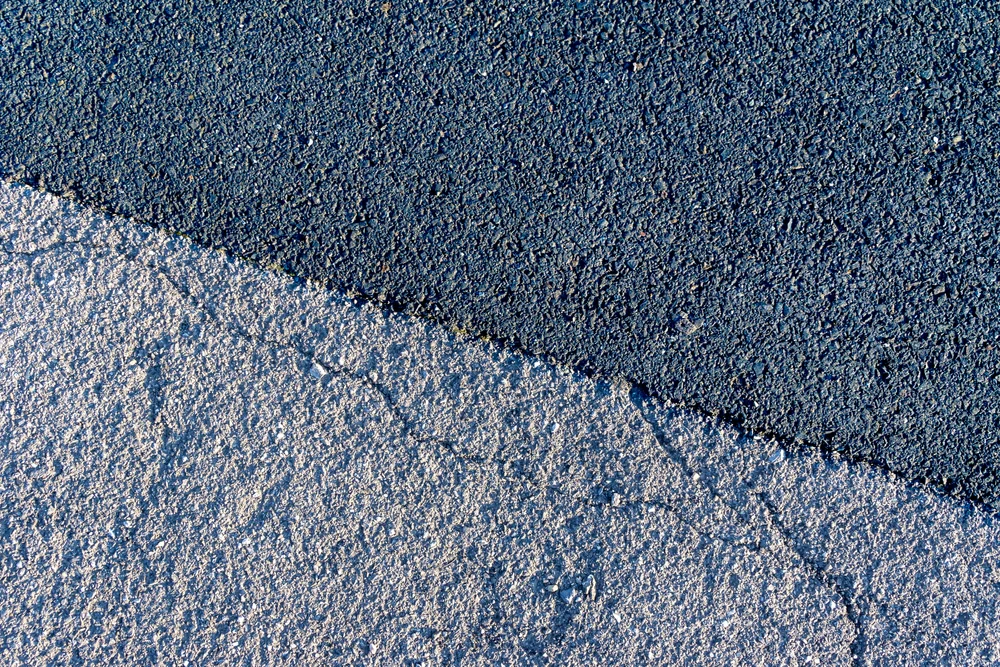
First, you get an honest assessment of what your property needs. Not a sales pitch—an actual evaluation of the existing surface, drainage situation, and any grading issues that need addressing. You’ll know upfront what the project involves and what it costs.
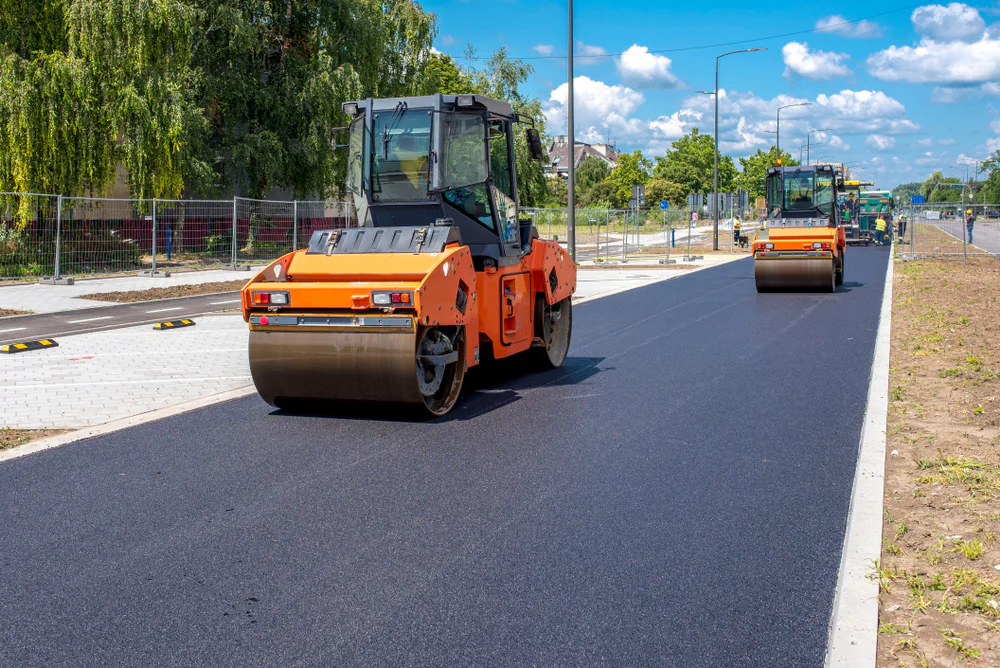
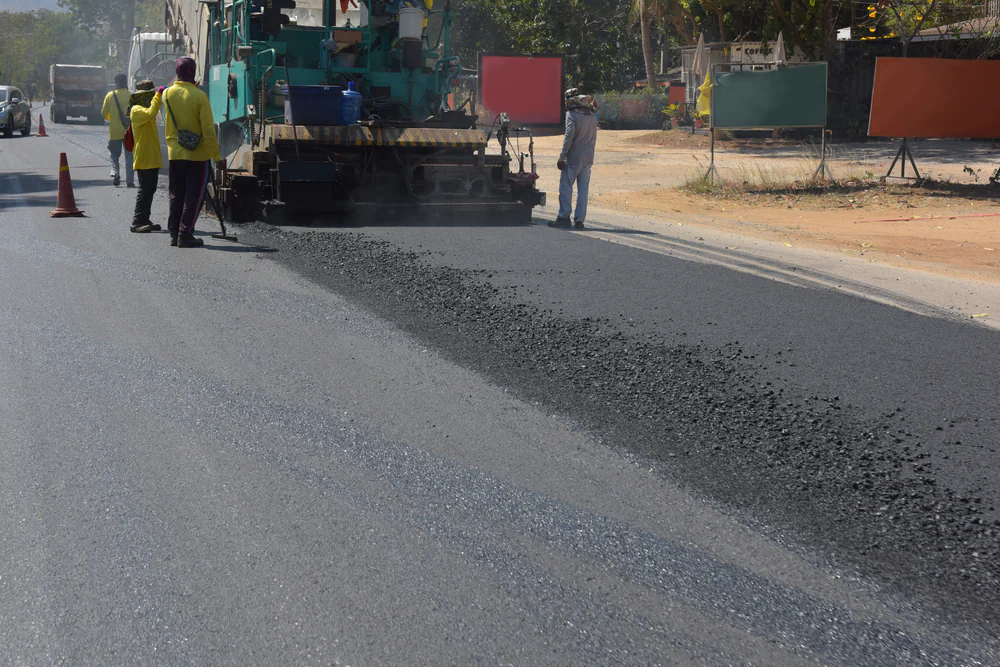
Then the prep work happens. This is where most contractors cut corners, and it’s why their work fails in two years. Proper excavation if needed, a solid base that’s compacted correctly, and grading that moves water away from your property instead of pooling it on your driveway. The asphalt installation itself is just the final layer—the foundation work is what determines whether your driveway lasts five years or twenty.
Once the paving installation is complete, you’ll get clear guidance on curing time and maintenance. No guessing when you can drive on it or what you should do to protect your investment. Just straightforward information so you know exactly what to expect.
Ready to get started?
Whether you need residential paving for your home or commercial paving for your business, our approach stays consistent: proper site evaluation, correct base preparation, quality materials, and installation that accounts for Three Bridges’ specific conditions. That means planning for winter freeze-thaw cycles, summer heat expansion, and the drainage challenges that come with Hunterdon County’s terrain.
For residential driveway paving, you’re getting a surface designed to handle daily vehicle traffic, resist cracking from temperature changes, and shed water properly so you’re not dealing with ice patches every winter or erosion issues every spring. The work includes grading adjustments if your current driveway has drainage problems, proper base installation, and asphalt thickness appropriate for residential use.
Commercial paving projects get the same attention to detail but scaled for heavier traffic loads and larger surface areas. Parking lots, access roads, and industrial sites require thicker asphalt, more robust base preparation, and often additional services like line striping and ADA-compliant accessibility features. Three Bridges businesses need parking areas that make a good first impression and hold up under constant use—not surfaces that develop ruts and potholes within a year.
Driveway paving costs in Three Bridges typically range from $5 to $12 per square foot depending on the project scope, existing conditions, and what prep work your property needs. A standard two-car driveway runs anywhere from $2,500 to $7,000, but that number moves based on factors most homeowners don’t think about upfront.
If your current driveway has drainage issues, needs significant grading work, or requires removal of old material, those costs add up. Same goes for properties with access challenges or base conditions that need extra attention. The cheapest quote isn’t always the best deal—it usually means someone’s skipping the prep work that determines whether your driveway lasts five years or twenty.
You’ll get a straightforward assessment of what your specific property needs and what that costs. No inflated estimates to leave room for negotiation, no surprise charges halfway through. Just honest pricing based on doing the job correctly.
Most residential driveway paving projects take one to three days depending on size and complexity. That timeline includes prep work, base installation, and asphalt paving—not just the final surface layer.
Day one typically involves excavation if needed, grading corrections, and base material installation. This is the most important phase because it determines how your driveway performs long-term. Rushing this step to finish faster is how you end up with drainage problems and premature failure. Day two covers the asphalt installation itself, which moves relatively quickly once the prep work is solid.
After installation, you’ll need to stay off the new surface for 24 to 72 hours depending on weather conditions and asphalt thickness. You can walk on it sooner, but vehicles need to wait until the material cures properly. You’ll get specific guidance based on your project and current temperatures—not vague “wait a few days” advice.
Resurfacing means adding a new layer of asphalt over your existing driveway—it’s less expensive and works when your current base is still solid but the surface is worn. Complete replacement involves removing the old driveway, addressing any base or drainage issues, and installing everything new from the ground up.
Resurfacing makes sense if your driveway has minor surface cracks, fading, or wear but no major structural problems like large potholes, significant cracking, or drainage issues. It costs roughly 40-50% less than replacement and takes less time. But here’s the catch: if your existing driveway has base problems or poor drainage, resurfacing just covers up issues that’ll resurface within a couple years.
Complete replacement costs more upfront but fixes underlying problems that resurfacing can’t address. If your driveway is over 20 years old, has significant cracking, pools water, or shows signs of base failure, replacement is usually the smarter investment. You’ll get an honest assessment of which option makes sense for your property—not whichever one generates a bigger invoice.
Reliable paving contractors show you verifiable past work, provide clear written estimates, and explain exactly what they’re doing and why—not just what it costs. They’re licensed, insured, and willing to provide references from recent projects similar to yours.
Red flags include pressure to decide immediately, prices significantly lower than other quotes without explanation, vague timelines, or reluctance to put details in writing. Good contractors explain the prep work involved, discuss potential challenges specific to your property, and give you realistic timelines. They don’t disappear for days without communication or leave you guessing about project status.
Check reviews on platforms like Angie’s List, Google, and the Better Business Bureau—but look for patterns in feedback, not just star ratings. Do past customers mention communication issues? Did projects finish on schedule? How did the contractor handle problems that came up? Those details tell you more than a five-star rating with no context. And if a contractor’s been around for decades with consistent positive feedback, that track record means something.
Asphalt generally handles New Jersey’s freeze-thaw cycles better than concrete because it’s more flexible. When temperatures swing from below freezing to above freezing repeatedly—which happens constantly here in Three Bridges during winter—asphalt expands and contracts without cracking as readily as concrete does.
Concrete is more rigid, which means those temperature fluctuations create stress that leads to cracking over time. It also shows salt damage more visibly and costs more to repair when problems develop. Asphalt is easier to patch, resurface, and maintain. With proper sealcoating every few years, asphalt driveways in this area typically last 15-20 years or more.
That said, installation quality matters more than material choice. Poorly installed asphalt fails just as fast as poorly installed concrete. Proper base preparation, adequate thickness, and correct grading make the difference—not just which material you choose. You need a paving contractor who understands local conditions and installs accordingly, not someone who does the same basic job regardless of climate.
Wait at least six months to a year after new asphalt installation before applying sealcoating. Fresh asphalt needs time to cure fully and release oils naturally before you seal the surface. Sealing too early traps those oils and can actually cause problems instead of protecting your investment.
After that initial waiting period, plan to sealcoat every two to three years depending on traffic, weather exposure, and how the surface looks. Sealcoating protects against UV damage, prevents water penetration, and fills minor surface imperfections before they become bigger problems. It’s the maintenance step that extends your driveway’s life from 15 years to 20-plus years.
You’ll know it’s time when the surface starts looking faded or gray instead of deep black, or when you notice small cracks beginning to form. Don’t wait until you’ve got significant damage—sealcoating is preventive maintenance, not a repair solution. Think of it like changing your oil regularly instead of waiting until your engine fails. Regular maintenance costs less than major repairs.
Other Services we provide in Threebridges