You’re not just getting a driveway or parking lot. You’re getting a surface that handles New Jersey winters without crumbling, sheds water instead of pooling it, and doesn’t need a repair crew showing up six months later because the work was rushed.
When asphalt paving is done correctly, you stop worrying about whether it’ll hold up. The surface stays smooth. The edges stay clean. The drainage works the way it should. You’re not calling someone back to fix cracks or patch holes because the materials were cheap or the crew skipped the base prep to save time.
That’s what proper paving installation looks like in Twin Rivers. It means using the right base thickness, the right asphalt mix for local conditions, and the right equipment—not shortcuts that save a few hours today but cost you thousands tomorrow. It means a crew that understands how clay-heavy soil behaves, how to grade for proper drainage, and how to compact for long-term stability. And it means you can pull into your driveway or parking lot without wondering when the next problem will show up.
We’ve been handling asphalt work in New Jersey since 1948. That’s not a typo—decades of hands-on experience mean our crew has seen every soil condition, every drainage challenge, and every weather pattern this state can throw at a paving project.
We serve residential and commercial property owners throughout Twin Rivers and the surrounding area. One crew, one job at a time. No juggling multiple projects or leaving your site half-finished while we start someone else’s. Every project gets full attention from start to finish, whether it’s a residential driveway on a quiet street or a commercial parking lot that needs to handle daily traffic.
Twin Rivers properties come with their own challenges—soil conditions that shift, drainage issues from the local terrain, and the wear that comes from freeze-thaw cycles every winter. We tailor every job to what your property actually needs, not what’s easiest or fastest to install.
First, we evaluate your property. That means looking at drainage patterns, checking the existing base if there is one, and identifying any grading issues that could cause problems down the road. You get a clear explanation of what needs to happen and why, plus a transparent estimate with no surprise charges later.
Next comes site preparation. The old surface gets removed if needed, the base gets graded properly, and any drainage issues get addressed before new asphalt goes down. This step matters more than most people realize—skip it or rush it, and your new pavement won’t last half as long as it should.
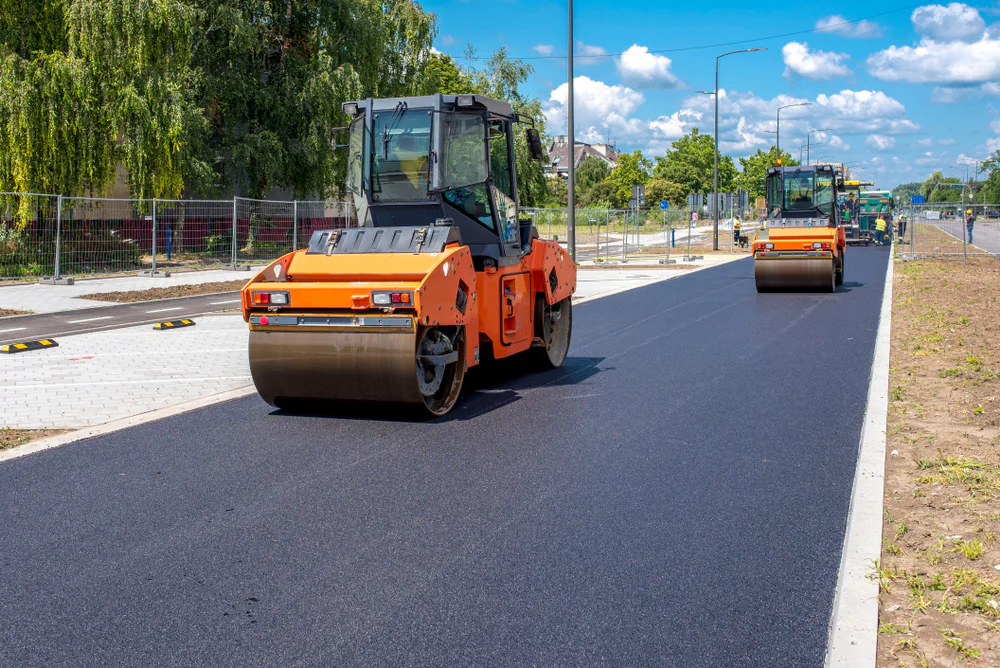
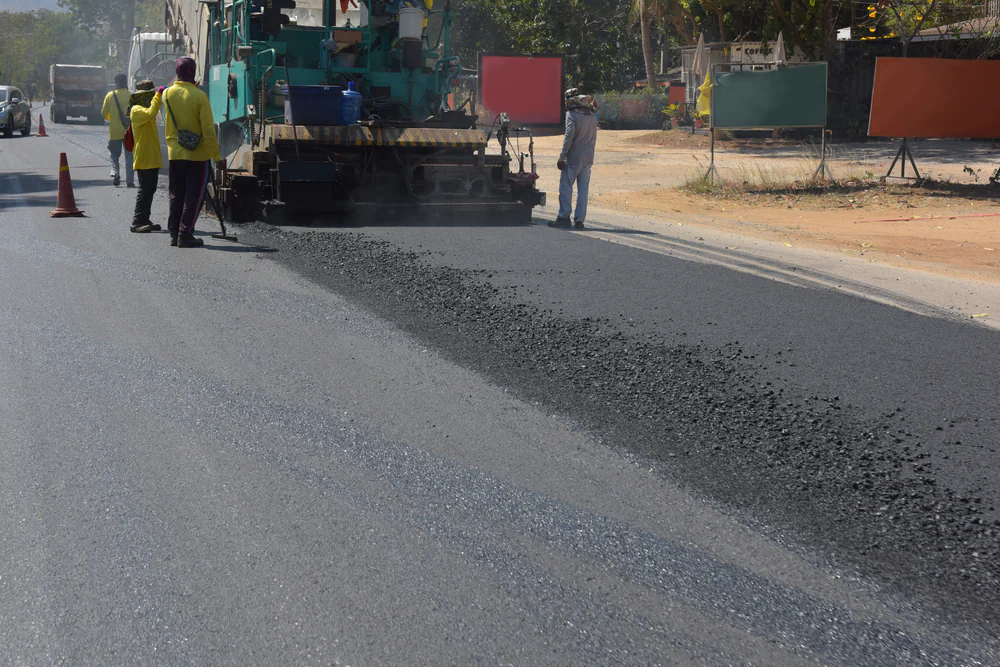
Then we install the new surface. We use the right thickness for your specific use case, compact it properly, and make sure edges and transitions are clean. Most residential driveways in Twin Rivers get finished in a day. Commercial paving projects take longer depending on size and complexity, but you’ll know the timeline upfront.
After installation, the asphalt needs time to cure. You’ll get clear instructions on when you can drive on it and what to avoid during the first few days. We don’t disappear after pouring asphalt—we make sure you understand how to care for your new surface so it lasts.
Ready to get started?
Every paving job includes proper site assessment, grading, and base preparation. That’s not an add-on or an upsell—it’s part of doing the work correctly. We handle drainage solutions, water management, and any grading adjustments needed to keep water moving away from your property instead of pooling on the surface and causing damage.
For residential driveway paving in Twin Rivers, we address everything from excavation to final compaction. You’re not left figuring out who handles the base prep or who fixes drainage issues discovered mid-project. It’s all part of the same job, handled by the same crew who takes responsibility for the entire process.
Commercial paving projects get the same level of attention, whether it’s a small business parking lot or a larger industrial site. We work around your schedule to minimize disruption to your operations, and you get regular updates on progress so you’re never wondering what’s happening on your property.
Twin Rivers properties face specific challenges that affect paving installation. Some areas have clay-heavy soil that requires extra attention during base prep. The local terrain creates drainage issues that need to be addressed before asphalt goes down. And the constant freeze-thaw cycle every winter means asphalt needs proper thickness and quality materials to avoid premature cracking. We factor all of this into every project. The goal isn’t just to lay asphalt—it’s to install a surface that handles the conditions your property actually deals with year after year.
A properly installed asphalt driveway in Twin Rivers should last 15 to 20 years with regular maintenance. That lifespan depends heavily on the quality of installation, the thickness of the asphalt, and how well the base was prepared before any paving work started.
New Jersey’s climate is particularly tough on asphalt. Winters bring freeze-thaw cycles that cause cracking if the base isn’t stable or if water gets underneath the surface. Summers bring UV exposure and heat that can break down the binder in asphalt over time. Proper installation accounts for both of these factors.
Maintenance matters too. Sealcoating every few years protects the surface from water infiltration and UV damage. Addressing small cracks before they spread prevents bigger problems that cost more to fix. Most pavement failures happen because of poor installation or neglected maintenance, not because the asphalt itself wore out. If the base is solid, the drainage works, and you stay on top of basic upkeep, your asphalt will last the full expected lifespan and sometimes longer.
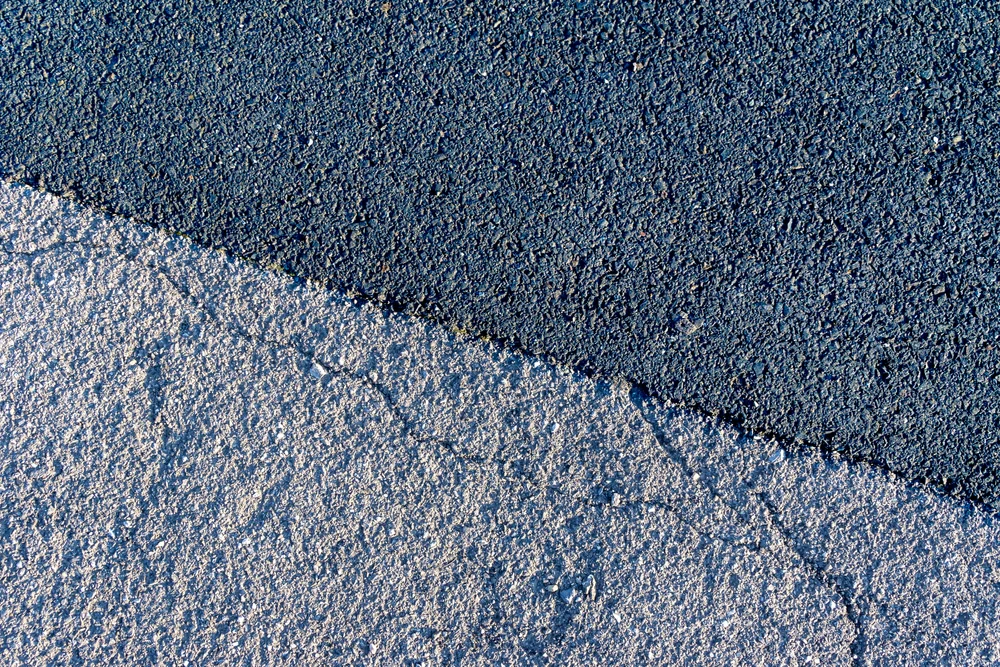
Repaving means removing the old asphalt completely, addressing the base layer, and installing new asphalt from the ground up. Resurfacing means adding a new layer of asphalt on top of the existing surface. Which one you need depends entirely on the condition of what’s already there.
If your driveway has major cracks, deep potholes, or drainage problems, resurfacing won’t fix it. You’re just covering up problems that will come back quickly, sometimes within months. Repaving costs more upfront but solves underlying issues with the base or grading that caused the damage in the first place.
Resurfacing works if the existing asphalt is still structurally sound but the surface is worn, faded, or showing minor damage. It’s less expensive and faster, but it only makes sense when the base and drainage are still in good shape. A reliable asphalt contractor will tell you honestly which option your property needs, not just which one is easier to sell or more profitable. We evaluate the actual condition of your pavement and explain what will give you the best long-term result for your specific situation and budget.
You should wait at least 72 hours before driving on new asphalt. That gives it time to cool and cure enough to handle vehicle weight without damage. Walking on it is usually fine after about 24 hours, but vehicles are significantly heavier and can leave impressions or cause surface damage if the asphalt is still too soft.
The first few weeks are critical for your new driveway paving. Asphalt continues to harden over time, so even after 72 hours, avoid sharp turns, heavy braking, or parking in the same spot repeatedly. Heavy vehicles or equipment should stay off for at least a week if possible to prevent rutting.
Weather affects curing time too. Hot summer days mean the asphalt stays softer longer, so you might need to wait a bit more than 72 hours. Cooler temperatures help it firm up faster. Your paving contractor should give you specific guidance based on the conditions during your installation. We provide clear instructions after every job so you know exactly when it’s safe to use your new driveway without risking damage to the surface you just paid for.
Price differences usually come down to materials, thickness, and how much prep work gets done before the asphalt goes down. A paving contractor charging significantly less than others is probably cutting corners somewhere—thinner asphalt, cheaper materials, or skipping base preparation entirely.
Asphalt thickness matters more than most people realize. A driveway that’s two inches thick will fail faster than one that’s three inches thick, especially in New Jersey where freeze-thaw cycles stress the pavement every winter. Cheaper quotes often mean thinner asphalt that won’t last, which means you’ll be paying for repairs or replacement much sooner.
Base preparation is the other big cost factor. Proper grading, compaction, and drainage work take time and specialized equipment. Skipping those steps saves money on the front end but leads to cracking, settling, and drainage problems within a year or two. You end up paying for repairs or a full replacement much sooner than you should.
Quality materials cost more too. Hot mix asphalt from a reputable plant performs better than cheaper alternatives. An asphalt contractor who’s significantly underbidding everyone else is probably using lower-grade materials or rushing the job to keep costs down. You’re not saving money in the long run—you’re just delaying when you’ll have to pay again to fix or replace it.
Yes, sealcoating extends the life of your asphalt by protecting it from water infiltration, UV rays, and chemicals like oil or gasoline. It’s not optional if you want your pavement to last as long as possible. Without it, asphalt breaks down faster from oxidation and weather exposure, and you’ll need repairs or replacement years sooner than necessary.
The timing matters though. Don’t sealcoat brand new asphalt right away. Wait at least six months to a year after installation so the asphalt has time to cure fully. After that initial waiting period, sealcoat every two to three years depending on traffic levels and weather exposure.
Sealcoating fills small surface cracks before they become bigger problems, prevents water from seeping into the base layer, and protects against UV damage that dries out the asphalt binder. It also makes your driveway or parking lot look fresh and well-maintained instead of faded and worn. The cost of sealcoating is minimal compared to the cost of repairing or replacing pavement that’s been neglected for years. Think of it as regular maintenance that saves you thousands down the road, not an optional extra you can skip.
Look for a paving contractor who’s been working in the area long enough to understand local soil conditions, drainage challenges, and how New Jersey weather affects pavement over time. Experience matters because every property is different, and shortcuts that work elsewhere will fail here due to our specific climate and terrain.
Ask about their process before you hire anyone. A good contractor will evaluate your property in person, explain what needs to happen and why, and give you a clear estimate that includes prep work, materials, and installation. If someone quotes you a price without looking at drainage patterns or base conditions, they’re guessing—and you’ll pay for those mistakes later.
Check references and reviews, but also ask how they handle problems if something goes wrong after installation. A contractor who stands behind their work will tell you exactly what’s covered and for how long. We focus on one job at a time, which means your project gets full attention instead of being squeezed between other jobs or left half-finished while the crew moves to another site. That approach leads to better results and fewer issues down the road because nothing gets rushed or overlooked.
Other Services we provide in Twinrivers