
You’re not looking for the cheapest option. You’re looking for asphalt that doesn’t crack apart after one winter. A driveway that drains properly instead of turning into a pond every time it rains. A parking lot your customers can actually use without dodging potholes.
Here’s what changes when the paving’s done right: water goes where it’s supposed to go. Your surface holds up through Pennsylvania’s freeze-thaw cycles. You’re not calling someone back in six months because the edges are already crumbling.
Whether it’s a residential driveway or a commercial parking lot, the end result is the same—a surface you can count on. No shortcuts. No surprises. Just asphalt installation that does what it’s supposed to do.
We’ve been handling paving projects since 1948. That’s not a tagline—it’s three generations of figuring out what works and what doesn’t when you’re laying asphalt in Pennsylvania.
The difference shows up in how we handle projects. One job at a time means the crew working on your driveway isn’t splitting attention between three other sites. You get calls returned. Questions answered. A team that shows up when we say we will.
Cornwells Heights, PA homeowners deal with the same challenges everyone in Bucks County faces—weather that tears up asphalt, properties with drainage quirks, and the need for work that actually lasts. That’s where experience matters. Not just knowing how to pave, but understanding how your specific property needs to be graded, where water’s going to go, and what it takes to build something that holds up.
First, we come out to look at your property. Not to give you a number over the phone, but to actually see what’s happening with drainage, grade, and the current surface condition. You get a clear estimate that explains what you’re paying for.
Once the project starts, the existing surface gets removed if needed. Then comes grading—the part most contractors rush through but shouldn’t. Proper grading is what keeps water from pooling on your driveway three years from now. The base gets compacted correctly because that’s what prevents your asphalt from sinking or cracking prematurely.
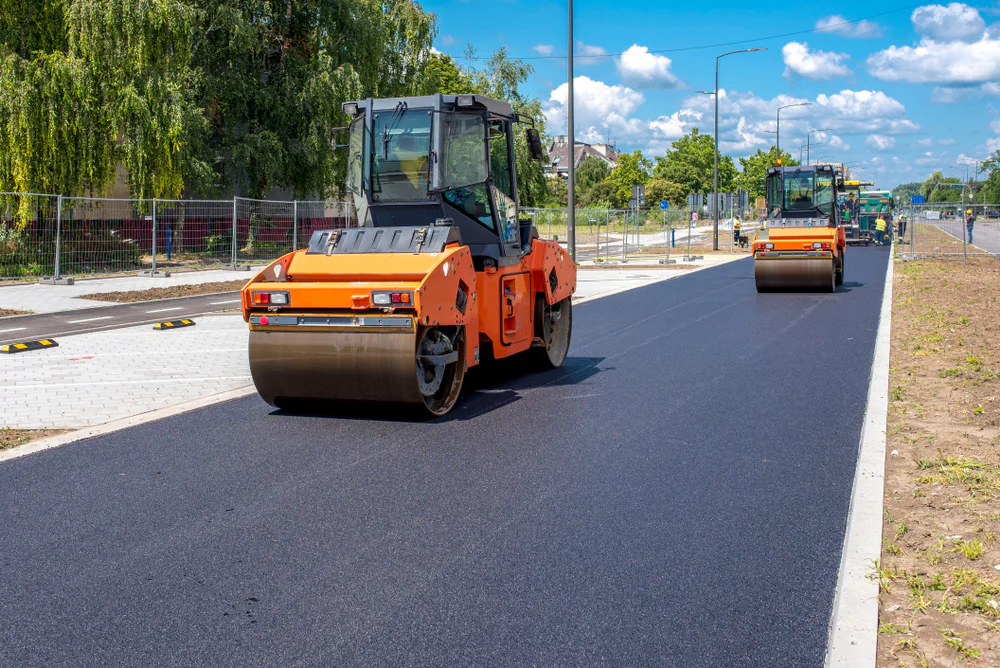
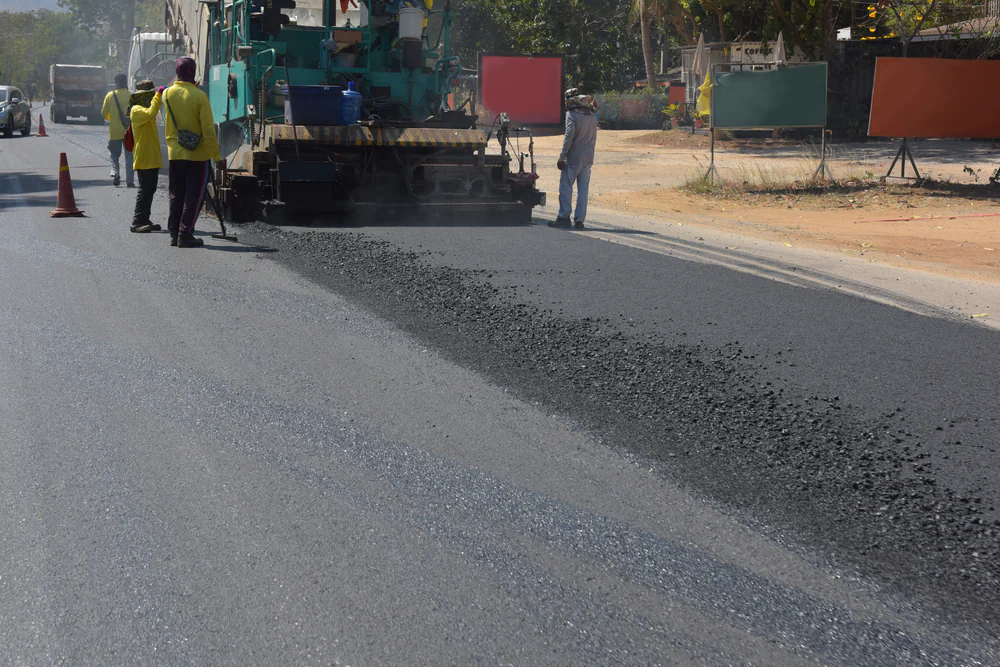
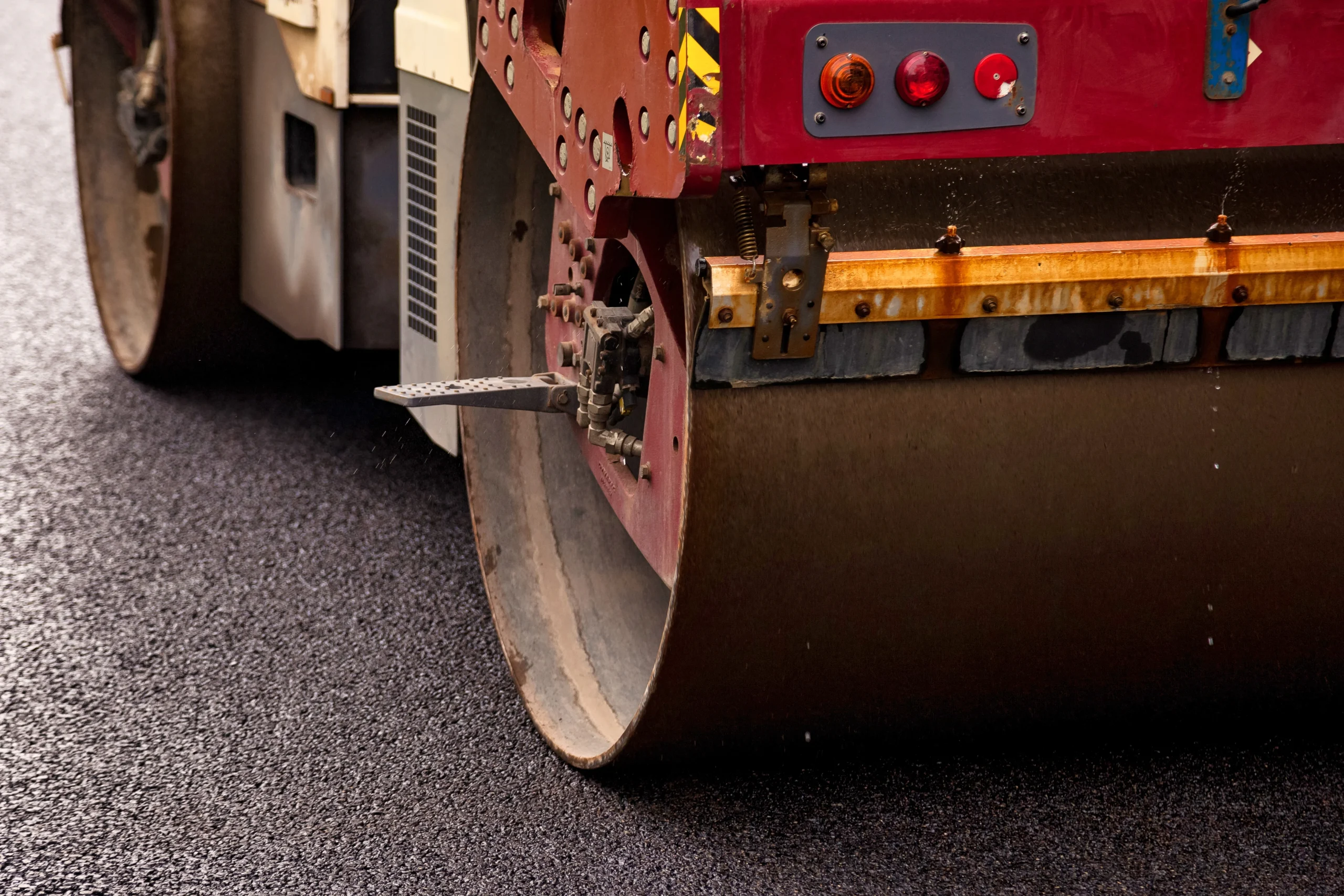
Then the asphalt goes down. The right thickness for your specific use—heavier for commercial parking lots that see truck traffic, appropriate for residential driveways. It gets compacted properly while it’s still hot. Edges get finished clean.
You’re kept in the loop the whole time. When the crew’s coming. What’s happening that day. When you can use the surface. No guessing. The job wraps up when it’s actually complete, not when we need to rush off to the next site.
Ready to get started?
Residential driveway paving covers everything from basic replacements to custom designs that match your property. That includes proper base preparation, grading for drainage, quality asphalt installation, and clean edging. If your property has specific challenges—steep grade, odd shape, drainage issues—we address those with solutions that actually work for your situation.
Commercial paving handles parking lots, loading areas, and industrial surfaces that take heavier use. These projects require different specifications—thicker asphalt, reinforced edges, striping, and sometimes specialized drainage solutions. The approach accounts for traffic patterns, weight loads, and business needs like minimizing disruption.
In Cornwells Heights, PA, properties often deal with specific local factors. The area’s older homes sometimes have drainage quirks that need custom solutions. The proximity to major routes means commercial properties need surfaces that handle consistent traffic. Pennsylvania’s weather—freeze-thaw cycles, heavy snow, summer heat—requires installation methods that account for expansion and contraction.
Water management and grading aren’t add-ons. They’re part of every project because they’re what determines whether your asphalt lasts five years or twenty-five. Seniors, military, and first-time customers get specialized discounts. Every project gets the same level of attention whether it’s a small residential driveway or a large commercial installation.
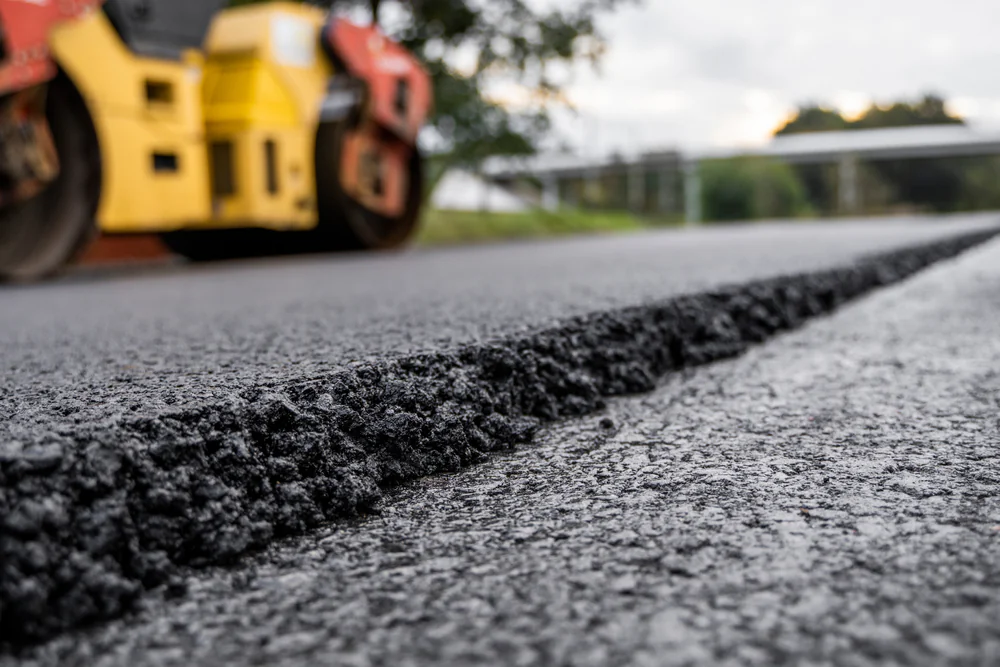
A properly installed asphalt driveway in Pennsylvania should last 20 to 30 years with basic maintenance. The key word is “properly installed.” That means correct base preparation, appropriate thickness for your use, proper compaction, and grading that handles water correctly.
Pennsylvania’s freeze-thaw cycles are tough on asphalt. Water gets into small cracks, freezes, expands, and makes those cracks bigger. If the base wasn’t compacted right or the grading doesn’t move water off the surface, you’ll see problems much sooner—sometimes within just a few years.
Regular sealcoating every few years and addressing small cracks before they spread can push that lifespan even further. But the foundation of longevity is the installation itself. Cut corners there, and no amount of maintenance will save it.
Commercial paving uses thicker asphalt and a more robust base because it handles heavier loads and more frequent traffic. A residential driveway might use 2 to 3 inches of asphalt over a compacted base. A commercial parking lot often needs 3 to 4 inches or more, depending on whether it sees regular truck traffic.
The base preparation is also more intensive for commercial projects. Heavier compaction, sometimes additional base layers, and more attention to drainage across larger surface areas. Commercial projects also typically include striping, ADA-compliant spaces, and specific grade requirements for water management across bigger areas.
Residential work focuses more on aesthetics, property integration, and matching the home’s style. Commercial work prioritizes durability, traffic flow, and minimizing business disruption during installation. Both require quality work, just with different specifications based on how the surface will be used.
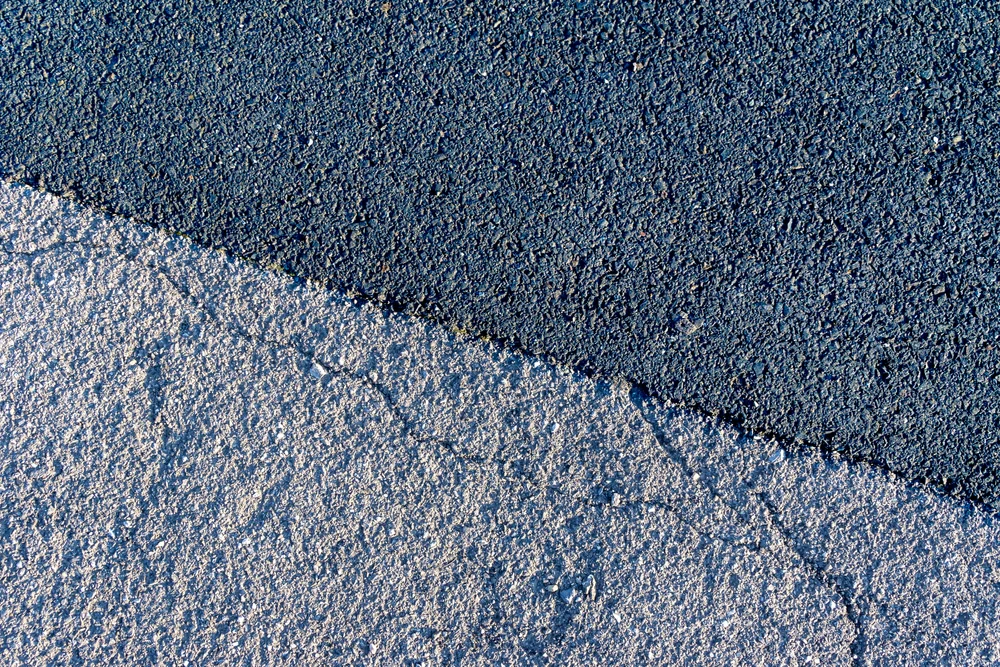
If you’re seeing widespread cracking, multiple potholes, or significant settling across large sections, replacement usually makes more sense than patching. Repairs work well for isolated damage—a few cracks, a small pothole, edge deterioration in one area.
Here’s the practical test: if more than 30% of your driveway surface shows damage, replacement typically gives you better long-term value. Patching a driveway that’s fundamentally failing just delays the inevitable and costs more in the long run.
Also consider the age. If your driveway is already 20+ years old and showing significant wear, patching buys you a couple years at best. If it’s relatively new and damage is isolated, repairs make sense. An honest contractor will tell you which situation you’re actually dealing with after looking at your specific driveway.
Water pools because the grading is wrong. Either the driveway wasn’t sloped correctly when installed, or it’s settled unevenly over time. Asphalt needs to slope away from structures and toward drainage areas—typically a minimum of 1% to 2% grade.
Fixing it depends on what’s causing the problem. If the base has settled, you’re looking at removal and reinstallation with proper grading and base compaction. If the asphalt itself just needs adjustment, sometimes an overlay with corrected grading can work, though that’s not always the right solution.
Standing water isn’t just annoying—it’s actively destroying your asphalt. It seeps into small cracks, freezes, expands, and accelerates deterioration. It also creates ice hazards in winter. Proper grading during installation prevents this entirely, which is why that step matters so much. A contractor who rushes grading is setting you up for problems.
Look for someone who actually comes to your property before giving you a number. Contractors who quote over the phone without seeing your specific drainage, grade, and site conditions are guessing—and you’ll pay for that later.
Ask about their process, specifically around base preparation and grading. If they gloss over these steps or can’t explain why they matter, that’s a red flag. Check reviews, but read what people say about how problems were handled, not just whether they’re happy right after installation.
Find out how many jobs they run simultaneously. A crew split between multiple sites means less attention to your project, longer timelines, and more chance of mistakes. Ask about timeline, what happens if weather delays things, and how communication works during the project. The contractor who gives you clear, specific answers instead of vague reassurances is usually the one who knows what they’re doing.
You can typically walk on new asphalt within 24 hours and drive on it within 2 to 3 days, depending on weather conditions. Cooler temperatures mean longer cure times. Hot summer days might let you use it sooner, but you still want to give it time to properly set.
For the first few weeks, avoid parking in the same spot repeatedly and be careful with sharp turns, especially when it’s hot out. The asphalt is still curing and can be marked or indented more easily. Kickstands, trailer jacks, and heavy vehicles should wait at least a week.
Full curing takes several months, but that doesn’t mean you can’t use your driveway. It just means the asphalt is still hardening and reaching its maximum strength. Your contractor should give you specific guidance based on the weather conditions during your installation and the thickness of asphalt installed.
Other Services we provide in Cornwellsheights