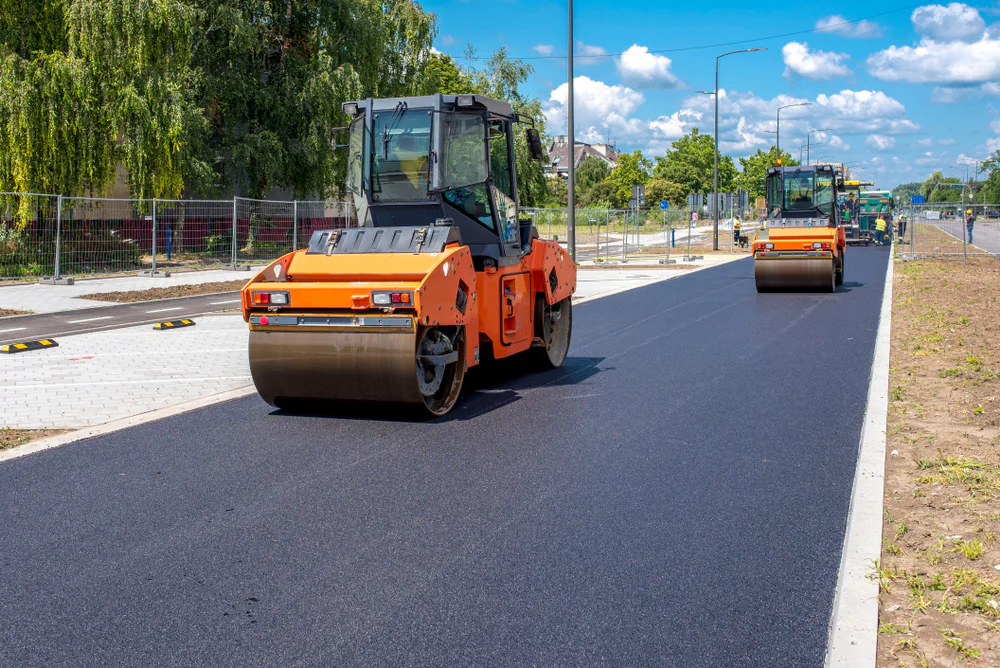
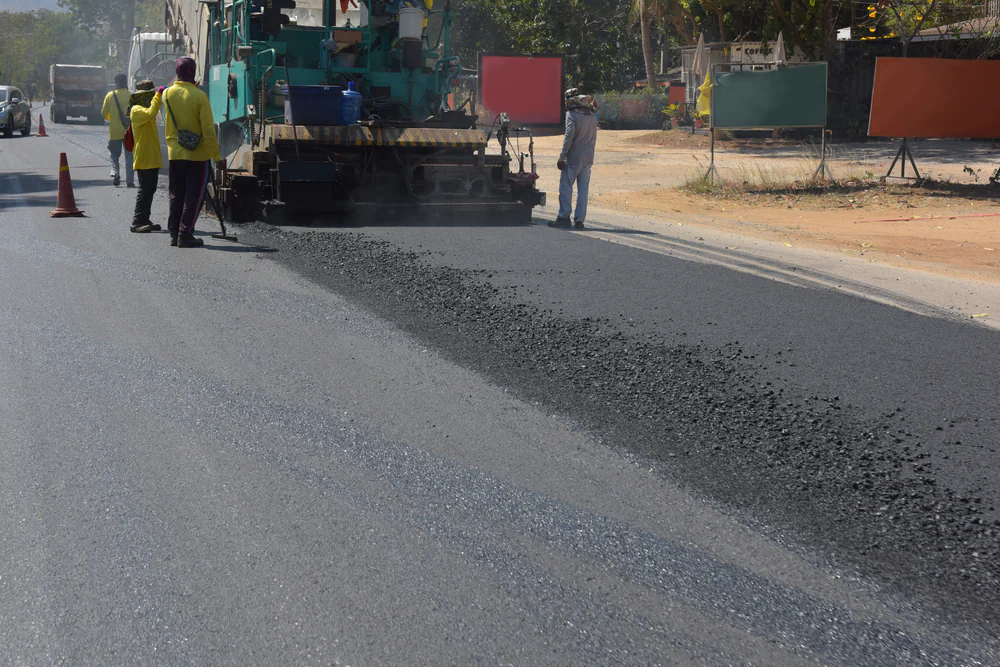
You’re not just paying for black asphalt. You’re paying for a surface that drains properly, holds up through Pennsylvania winters, and doesn’t crack or sink in the first year because someone skipped the base prep.
Good paving means your property looks sharp. It means you’re not dealing with water pooling in your driveway every time it rains. It means your parking lot isn’t turning into a liability with potholes and uneven sections.
When the job’s done right from the start, you get years of performance without the constant repairs. That’s what proper grading, quality materials, and experienced installation actually deliver—fewer headaches down the road.
We’ve been in the paving business since 1948. That’s not a typo—nearly 75 years of family knowledge about what works and what doesn’t when it comes to asphalt installation in Pennsylvania.
Our approach is simple: one crew, one job at a time. Your project gets full attention, not divided focus between three other sites. Every property gets treated the same way, whether it’s a residential driveway in Dublin or a commercial parking lot—custom solutions, clear communication, and work done to the same standard.
We’ve built our reputation on five-star reviews and repeat clients who know they’ll get straight answers, fair pricing, and quality work. Seniors, military members, and first-time customers get specialized discounts because the goal is long-term relationships, not one-off transactions.
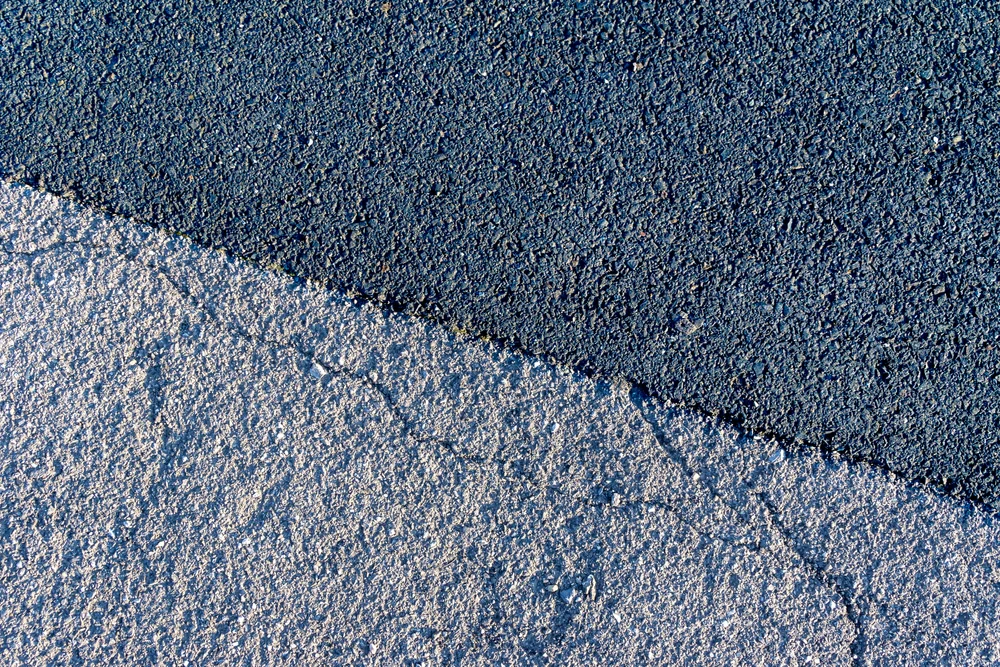
First, there’s a site evaluation. That means looking at your property’s drainage, grade, soil conditions, and any existing issues that need addressing before new asphalt goes down. This step matters because it prevents future problems.
Next comes the prep work—removing old material if needed, grading the base properly, and ensuring water flows away from structures. Shortcuts here are why some driveways fail in a few years. Proper base compaction and drainage setup are non-negotiable.
Then the asphalt installation happens. Quality materials get laid at the right thickness for your specific use—residential driveways and commercial parking lots have different requirements. The surface is compacted correctly and finished smooth.
After installation, you’ll get clear guidance on curing time and when you can use the surface. We clean up the site completely. If questions come up later, you get answers—not radio silence.
Ready to get started?
Professional paving means more than just laying asphalt. You get a thorough site assessment that identifies drainage issues, grading problems, and soil concerns before work starts. That’s how you avoid the sinking driveway or the parking lot that floods every spring.
For residential properties in Dublin, that might mean custom solutions for sloped driveways, water management around your home’s foundation, or matching your property’s specific layout. For commercial projects, it’s about minimizing business disruption, meeting ADA requirements, and creating parking areas that handle daily traffic without constant maintenance.
Pennsylvania’s freeze-thaw cycles are tough on asphalt. Proper installation accounts for that—correct material thickness, quality base preparation, and drainage that prevents water from getting trapped under the surface where it can cause cracking and heaving during winter months.
You also get transparent communication throughout. No surprise charges, no vague timelines, no disappearing after the deposit clears. Just clear updates and work that matches what was discussed upfront.
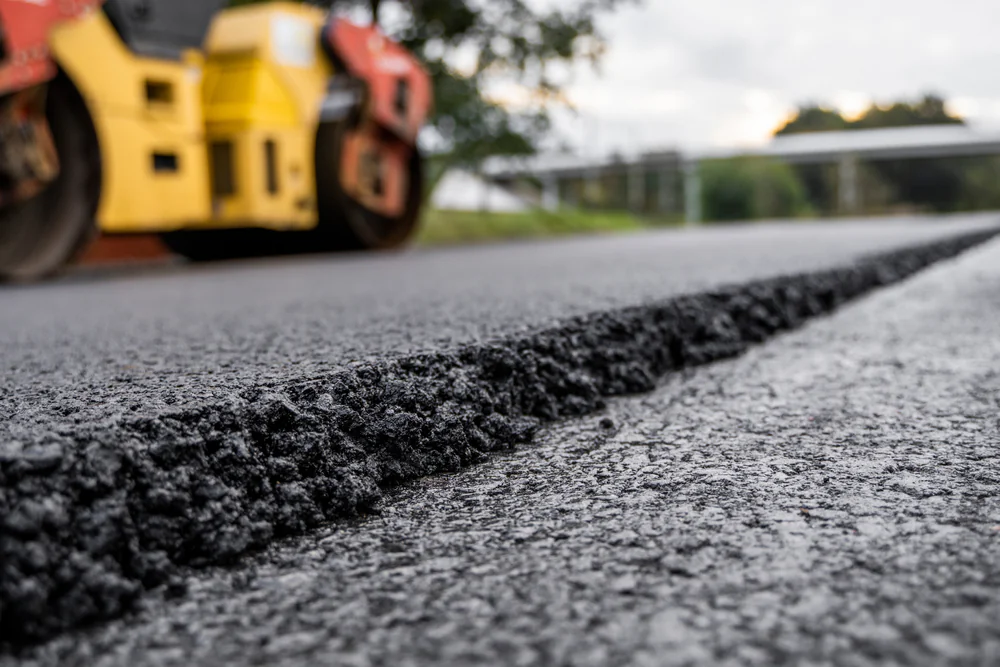
Most residential driveway projects take 2-4 days from start to finish, depending on size and site conditions. Day one usually involves site prep—removing old material if needed, grading, and base work. Day two is typically asphalt installation and finishing.
Weather affects the timeline. Rain delays asphalt work because moisture interferes with proper compaction and bonding. Temperature matters too—asphalt needs to be installed when conditions allow it to compact and cure correctly.
After installation, you’ll need to stay off the new asphalt for 24-48 hours minimum. Full curing takes longer, so heavy vehicles and sharp turns should be avoided for about a week. You’ll get specific guidance based on your project and current weather conditions.
The difference shows up in the base preparation and material quality. Cheap paving often means minimal excavation, poor base compaction, and thin asphalt layers. That might look fine initially, but it fails fast—cracking, sinking, and edge deterioration within a few years.
Quality work starts with proper excavation depth and a well-compacted aggregate base. This foundation is what prevents settling and provides stable support. The asphalt itself should be laid at appropriate thickness for your use—residential driveways typically need 2-3 inches of compacted asphalt, while commercial areas need more.
Drainage is the other major difference. Quality paving includes proper grading so water flows away from your property and doesn’t pool on the surface. Poor drainage is why some driveways develop potholes and cracks quickly. The upfront cost difference between cheap and quality work is real, but quality paving lasts 20-30 years while cheap work might need replacement in 5-7 years.
It depends on the extent and type of damage. Minor cracks, small potholes, and surface wear can often be repaired through patching, crack sealing, or sealcoating. If damage is limited to specific areas and the base is still solid, targeted repairs make sense and cost significantly less than full replacement.
Full replacement becomes necessary when there’s widespread cracking, significant settling or heaving, base failure, or when the asphalt is simply worn out from age. If water has compromised the base layer or if more than 30-40% of the surface needs repair, replacement is usually the better investment.
An honest assessment looks at your specific situation—the age of the existing asphalt, the condition of the base, drainage issues, and your long-term plans for the property. Sometimes a repair buys you a few more years. Sometimes it’s throwing money at a failing surface when replacement would actually save you money over the next 5-10 years.
Start with verifiable experience and references. Ask how long they’ve been in business and request examples of similar projects in your area. Check reviews on independent platforms, not just testimonials on their website. Look for patterns—do they show up when promised? Do they communicate clearly? Do they handle problems professionally?
Make sure they’re properly licensed and insured. Ask for proof of liability insurance and workers’ compensation coverage. This protects you if someone gets injured on your property or if something goes wrong during the project.
Get detailed written estimates that break down the scope of work, materials being used, project timeline, and total cost. Be wary of estimates that are significantly lower than others—that usually means shortcuts somewhere. Ask specific questions about base preparation, asphalt thickness, drainage plans, and what’s included in the quoted price. How they answer tells you a lot about their approach to quality.
Residential driveway paving in the Dublin area typically ranges from $3-$7 per square foot for quality work, but your actual cost depends on several factors. A standard two-car driveway (about 600-700 square feet) might run $2,500-$5,000 depending on site conditions and project specifics.
The biggest cost variables are site preparation needs, current condition of the area, drainage requirements, and asphalt thickness. If significant excavation is needed, if the base requires extensive work, or if drainage solutions need to be installed, costs increase. Properties with difficult access, steep grades, or soil issues also affect pricing.
Beware of quotes that seem too good to be true—they usually are. Extremely low bids often mean thin asphalt layers, minimal base prep, or inferior materials. That might save money initially, but it costs more long-term when the driveway fails prematurely. Quality paving is an investment that should last 20-30 years when done correctly.
Late spring through early fall (May through October) is ideal for asphalt paving in Pennsylvania. Asphalt needs warm temperatures to be properly installed and compacted—ideally above 50°F for installation and above 40°F overnight during the initial curing period.
Summer months offer the most consistent conditions, but extreme heat can also present challenges. Spring and fall work well when temperatures are moderate and stable. Winter paving is generally not recommended because cold temperatures prevent proper compaction and bonding, leading to premature failure.
Weather matters beyond just temperature. Rain delays projects because moisture interferes with asphalt installation. A good contractor will monitor forecasts and schedule accordingly rather than rushing work in poor conditions. The right timing ensures your paving investment performs as it should for decades, not just a few years.
Other Services we provide in Dublin