Your driveway or parking lot takes a beating. Pennsylvania weather doesn’t care how much you paid for that asphalt last time—if it wasn’t done right, you’re looking at cracks, potholes, and water pooling within a few seasons.
Proper paving installation means you’re not patching the same spots every spring. It means water drains where it should, your base doesn’t shift when the ground freezes, and your surface stays smooth under real use. That’s the difference between asphalt that lasts 15-20 years and asphalt that needs help in five.
When the work is done right from the start, you stop worrying about your driveway. You’re not watching for new cracks or wondering if this winter will be the one that does it in. You’ve got pavement you can count on.
We bring more than 75 years of paving knowledge to every job in Sellersville and Bucks County. That’s not marketing talk—it’s family tradition meeting modern expertise. The kind of experience that knows how Pennsylvania soil behaves, what happens when you skip proper grading, and why your neighbor’s driveway failed after three years.
We focus on one project at a time. That means when our crew is on your property, they’re not splitting attention between three other jobs or rushing to the next site. Every driveway, parking lot, and commercial project gets the same careful approach, whether it’s a residential driveway or a full industrial paving job.
Sellersville property owners deal with freeze-thaw cycles, drainage issues, and soil conditions that demand more than cookie-cutter solutions. We treat each property as its own project—assessing what your specific site needs for water management, base preparation, and surface durability. That’s how you get results that hold up in this climate.
The process starts with a site assessment. Not a quick glance and a quote—an actual evaluation of your property’s drainage, soil conditions, and what your pavement needs to handle. This is where you find out if you need additional grading, how thick your base should be, and what’s causing those problems with your current surface.
Next comes site preparation. Old asphalt gets removed if you’re replacing an existing driveway. The area is excavated to proper depth, graded for drainage, and prepared for the base layer. This step determines whether your pavement lasts five years or twenty. Shortcuts here mean problems later.
The base layer goes down next—compacted stone or gravel that provides stable support for the asphalt. In Pennsylvania, where ground movement from freezing and thawing is constant, this base layer is critical. It needs to be thick enough and properly compacted, or your asphalt will crack and settle no matter how good the surface layer is.
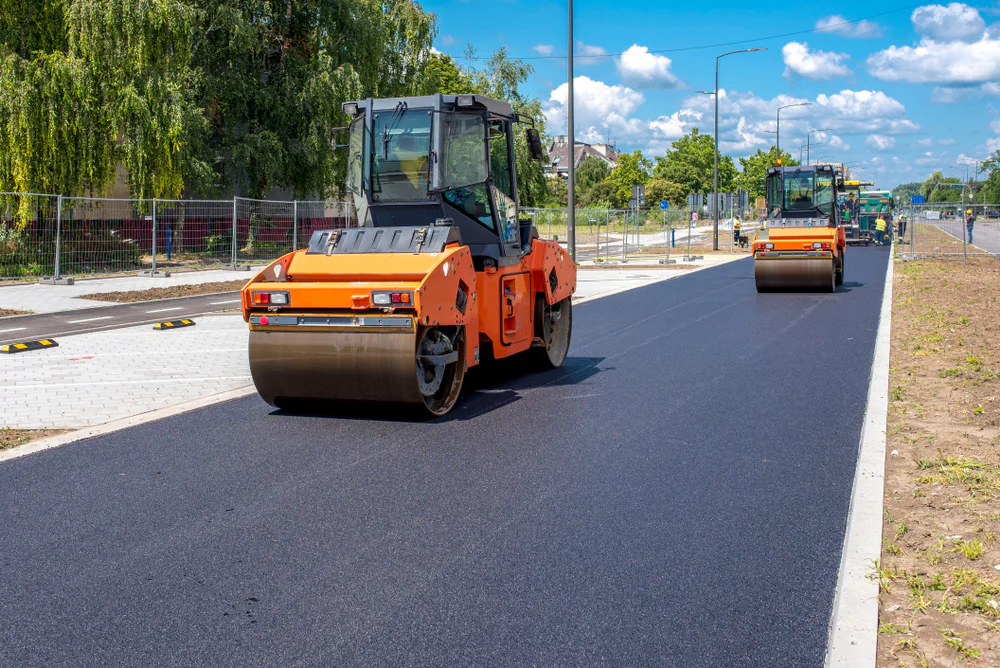
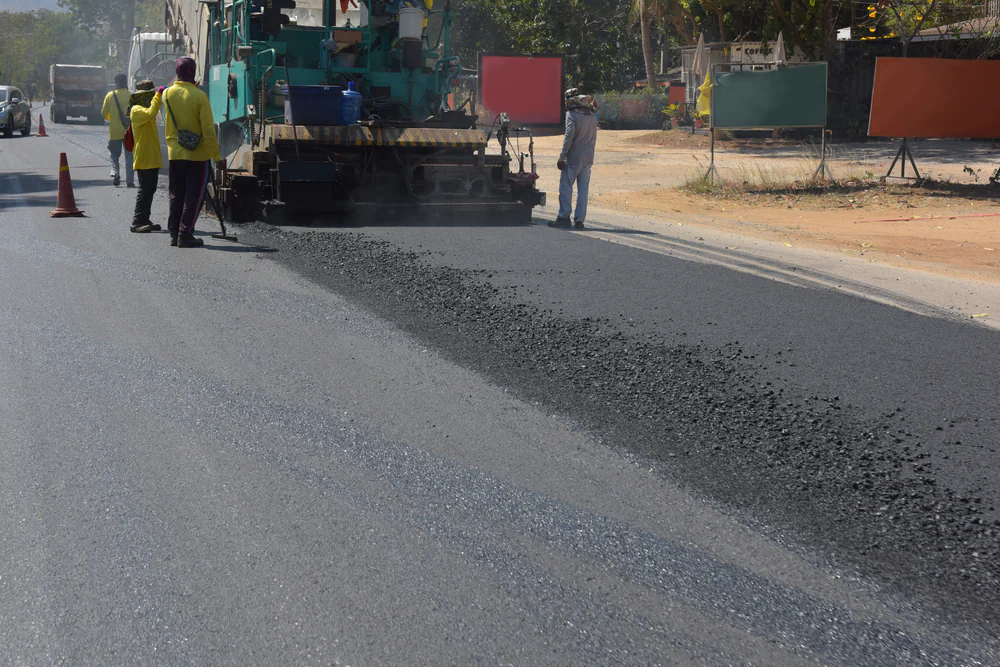
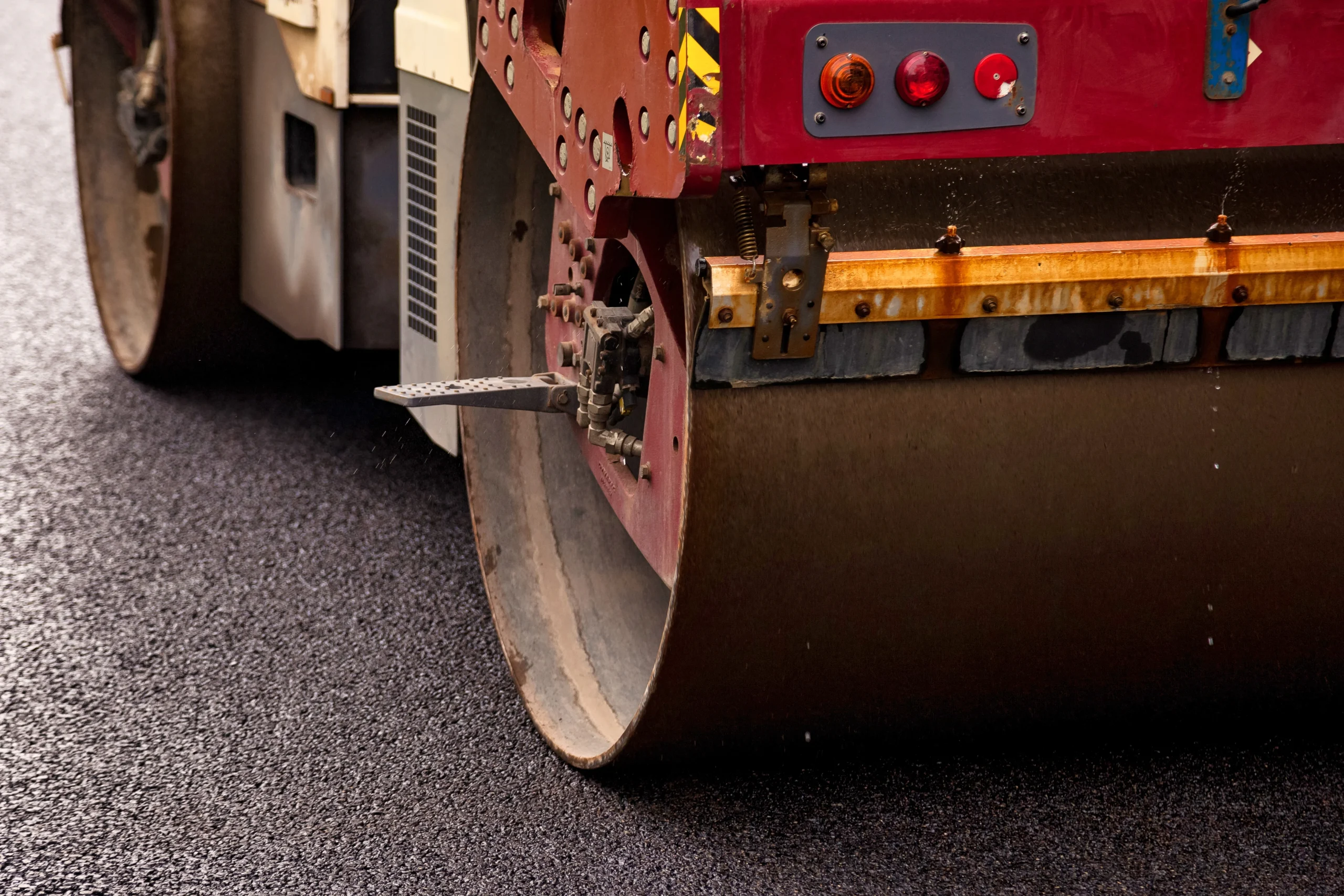
Then comes the asphalt installation. Hot asphalt is spread evenly across the prepared base and compacted with heavy rollers. The thickness matters—residential driveways typically need at least three inches of compacted asphalt over a solid base. Commercial projects often require more depending on the expected traffic load.
Final grading and edges are completed to ensure proper water runoff and clean transitions to existing surfaces. You’re left with smooth, durable pavement designed for your property’s specific needs and Pennsylvania’s demanding climate.
Ready to get started?
Residential driveway paving in Sellersville means more than just a smooth surface. You’re getting proper site evaluation, grading that directs water away from your foundation, and base preparation that accounts for local soil conditions. The work includes removing old pavement if needed, installing a compacted stone base, applying hot asphalt at the right thickness, and finishing edges for a clean appearance.
Commercial paving projects—parking lots, access roads, loading areas—require heavier base preparation and thicker asphalt to handle constant traffic and heavy loads. These projects often include striping, ADA-compliant accessibility features, and drainage solutions that keep water from pooling in parking areas. Bucks County businesses need pavement that holds up under daily use without constant maintenance.
Both residential and commercial projects benefit from water management solutions. Pennsylvania’s weather means drainage isn’t optional—it’s essential. Proper grading, catch basins where needed, and surface design that moves water away from structures all factor into paving work that lasts. We handle these details as part of the standard process, not as expensive add-ons.
We also offer specialized discounts for seniors, military members, and first-time customers. Quality paving shouldn’t be out of reach for property owners who need it. Every project gets the same attention to detail and commitment to lasting results, regardless of size or budget.
Properly installed asphalt should last 15 to 20 years in Pennsylvania, sometimes longer with good maintenance. The lifespan depends heavily on three factors: base preparation, asphalt thickness, and drainage.
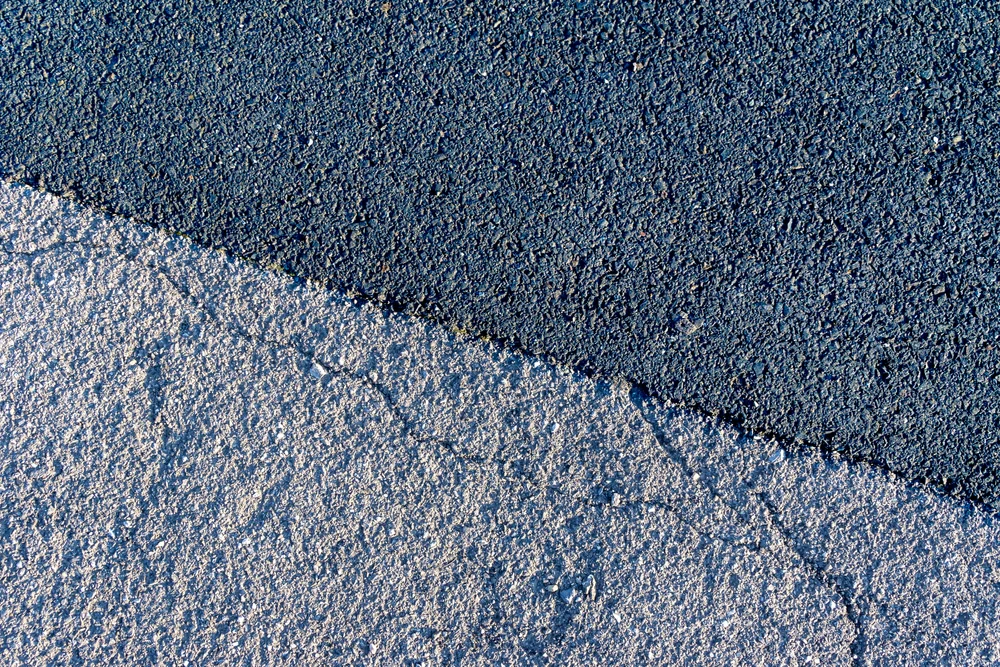
Pennsylvania’s freeze-thaw cycles are tough on pavement. When water gets under your asphalt and freezes, it expands and causes heaving. When it thaws, you get settling and cracks. If your base wasn’t thick enough or properly compacted, or if water isn’t draining away from the surface, you’ll see problems much sooner—often within five to seven years.
Maintenance matters too. Sealcoating every few years protects the surface from oxidation and water penetration. Filling cracks when they’re small prevents them from spreading. But even with perfect maintenance, poorly installed asphalt won’t make it to 15 years. The installation quality determines whether you’re repairing constantly or enjoying decades of reliable pavement.
Repair makes sense when damage is limited and the base is still solid. Replacement is necessary when the foundation has failed or more than 30% of your surface needs work.
Small cracks, isolated potholes, or surface deterioration in specific areas can often be patched or resurfaced. If your driveway is under 15 years old and most of it looks good, repair is usually the right call. You’re addressing problem spots without tearing out pavement that’s still functional.
Replacement becomes the better option when you’re dealing with widespread cracking, major settling, or when the base layer has deteriorated. If water has been pooling on your driveway, or if you’ve got large sections that are crumbling, patching won’t solve the underlying problem. You’ll just be throwing money at temporary fixes while the foundation continues to fail. At that point, starting fresh with proper base preparation costs less in the long run than repeated repairs.
Residential driveways need at least three inches of compacted asphalt over a four to six inch compacted stone base. Commercial applications typically require more depending on traffic loads.
That three-inch minimum isn’t arbitrary—it’s what holds up under normal vehicle traffic and Pennsylvania weather. Go thinner and you’re looking at premature cracking and deterioration. The base layer is just as important. Four to six inches of compacted stone provides the stable foundation your asphalt needs. Areas with poor drainage or soft soil may need a thicker base.
Commercial parking lots and driveways that see heavy trucks need thicker asphalt—often four to six inches—and a more substantial base. The extra thickness handles heavier loads without rutting or cracking. Trying to save money by going thinner on commercial projects just means you’re repaving sooner. The right thickness from the start costs less than doing the job twice.
Late spring through early fall offers the best conditions for asphalt paving in Pennsylvania. You need temperatures above 50 degrees Fahrenheit for proper asphalt compaction and curing.
Asphalt needs warm weather to be workable and to compact properly. Cold temperatures cause the asphalt to cool too quickly, which prevents proper compaction and can lead to premature deterioration. Most paving contractors in Sellersville schedule work from April through October, with summer months being the busiest.
That said, scheduling early in the season often means better availability and sometimes better pricing. By mid-summer, reputable contractors are booked weeks out. If you’re planning a paving project, reaching out in early spring gets you on the schedule before the rush. Just be aware that weather delays are possible in spring—a rainy week can push schedules back, but quality contractors won’t pave in conditions that compromise the work.
Look for verifiable experience, local references, and contractors who explain the process in detail rather than just quoting a price.
A reputable paving contractor should be able to show you completed projects in your area and provide references you can actually contact. We explain what’s included in our quote—site prep, base thickness, asphalt thickness, grading, drainage considerations. If someone gives you a square-foot price without asking about your property’s specific conditions, that’s a red flag.
Check reviews on platforms like Angie’s List, Google, and the Better Business Bureau. Look for patterns in feedback—do customers mention communication, following through on promises, and results that last? Also ask about insurance and licensing. Paving work involves heavy equipment and potential property damage. You want a contractor who’s properly insured and established in the community, not someone who might disappear if problems arise. Companies with decades of local history have reputations to protect.
Water infiltration and poor base preparation cause most asphalt failures. Pennsylvania’s freeze-thaw cycles accelerate the damage once water gets under the surface.
When water seeps through cracks or edges into the base layer, it weakens the foundation. In winter, that water freezes and expands, causing heaving and more cracks. In spring, it thaws and leaves voids where the pavement settles unevenly. This cycle repeats every year, and the damage compounds. What starts as a small crack becomes a pothole within a few seasons.
Poor base preparation causes similar problems. If the stone base wasn’t thick enough or properly compacted during installation, the pavement doesn’t have stable support. It flexes under traffic, develops low spots where water pools, and cracks from the stress. You can also get failures from inadequate asphalt thickness, poor drainage design, or using substandard materials. The common thread is usually cutting corners during installation. Proper site preparation, adequate base and asphalt thickness, and good drainage design prevent most of these problems.
Other Services we provide in Sellersville