The difference between a driveway that lasts 10 years and one that lasts 25 comes down to three things: proper base preparation, quality materials, and a crew that doesn’t rush. When your asphalt installation is done right from day one, you’re looking at fewer cracks, better drainage, and a surface that holds up through Warrington’s freeze-thaw cycles without turning into a pothole minefield.
You also get peace of mind. No wondering if we cut corners you can’t see. No surprise failures two winters in. Just a smooth, durable surface that protects your property value and handles everything from July thunderstorms to January ice without breaking down.
And here’s what most people don’t realize until it’s too late: the cheapest bid usually costs you more in the long run. Poor drainage leads to water damage. Thin asphalt cracks faster. Rushed work fails sooner. Quality paving installation means you’re not redoing this in five years.
We’ve been in the paving business since 1948. That’s three generations of knowing what works in Pennsylvania weather and what doesn’t. We serve Warrington and surrounding Bucks County communities with residential driveways, commercial parking lots, and industrial paving projects—handling everything from small repairs to complete installations.
What sets us apart is simple: one project at a time. Our full crew focuses on your job until it’s done right, not splitting attention across multiple sites. Every client gets the same level of care whether it’s a single-car driveway or a commercial lot, because the work speaks for itself.
Warrington homeowners deal with specific challenges—higher property values mean higher expectations, and the local climate demands paving that can handle extreme temperature swings and heavy precipitation. Our approach accounts for these factors with custom solutions for drainage, grading, and material selection based on each property’s unique conditions.
First comes the site assessment. We actually look at your property—drainage patterns, soil conditions, access points, existing damage. This determines the base depth you need, grading requirements, and whether there are underlying issues that’ll cause problems later if ignored.
Next is preparation. Old asphalt or damaged sections get removed. The base gets excavated to proper depth and filled with compacted aggregate stone. This foundation layer is what prevents settling and cracking down the road. We don’t cut corners here because this is where most failures start.
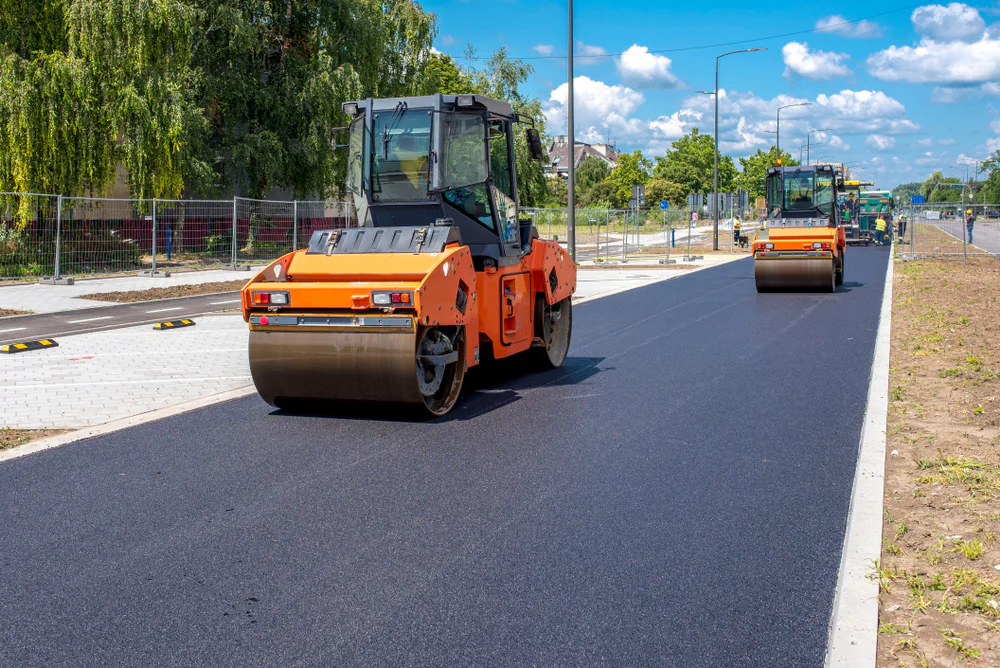
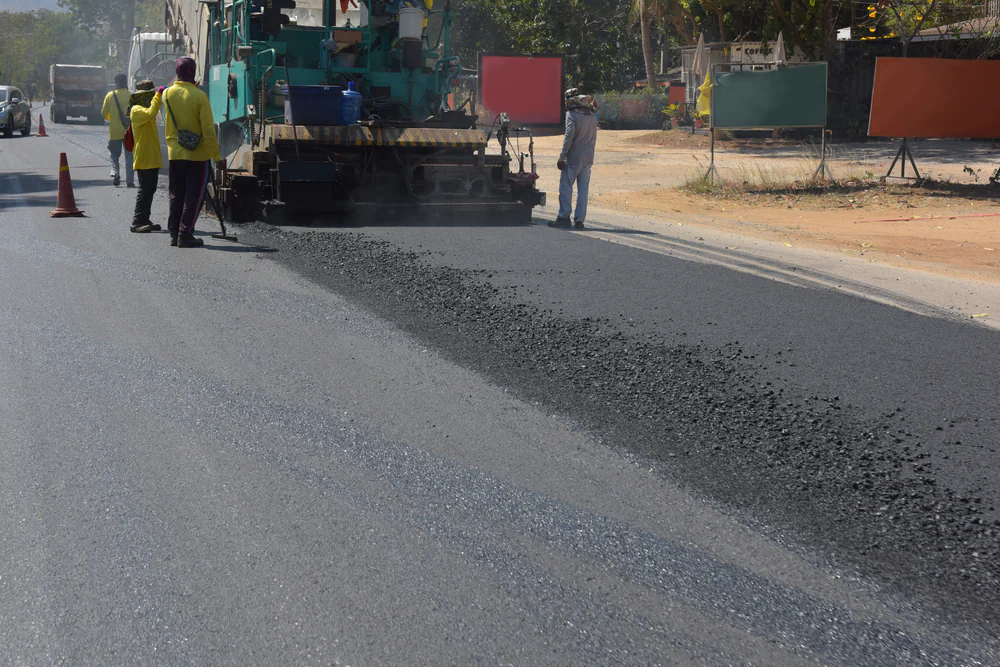
Then comes the asphalt installation. Fresh material gets laid at the right thickness for your specific use—residential driveways typically need 2-3 inches of compacted asphalt, while commercial applications requiring heavier load capacity need more. The surface gets graded for proper water runoff, compacted with professional equipment, and finished smooth.
After installation, there’s a curing period. You’ll get clear instructions on when you can drive on it and what to avoid during the first few days. We clean up completely—no leftover debris, no damage to surrounding landscaping.
Long-term, you’ll want to plan for sealcoating every few years to protect against UV damage, water penetration, and Pennsylvania’s harsh freeze-thaw cycles. Proper maintenance extends your pavement’s life significantly and costs a fraction of premature replacement.
Ready to get started?
Professional paving installation covers more than just laying asphalt. You get proper site preparation with base excavation and aggregate installation, grading for water management, and asphalt application at appropriate thickness for your needs. The service includes compaction with commercial-grade equipment, edge work for clean transitions, and complete cleanup when finished.
For Warrington properties specifically, drainage is critical. The area sees significant rainfall, especially during July’s peak thunderstorm season, and winter brings freeze-thaw cycles that destroy poorly installed pavement. Quality paving accounts for these conditions with proper slope, adequate base depth, and water management solutions that prevent pooling and ice damage.
Commercial paving adds complexity—parking lot striping, ADA-compliant accessibility, heavier base requirements for truck traffic, and coordination to minimize business disruption. Industrial projects might include specialized load-bearing specifications, large-scale grading, and integration with existing infrastructure.
Residential driveway paving focuses on curb appeal, longevity, and functionality. This means attention to how the driveway connects to the street, proper transitions to garage entrances, and consideration for landscaping and property aesthetics. In neighborhoods where median home values exceed $500,000, the quality of your driveway directly impacts property value.
Additional services often include asphalt repair for existing pavement, sealcoating to extend surface life, and crack filling to prevent water infiltration. We also offer grading services, water management solutions, and winter maintenance planning for commercial clients.
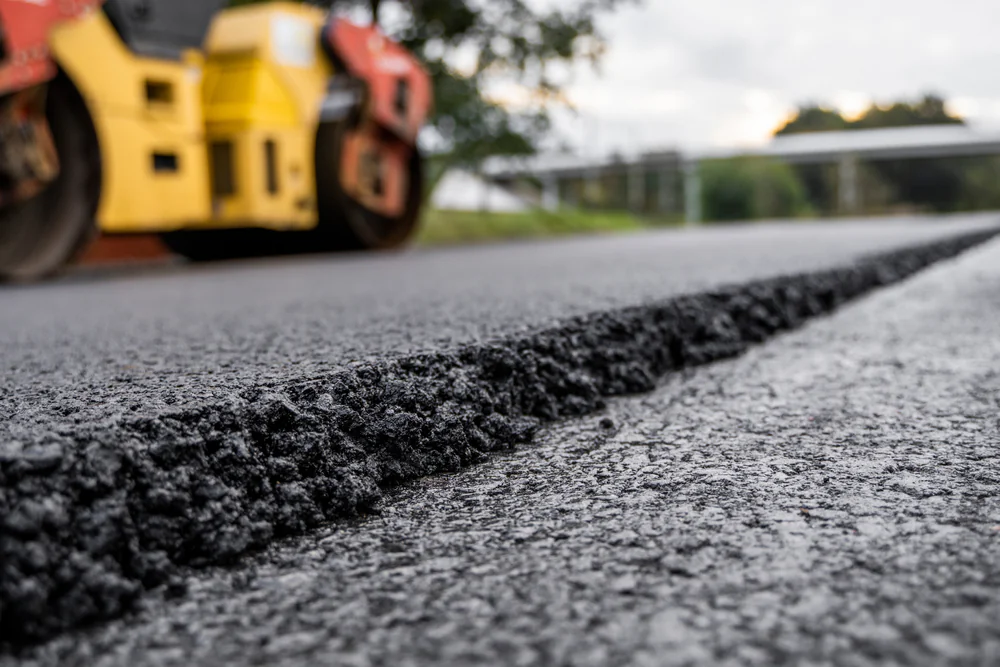
Quality asphalt paving in Warrington typically lasts 15-25 years with proper maintenance, but Pennsylvania’s climate makes installation quality critical. The freeze-thaw cycles here are brutal—water seeps into small cracks, freezes, expands, and tears the pavement apart from the inside. Poor installation might fail in under 10 years.
The key factors are base preparation and drainage. A properly compacted aggregate base prevents settling that causes cracking. Correct grading moves water off the surface instead of letting it pool and penetrate. The asphalt thickness matters too—skimping on an inch of material might save money upfront but costs you years of lifespan.
Maintenance extends things significantly. Sealcoating every 2-3 years protects against UV damage and water penetration. Addressing small cracks immediately prevents them from spreading. With proper care, you’re looking at the longer end of that lifespan range. Without it, even quality installation deteriorates faster than it should.
The difference shows up in three places: base preparation, material quality, and attention to drainage. Cheap installations skip proper excavation depth, use thinner asphalt layers, and ignore water management. You can’t see these shortcuts from the surface, but you’ll feel them in your wallet within a few years.
Quality installation starts with adequate base depth—typically 6-8 inches of compacted aggregate for residential driveways. Cheap jobs might use 4 inches or less. Quality uses 2-3 inches of compacted asphalt for residential applications. Cheap installations go thinner. Quality work includes proper grading so water runs off instead of pooling. Cheap jobs ignore slope entirely.
Material quality varies too. Premium asphalt mixes include better binders and aggregates that resist cracking and weathering. Lower-grade materials break down faster under traffic and temperature stress. The compaction process matters—professional equipment creates a denser, more durable surface than inadequate compaction.
The real cost difference appears over time. Cheap paving might save you 20-30% upfront but need replacement in 7-10 years instead of 20-25. Quality installation costs more initially but delivers better value through longevity, fewer repairs, and maintained property value.
Driveway paving costs in Warrington typically run $7-15 per square foot for complete installation, putting a standard two-car driveway (roughly 600 square feet) in the $4,200-$9,000 range. The wide range reflects differences in project complexity, material choices, and site conditions.
Several factors push costs up or down. Removal and disposal of old pavement adds expense. Challenging access for equipment increases labor costs. Poor drainage requiring extensive grading work costs more. Properties needing significant base repair or unusual shapes with curves and angles require more materials and labor.
The higher property values in Warrington mean most homeowners choose quality over bargain pricing. When your home is worth over $500,000, a $2,000 savings on substandard paving doesn’t make financial sense. The driveway represents a significant portion of your curb appeal and affects resale value.
Get multiple estimates, but compare what’s actually included. The lowest bid might skip base preparation, use thinner asphalt, or exclude proper drainage work. Ask specifically about base depth, asphalt thickness, grading plans, and what’s covered in the quoted price. A detailed estimate from a reputable contractor protects you from surprise costs and ensures you’re comparing equivalent work.
Late spring through early fall offers the best conditions for asphalt paving in Warrington—typically May through October. Asphalt needs warm temperatures to properly compact and cure, and Pennsylvania weather cooperates best during these months. Avoid winter paving entirely; cold temperatures prevent proper bonding and compaction.
Summer is peak season, which means higher demand and potentially longer wait times. Early fall (September-October) often provides ideal conditions with moderate temperatures and lower contractor demand. You might find better availability and pricing during this window.
Weather matters beyond just temperature. Heavy rain delays projects and affects base preparation. Extremely hot days can make asphalt too soft to work with properly. We monitor conditions closely and won’t rush installation during poor weather—that’s a good sign, not an inconvenience.
If you’re planning a project, book early. Quality contractors fill their schedules months in advance during peak season. Contacting us in late winter or early spring for a summer installation gives you better selection and timing flexibility. Last-minute bookings often mean settling for whoever has availability, not necessarily who does the best work.
Warrington Township typically requires permits for new driveway installation or significant modifications, though simple resurfacing of an existing driveway in the same footprint usually doesn’t. Regulations cover drainage requirements, setbacks from property lines, and connections to public streets. We know local requirements and handle permit applications for you.
Permit requirements exist for good reasons. They ensure proper drainage that doesn’t dump water onto neighboring properties or streets. They verify safe sight lines where driveways meet roads. They confirm work meets township standards for longevity and safety. Skipping permits can result in fines and potentially having to remove non-compliant work.
If you live in a homeowners association, check their requirements too. Many HOAs have specific guidelines about driveway appearance, materials, and even colors. Getting HOA approval before starting work prevents conflicts and potential violations.
We know local regulations and include permit acquisition in our service. If a contractor suggests skipping permits to save time or money, that’s a red flag. Proper permitting protects you legally and ensures the work meets township standards. Ask upfront who handles permits and what’s covered in the quoted price.
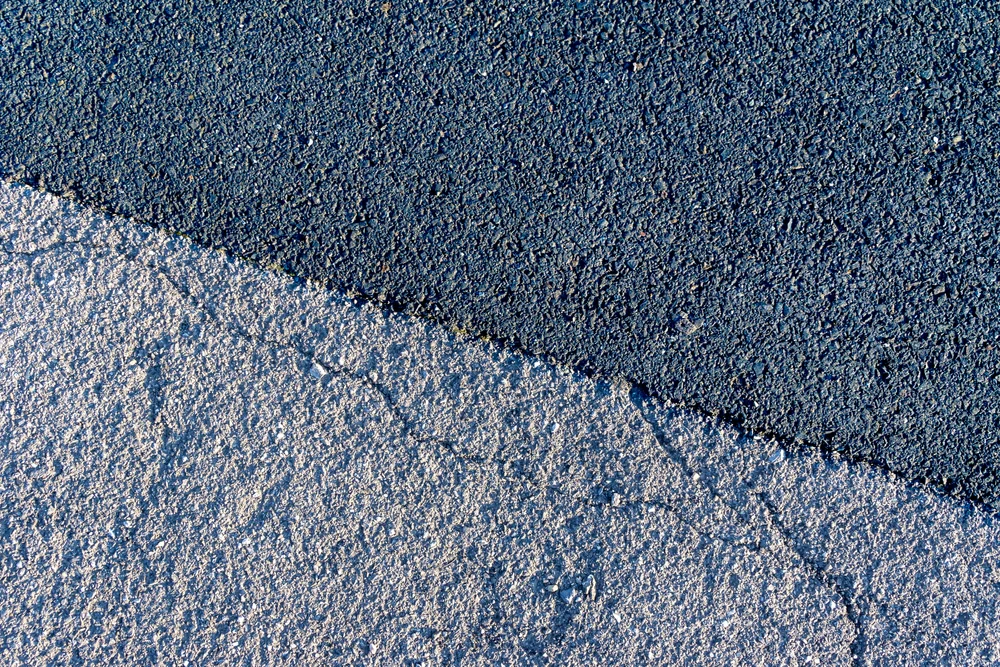
Asphalt cracks from four main causes: water infiltration, freeze-thaw cycles, poor base preparation, and normal aging. In Warrington’s climate, water is the biggest enemy. It seeps into tiny cracks, freezes during winter, expands, and tears the pavement apart. This cycle repeats every winter, turning small cracks into major damage.
Poor installation accelerates cracking. Inadequate base preparation causes settling. Thin asphalt layers lack the strength to resist stress. Improper drainage lets water pool and penetrate. These installation shortcuts show up as premature cracking, often within the first few years.
Prevention starts with quality installation—proper base depth, adequate asphalt thickness, and correct drainage grading. After installation, maintenance is critical. Sealcoating every 2-3 years creates a waterproof barrier that prevents moisture penetration. Filling small cracks immediately stops them from spreading.
Temperature extremes stress asphalt too. Pennsylvania summers can hit 100°F with high humidity, while winters bring sub-zero wind chills. Quality asphalt mixes handle these swings better than cheap materials. Regular maintenance helps any asphalt withstand temperature stress longer. Ignoring small cracks guarantees they’ll become big problems—water infiltration accelerates exponentially once cracks reach a certain width.
Other Services we provide in Warrington