
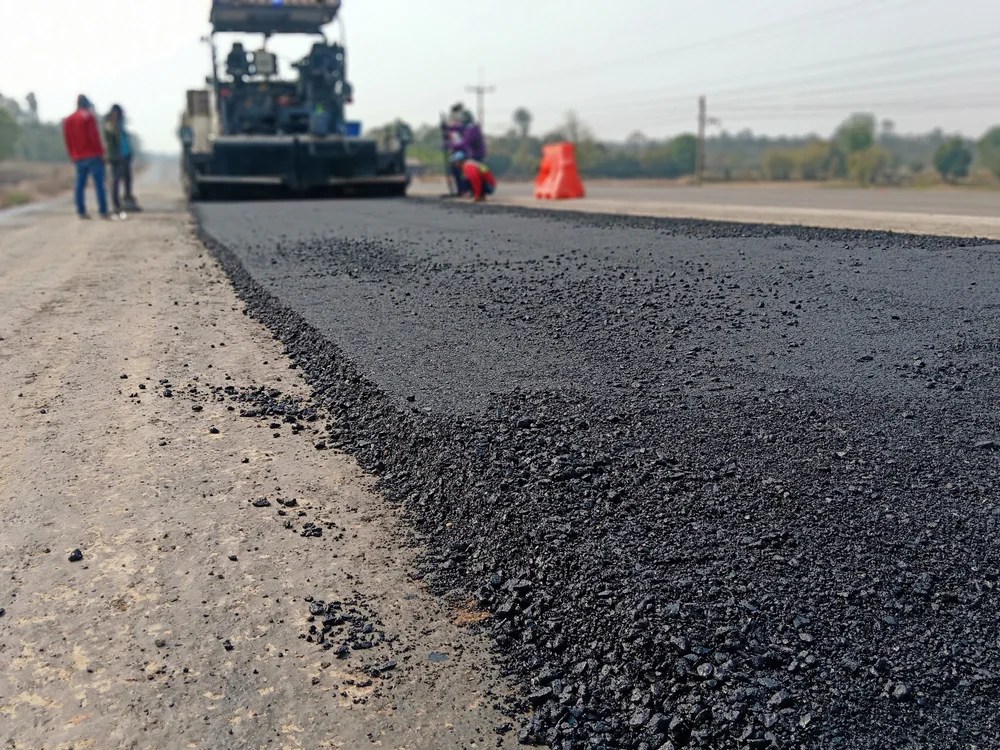
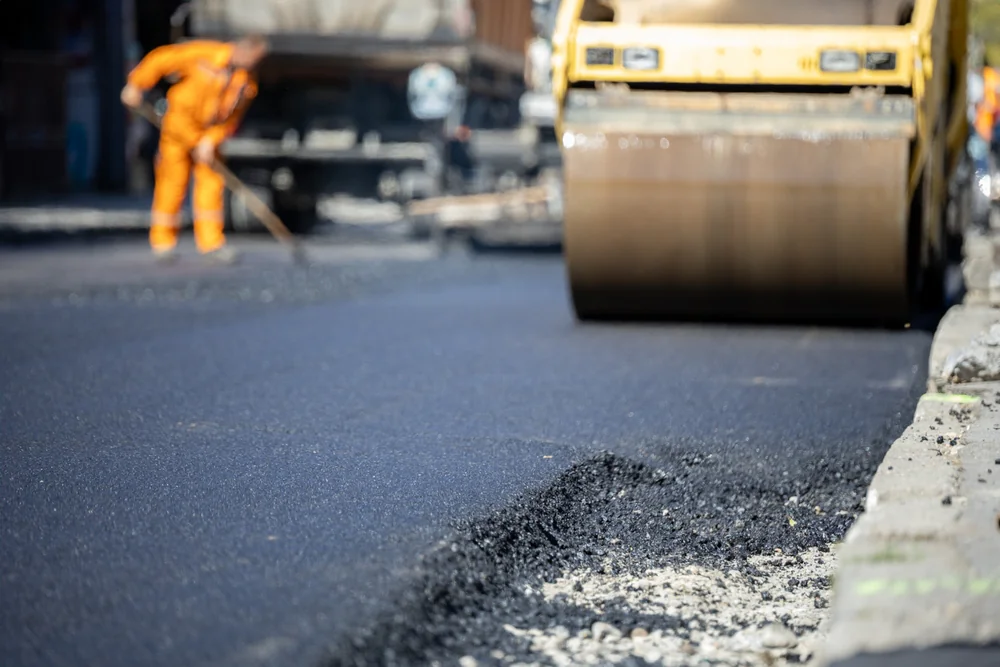
Your driveway shouldn’t crack after one winter. Your parking lot shouldn’t pool water every time it rains. And you shouldn’t have to chase down your contractor six months later when something goes wrong.
When asphalt is installed correctly—with proper base prep, the right thickness for Clinton’s freeze-thaw cycles, and attention to drainage—it holds up. You get a surface that handles traffic, sheds water, and doesn’t need constant patching. That’s what matters.
The difference shows up in year three, not day three. Proper grading means water flows away from your foundation. A compacted base means the surface doesn’t settle into ruts. And when the crew takes time to do it right, you’re not dealing with premature cracking or edge failures that cost more to fix than they would’ve cost to prevent.
We’ve been doing this since 1948. That’s not a typo. Decades of experience across residential driveways, commercial parking lots, and industrial projects throughout Hunterdon County and the surrounding areas.
We operate with a straightforward approach: one crew, one job at a time, full attention on your project until it’s done. No juggling multiple sites. No rushing to the next job. We treat every client the same way—whether it’s a small driveway in Clinton or a large commercial lot—because reputation matters more than shortcuts.
Clinton homeowners deal with harsh winters, heavy snow, and the kind of freeze-thaw cycles that destroy poorly installed asphalt. We understand what works here. We’ve seen what fails and what lasts, and we apply that knowledge to every project.
First, the site gets assessed. That means looking at drainage, grading, soil conditions, and how water currently moves across your property. If there’s an existing surface, it gets evaluated to determine whether it needs full removal or if an overlay will work.
Next comes base preparation. This is where most problems start if it’s done wrong. The base gets excavated to the right depth, graded properly, and compacted thoroughly. Shortcuts here lead to settling, cracking, and premature failure. We don’t skip this step.
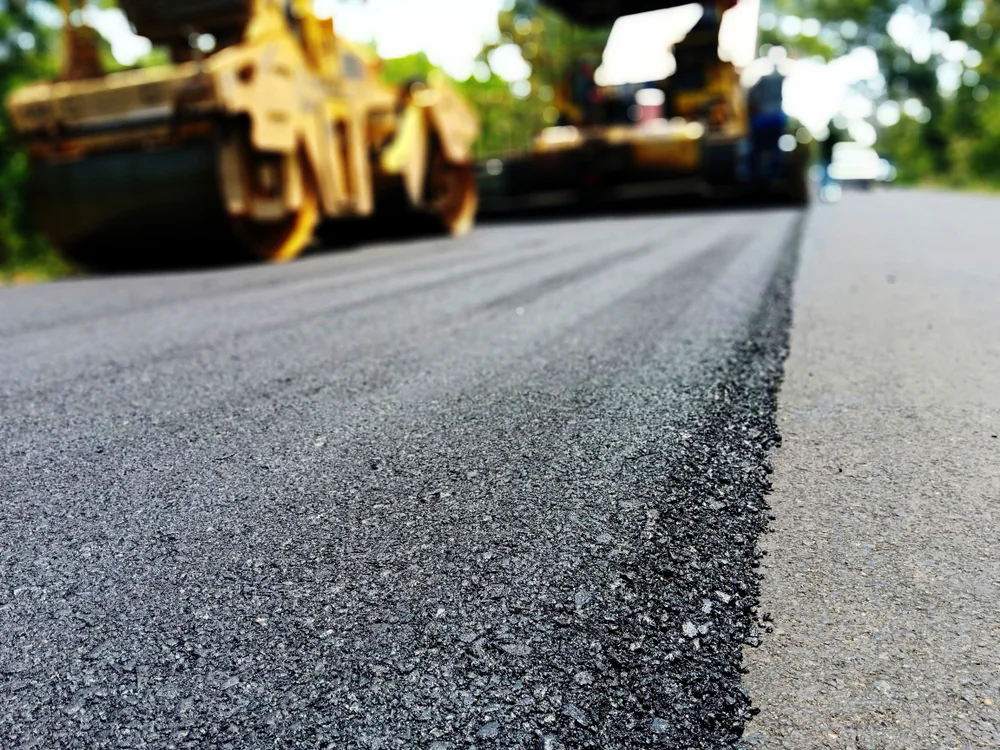
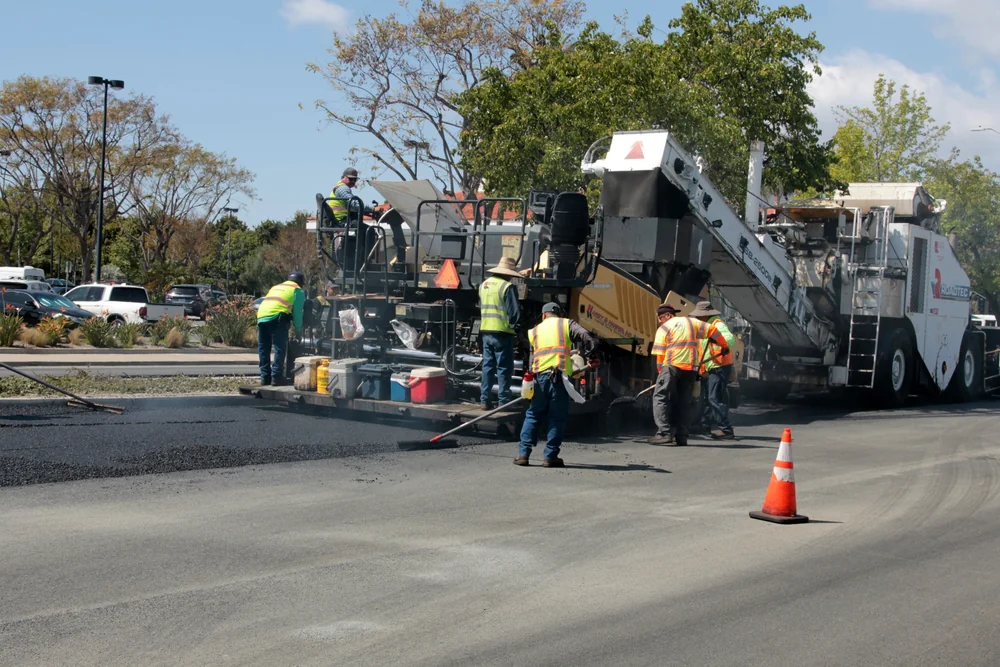
Then the asphalt gets installed at the correct thickness for your specific use—residential driveways need different specs than commercial parking lots. The material is laid hot, compacted properly, and finished with attention to edges and transitions. You’re told exactly when you can drive on it and what to expect during the curing process.
Finally, you get a walkthrough. Any questions get answered. You know what maintenance looks like and when to schedule sealcoating down the road. No surprises, no confusion.
Ready to get started?
We handle residential driveways, commercial parking lots, and industrial paving projects across Clinton and Hunterdon County. Services include new paving installation, overlays, asphalt repair, sealcoating, crack filling, line striping, and grading work.
For residential projects, that means driveways designed to handle Clinton’s winters—proper drainage to prevent ice buildup, thickness appropriate for vehicle weight, and edges that won’t crumble after the first snowplow pass. Homeowners also get access to senior and military discounts, plus first-time customer offers.
Commercial clients get parking lots built to handle heavy traffic, proper water management to avoid ponding, and line striping that meets local codes. Industrial projects include large-scale paving, site work, and custom solutions for unique property challenges.
Clinton’s climate demands specific considerations. The town sees 40 to 50 inches of snow annually, and winter temperatures regularly drop well below freezing. Asphalt needs to flex with temperature changes without cracking. That requires quality materials, proper installation, and contractors who understand how northern New Jersey weather impacts pavement. Concrete might look appealing, but it cracks and heaves in this climate. Asphalt repairs easier, costs less, and lasts longer when installed correctly.
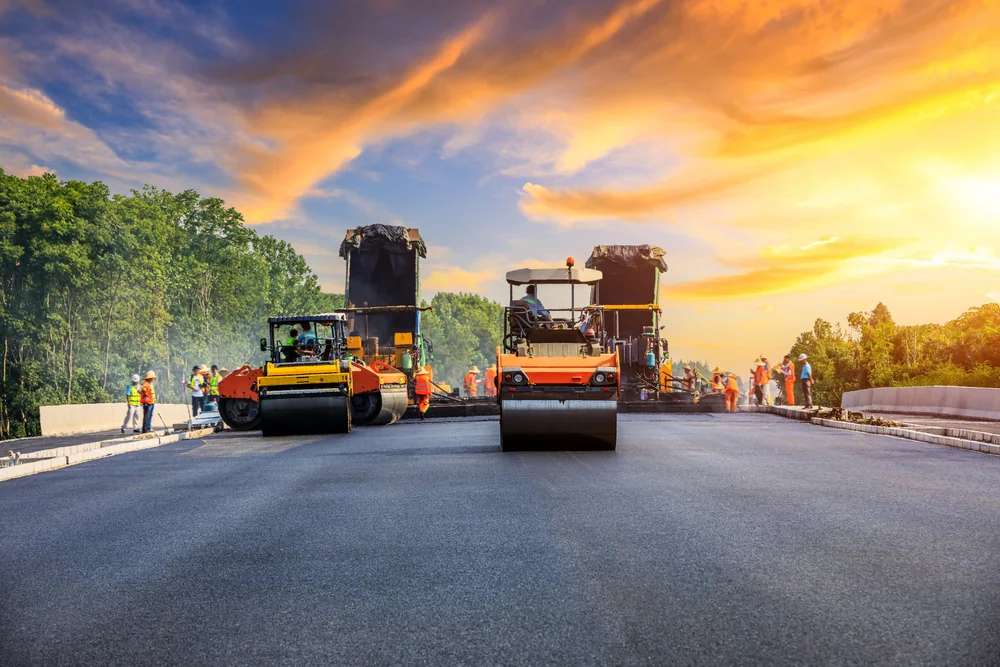
Most residential driveways in Clinton take one to three days from start to finish, depending on size and site conditions. Day one usually involves removing the old surface (if needed) and preparing the base. Day two covers asphalt installation. If weather cooperates and the project is straightforward, smaller driveways can be completed in a single day.
The timeline changes if you need significant grading work, drainage improvements, or if the existing base has failed and needs rebuilding. Larger commercial projects take longer—parking lots might need a week or more depending on square footage and complexity.
You can typically drive on new asphalt within 24 to 48 hours, but full curing takes longer. Avoid sharp turns with your steering wheel locked for the first few weeks, especially during hot weather when the surface is more pliable.
An overlay means adding a new layer of asphalt on top of your existing surface. It works when the current base is still solid and the damage is mostly surface-level—minor cracking, fading, or wear. Overlays cost less because there’s no demolition or base work required.
Full replacement involves tearing out the old asphalt, addressing any base issues, and installing new material from the ground up. You need this when the base has failed, when there’s extensive alligator cracking, or when drainage problems have compromised the foundation. Trying to overlay a failed base just postpones the inevitable and wastes money.
A good contractor will tell you honestly which option makes sense. If the base is shot, an overlay is just expensive temporary cosmetics. If the base is sound, full replacement is overkill. We assess each property individually and recommend what actually makes sense for your situation and budget.
Asphalt paving in New Jersey typically runs $8 to $12 per square foot for residential driveways, including excavation and proper base work. A standard two-car driveway (roughly 20 by 40 feet) usually costs between $6,400 and $9,600, depending on site conditions and specifications.
Several factors affect price: whether you need full removal or just an overlay, how much grading and drainage work is required, the thickness of asphalt needed, accessibility of your property, and whether permits are required. Some Clinton properties need more extensive base prep due to soil conditions or poor drainage, which increases costs but prevents future problems.
Commercial parking lots run on similar per-square-foot pricing but often involve additional costs for line striping, curbing, and more complex drainage systems. The cheapest quote isn’t always the best value—underbidding usually means corners get cut on base prep or asphalt thickness, which leads to premature failure and higher long-term costs.
Asphalt cracks for several reasons: freeze-thaw cycles, water infiltration, poor base preparation, insufficient thickness, or simply age. In Clinton, winter is the main culprit. Water seeps into small cracks, freezes, expands, and makes the cracks worse. This cycle repeats every winter until small hairline cracks become major problems.
Prevention starts with proper installation—adequate base depth, correct compaction, appropriate asphalt thickness, and good drainage. Water is asphalt’s biggest enemy. If water can’t drain away properly, it undermines the base and accelerates deterioration.
Sealcoating every two to three years adds a protective layer that keeps water out and extends pavement life. Addressing small cracks immediately with quality crack filler prevents them from spreading. Regular maintenance costs far less than premature replacement. Most properly installed asphalt driveways in this climate should last 15 to 25 years with reasonable care.
Yes, sealcoating protects your asphalt from UV damage, water infiltration, oil spills, and general wear. It’s not just cosmetic—it genuinely extends pavement life by creating a barrier against the elements that break down asphalt.
Wait at least six months to a year after new installation before applying the first sealcoat. Fresh asphalt needs time to cure fully. After that, reapply every two to three years depending on traffic and weather exposure. Driveways with heavy use or direct sun exposure might need more frequent applications.
Timing matters. Sealcoat during warm, dry weather—ideally when temperatures will stay above 50 degrees for at least 48 hours. Avoid applying it right before rain or during fall when temperatures drop unpredictably. Spring and summer are usually best in Clinton. The process takes a few hours, and you’ll need to stay off the surface for 24 to 48 hours while it cures.
Start with licensing and insurance. Any legitimate contractor should carry proper liability coverage and workers’ compensation. Ask to see proof—it protects you if something goes wrong on your property.
Look for local experience, not just years in business. Contractors who work regularly in Clinton understand the specific challenges here—soil conditions, drainage patterns, winter weather impacts. Check references and reviews, but focus on recent projects similar to yours.
Get detailed written estimates that break down costs: demolition, base work, asphalt thickness, drainage improvements, and any extras. Vague quotes lead to surprise charges later. Ask about the process, timeline, and what happens if weather delays the project.
Avoid contractors who pressure you to decide immediately, offer prices dramatically lower than competitors, or can’t explain their process clearly. Quality work costs what it costs—extreme lowball bids usually mean shortcuts that lead to premature failure. A good contractor treats your project like it matters, answers questions directly, and doesn’t disappear after the check clears.
Other Services we provide in Clinton