
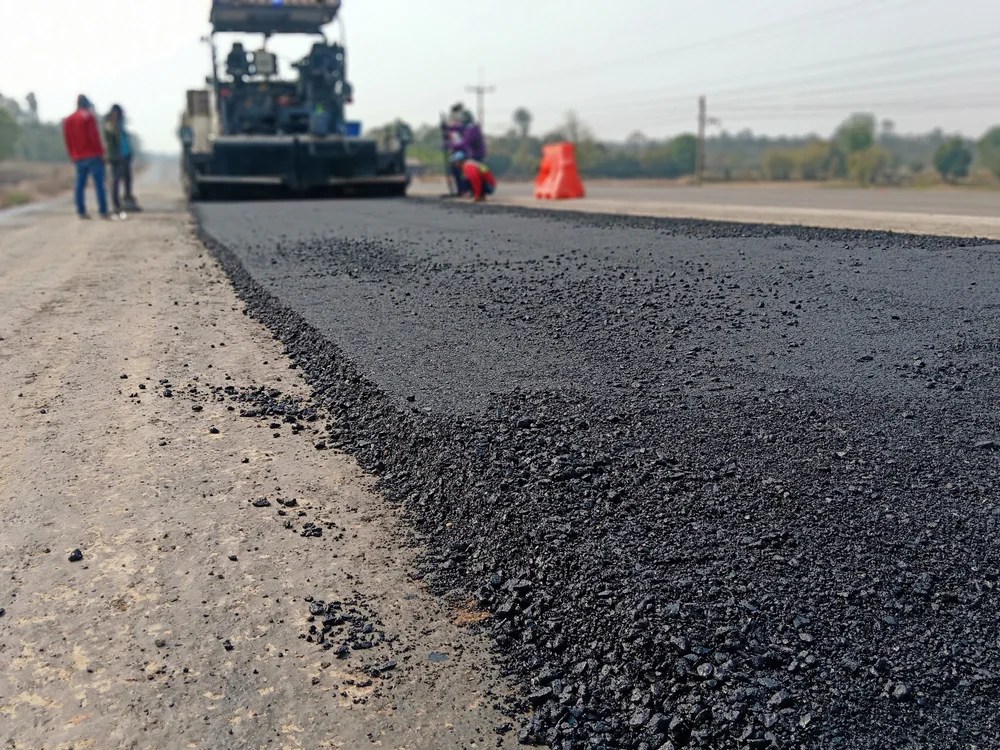
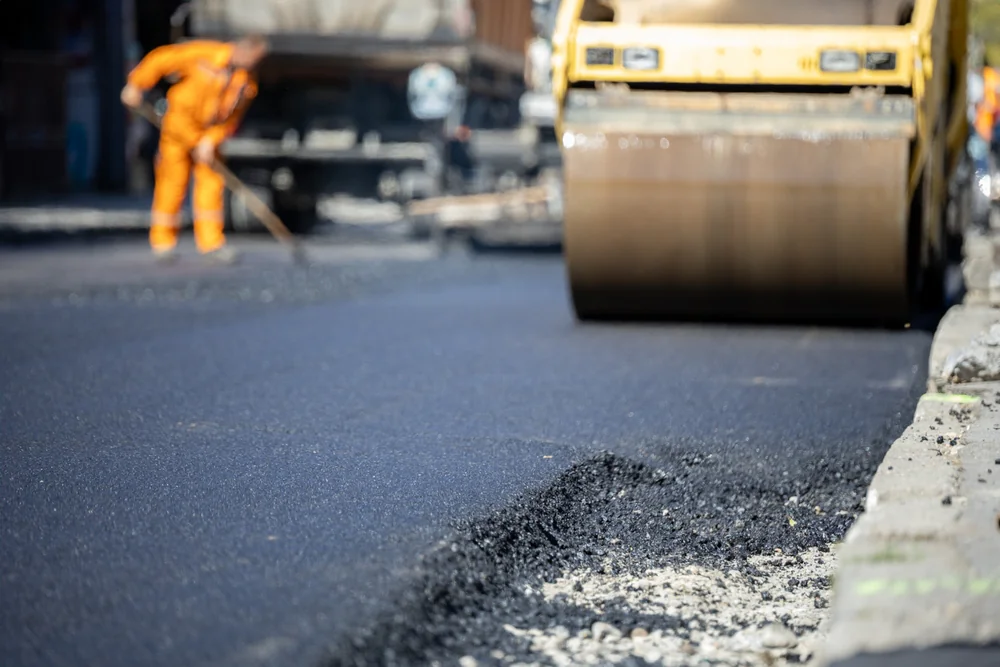
You’re not just paying for fresh asphalt. You’re investing in a surface that won’t crack apart after one winter, a driveway that actually drains water instead of pooling it by your foundation, and a parking lot that doesn’t embarrass your business or cost you customers.
When the work is done right from the start, you’re not calling someone back in two years to fix what should’ve lasted ten. The base gets compacted properly. The grading moves water where it needs to go. The asphalt goes down at the right thickness for your specific use.
That means fewer repairs, less maintenance headaches, and a surface that actually holds up to what Franklin weather throws at it. Your property looks better, functions better, and you’re not wondering if you got taken advantage of.
We’ve been handling paving projects in Franklin and throughout New Jersey with roots in the industry going back to 1948. That’s not a marketing line—it’s three generations of learning what works and what doesn’t when you’re dealing with this region’s freeze-thaw cycles and heavy weather.
Our approach is straightforward. We work on your project and your project alone until it’s finished. No jumping between five jobs, no rushing to get to the next one. Whether it’s a residential driveway or a commercial parking lot, you get the same level of attention and the same commitment to doing it right.
Franklin property owners deal with enough—winter damage, drainage issues, surfaces that crack too soon because someone cut corners. You need a paving contractor who understands local conditions and treats your property like it matters, because it does.
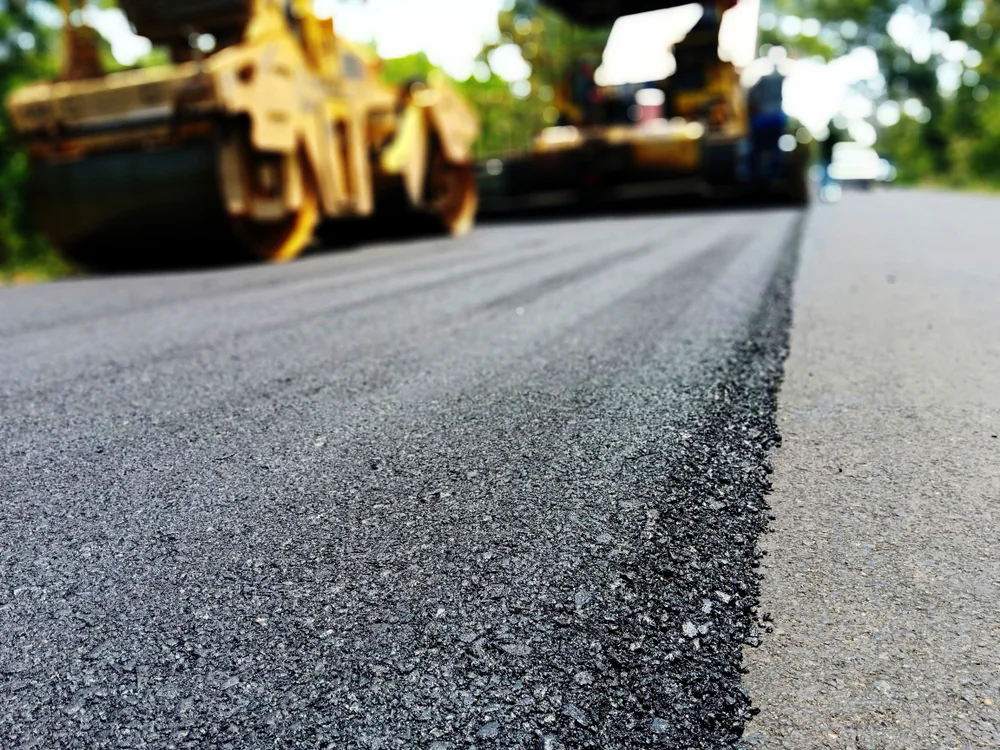
First, we evaluate the site—not just measure it, but actually assess it for drainage, base condition, and any issues that’ll cause problems down the road. You get a clear explanation of what needs to happen and why, along with straightforward pricing that doesn’t mysteriously inflate once work starts.
Before any asphalt goes down, we prepare the base properly. That might mean adding gravel, adjusting grades for water flow, or addressing soft spots that would cause settling. This is the part that matters most and the part too many contractors skip because you can’t see it when they’re done.
Once the base is solid and properly compacted, the asphalt installation happens with the right thickness for your specific situation. A residential driveway doesn’t need the same specs as a commercial parking lot that handles delivery trucks. After installation, you get clear guidance on curing time and when you can use the surface normally. No guessing, no assumptions—just honest information so you can plan accordingly.
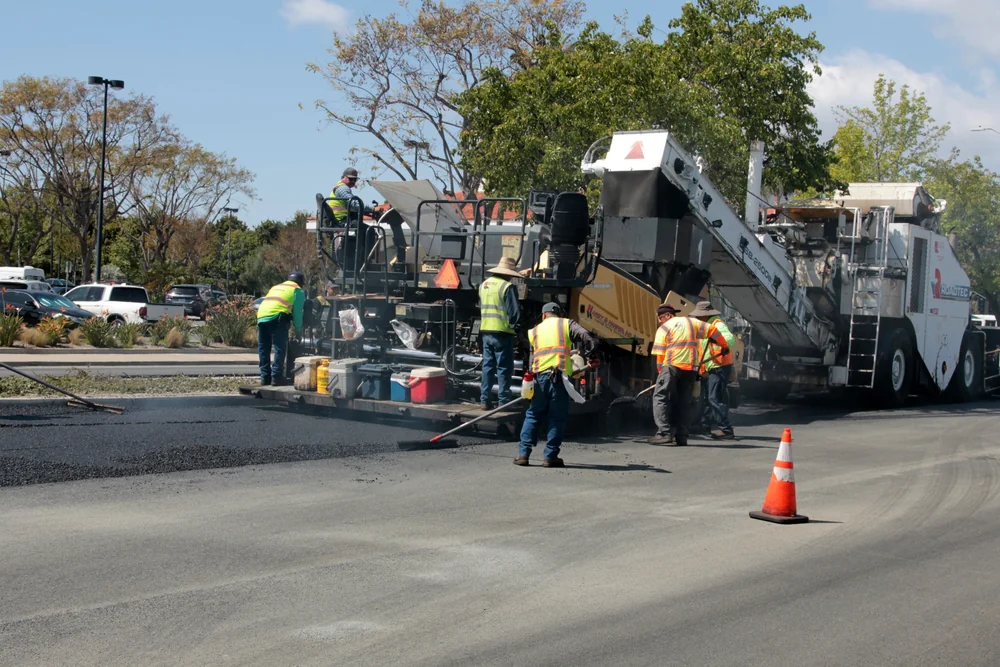
Ready to get started?
Every paving project in Franklin needs to account for local conditions. This isn’t Florida or Arizona—you’re dealing with freeze-thaw cycles that can destroy poorly installed asphalt in just a couple of winters. That means proper base preparation isn’t optional, it’s required.
Your project includes site evaluation and grading to handle water management, because standing water is asphalt’s enemy. It includes base material and compaction that actually supports the weight your surface will carry. The asphalt itself goes down at appropriate thickness—residential driveways typically need 2-3 inches, while commercial parking lots handling heavier vehicles require more.
Franklin sits in Sussex County, where winter weather hits hard and summer heat can be brutal on asphalt. Our installation process accounts for that. Timing matters too—asphalt needs specific temperature conditions to cure properly, which is why we plan around weather windows rather than just showing up whenever. You also get honest guidance on maintenance, including when sealcoating makes sense to protect your investment from UV damage, water infiltration, and the salt and chemicals that come with New Jersey winters.
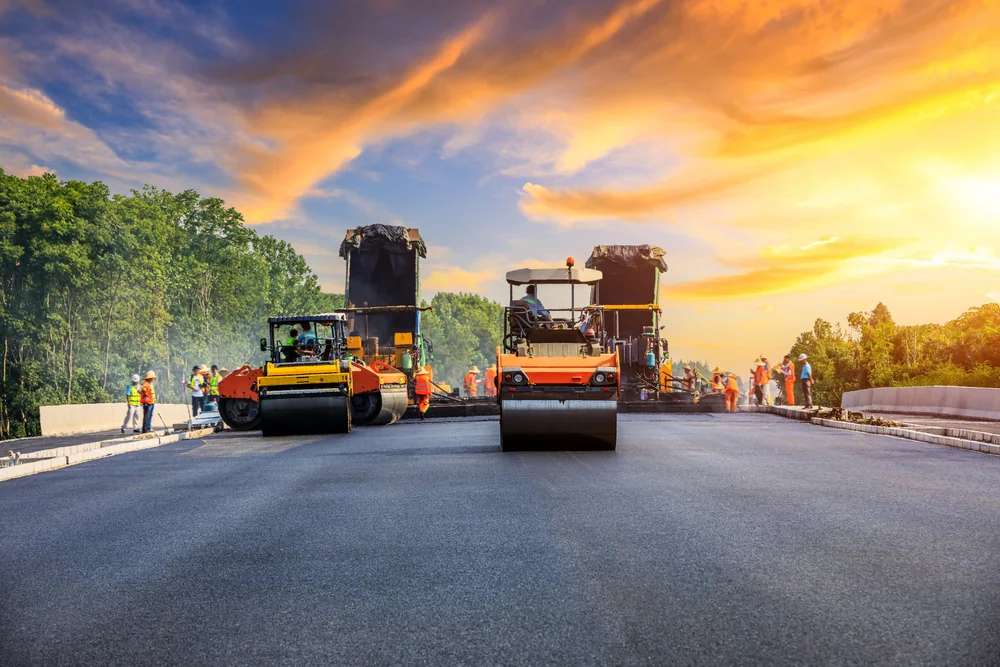
A well-installed asphalt driveway in Franklin should last 20-30 years with proper maintenance. That’s assuming the base was prepared correctly, the asphalt was laid at appropriate thickness, and you stay on top of basic upkeep like sealcoating every few years.
The key word there is “properly installed.” If someone skips base preparation, uses thin asphalt, or doesn’t account for drainage, you might see problems in 5-7 years instead. New Jersey’s freeze-thaw cycles are brutal on asphalt, so any shortcuts during installation come back to haunt you fast.
Maintenance matters too. Sealcoating every 2-3 years protects against UV damage, water penetration, and the salt and chemicals used on roads during winter. Filling cracks when they’re small prevents them from turning into bigger problems. Think of it like changing your oil—skip it and you’ll pay more later.
Resurfacing means adding a new layer of asphalt over your existing surface. It works when your base is still solid but the top layer is worn, faded, or has minor cracking. It’s less expensive and faster than full replacement—usually about half the cost.
Full replacement means tearing everything out and starting from scratch. You need this when the base has failed, when you have major structural issues like deep potholes or significant settling, or when the existing asphalt is too damaged to support a new layer. If water has gotten under the surface and compromised the base, resurfacing just covers up a problem that’ll come right back.
An honest contractor will tell you which one you actually need. Some situations are borderline—the driveway could limp along with resurfacing, but replacement would be smarter long-term. That’s where experience matters, because someone who’s been doing this for decades in Franklin knows what holds up and what doesn’t in this climate.
For a standard two-car driveway in Franklin (roughly 600 square feet), you’re typically looking at $4,200 to $9,000 for full installation. That’s based on current asphalt pricing of $7-$15 per square foot, which includes materials and labor.
But here’s what affects that number: the condition of your existing surface, how much base work is needed, accessibility for equipment, and whether you need drainage solutions. If your driveway is on a slope, has poor drainage, or the base needs significant work, costs go up. If it’s a straightforward replacement with good access and minimal prep, you’ll land toward the lower end.
Be careful with quotes that seem too good to be true—they usually are. Low bids often mean thin asphalt, skipped base preparation, or surprise charges once work starts. A detailed quote should break down what’s included: removal and disposal of old material if needed, base preparation and grading, asphalt thickness, and any drainage work. If someone gives you a price without even looking at the site, that’s a red flag.
Late spring through early fall is your window—typically May through September in Franklin. Asphalt needs warm, dry conditions to cure properly. You’re looking for consistent temperatures above 50°F and at least 24-48 hours without rain in the forecast.
Summer is ideal because you get the warmest temperatures and most predictable weather, but it’s also the busiest season for paving contractors. Spring and early fall can work great if you hit the right weather window, and you might have more scheduling flexibility. Winter paving is generally a bad idea—cold temperatures prevent proper curing and you’ll end up with problems.
Weather can be unpredictable in New Jersey, so we watch forecasts closely and communicate if conditions aren’t right. It’s frustrating when a project gets delayed, but it’s better than having asphalt that doesn’t cure properly and fails prematurely. We’re willing to reschedule for better weather because we’re looking out for your long-term results, not just trying to get the job done and move on.
Usually yes, especially if you’re doing new construction or significantly changing the size or layout of your driveway. Franklin requires permits for most paving work, and we handle that process for you.
Permit requirements typically cover things like setbacks from property lines, drainage plans, and connection to the street (the apron). If you’re in a homeowners association, you’ll likely need their approval too. Skipping permits might seem like a way to save money or time, but it can cause serious problems if you try to sell your property later or if a neighbor complains.
We build permit costs and timing into the project from the start. We know what Franklin requires, we have the relationships with the building department, and we make sure everything is done by the book. If someone offers to skip permits to save you money, that’s a warning sign about what other corners they might cut.
Look at the size and depth of the damage. Small cracks (less than 1/4 inch wide) and minor surface wear can usually be repaired with crack filling and sealcoating. If you’re seeing large cracks, potholes, significant settling, or areas where the asphalt is crumbling, you’re likely looking at bigger work.
The real question is what’s happening underneath. If water has gotten under the surface and damaged the base, or if you have widespread alligator cracking (looks like reptile skin), repairs are just temporary Band-Aids. You can patch a pothole, but if the base is failing, you’ll have another pothole next to it soon.
Age matters too. If your asphalt is over 20 years old and showing multiple issues, replacement usually makes more financial sense than trying to patch it back together. We can assess the base condition and give you an honest evaluation. Sometimes the answer is “you could repair it now and get another few years, but replacement is coming either way.” That helps you make an informed decision based on your budget and timeline rather than getting sold something you don’t need yet.
Other Services we provide in Franklin