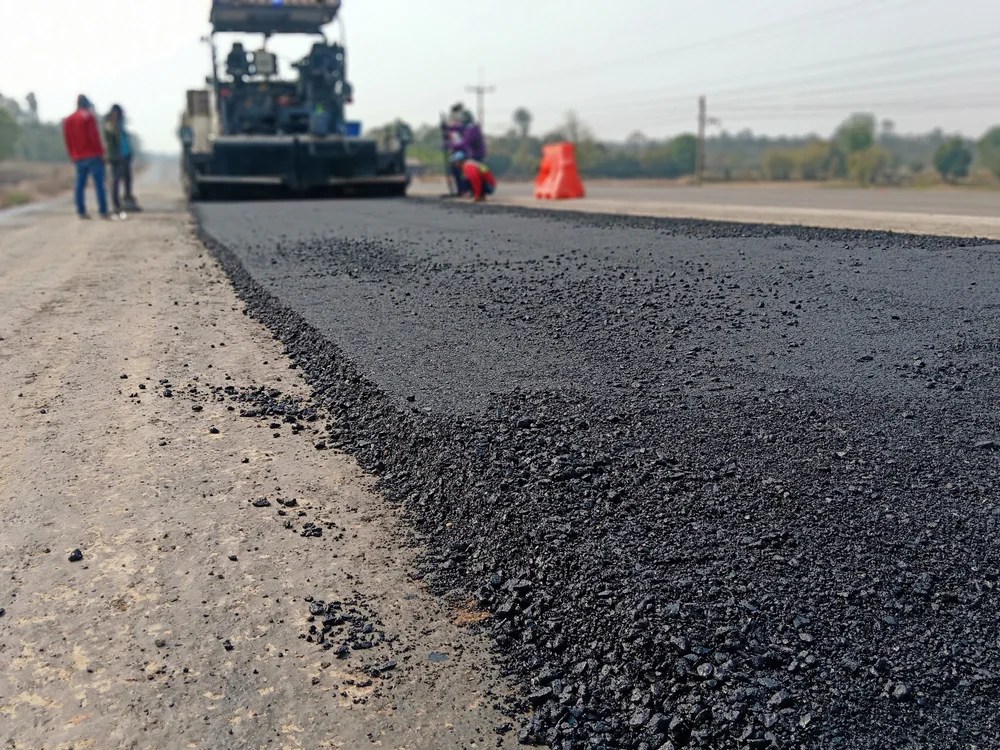
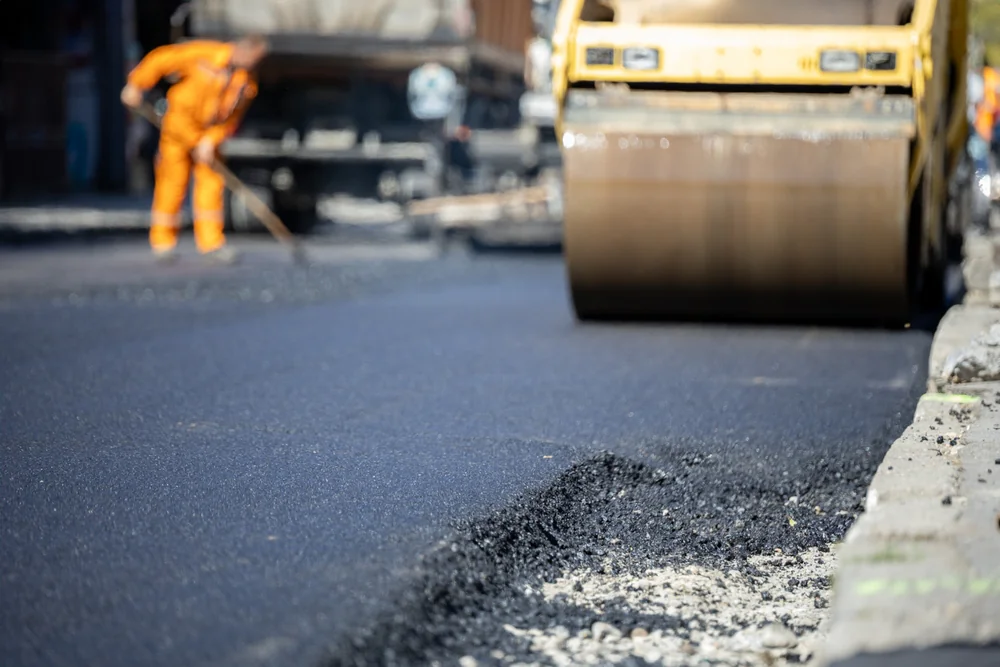
Most driveways in Groveville don’t fail because asphalt is a bad material. They fail because whoever installed them cut corners where you couldn’t see it a thin base, skipped compaction, no drainage plan. You don’t notice it the first year. By year three, you’ve got cracks. By year five, you’re calling someone to repave the whole thing.
Groveville sits at the southern edge of Hamilton Township, right along Crosswicks Creek. That low-lying terrain means water has somewhere to go and if your driveway isn’t graded and drained correctly, it’s going toward your foundation. A properly installed asphalt surface doesn’t just look better. It actively moves water away from your home, holds up through repeated freeze-thaw cycles, and doesn’t need to be replaced every decade.
When the base is right, the drainage is right, and the materials are right, a driveway in Groveville can last 25 years or more. That’s the difference between a one-time investment and a recurring expense. We recommend sealcoating every two to three years it adds another layer of protection and costs a fraction of what a premature replacement would.
We’re based in Ringoes, NJ, and have been serving Mercer County including Hamilton Township and Groveville for decades. Our family’s roots in the paving industry go back to 1948. That’s not a tagline. It means the people doing your job have watched driveways succeed and fail across multiple generations of New Jersey winters, and we know exactly why.
Owner Mark Harrison personally assesses every project. He measures accurately, identifies drainage issues before work begins, and gives you a straight answer about what your property actually needs whether that’s a full replacement, a repair, or just a sealcoat. No upselling. No vague estimates that balloon after the crew shows up.
With over 25,000 completed jobs and five-star reviews on Angi and HomeAdvisor, our track record speaks for itself. Groveville is a small, tight-knit community around 3,100 people in just over two square miles. In a place that size, reputation matters. Ours has been built one honest job at a time.
It starts with a site visit. Mark comes out, walks the property, and takes accurate measurements not eyeballed estimates. He looks at your existing surface, checks the grade, and identifies any drainage issues that need to be addressed before a single inch of asphalt goes down. If there’s a problem with how water moves across your lot, you’ll know about it upfront, not after the job is finished.
From there, you get a clear, honest quote. If your project requires a permit and most driveway replacements in Hamilton Township do, especially if you’re changing the size or drainage patterns we handle that process. Hamilton Township requires a stone base inspection before the top layer is rolled. That means a township inspector has to sign off on the base before we finish the job. We know that process, we follow it, and we schedule around it so your project doesn’t stall.
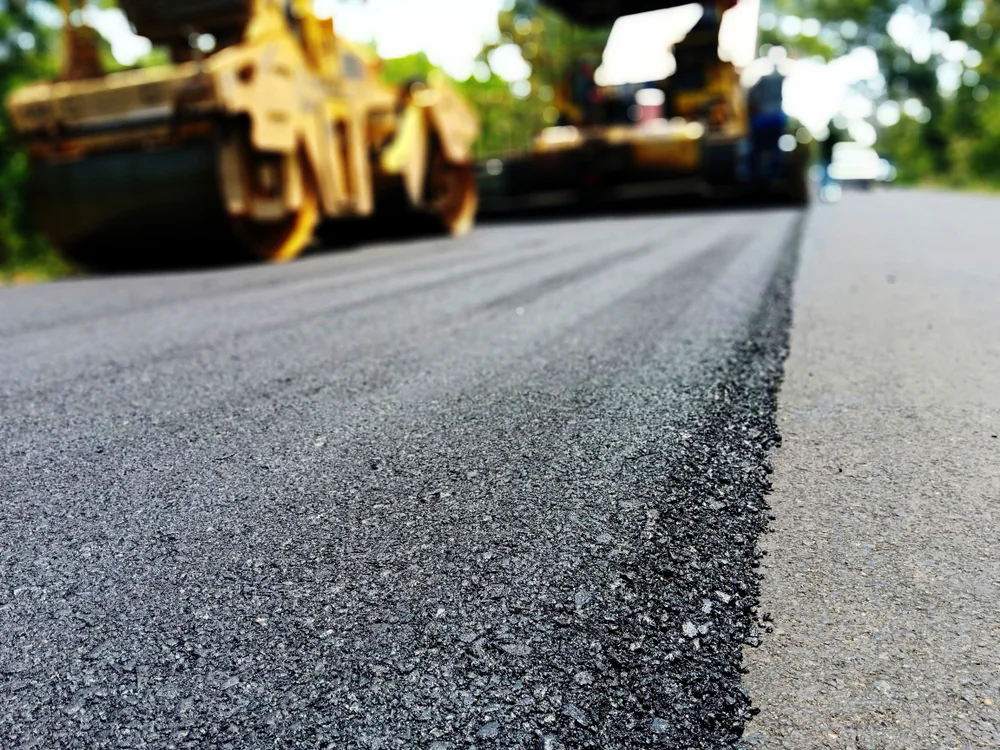
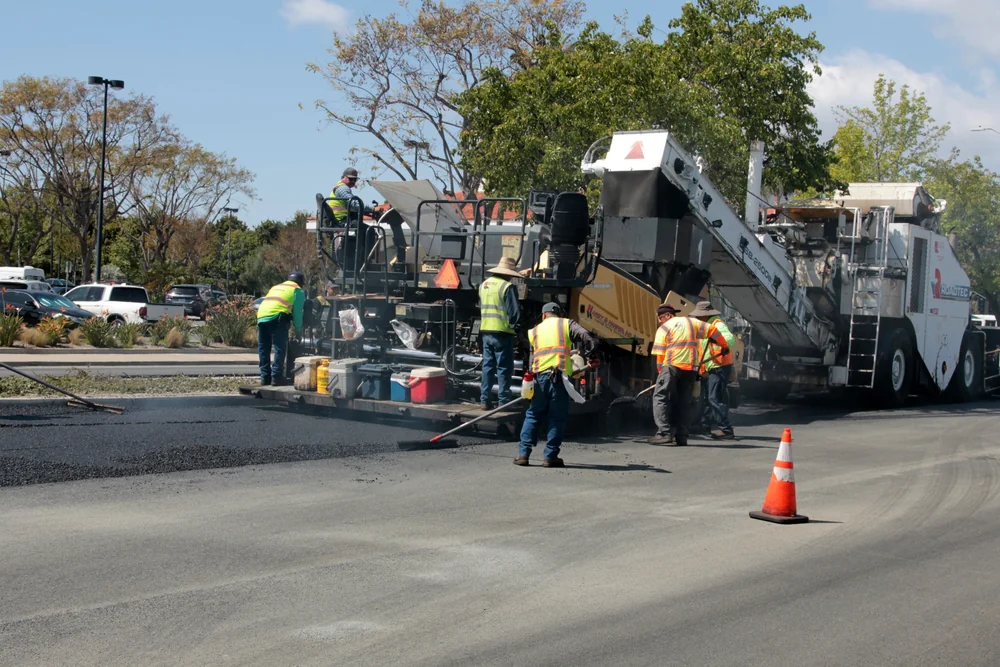
On installation day, our full crew is on your property start to finish. We don’t split attention across multiple jobs. The base gets built to Hamilton Township’s standard 4 inches of compacted stone, 2 inches of hot mix asphalt on top and everything is compacted and finished properly before we leave. Paving season in Mercer County runs April through November, and we won’t install asphalt in temperatures that prevent it from curing correctly.
Ready to get started?
Whether you need a new driveway installed from scratch, a worn-out surface replaced, or an existing driveway extended, we handle it. Residential driveway installation and replacement is the core of what we do and every job in Groveville is built to Hamilton Township’s specifications: 2 inches of compacted hot mix asphalt over 4 inches of compacted stone, with a concrete apron at the street connection and tack coat applied at all overlay limits. Stone and gravel driveways aren’t permitted in Hamilton Township, so if you’re replacing an older surface, blacktop is the standard.
Beyond installation, we offer crack repair, asphalt sealcoating, and full resurfacing for driveways that have some life left but need attention before the next winter hits. Sealcoating is the single most cost-effective thing you can do for an existing driveway in this climate it seals out water before it gets into the surface and freezes. For commercial properties along the Route 130 corridor or anywhere in Hamilton Township, we handle parking lot paving, line striping, and lot resurfacing with full knowledge of the township’s commercial paving and impervious surface requirements.
Water management and grading services are also available for properties where drainage is the underlying issue which, given Groveville’s proximity to Crosswicks Creek and its surrounding low-lying terrain, comes up more often here than in many other parts of Mercer County.
In most cases, yes. Groveville falls within Hamilton Township, and the township requires permits for driveway installations and replacements especially if you’re changing the footprint, size, or drainage configuration of the existing surface. One thing that catches homeowners in Groveville off guard is the mandatory inspection step: Hamilton Township requires a base inspection before the top layer of asphalt is rolled. That means a township inspector needs to approve the stone base before the job can be finished.
This isn’t optional, and skipping it creates real problems both legally and structurally. A contractor who doesn’t mention permits is either unfamiliar with Hamilton Township’s process or hoping you won’t ask. We handle the permit application and schedule around the inspection so the job moves forward without delays on your end. If you’re unsure whether your specific project requires a permit, we’ll tell you clearly during the estimate not after work has started.
A properly installed asphalt driveway in Mercer County can last 25 to 30 years. The key word is properly. New Jersey’s freeze-thaw cycles are relentless temperatures swing above and below freezing repeatedly throughout winter, and water that gets into even a small crack expands by roughly 9% when it freezes. That expansion exerts enormous pressure on the pavement from the inside. Do that dozens of times per season and you can see why a driveway with a thin or poorly compacted base fails fast.
The driveways that hold up are the ones built with a full 4-inch compacted stone base, correct drainage grading, and 2 inches of quality hot mix asphalt installed at the right temperature. After that, sealcoating every two to three years keeps water from penetrating the surface in the first place. A $400 sealcoat applied consistently is far less painful than a $6,000 replacement that comes five years too early because the base wasn’t done right or the surface was never sealed.
The honest answer is that it depends on what’s happening below the surface, not just what you can see on top. If you’ve got surface cracking, minor potholes, or fading, repair and sealcoating can extend the life of your driveway by years. But if the base has failed if you’re seeing widespread alligator cracking, areas that sink or shift underfoot, or sections that heave during winter and don’t settle back that’s a base problem, and no amount of patching or sealing fixes a bad base.
The other factor in Groveville specifically is drainage. If water is pooling on your driveway or running toward your garage or foundation, that’s often a grading issue that needs to be corrected at the base level, not just patched over. During the estimate, we’ll tell you honestly which situation you’re in. If repair is the right call, we’ll say so. We’re not going to sell you a full replacement when a repair will do the job.
Sealcoating fills in small surface voids and creates a protective barrier that keeps water, oil, and UV exposure from breaking down the asphalt binder. In New Jersey’s climate, the water protection is the most important part. Every winter, Mercer County gets multiple freeze-thaw cycles. If your surface isn’t sealed, water works its way into micro-cracks, freezes, expands, and widens those cracks a little more each time. Over a few seasons, what started as a hairline crack becomes a pothole.
A properly applied sealcoat slows that process significantly. It also restores the surface appearance and makes the driveway easier to clean. For most driveways in the Groveville area, we recommend sealing every two to three years not every year, because over-sealing can cause buildup and peeling. The timing matters too: sealcoating should be done in warmer months when temperatures are consistently above 50°F and rain isn’t expected for at least 24 hours after application. We’ll tell you when your driveway is ready and when it isn’t.
Paving season in Mercer County runs from approximately April through November. Asphalt needs to be installed when air and ground temperatures are above 50°F below that threshold, the material cools too quickly and can’t be properly compacted, which leads to premature cracking and surface failure. Late spring through early fall is the sweet spot, when temperatures are stable and the ground has thawed from winter.
Spring is when most homeowners in Groveville start calling winter damage becomes visible once the snow melts, and people want the work done before summer. That means scheduling fills up fast. If you’re planning a driveway replacement or new installation, getting on the calendar in early spring gives you the most flexibility. Fall is a good window for sealcoating before winter arrives. If a contractor is pitching you a paving job in late October or November, ask what the overnight temperatures are and make sure they can give you a straight answer about whether conditions are actually right for the work.
Yes we offer discounts for seniors, military members, and first-time customers. Groveville is a predominantly owner-occupied community, and a lot of the people we work with here have been in their homes for decades. For someone on a fixed income who’s been putting off a driveway replacement because the quotes keep coming in higher than expected, that discount is a real number off a real invoice not a token gesture.
If you’re active duty, a veteran, or a senior homeowner in the Hamilton Township area, just mention it when you call or when Mark comes out for the estimate. We’ll apply it to your quote. The same goes for first-time customers who haven’t worked with us before. The goal is straightforward: we want to earn your business with honest work at a fair price, and if a discount helps make that easier, it’s there for you to use.
Other Services we provide in Groveville