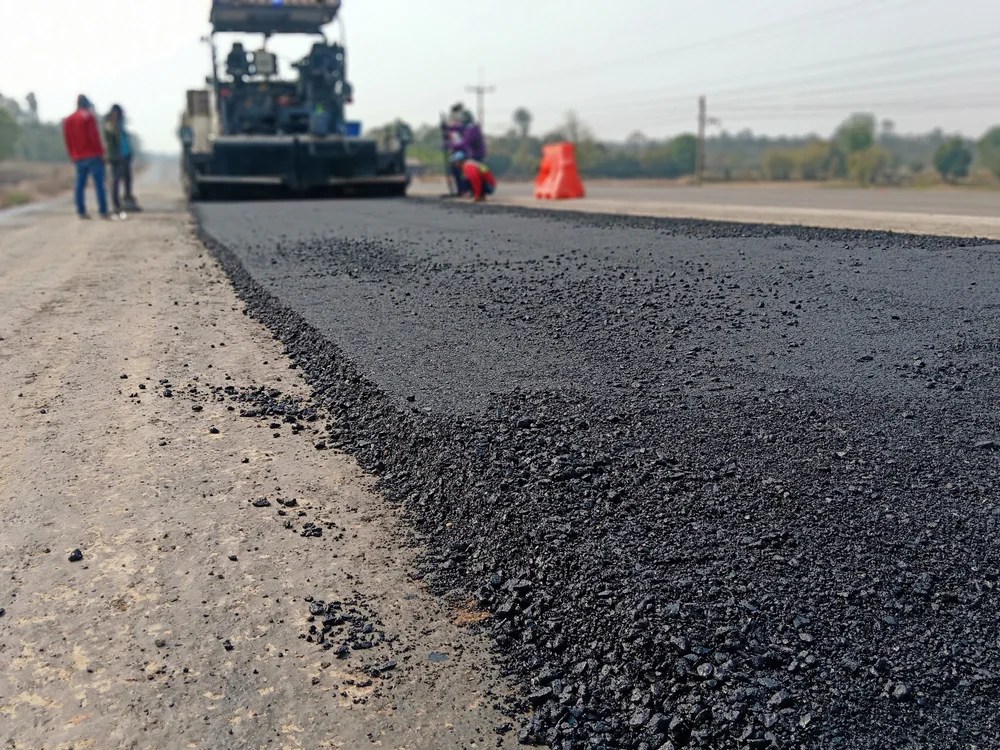
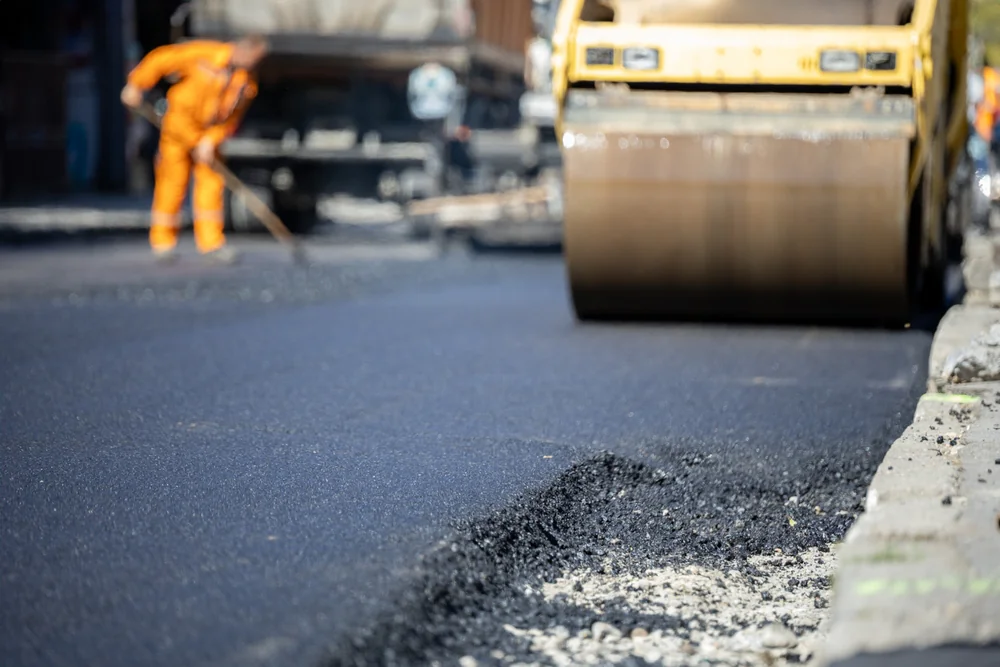
You’re not looking for the cheapest price. You’re looking for asphalt that doesn’t crack in two years or pool water every time it rains.
When your driveway or parking lot is installed correctly, you stop worrying about it. The surface drains properly. It holds up through freeze-thaw cycles. You’re not calling for repairs every season.
That’s what happens when base preparation isn’t skipped, when grading accounts for water flow, and when a crew focuses on your job instead of rushing to the next one. You get years of performance instead of years of problems.
We bring industry experience dating back to 1948—long before most paving companies in Mercerville even existed. That’s not just longevity. It’s proof.
We handle everything from residential driveways to complex commercial and industrial projects across Mercer County. What sets us apart isn’t just what we do—it’s how we do it. One job at a time, with our full crew’s attention on your property until it’s done right.
Mercerville homeowners and business owners deal with the same weather challenges: harsh winters, heavy spring rains, summer heat. We understand how those conditions affect asphalt longevity, and we build accordingly. We’re not a traveling crew that disappears after the job. We’re a local, established contractor with five-star reviews and a reputation built on treating every client like the top client.
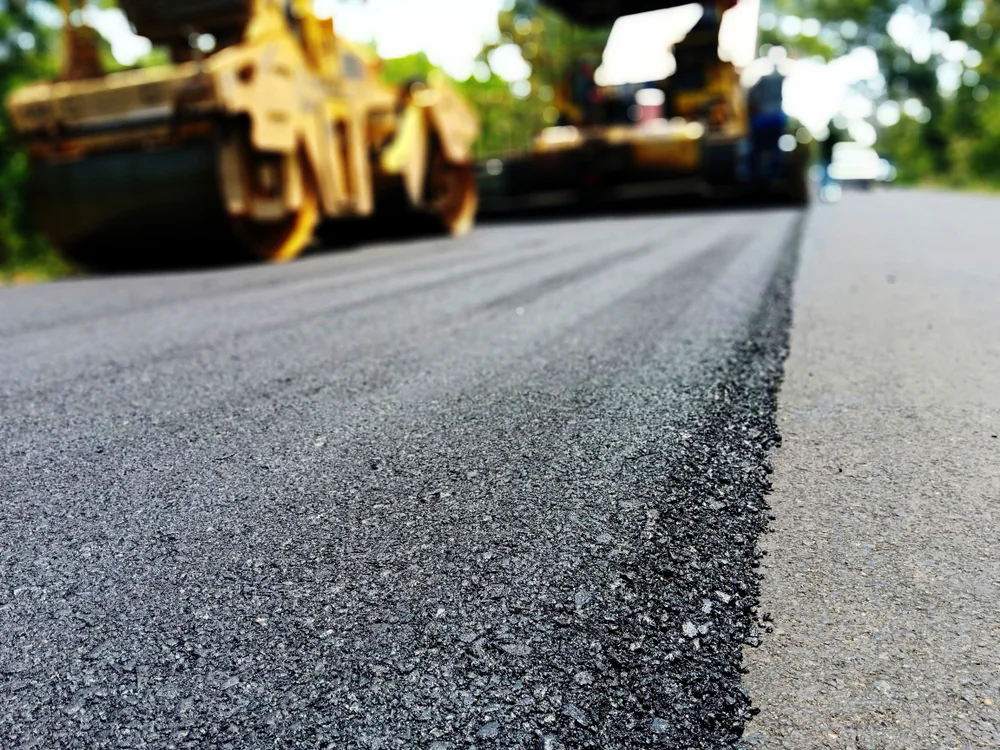
First, the existing surface comes out—old asphalt, concrete, whatever’s there. Demolition clears the space so you’re starting with a clean foundation, not paving over problems.
Next comes grading and sloping. This step determines where water goes when it rains. If water pools on your driveway or parking lot, it’s usually because this step was rushed or skipped. Proper grading means water runs off instead of sitting there, freezing, expanding, and cracking your asphalt.
Then the sub-base goes in. This is the most important layer you’ll never see. It’s compacted aggregate that provides stability and acts as a frost barrier during New Jersey winters. If the sub-base isn’t done right, nothing above it matters. The asphalt will crack, settle, or heave no matter how thick the top layer is.
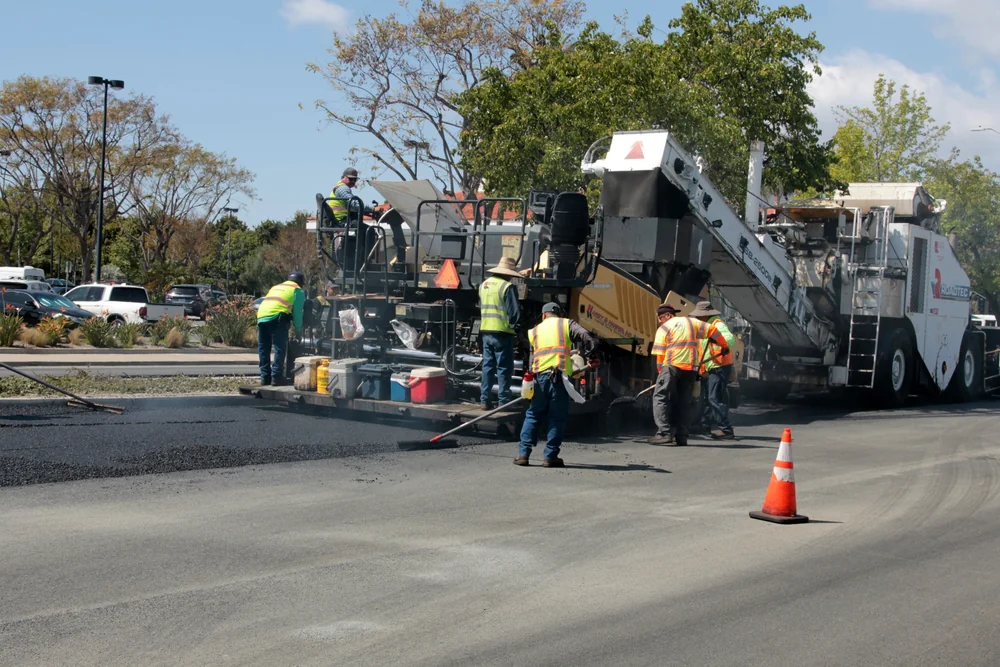
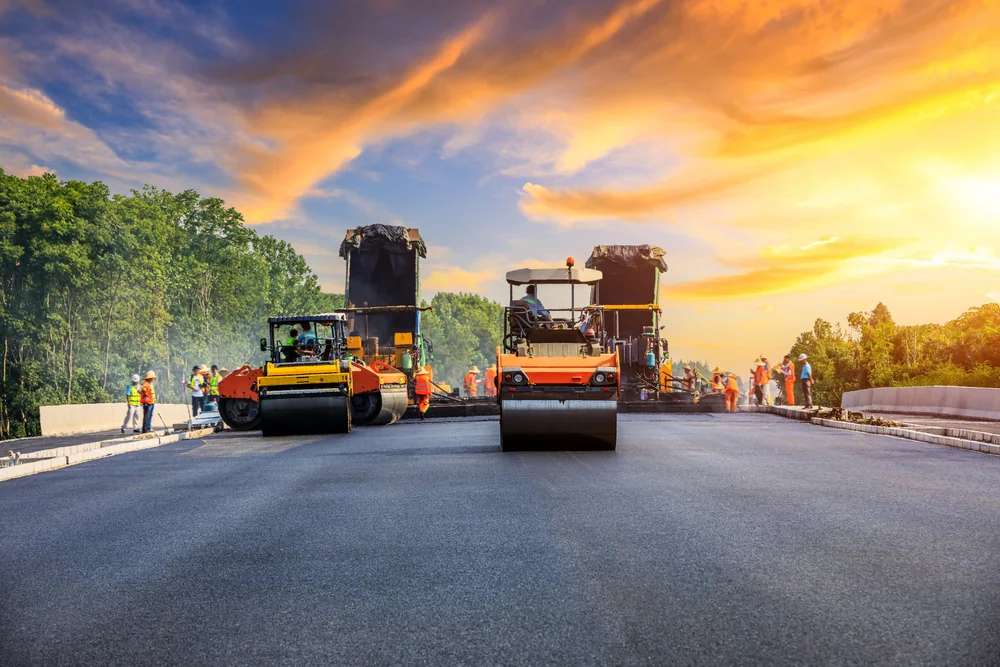
After the base is tested for strength, the binder and surface layers are installed while hot, then compacted with heavy rollers. This locks everything together and creates a smooth, durable surface. Where new asphalt meets existing surfaces, joints are sealed to prevent water infiltration. The result is a parking lot or driveway that handles traffic, weather, and time without falling apart.
Ready to get started?
We handle residential driveway paving, commercial parking lot installation, industrial site work, and water management solutions. Whether you’re a homeowner in Mercerville or a property manager overseeing multiple locations in Mercer County, our approach is the same: personalized service and attention to your property’s specific needs.
For residential projects, that means assessing your driveway’s drainage, understanding how your property slopes, and designing a solution that prevents water damage. For commercial work, it means coordinating schedules to minimize business disruption, ensuring ADA compliance, and building surfaces that handle heavy traffic loads.
Mercerville’s location in Mercer County means dealing with the area’s historic freeze-thaw cycles and significant seasonal rainfall. We account for these conditions in every project. Proper base thickness, appropriate compaction, and correct grading aren’t optional steps—they’re standard procedure. We also offer sealcoating services to extend asphalt lifespan, which is especially important in New Jersey’s climate where UV exposure and temperature swings accelerate wear.
Seniors, military members, and first-time customers receive specialized discounts. Transparent pricing means you know what you’re paying for before work begins—no surprise charges or hidden fees after the job is done.
Asphalt paving costs in Mercerville typically range from $5 to $15 per square foot, depending on the project scope, site conditions, and whether you need full removal and replacement or just resurfacing. A standard residential driveway usually falls between $4,700 and $12,000 for complete installation.
Several factors affect the final price. If your existing driveway needs to be removed, that adds demolition and disposal costs. If drainage issues need to be corrected or the base requires extra work due to poor soil conditions, that increases the scope. Thickness matters too—residential driveways typically need 2 to 3 inches of asphalt, while commercial parking lots often require 4 inches or more with a separate binder layer.
The cheapest quote isn’t always the best value. Some contractors cut corners on base preparation or use thinner asphalt to lower their price. That asphalt might look fine initially, but it’ll crack and fail much sooner. You end up paying more in repairs than you would have spent on proper installation from the start. We provide transparent estimates that break down what you’re actually getting—not just a bottom-line number.
Properly installed asphalt in New Jersey can last 25 to 30 years with regular maintenance. The key phrase is “properly installed.” New Jersey’s freeze-thaw cycles, temperature extremes, and heavy rainfall put serious stress on asphalt surfaces, so installation quality directly determines longevity.
The biggest threat to asphalt in Mercerville is water infiltration. When water seeps into cracks or through a poorly prepared base, it freezes during winter, expands, and causes more damage. This cycle repeats every year, accelerating deterioration. That’s why proper base preparation and drainage are so critical—they prevent water from getting where it shouldn’t be.
Maintenance extends lifespan significantly. Sealcoating every three to five years protects the surface from UV damage, water penetration, and chemical exposure from oil or salt. Filling cracks when they’re small prevents them from expanding into larger problems. Asphalt that’s maintained regularly can reach or exceed that 25 to 30-year range. Asphalt that’s neglected might need replacement in 10 to 15 years, even if it was installed correctly.
An asphalt overlay means adding a new layer of asphalt on top of your existing driveway or parking lot. Full replacement means tearing out the old surface completely and starting fresh with new base preparation and asphalt. Which one you need depends on the condition of what’s already there.
Overlay works when your existing asphalt is structurally sound but showing surface wear—minor cracking, fading, or rough texture. The old surface becomes part of the base for the new layer. This option costs less because there’s no demolition or disposal, and it’s faster to complete. However, if your current asphalt has major cracks, potholes, or drainage problems, an overlay just covers up the issues temporarily. The problems underneath will eventually show through the new layer.
Full replacement is necessary when the existing asphalt or base has failed. If you have significant cracking, heaving, settling, or standing water, the problem isn’t just the surface—it’s the foundation beneath it. In those cases, removing everything and rebuilding with proper grading and base preparation is the only way to get lasting results. It costs more upfront, but you’re not throwing money at a surface that’s going to fail again in a few years. We assess your specific situation and recommend the approach that makes sense for your property and budget.
Asphalt installation in winter is possible but not ideal. The material needs to be applied and compacted while hot, and cold temperatures cause it to cool too quickly, which affects proper compaction and bonding. We prefer to work when temperatures are consistently above 50 degrees Fahrenheit.
Spring and fall are typically the best seasons for asphalt work in Mercerville. Temperatures are moderate, and there’s usually less extreme weather to interrupt the project. Summer works too, though extremely hot days can make the asphalt too soft initially. Winter installations can be done in mild conditions if necessary, but the risk of improper curing increases when temperatures drop.
If you’re planning a paving project, scheduling it during the warmer months gives you the best results. That said, if you have an urgent need—like repairing a commercial parking lot that’s creating liability issues—we can sometimes work in less-than-ideal conditions by using special techniques and materials. The key is working with someone who understands the limitations and won’t compromise quality just to get the job done quickly.
You can typically walk on new asphalt within 24 hours, but you should wait at least 48 to 72 hours before driving on it. Heavy vehicles should stay off the surface even longer—ideally a week or more. Full curing takes several weeks, so the asphalt will continue to harden and strengthen over time.
During the first few days, the asphalt is still soft and vulnerable to damage. Turning your steering wheel while the vehicle is stationary, parking in the same spot repeatedly, or driving heavy equipment across the surface can create indentations or scuff marks. After 72 hours, normal vehicle traffic is usually fine, but you still want to avoid anything that puts concentrated weight on one spot.
Temperature affects curing time too. Hot weather softens asphalt, so on particularly warm days, even cured asphalt can be more susceptible to marking from kickstands, trailers, or sharp turns. Cooler weather means the surface stays firmer. We’ll give you specific guidance based on the conditions during your installation, but the general rule is to be gentle with new asphalt for at least the first week.
Cracking usually comes down to three things: base preparation, drainage, and maintenance. If any of those three aren’t handled correctly, you’ll see cracks sooner than you should—sometimes within just a couple of years.
Base preparation is the most common culprit. If the sub-base isn’t properly compacted or if soft spots aren’t addressed before asphalt is laid, the surface will settle unevenly. That settling creates stress points where cracks form. Some contractors skip the proof rolling step that identifies weak areas in the base, or they don’t compact thoroughly enough. The asphalt looks fine initially, but it doesn’t have the support it needs underneath.
Drainage is the second major factor. Water is asphalt’s worst enemy. If your driveway doesn’t have proper slope or if water pools anywhere on the surface, that water will eventually work its way into small cracks. When it freezes in winter, it expands and makes those cracks bigger. Over time, small hairline cracks become large gaps, then potholes. Proper grading during installation prevents this by directing water off the surface instead of letting it sit there. Maintenance matters too—sealcoating and filling small cracks before they become big problems extends your asphalt’s life significantly. Driveways that are maintained regularly last much longer than those that are ignored until major repairs are needed.
Other Services we provide in Mercerville