You pull up to a smooth, solid surface that looks clean and professional. No more avoiding potholes or apologizing for the condition of your driveway.
Your property makes the right first impression. Clients, customers, and visitors see a well-maintained space that reflects the care you put into everything else.
And here’s what matters most: it stays that way. Proper base prep, quality materials, and attention to drainage mean you’re not dealing with cracks and repairs two winters from now. You’re getting years of reliable performance because the foundation was built to handle what Raritan weather throws at it.
We have roots in this industry dating back to 1948. That’s not a marketing line—it’s decades of learning what works and what doesn’t when you’re paving in New Jersey.
We handle residential driveways, commercial parking lots, and industrial projects across Raritan and Somerset County. Every job gets the same level of care, whether it’s a single-car driveway or a full commercial lot. One crew, one project at a time, so nothing gets rushed or overlooked.
Raritan properties deal with harsh winters, heavy summer heat, and drainage challenges that vary from street to street. We know how to grade for proper water flow, when to recommend sealcoating, and which materials hold up best in this climate. It’s the kind of knowledge that only comes from years of working in the area.
It starts with an honest assessment of what you’re working with. We look at your existing surface, check drainage patterns, and identify any issues that need addressing before new asphalt goes down. You get a clear explanation of what needs to happen and why.
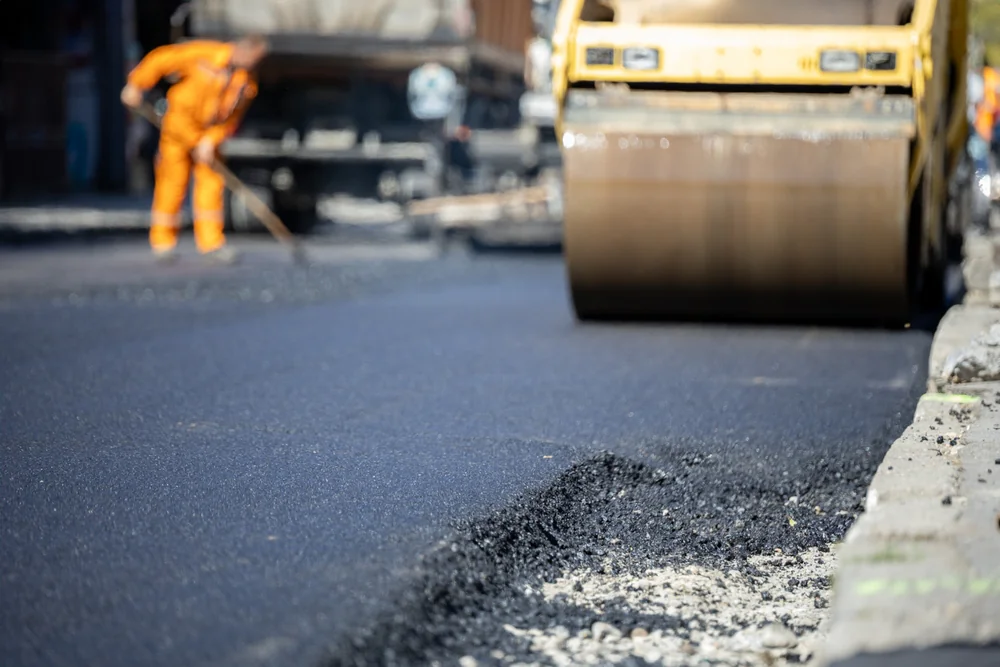
Next comes prep work—the part that determines whether your pavement lasts five years or twenty-five. That means proper grading to direct water away from problem areas, a solid compacted base, and addressing any underlying issues now instead of later. If there’s an old surface that needs removal, it gets done completely.
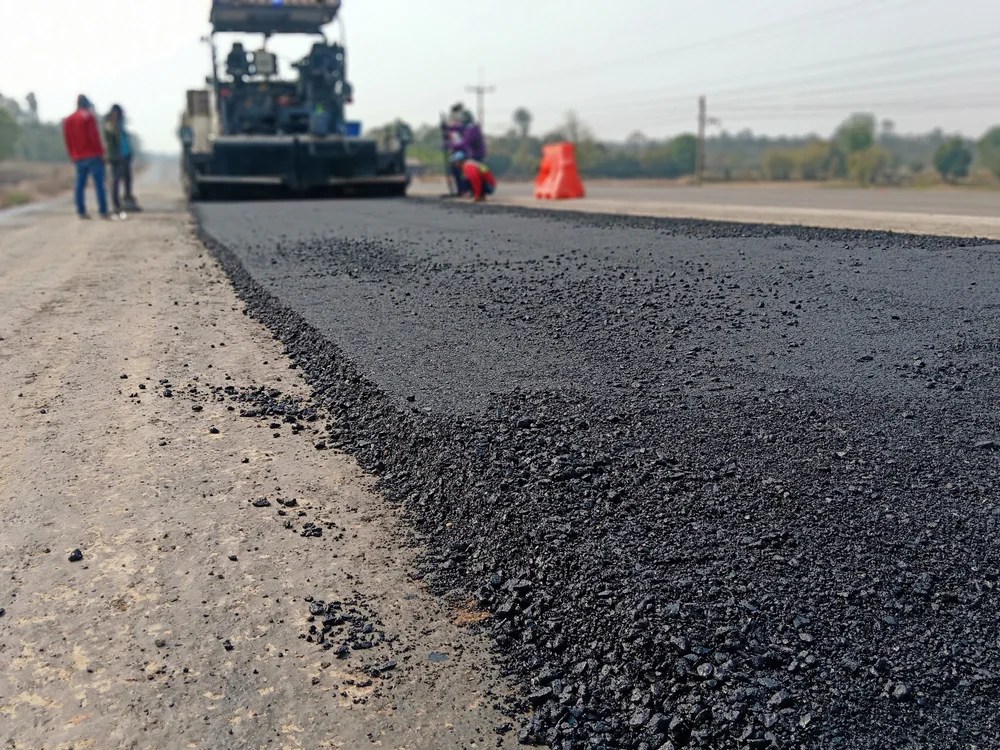
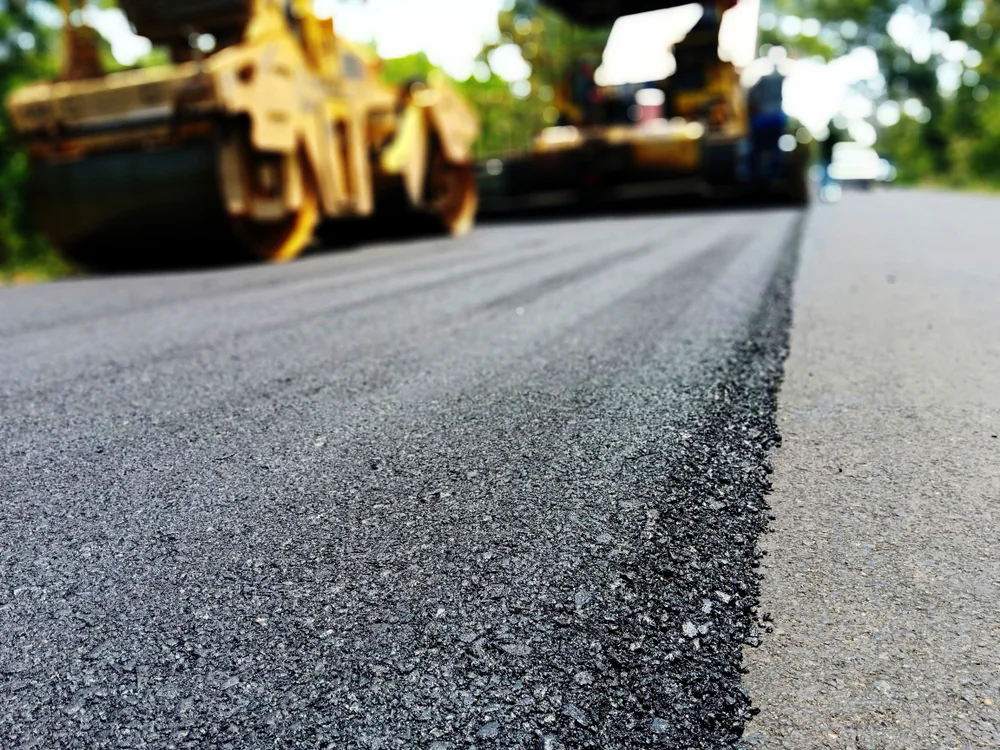
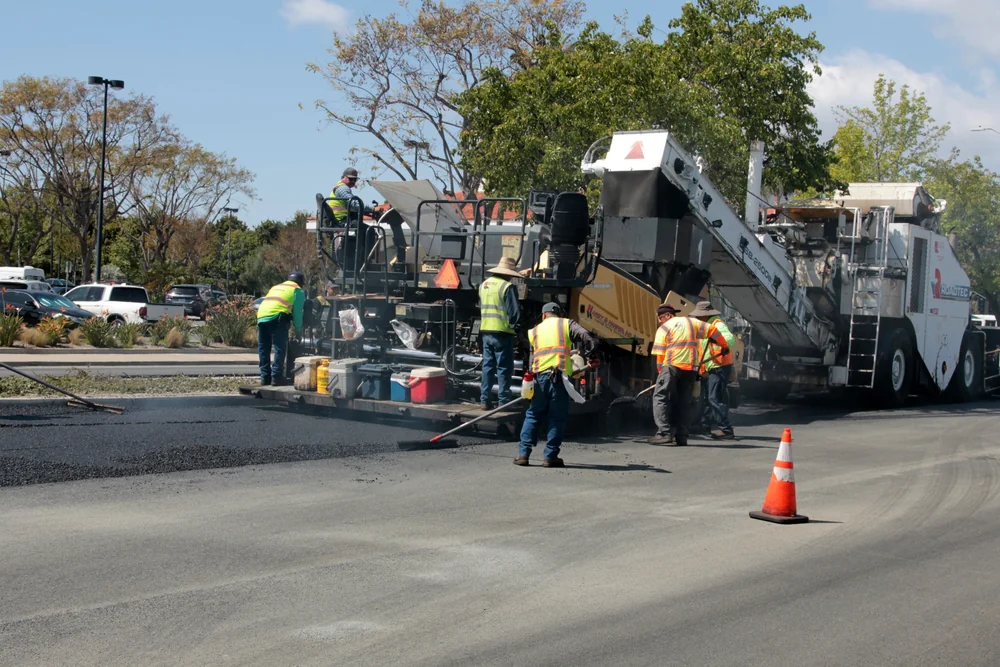
Then the paving happens. Hot-mix asphalt gets laid at the right thickness for your specific use—heavier for commercial traffic, appropriate depth for residential driveways. We work carefully to ensure even coverage and proper compaction. You’ll need to stay off it for about 72 hours while it cures, but after that, you’ve got a surface built to perform.
Ready to get started?
Residential driveway paving in Raritan means dealing with the reality of freeze-thaw cycles that crack poorly installed asphalt by the second winter. Proper installation here includes base evaluation, grading for drainage, and materials selected specifically for New Jersey’s temperature swings. You’re also getting guidance on maintenance—when to sealcoat, how to spot problems early, and what to watch for as your driveway ages.
Commercial paving projects require a different approach. Parking lots in Raritan handle constant traffic, salt exposure in winter, and the visual weight of being the first thing customers see. The work includes proper striping, ADA compliance where needed, and construction methods that minimize disruption to your business operations.
Both residential and commercial projects come with the same core commitment: treating your property with care, communicating clearly about timelines and any issues that come up, and standing behind the work after completion. We also offer specialized discounts for seniors, military members, and first-time customers—because quality work should be accessible.
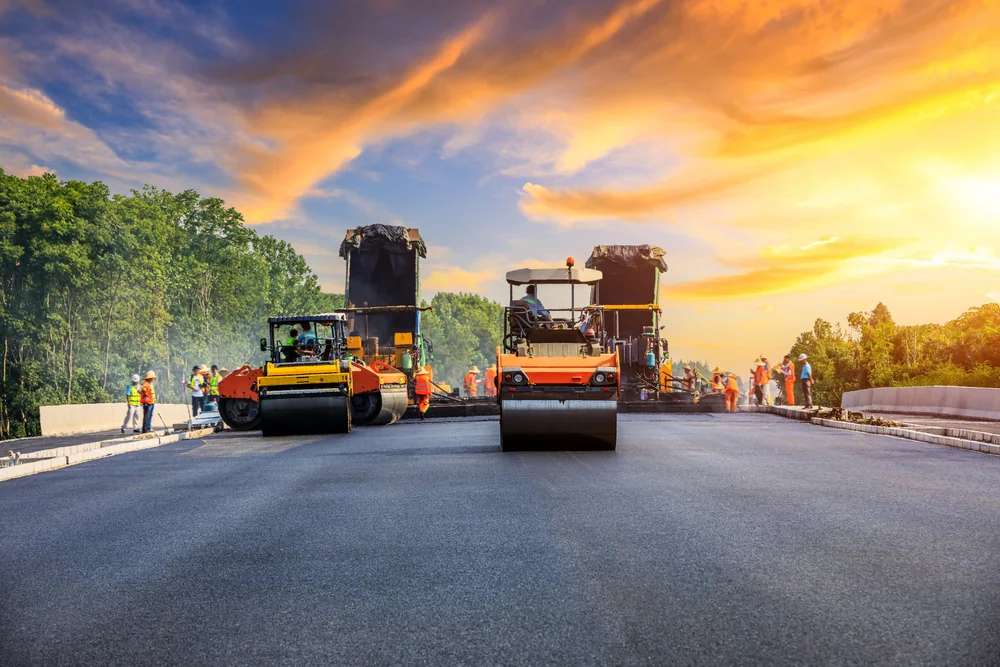
A properly installed asphalt driveway in Raritan should last 20 to 30 years, sometimes longer with good maintenance. The key word there is “properly installed.”
Raritan’s climate is tough on asphalt. You’ve got freezing temperatures that cause contraction, summer heat that causes expansion, and freeze-thaw cycles that turn small cracks into major problems. Water is your biggest enemy—it seeps into tiny cracks, freezes, expands, and breaks apart the asphalt from within.
Longevity comes down to three things: a solid compacted base that doesn’t shift or settle, proper drainage so water moves away from the surface instead of pooling, and quality materials that resist oxidation and UV damage. Then there’s maintenance—sealcoating every few years creates a protective barrier against the elements. Skip that, and you’re cutting years off your driveway’s life. The contractors who give you 25+ years of service are the ones who don’t cut corners on prep work and use materials designed for this climate.
The difference shows up about two winters after installation. Cheap paving looks fine at first, then starts cracking, settling, and developing potholes faster than it should.
Here’s what gets cut when someone gives you a rock-bottom price: base preparation gets rushed or skipped entirely, the asphalt layer goes down thinner than it should, inferior materials get used, and drainage issues get ignored. You save money upfront, then spend more fixing problems that shouldn’t exist.
Quality paving costs more initially because it includes the work that actually matters. That means properly excavating and grading the site, installing and compacting a solid base layer, addressing drainage before it becomes a problem, and laying asphalt at the right thickness for your specific use. It also means using hot-mix asphalt with the right aggregate blend for New Jersey weather, not whatever’s cheapest that day. You’re paying for a surface that performs for decades instead of needing major repairs in a few years. The math works out better in the long run, and you’re not dealing with the headache of premature failure.
Yes, and the timing matters. Sealcoating protects your asphalt from the things that break it down—UV rays, water penetration, oil spills, and oxidation. Think of it as sunscreen for your driveway.
For new asphalt in Raritan, wait about six months to a year before the first sealcoat application. The asphalt needs time to cure fully and release oils. After that, plan on sealcoating every two to three years depending on traffic and weather exposure.
Here’s what sealcoating actually does: it fills surface voids to prevent water from seeping in, creates a barrier against UV damage that causes asphalt to dry out and crack, and gives you that fresh black appearance that makes the driveway look maintained. The cost is minimal compared to what you’d spend repairing crack damage or repaving sections that deteriorated prematurely. The driveways that make it to 30 years without major issues are the ones that got regular sealcoating. The ones that fail at 15 years usually skipped it.
If you’ve got water pooling on your current driveway or parking lot, you need drainage work. If water runs toward your foundation or garage instead of away from it, you need drainage work. And if you’re in Raritan dealing with heavy rain or snowmelt with nowhere to go, you definitely need drainage work.
Water is the number one destroyer of asphalt. It seeps into cracks, freezes, expands, and tears the pavement apart from underneath. It also weakens the base layer, causing settling and creating more places for water to collect. It’s a cycle that accelerates damage.
Proper drainage means grading your surface so water flows away from structures and toward appropriate runoff areas. Sometimes that’s enough. Other times you need catch basins, French drains, or other solutions depending on your property’s topography and soil conditions. A good contractor evaluates this before paving, not after you’ve already got a new driveway with the same pooling problems as before. Skipping drainage work to save money is like skipping the foundation when building a house—everything that comes after is compromised.
Look for someone who’s been working in the area long enough to have a reputation you can verify. That means actual reviews from local customers, not just claims about years in business.
Ask about their process—specifically base preparation, drainage assessment, and material specifications. Contractors who know what they’re doing will explain these things clearly because they’re proud of their methods. The ones who dodge details or rush through explanations are usually cutting corners somewhere.
Check that they’re properly licensed and insured. This protects you if something goes wrong. Ask for references from projects similar to yours and actually contact them. Find out if the contractor showed up when promised, communicated about any issues, and stood behind their work if problems came up. Pay attention to how they treat you during the estimate process—if they’re dismissive or pushy now, imagine dealing with them when there’s a problem mid-project. The right contractor treats every job with respect, explains options honestly, and focuses on doing the work correctly instead of just getting your signature.
Most residential driveway paving in Raritan runs between $5,500 and $12,000 for a complete job, depending on size and site conditions. Commercial projects vary more widely based on square footage and complexity.
The per-square-foot cost typically ranges from $3 to $7, but that number doesn’t tell the whole story. A small driveway with major drainage issues and difficult access could cost more per square foot than a large, straightforward project. Factors that affect price include whether you need removal of existing pavement, how much base work is required, the thickness of asphalt needed for your use, site accessibility, and any drainage improvements.
Here’s what matters more than the bottom-line number: what you’re actually getting for that price. A quote should include removal and disposal if needed, proper base preparation and grading, the specified thickness of asphalt, any drainage work required, and a clear timeline. Be suspicious of quotes that are dramatically lower than others—someone’s cutting something, and it’s usually the work that determines whether your pavement lasts. Get at least three estimates, compare what’s included, and choose based on value and contractor reputation, not just the lowest number.
Other Services we provide in Raritan