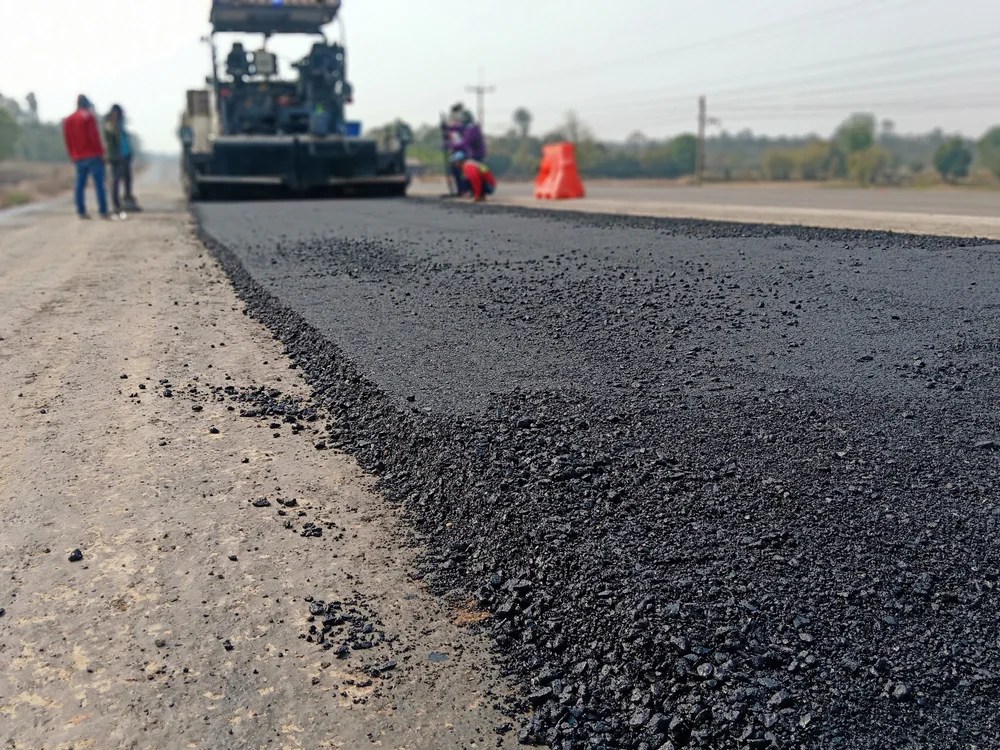
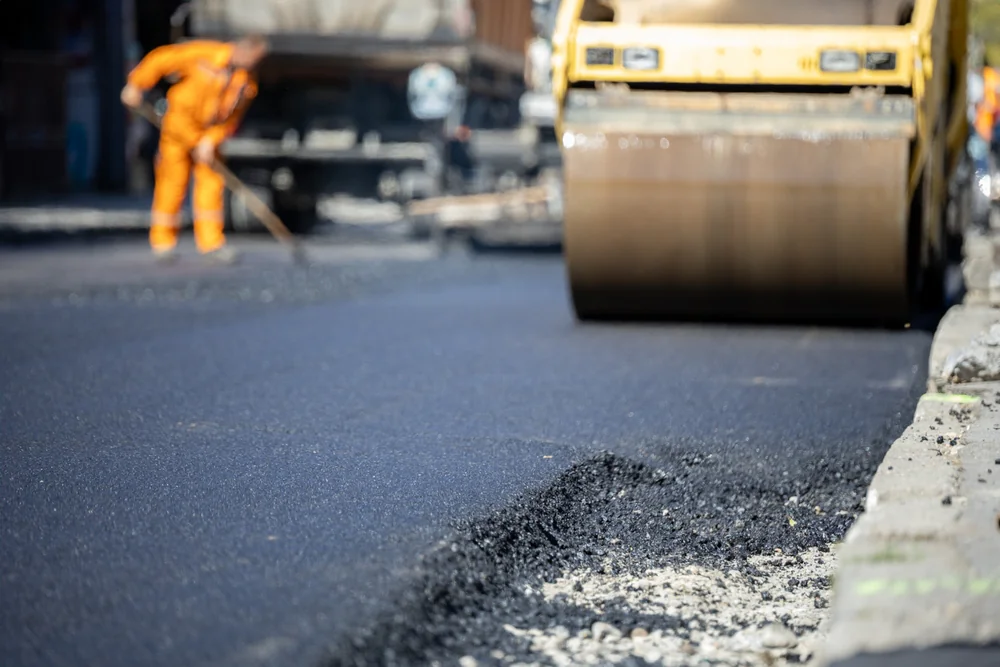
Your driveway stops cracking every spring. Water drains where it should instead of pooling near your garage. The surface stays smooth under tires and feet. You stop worrying about whether it’ll hold up.
That’s the difference between asphalt installed correctly and asphalt installed fast. We don’t rush the parts that matter—base prep, grading, drainage. Our crew stays on one job at a time, so your project gets full attention from start to finish.
Whether it’s a residential driveway or a commercial parking lot, the result is the same: pavement built to handle what you throw at it, year after year. No callbacks. No surprises. Just work that holds up.
We’ve been in the paving business since 1948. That’s not a typo—decades of hands-on work across Windsor, Mercer County, and Central New Jersey. We combine family tradition with modern expertise, handling everything from residential driveways to complex commercial and industrial projects.
What sets us apart isn’t just experience. It’s the approach. Every client gets treated like the top client, regardless of project size or budget. Our crew works on one job at a time, which means your site gets our full focus. No juggling multiple properties. No half-finished work sitting while we bounce to the next bid.
Windsor property owners deal with freeze-thaw cycles, drainage challenges, and the wear that comes with New Jersey weather. We understand local conditions and build pavement that accounts for them. Transparent communication, personalized service, and a straightforward philosophy: find the right solution for your property, not the fastest or cheapest.
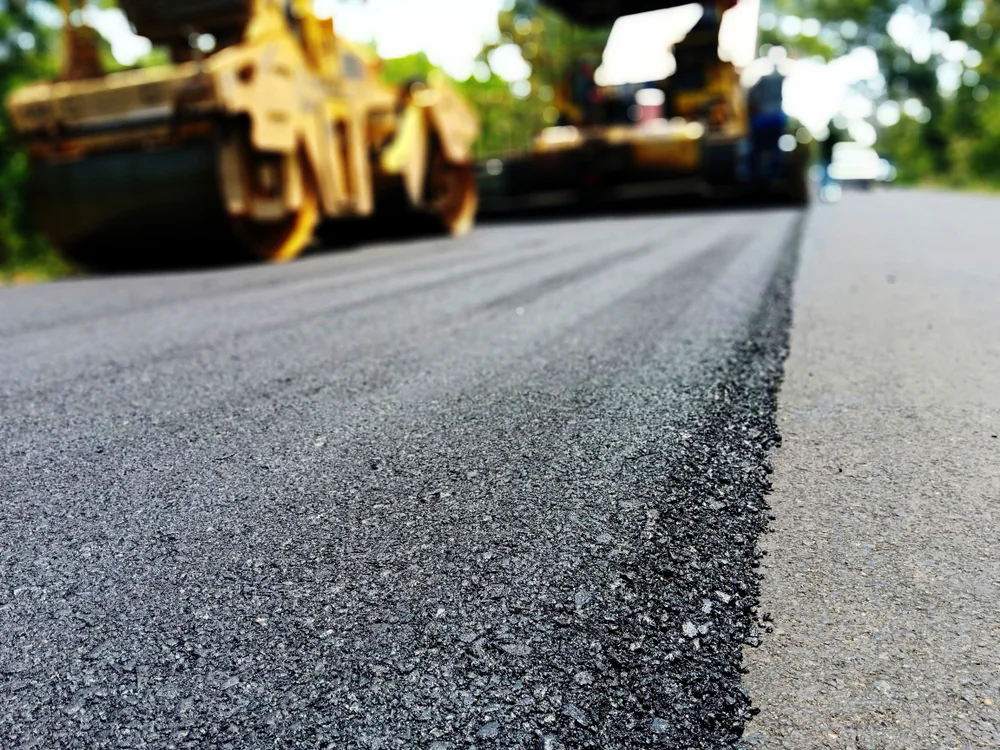
Good asphalt work starts below the surface. First comes demolition and removal of the old pavement if needed. Then grading—this determines how water moves across your property. Poor grading means pooling, cracking, and early failure. Proper grading means water goes where it should.
Next is the sub-base, the foundation that supports everything above it. This layer gets compacted thoroughly because if it shifts or settles, your asphalt will crack no matter how perfect the top looks. We use proof roll testing to verify the base is solid before moving forward.
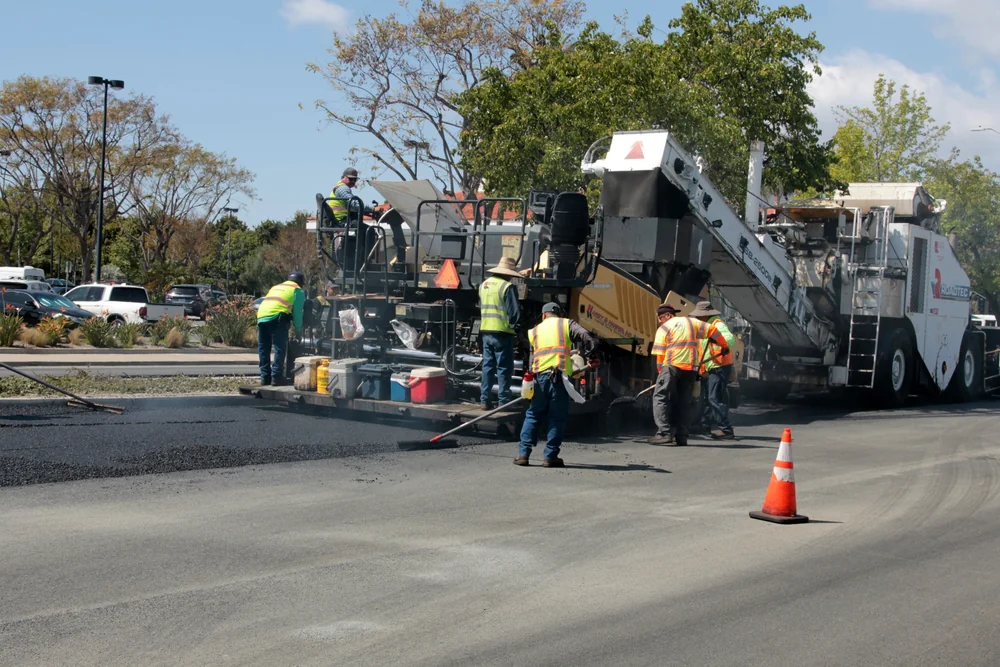
Then comes the binder layer and the asphalt surface layer. Hot mix asphalt gets spread, graded, and compacted while it’s still workable. Timing matters here—you can’t rush it or skip steps. Edges get smoothed, transitions to existing surfaces get sealed properly, and the final compaction ensures a tight, durable finish. The whole process is methodical, not fast. That’s how it should be.
Ready to get started?
We handle residential driveways, commercial parking lots, and industrial paving projects across Windsor and surrounding Mercer County areas. Services include new installations, resurfacing, water management solutions, grading, and drainage work. Every project starts with a site evaluation to identify the specific needs of your property.
For Windsor homeowners, that might mean addressing drainage issues common in the area, selecting the right asphalt thickness for your driveway’s use, or working around existing landscaping. For commercial clients in East Windsor or West Windsor, it could involve ADA compliance, minimizing disruption to business operations, or designing parking lots that handle heavy traffic without breaking down.
Windsor sits in Central New Jersey, where winters bring freeze-thaw cycles that can destroy poorly installed pavement. Proper installation accounts for this. The right sub-base thickness, correct compaction, and appropriate drainage design all factor into how long your asphalt lasts. With the area’s mix of residential neighborhoods near Princeton Junction and commercial corridors along Route 130 and Route 33, we tailor each project to fit local conditions and property-specific requirements. Seniors, military members, and first-time customers receive specialized discounts, and every client gets the same honest, personalized attention.
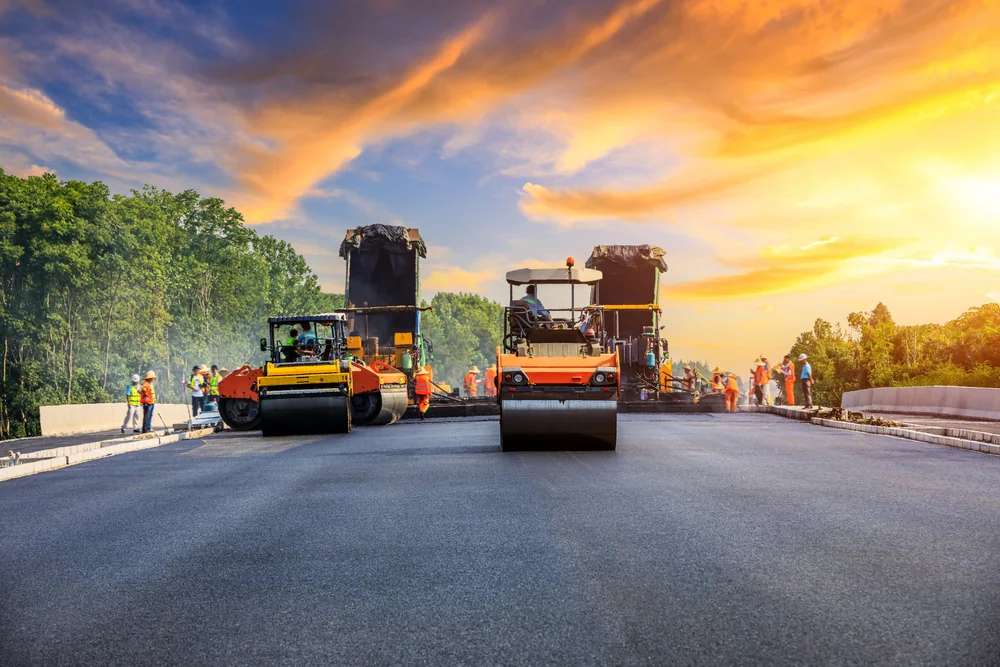
With proper installation and regular maintenance, residential driveways typically last 15 to 20 years, while commercial parking lots generally last 12 to 15 years. The key word is “proper.” If the sub-base isn’t compacted correctly or drainage isn’t addressed, you’ll see problems much sooner—sometimes within a few years.
New Jersey’s freeze-thaw cycles put extra stress on pavement. Water seeps into small cracks, freezes, expands, and creates bigger cracks. That’s why the installation process matters so much. A strong sub-base acts as a frost barrier, and proper drainage keeps water from sitting where it can cause damage. Sealcoating every 2 to 3 years adds a protective layer against UV rays, water, and oil, extending the life of your asphalt even further.
Bottom line: longevity comes down to how it’s installed and how you maintain it. Cutting corners during installation means you’ll pay more in repairs down the road.
Three main culprits: poor drainage, inadequate base preparation, and freeze-thaw cycles. Water is the biggest enemy of asphalt. If water pools on the surface or seeps underneath, it weakens the base and causes the asphalt to crack, heave, or develop potholes. Poor grading during installation means water doesn’t drain properly, which accelerates deterioration.
The sub-base is the foundation beneath your asphalt. If it’s not thick enough or properly compacted, the pavement will shift and crack under weight and weather. Some contractors skip thorough compaction to save time, but that’s where problems start. In Windsor’s climate, freeze-thaw cycles make everything worse—water gets into cracks, freezes, expands, and breaks the asphalt apart.
Preventing these issues means getting the installation right from the start. Proper grading, a well-compacted sub-base, appropriate asphalt thickness, and attention to drainage details. It’s not glamorous work, but it’s what separates pavement that lasts from pavement that fails.
For a standard two-car driveway, you’re typically looking at $2,500 to $7,000, but that range depends on size, current condition, drainage needs, and site-specific factors. Price per square foot usually runs $7 to $15 for asphalt installation including labor. Larger driveways, complex grading, or significant drainage work will push costs higher.
Here’s what affects the price: removal of old pavement, amount of excavation needed, sub-base thickness, asphalt depth (residential driveways typically need 2 to 3 inches), and any drainage solutions required. If your property has poor drainage or the existing base is unstable, addressing those issues upfront costs more but saves you from expensive repairs later.
Be cautious of estimates that seem too low. If a contractor’s bid is significantly cheaper than others, they’re likely cutting corners—thinner asphalt, inadequate base prep, or skipping drainage work. We provide transparent estimates that outline exactly what’s included, so you know what you’re paying for and why.
Sometimes, but not always. It depends on the condition of the existing asphalt. If the current surface is structurally sound with only minor cracking or surface wear, an overlay (resurfacing) can work. But if there are major cracks, potholes, drainage issues, or base problems, an overlay will just cover up issues that will resurface quickly.
An overlay involves adding a new layer of asphalt on top of the old surface, which acts as the base. The existing pavement needs to be strong enough to support the new layer without flexing or settling. We evaluate the current condition before recommending an overlay or full removal and replacement.
Here’s the reality: overlays are less expensive upfront, but they’re not always the right solution. If the underlying problems aren’t fixed, you’ll end up paying twice—once for the overlay and again later for the full replacement you should have done initially. An honest assessment saves you money in the long run.
You can typically drive on new asphalt carefully within 24 to 48 hours after installation, but full curing takes longer—usually about 30 days. During that first month, the asphalt continues to harden and gain strength. You should avoid parking heavy vehicles in the same spot, making sharp turns, or using kickstands during this period.
The asphalt is laid hot (around 300°F) and needs time to cool and cure properly. While the surface may feel solid after a day or two, it’s still vulnerable to scuffing and indentations. Heavy loads or sharp turns can leave marks or cause surface damage while the pavement is still curing.
After the full curing period, your asphalt will be ready to handle normal use. We provide specific guidance based on your project, including when it’s safe to resume full use and any precautions you should take during the curing process.
Both. We handle residential driveways, commercial parking lots, and industrial paving projects. The approach is different for each—commercial work often involves larger scale, heavier traffic loads, ADA compliance requirements, and coordination to minimize business disruption. Industrial projects may need thicker asphalt (3 to 4 inches or more) and specialized base preparation to handle heavy equipment.
Commercial paving requires experience with traffic flow design, proper striping, drainage systems that handle larger surface areas, and scheduling that works around business hours. For retail properties, that might mean working nights or weekends to avoid impacting customer access. For industrial sites, it could involve phased construction to keep operations running.
The same principles apply across all projects—proper base preparation, correct grading and drainage, quality materials, and thorough compaction. The scale and complexity change, but the fundamentals don’t. Our experience spans both residential and commercial work, with the same personalized attention and commitment to quality regardless of project size.
Other Services we provide in Windsor