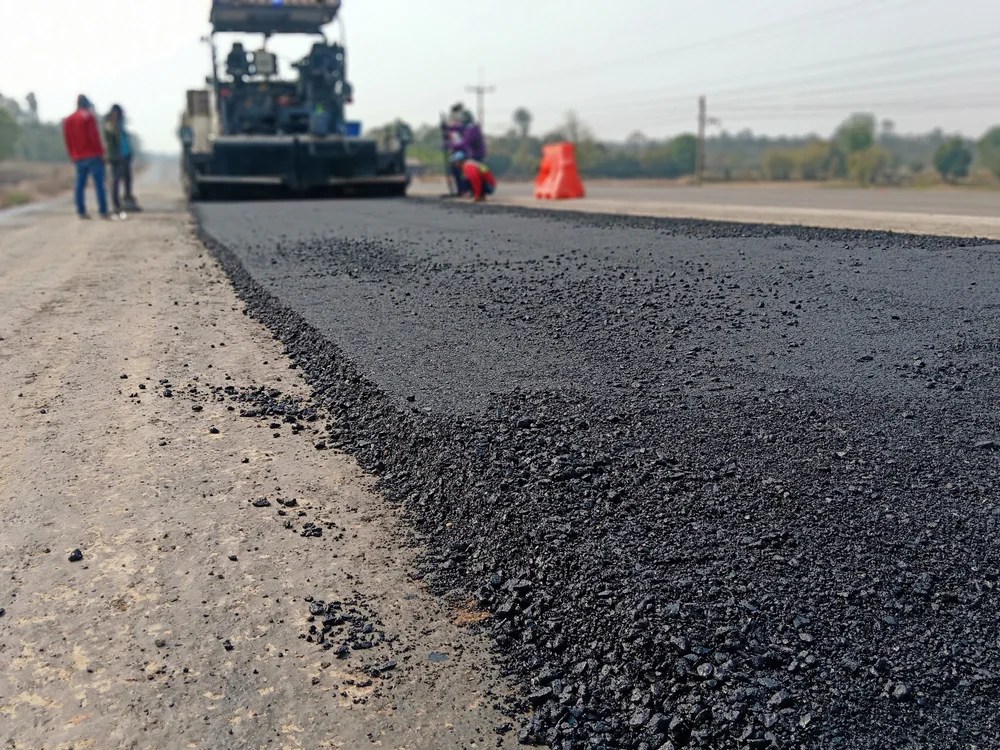
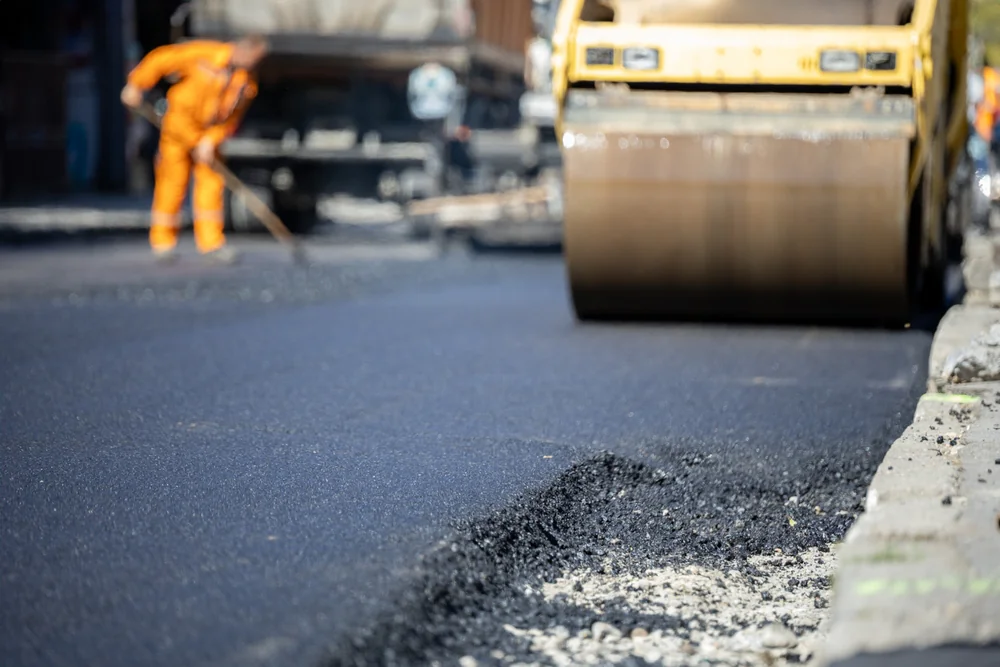
You’re not just getting fresh blacktop. You’re getting a surface that drains properly, doesn’t pool water, and won’t crack apart after the first hard winter.
That means proper base preparation before a single load of asphalt shows up. It means the right thickness for your specific use—whether that’s daily family traffic or loaded delivery trucks. And it means materials that can handle what Pennsylvania throws at them.
When the job’s finished, you should be able to look at your driveway or parking lot and know it’s going to hold up. Not just this year, but for the next 20 to 30 years with basic maintenance. That’s what proper paving installation gets you.
Productive Asphalt has been in this industry since 1948. That’s three generations of learning what works in Pennsylvania and what doesn’t. We handle everything from residential driveways in Brittany Farms-The Highlands to commercial parking lots and industrial projects across the region.
What sets us apart isn’t flashy marketing. It’s the fact that our crew works on one job at a time, giving your project our full attention instead of bouncing between multiple sites. We’ve built our reputation on five-star reviews and repeat customers who know they’ll get straight answers, not sales pitches.
Whether you’re a homeowner dealing with a crumbling driveway or a business owner managing a deteriorating parking lot, we approach every project the same way—figure out what you actually need, explain what we’re going to do, and then do it right.
First, we assess your property. That means looking at drainage, grading, the existing base, and what kind of traffic the surface needs to handle. You’ll get a clear explanation of what needs to happen and why.
Next comes prep work. The existing surface gets removed if necessary, the base gets properly graded and compacted, and drainage issues get addressed before any asphalt goes down. This step determines how long your pavement lasts, so it’s not rushed.
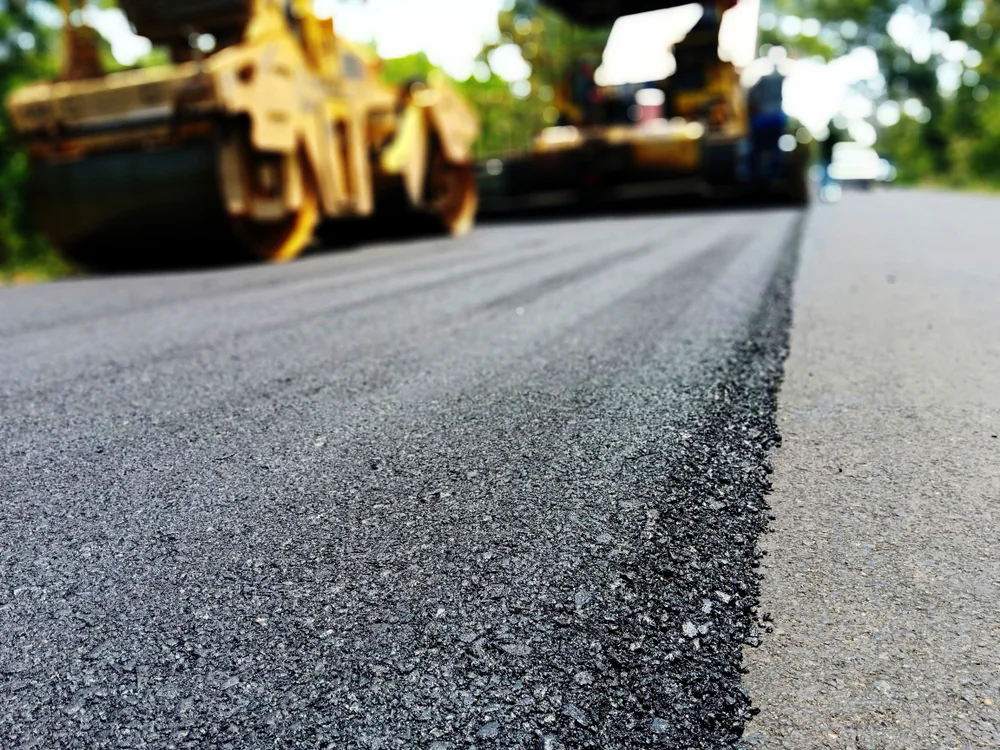
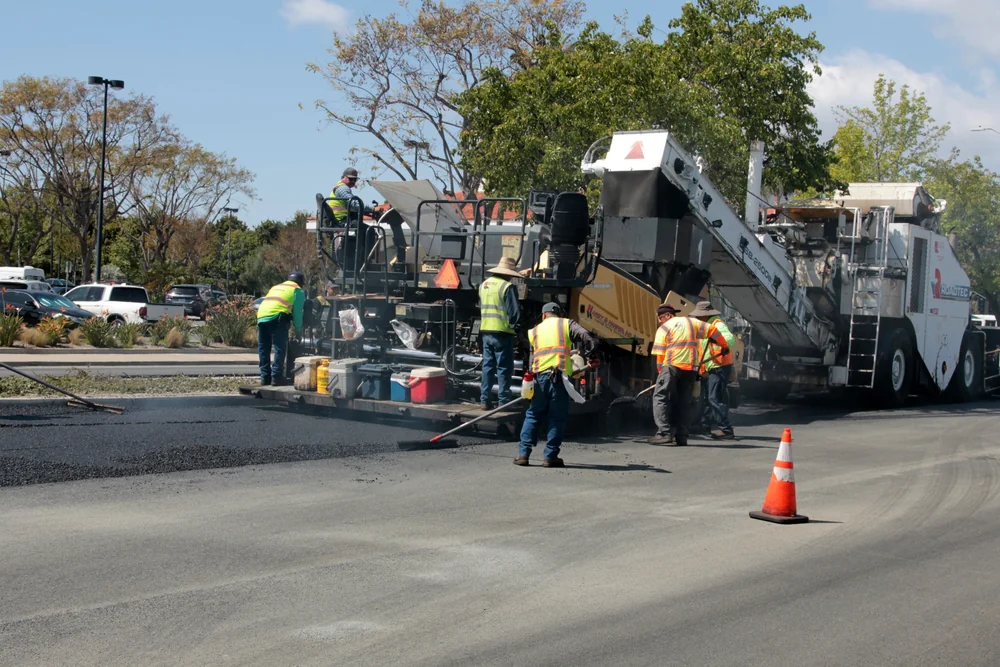
Then comes the paving itself. Hot-mix asphalt gets laid at the right thickness for your needs, then professionally compacted while it’s still at the proper temperature. Timing matters here—Pennsylvania weather doesn’t give you a huge window, and our crew knows how to work within it.
Finally, you get clear instructions on when you can use the surface and what kind of maintenance will keep it in good shape. No surprises, no guesswork.
Ready to get started?
Every paving job includes proper site preparation, quality base work, and professional installation designed for Pennsylvania’s climate. That’s not optional—it’s how you build something that lasts.
In Brittany Farms-The Highlands and surrounding areas, freeze-thaw cycles hit hard. Water gets into small cracks, freezes, expands, and tears your pavement apart. Proper installation accounts for this from the beginning with adequate base material, correct asphalt thickness, and drainage that moves water away from the surface instead of letting it sit and seep in.
You also get transparent communication throughout the project. You’ll know when our crew is showing up, how long each phase takes, and what to expect next. For residential driveway paving, that might mean coordinating around your schedule. For commercial paving projects, it means minimizing disruption to your business operations.
We serve both residential and commercial clients with the same attention to detail. Seniors, military members, and first-time customers receive specialized discounts, and every project gets treated like it’s the most important one on the schedule.
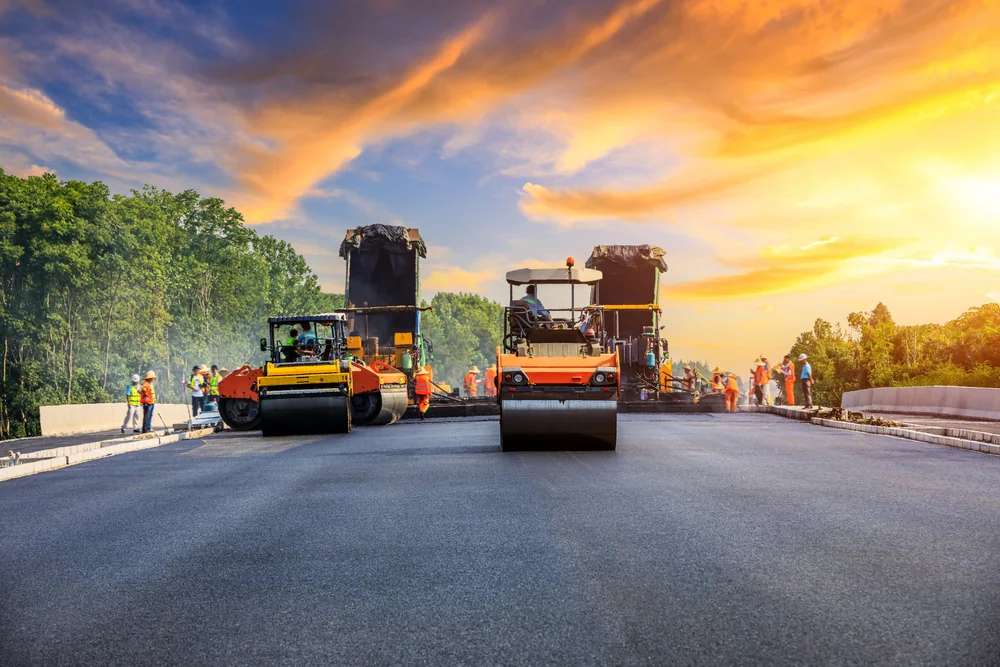
With proper installation and regular maintenance, you’re looking at 20 to 30 years for a quality asphalt driveway in Pennsylvania. That lifespan depends on a few critical factors that need to happen during installation.
First, the base preparation matters more than most people realize. A properly compacted base with adequate material prevents settling and cracking down the road. Second, the asphalt needs to be thick enough for your specific use—residential driveways need less thickness than commercial parking lots, but both need enough to handle the load without failing.
Drainage is the third piece. Water is your pavement’s biggest enemy, especially in Pennsylvania where freeze-thaw cycles happen 30 to 50 times every winter. Proper grading moves water away from the surface instead of letting it pool and seep into cracks. Finally, maintenance matters. Sealcoating every 2 to 3 years and fixing small cracks before they become big problems can add years to your pavement’s life.
Pennsylvania’s freeze-thaw cycles are the main culprit. Water gets into small cracks in your pavement, then freezes when temperatures drop. When water freezes, it expands by about 9 to 10 percent, which forces the crack wider and breaks apart the surrounding asphalt.
Then the temperature rises, the ice melts, and water moves even deeper into that now-larger crack. The cycle repeats itself throughout the winter, and what started as a hairline crack becomes a pothole. This area sees 30 to 50 freeze-thaw cycles every winter, which is why proper installation matters so much.
Other factors contribute too. Poor drainage lets water sit on or near the pavement instead of moving it away. Inadequate base preparation means the pavement doesn’t have solid support underneath. Insufficient thickness means the asphalt can’t handle the stress. And skipping maintenance like sealcoating leaves the surface vulnerable to oxidation and water penetration. All of these issues are preventable with proper installation and regular upkeep.
Look at their track record first. Verifiable reviews from actual customers tell you more than any sales pitch. Check platforms like Angie’s List or Google to see what people say after the job is done and they’ve lived with the results for a while.
Ask about their process, specifically around base preparation and drainage. A quality contractor will explain why these steps matter and what they do to address them. If someone glosses over base prep or acts like drainage isn’t important, that’s a red flag. Also ask about the materials they use and whether they’re designed for Pennsylvania’s climate.
Experience in your specific area matters too. Pennsylvania weather is different from other regions, and contractors who’ve worked here for years understand what holds up and what doesn’t. Finally, pay attention to communication. A contractor who gives you straight answers, explains what they’re doing and why, and keeps you updated throughout the project is more likely to deliver quality work than someone who’s vague or hard to reach.
The main differences come down to thickness, base requirements, and traffic load. Commercial parking lots need to handle heavier vehicles, more frequent traffic, and often larger loads than residential driveways. That means thicker asphalt, more robust base preparation, and sometimes different material specifications.
Commercial projects also involve more complex logistics. Businesses can’t always shut down completely during paving, so the work needs to be phased to minimize disruption. You might pave one section at a time, maintain access to key areas, and coordinate around business hours or peak traffic times.
Residential driveway paving is typically more straightforward in scope, but it still requires the same attention to proper installation. The base still needs to be prepared correctly, drainage still matters, and the asphalt still needs to be laid and compacted professionally. The difference is scale and complexity, not quality standards. Whether it’s a home driveway or a commercial parking lot, the fundamentals of doing it right stay the same.
Spring through early fall gives you the best conditions for asphalt paving in Pennsylvania. Asphalt needs to be laid and compacted at high temperatures, and it cools quickly when air and ground temperatures are low. Most contractors agree that 50 degrees Fahrenheit is the minimum for quality work.
Below that threshold, the asphalt cools too fast to compact properly, which leads to weak spots, poor adhesion, and premature failure. Cold weather also makes the material stiffer and harder to work with, increasing the chance of uneven surfaces or incomplete compaction.
That said, if you need repairs during colder months, experienced contractors can use specialized techniques and cold-weather mixes for temporary fixes. But for full installations—new driveways, parking lot resurfacing, or major projects—waiting for warmer weather gives you the best results. The ideal window is when daytime temperatures consistently stay above 50 degrees and the forecast looks clear for at least a few days after installation.
Sealcoating is legitimate maintenance, not a gimmick. It’s a protective coating that prevents oxidation, blocks water penetration, and protects against UV damage and chemical wear. In Pennsylvania’s climate with harsh freeze-thaw cycles, it’s one of the most cost-effective ways to extend your pavement’s life.
Here’s what it does: it seals small cracks before water can get in and freeze, it protects against sun damage that breaks down the asphalt binder, and it gives you a fresh appearance that also happens to make the surface easier to clean. Most experts recommend sealcoating every 2 to 3 years, which can extend your driveway’s lifespan by 25 percent or more beyond the standard 20 years.
The key is timing and application. Sealcoating works best on pavement that’s in good condition—it’s preventive maintenance, not a fix for major damage. If a contractor is pushing sealcoating on a brand-new driveway or one that’s already falling apart, ask questions. But for established pavement that’s held up well, regular sealcoating is money well spent.
Other Services we provide in Brittanyfarms-Thehighlands