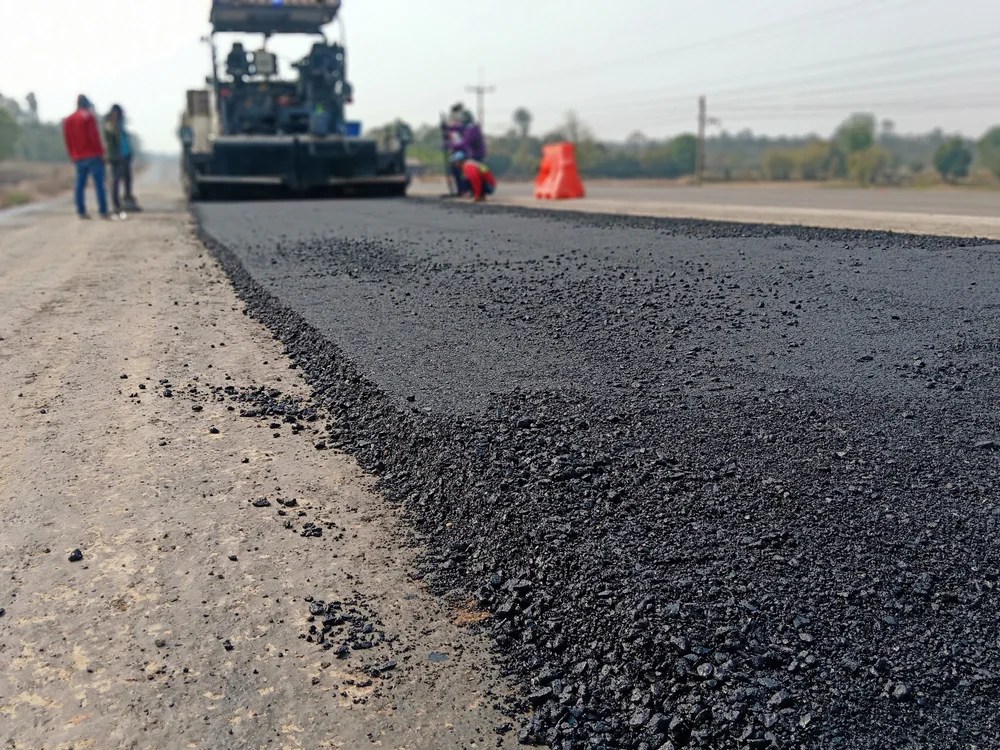
You’re not looking for the cheapest price. You’re looking for a driveway or parking lot that doesn’t crack apart in two years or turn into a maintenance nightmare. You want a smooth surface that handles Bucks County winters, looks clean, and adds value to your property instead of becoming another headache.
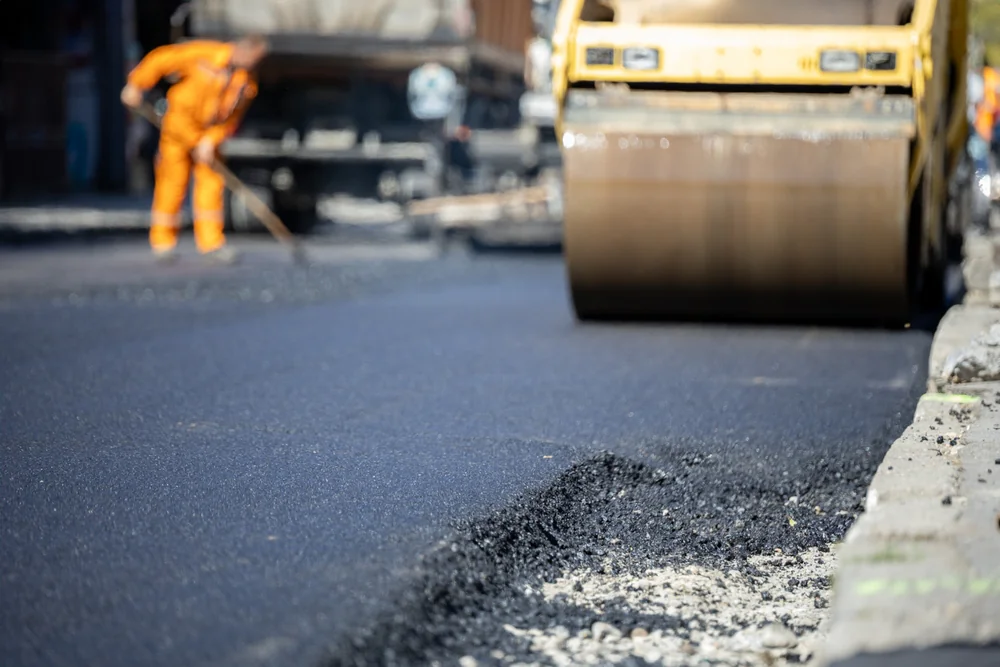
That’s what proper paving installation gets you. A base that’s graded correctly. Asphalt that’s laid thick enough to handle real use. Edges that don’t crumble the first time someone parks too close. And a crew that doesn’t leave your property looking like a construction zone when they’re done.
When the work’s done right from the start, you’re not calling someone back in six months to fix what should’ve been done properly the first time. You’re just using your driveway or lot the way it’s supposed to work—without thinking about it.
We’ve been in the paving business since 1948. That’s not a typo—three generations of hands-on experience in residential and commercial asphalt work across Fairless Hills and Bucks County. We handle everything from residential driveways to commercial parking lots and industrial projects, plus grading and water management when your property needs more than just a fresh surface.
Here’s what makes us different: we work on one project at a time. Our full crew shows up at your property, focuses on your job, and doesn’t bounce between three other sites while your driveway sits half-finished. Every project gets the same attention whether it’s a small residential driveway or a large commercial lot—because that’s how we’ve built a reputation worth keeping.
Fairless Hills homeowners and business owners don’t have time for contractors who ghost them or tack on surprise charges. We keep communication clear, pricing transparent, and the work consistent. That’s why we’ve earned five-star reviews and why customers actually refer us to neighbors.
First, we evaluate your property. We look at drainage, grading, soil conditions, and any issues that could cause problems down the road. If your driveway slopes toward your garage or water pools in certain spots, we’ll tell you upfront and explain what needs to happen before any asphalt goes down.
Next comes site preparation—usually one to three days depending on the scope. This means excavation if you’re replacing an old surface, grading to create proper drainage, and laying a solid base of compacted stone. Skipping or rushing this step is how driveways fail early, so it gets done right.
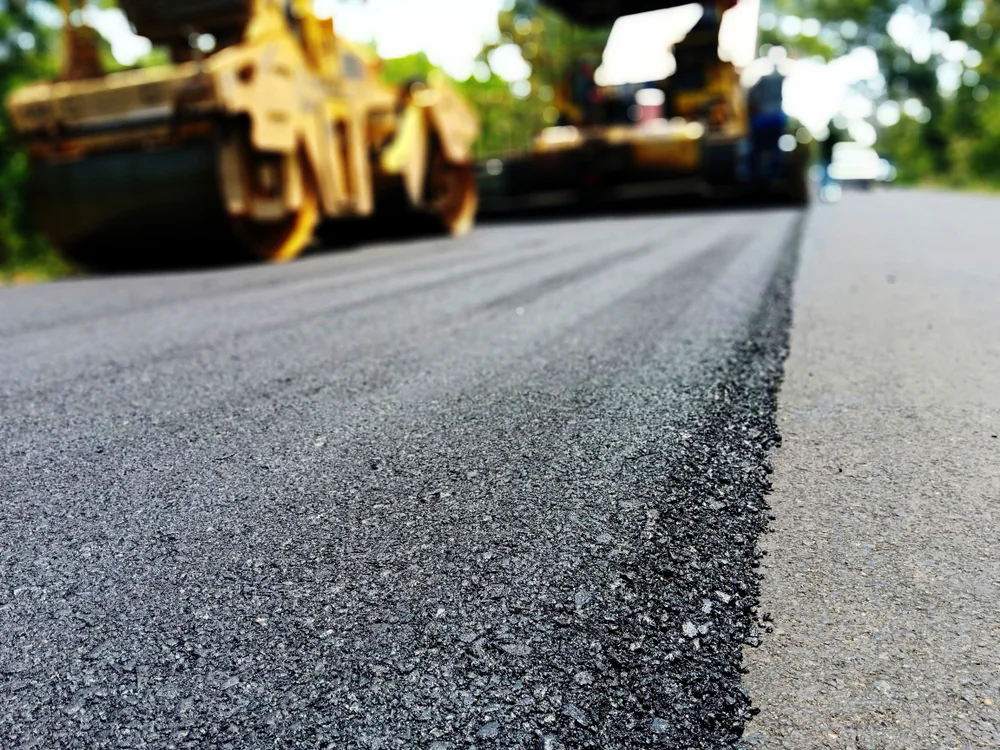
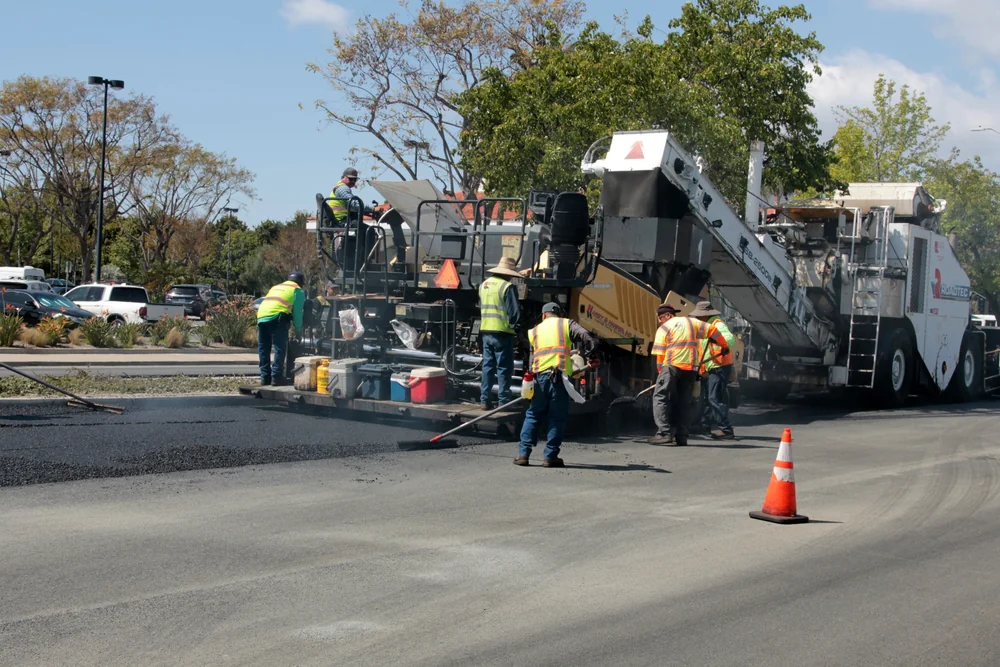
Then the asphalt goes down. We lay it at the proper thickness for your specific use—whether that’s regular passenger vehicles or heavier commercial traffic. We compact it correctly, finish the edges cleanly, and make sure the surface is smooth and even.
After installation, you’ll need to let it cure properly before heavy use. We’ll give you clear instructions on timing. About six months later, you’ll want to seal the surface to protect it from water, UV damage, and Pennsylvania’s freeze-thaw cycles. Resealing every few years after that keeps your investment in good shape. We can handle that maintenance or walk you through doing it yourself if you prefer.
Ready to get started?
When we take on your paving project in Fairless Hills, you’re getting a full-scope installation—not a quick patch job. That includes site evaluation, excavation and removal of old materials if needed, proper grading for drainage, a compacted stone base, and hot-mix asphalt laid at the right thickness for your needs.
Bucks County weather isn’t easy on pavement. Winters bring freeze-thaw cycles that crack weak installations. Summer heat softens poorly mixed asphalt. Spring rains expose drainage problems that weren’t addressed during prep. Properties in Fairless Hills need paving work that accounts for these conditions, not cookie-cutter installations that look fine for six months and then fall apart.
We handle the details that matter: making sure water drains away from your foundation, grading slopes correctly so you’re not left with standing water, and using quality materials that hold up under real-world conditions. We also offer water management solutions and grading services for properties that need more than standard driveway work.
For residential customers, that might mean a new driveway that improves curb appeal and function. For commercial clients, it’s parking lots that handle daily traffic without constant patching, plus clear communication about timelines so your business isn’t disrupted longer than necessary. And if you’re a senior, military member, or first-time customer, ask about our discounts—they’re designed to make quality work more accessible.
Asphalt paving in Fairless Hills typically runs between $5 and $15 per square foot, depending on the size of your project, the condition of your existing surface, and what prep work is needed. A standard residential driveway might cost anywhere from $3,500 to $6,000, while larger or more complex projects will be higher.
Here’s what affects the price: if your current driveway needs to be removed, that adds to the cost. If your property has drainage issues or requires significant grading, that’s additional work. Thicker asphalt for heavier use costs more than a basic residential installation. And if you’re in a location that’s harder to access or requires special equipment, that factors in too.
The key is getting a detailed written estimate that breaks down exactly what’s included—excavation, base material, asphalt thickness, grading, and cleanup. We provide transparent pricing upfront so you know what you’re paying for and why. That way you’re comparing actual scope of work, not just bottom-line numbers that might be missing half the job.
A properly installed asphalt driveway in Pennsylvania should last 20 to 30 years with regular maintenance. The key words there are “properly installed” and “regular maintenance”—both matter more than most people realize.
Pennsylvania’s freeze-thaw cycles are tough on asphalt. Water seeps into small cracks, freezes, expands, and makes those cracks bigger. Over time, that breaks down the surface. If your driveway wasn’t installed with proper drainage and a solid base, you’ll see problems much sooner—sometimes within just a few years.
Maintenance extends the life significantly. Sealcoating every two to three years protects the surface from water penetration, UV damage, and oxidation. Filling cracks when they’re small prevents them from turning into bigger problems. And addressing drainage issues before they cause structural damage saves you from needing a full replacement prematurely. If you stay on top of basic maintenance, your driveway will look good and function well for decades. If you ignore it, even a great installation won’t last as long as it should.
Asphalt and concrete both work for driveways, but they’re different in cost, maintenance, and how they perform in Pennsylvania’s climate. Asphalt typically costs less upfront—usually $5 to $15 per square foot compared to concrete’s $8 to $18 per square foot. It’s also better in cold weather because it flexes slightly with freeze-thaw cycles instead of cracking as easily.
Asphalt requires more maintenance. You’ll need to seal it every few years to keep it protected. Concrete needs less frequent maintenance but costs more to repair when it does crack. Asphalt is also quicker to install and can usually be used within a day or two, while concrete needs longer to cure.
For Fairless Hills and Bucks County, asphalt is often the better choice for driveways because it handles winter weather well and costs less to install and maintain over time. Concrete makes sense in some situations—if you want a specific decorative look or have unique requirements—but for most residential and commercial applications, asphalt delivers better value and performance in this climate.
If your driveway has a few small cracks or minor surface damage, repairs are probably enough. But if you’re seeing widespread cracking, large potholes, significant settling, or edges that are crumbling apart, you’re likely looking at a replacement.
Here’s a practical test: if more than 30% of your driveway surface is damaged, replacement usually makes more sense than patching. Repairs work great for isolated problems, but once damage is widespread, you’re just putting band-aids on a failing structure. You’ll end up spending money on repairs that don’t last because the underlying base or drainage issues haven’t been addressed.
Also consider the age. If your driveway is over 20 years old and starting to show multiple problems, replacement is probably the smarter investment. You’ll get decades more life out of a new installation versus a few more years from patching an old one. A good contractor will be honest about what you actually need—not try to sell you a full replacement when repairs would work, and not patch something that’s going to fail in six months. We evaluate your specific situation and give you a straight answer about which option makes sense for your property and budget.
Start with experience and reputation. Look for contractors who’ve been in business for years, have verifiable reviews from actual customers, and can show you examples of their work. A contractor with decades of local experience knows how to handle Bucks County’s soil conditions, drainage patterns, and weather challenges.
Get detailed written estimates from at least two or three contractors. The estimate should break down what’s included—excavation, base depth and material, asphalt thickness, grading, and any additional work. If someone gives you a vague number without explaining what you’re getting, that’s a red flag.
Ask about their process. How do they handle site preparation? What thickness of asphalt do they recommend for your specific use? How do they address drainage? A good contractor explains their approach and why they’re recommending certain solutions. They should also tell you realistic timelines and what to expect at each stage.
Finally, trust your gut about communication. If a contractor is hard to reach, vague about details, or pressuring you to sign immediately, walk away. You want someone who answers questions clearly, returns calls promptly, and treats your project with the same care they’d want for their own property. Our approach is straightforward: clear communication, transparent pricing, and one project at a time so your job gets full attention from start to finish.
Late spring through early fall—roughly May through October—is the best window for asphalt paving in Pennsylvania. Asphalt needs warm temperatures to be installed properly and to cure correctly. Ideally, you want daytime temperatures consistently above 50 degrees and no rain in the forecast for at least 24 hours after installation.
Summer is peak season, which means contractors are busiest and sometimes booked weeks out. Late spring and early fall can be good times to schedule because contractors have slightly more availability, the weather is still warm enough for proper installation, and you’re avoiding the rush.
Avoid paving in winter or early spring when temperatures are unpredictable. Cold weather prevents asphalt from compacting properly and curing correctly, which leads to premature failure. If you’re seeing cracks or damage now and it’s late fall or winter, a contractor might be able to do temporary repairs to get you through until spring when a proper installation can happen.
Planning ahead helps. If you know you’ll need paving work, reach out in early spring to get on the schedule for late spring or summer. That gives you time to get estimates, ask questions, and book the contractor you actually want instead of settling for whoever has availability at the last minute.
Other Services we provide in Fairlesshills