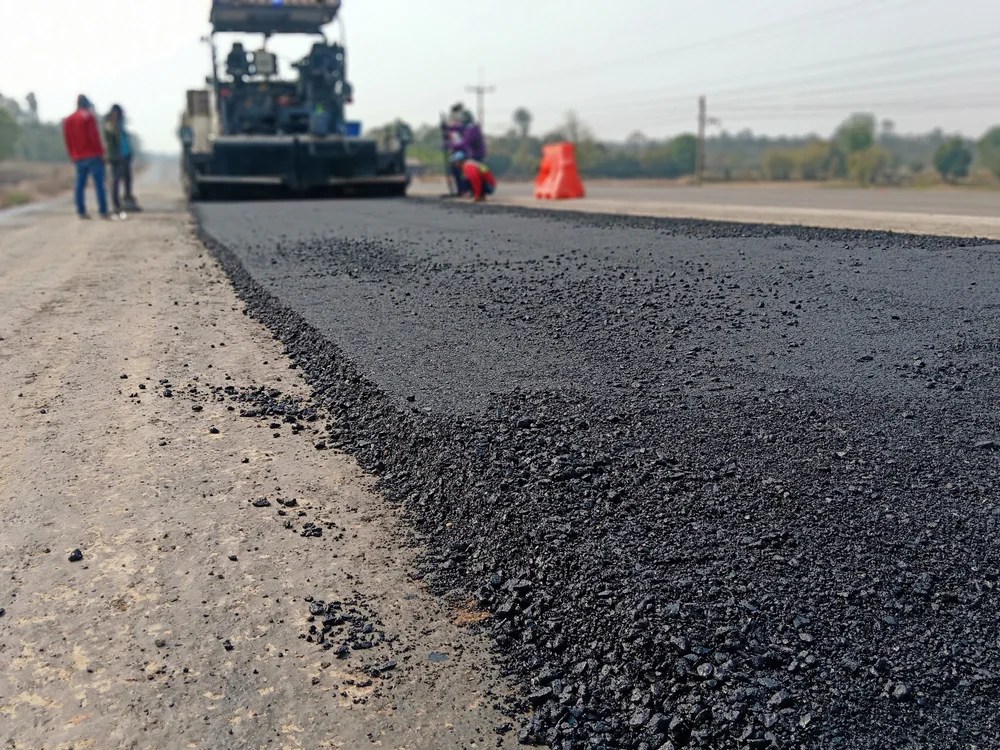
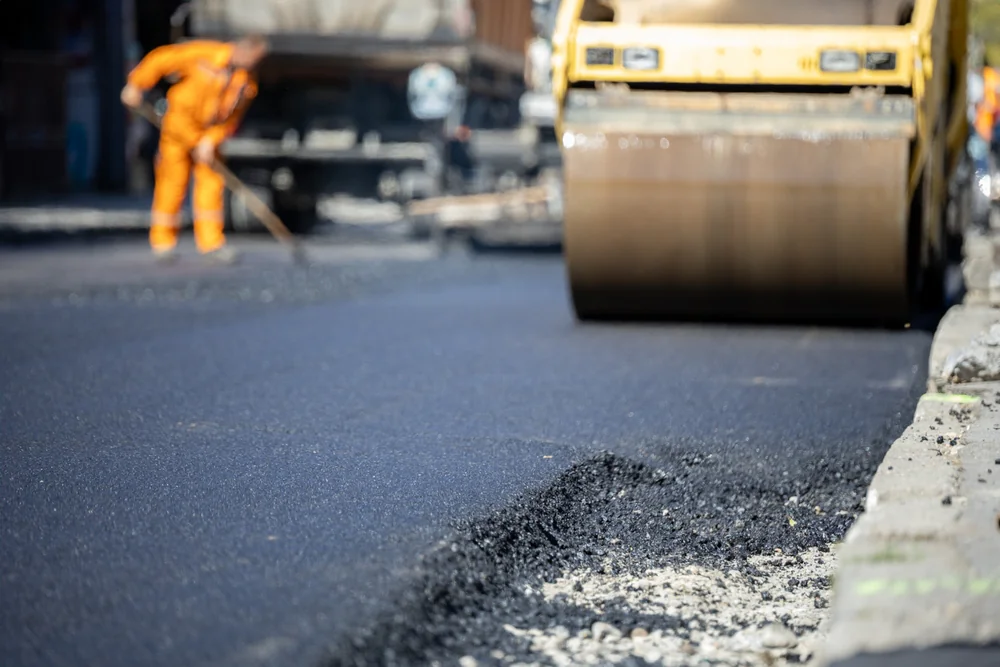
You stop worrying about cracks every spring. You stop budgeting for emergency repairs. You get a surface that holds up through Pennsylvania winters without turning into a pothole minefield by March.
That’s what happens when the base is prepped right, the materials match the climate, and the crew isn’t rushing off to three other jobs. Your driveway or parking lot becomes one less thing to manage.
We handle residential driveways, commercial parking lots, and industrial paving with the same approach: one project at a time, done right. No shortcuts. No surprises. Just asphalt that does its job for decades, not seasons.
We’ve been in the paving business since 1948. That’s not a typo. Our roots run deep in this industry, and that experience shows up in how we handle your property—whether you’re paving a single-car driveway in a Feasterville neighborhood or resurfacing a commercial lot near Street Road.
Every project gets our crew’s full attention. Not half their attention while they bounce between job sites. Full focus. That means better grading, cleaner edges, and work that actually matches what was promised during the estimate.
Feasterville property owners deal with freeze-thaw cycles that destroy poorly installed asphalt. We know how to build surfaces that survive Pennsylvania weather. We’ve been doing it for decades, and we’re not going anywhere.
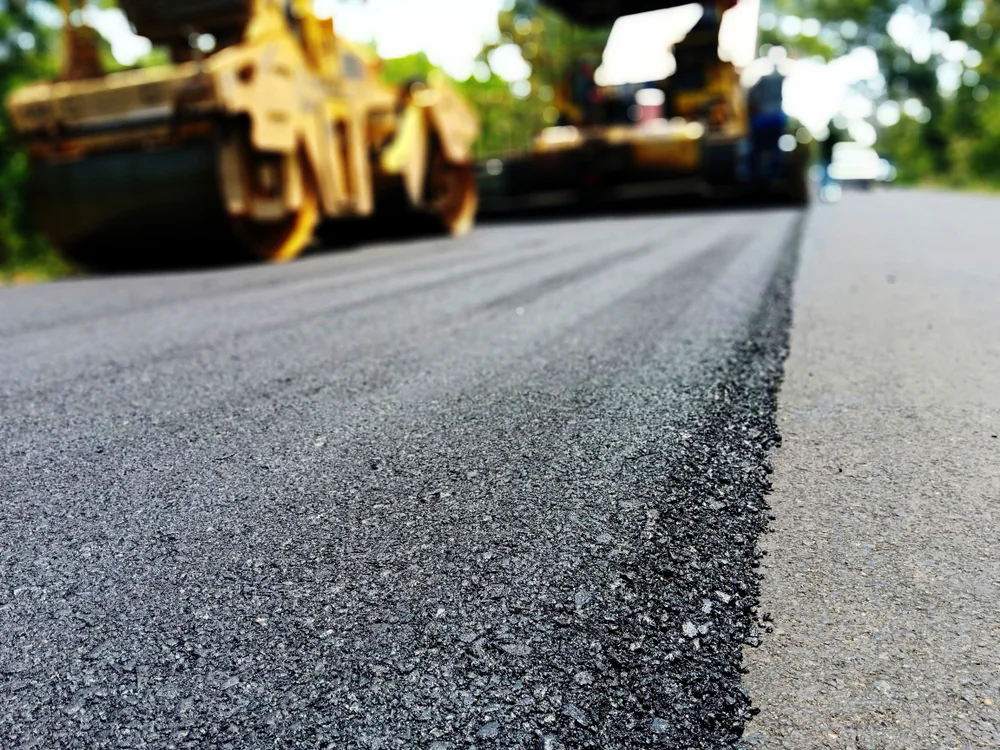
First, we come out to look at your property. Not to pressure you into signing something. To understand what you’re dealing with—drainage issues, grading problems, soil conditions. You get a clear estimate that explains what needs to happen and why.
When our crew shows up, we prep the base properly. That’s where most contractors cut corners, and it’s why driveways fail early. We don’t skip this step. We grade it right, compact it right, and make sure water drains away from your foundation.
Then we install the asphalt using materials designed for Pennsylvania’s climate. Our crew stays on your job until it’s finished—not halfway done while we start someone else’s project. You get updates throughout the process, and when we’re done, you get a surface that’s built to last 25 years or more with basic maintenance.
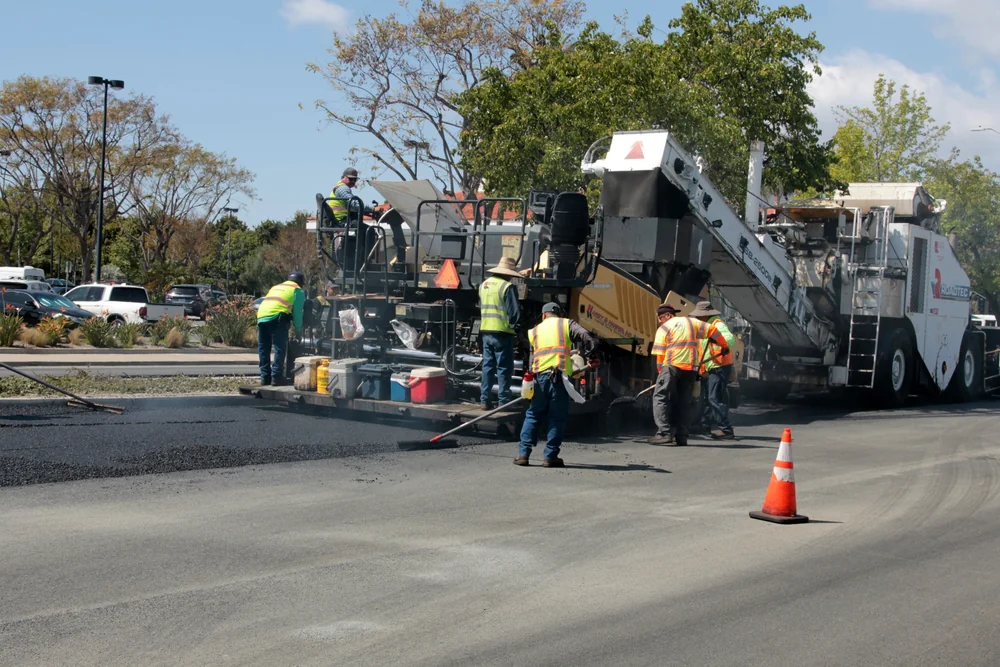
Ready to get started?
You get asphalt installation that’s built for Feasterville’s weather. Pennsylvania sees 30 to 50 freeze-thaw cycles every winter. That expansion and contraction destroys asphalt that wasn’t installed correctly. We use proper base preparation and materials that can handle the stress.
You also get water management solutions. Poor drainage turns small cracks into major failures. Our crew evaluates how water moves across your property and builds in solutions that protect your investment—whether that’s a residential driveway or a commercial parking lot.
For commercial properties in Feasterville, you get a paving contractor who understands that your parking lot affects your business. Customers notice cracked, uneven pavement before they walk through your door. We handle commercial paving with the same attention to detail we bring to residential work—proper grading, clean striping, and surfaces that hold up under traffic.
We also offer discounts for seniors, military members, and first-time customers. Every project includes transparent communication, realistic timelines, and a crew that treats your property with respect.
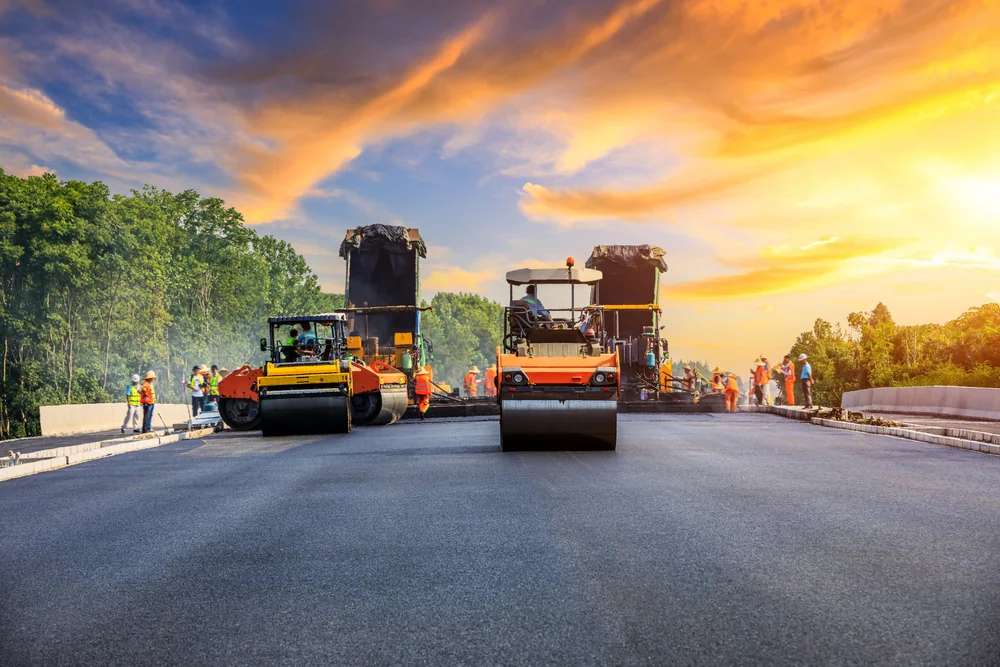
You can typically walk on new asphalt within 24 hours, but you should wait 48 to 72 hours before driving on it. Pennsylvania weather affects curing times—hot summer days speed things up, while cooler fall temperatures slow them down.
The asphalt continues to cure and harden over the first year. During that time, avoid parking heavy vehicles in the same spot repeatedly, and be careful with sharp turns that can scuff the surface. Your contractor should give you specific guidance based on the temperature and conditions during your installation.
Full strength develops over 6 to 12 months. That’s when the asphalt reaches its maximum durability. Proper curing is why timing matters—spring and fall installations in Feasterville often cure more evenly than summer paving during heat waves.
Resurfacing means adding a new layer of asphalt over your existing driveway. It works when the base is still solid but the surface has minor cracks and wear. It costs less than full replacement—usually $1 to $3 per square foot—and extends your driveway’s life by 8 to 15 years.
Replacement means tearing out everything—the old asphalt and often the base material underneath—and starting fresh. You need this when the base has failed, when there are major drainage problems, or when the existing asphalt has deep structural damage. It costs more upfront but gives you another 20 to 25 years of life.
A good contractor will tell you honestly which option makes sense for your property. If your driveway has potholes, significant cracking, or drainage issues, resurfacing just covers up problems that will resurface quickly. If the surface is worn but the base is solid, resurfacing saves you money without sacrificing quality.
Pennsylvania’s freeze-thaw cycles are brutal on asphalt. Water seeps into small cracks, freezes overnight, expands, and makes those cracks bigger. This happens 30 to 50 times each winter in the Feasterville area. Over time, those small cracks become potholes.
That’s why proper installation matters so much here. The base needs to be compacted correctly so water drains away instead of pooling under the asphalt. The asphalt itself needs to be thick enough and properly mixed to flex with temperature changes without cracking.
Sealcoating every 2 to 3 years helps protect against this damage. It creates a barrier that keeps water out and protects against UV damage during summer. Properties in Feasterville that skip sealcoating typically need major repairs or replacement years earlier than properties that maintain their asphalt. Regular maintenance isn’t optional in this climate—it’s the difference between 15 years and 25 years of life from your driveway.
Look for contractors who’ve been around long enough to honor their warranties. Fly-by-night operations offer cheap prices, collect deposits, and disappear when problems show up. Established local companies have reputations to protect and actual addresses where you can find them if something goes wrong.
Ask about their process for base preparation. That’s where most failures start. A contractor who rushes past this or can’t explain how they handle grading and drainage probably cuts corners elsewhere too. You want someone who talks about compaction, proper slope, and water management—not just the asphalt itself.
Get detailed written estimates that explain what’s included. Vague quotes lead to surprise charges later. A good estimate breaks down materials, labor, timeline, and exactly what work will be done. It should also address how they’ll handle unexpected issues like poor soil conditions or hidden drainage problems. References and reviews matter too—especially from neighbors who’ve lived through a few Pennsylvania winters with their paved surfaces.
Asphalt paving in the Feasterville area typically runs $3 to $5 per square foot for a complete installation with proper base preparation. A standard two-car driveway (about 600 square feet) costs between $1,800 and $3,000. Larger driveways or those requiring significant grading work cost more.
Resurfacing an existing driveway costs less—usually $1 to $3 per square foot—because you’re not replacing the base. Commercial parking lots have different pricing based on size, traffic patterns, and whether you need striping or specialized drainage solutions.
Several factors affect the final price: the condition of your existing surface, drainage requirements, how much excavation is needed, and whether you need additional features like aprons or extensions. Properties with poor drainage or unstable soil require more prep work, which increases costs but prevents expensive failures later. The cheapest bid isn’t always the best value—proper installation costs more upfront but saves thousands in premature repairs and replacement.
Late spring through early fall offers the best conditions for asphalt paving in Feasterville. Asphalt needs temperatures above 50 degrees to cure properly, and you want several dry days before and after installation. May through September typically provides the most reliable weather windows.
Summer paving works well but comes with scheduling challenges—everyone wants their driveway done when weather’s good, so contractors book up fast. Spring and fall often offer better availability and more moderate temperatures, which can actually improve curing quality compared to peak summer heat.
Avoid paving in late fall or winter. Cold temperatures prevent proper compaction and curing, leading to premature failure. Even if a contractor offers a discount for off-season work, you’re risking a driveway that won’t last. Plan ahead and schedule your project for the right season—it’s worth waiting a few months to get results that last decades instead of years.
Other Services we provide in Feasterville