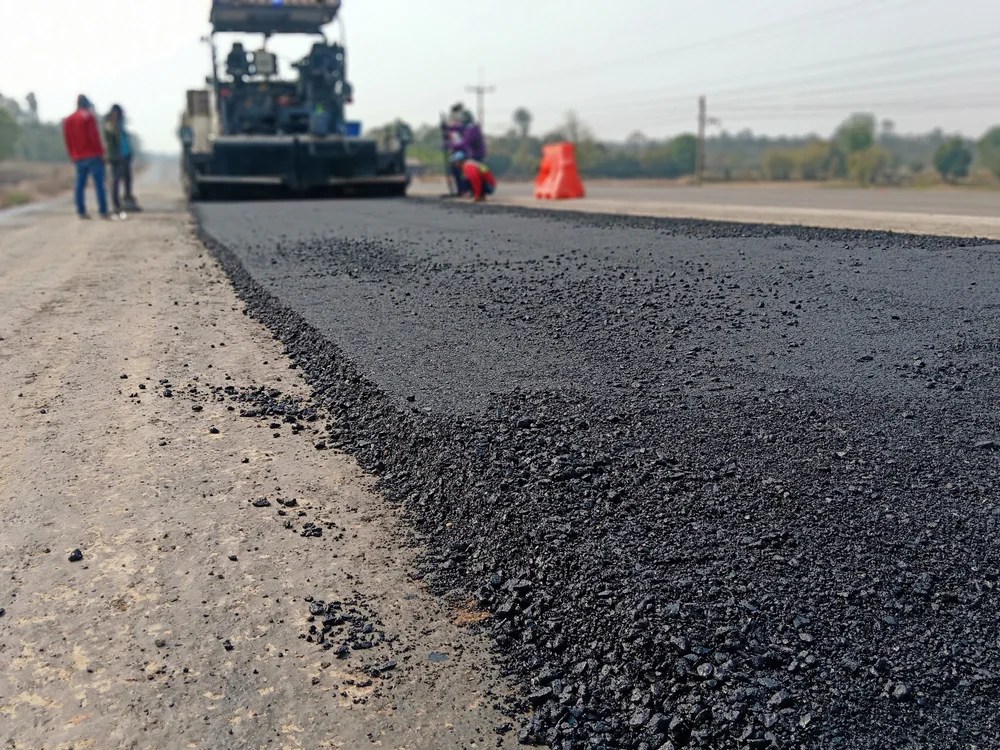
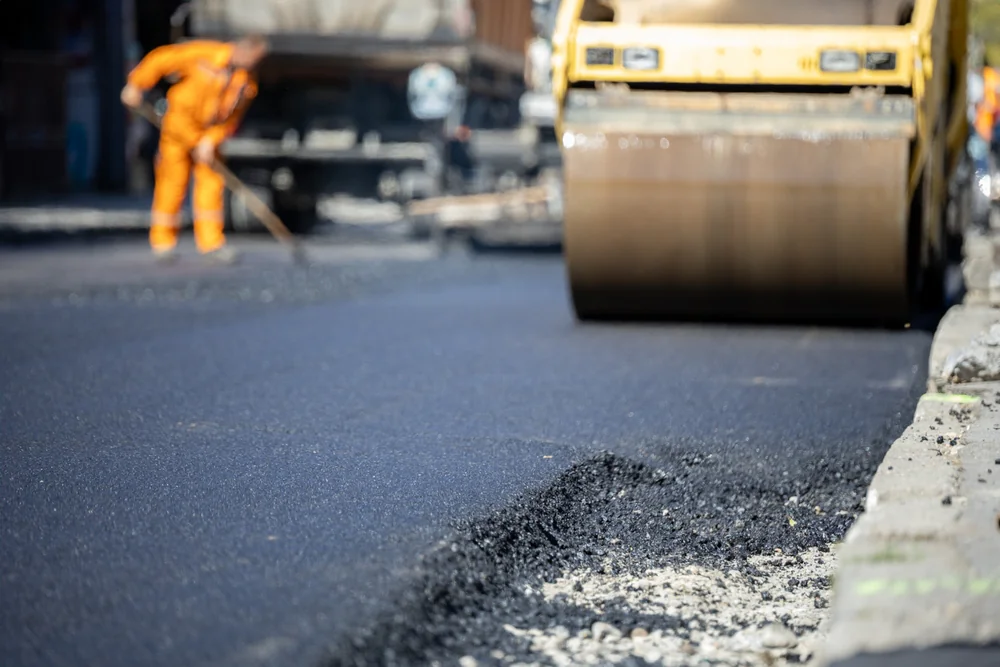
Your driveway takes a beating. Pennsylvania winters throw everything at it—freeze-thaw cycles that crack weaker surfaces, ice that pools in low spots, and snow plows that scrape away poorly installed asphalt.
When we’re done, you get a surface that sheds water properly. No more puddles that turn into ice rinks. No more cracks that grow into potholes every spring. Just a smooth, durable driveway that looks professional and handles whatever weather hits Middletown.
You’ll drive up to your home knowing your investment is protected. Your neighbors will notice the difference. And you won’t be calling for repairs next season.
We’ve been paving in Central Pennsylvania since 1948. That means we’ve seen what works and what fails when winter hits Middletown.
Most contractors rush through jobs to get to the next one. We focus on one project at a time. Our entire crew works on your driveway until it’s done right. No splitting attention between multiple job sites.
This approach comes from decades of learning that shortcuts always catch up with you. In Middletown’s climate, there’s no room for “good enough.” Every surface we install needs to handle freeze-thaw cycles, heavy rain, and the kind of temperature swings that destroy poorly built driveways.
First, we evaluate your existing surface and drainage. Most driveway problems start with water that doesn’t flow away properly. We identify these issues before we start paving.
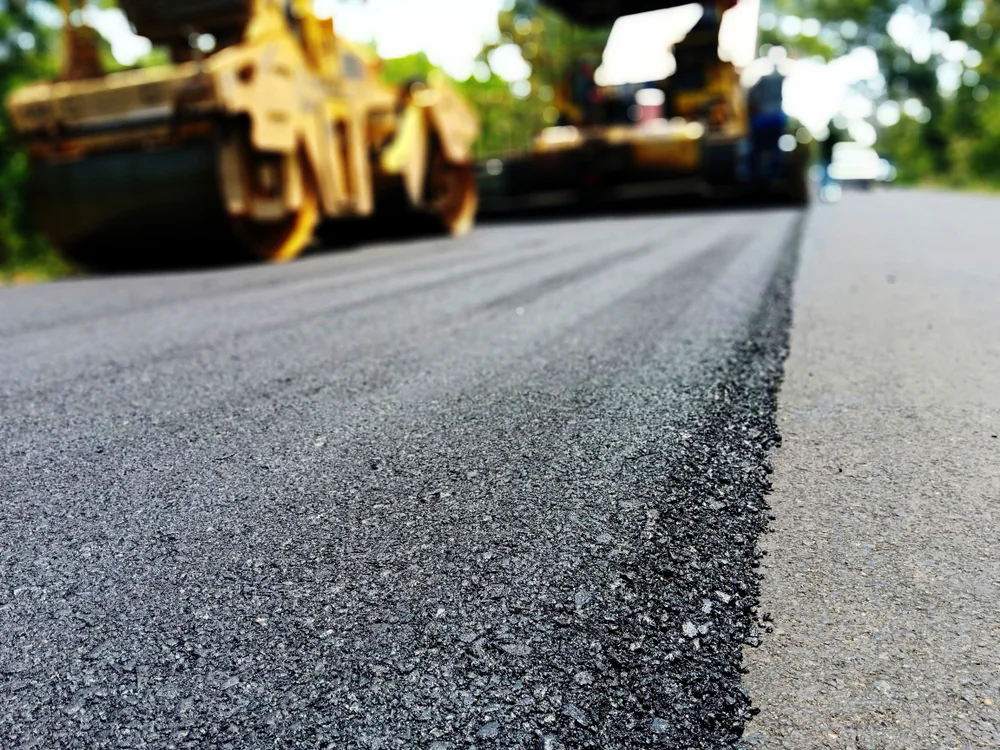
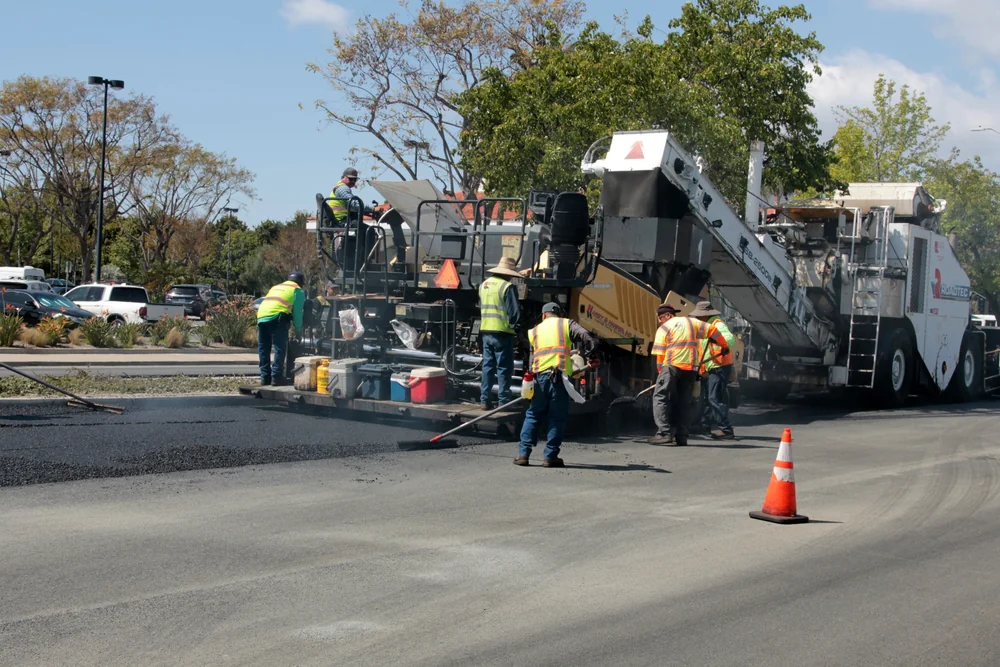
Next comes proper base preparation. We excavate to the right depth, install the correct stone base, and grade everything for optimal water runoff. This foundation work determines how long your new asphalt will last.
Then we install the asphalt at the right thickness for your specific needs. Residential driveways get different treatment than commercial parking areas. We compact everything properly while the material is still hot and workable.
Finally, we handle finishing details like proper edge work and any necessary grading adjustments. You get a complete installation that’s ready for Pennsylvania weather from day one.
Ready to get started?
We handle residential driveways, commercial parking lots, and industrial paving projects throughout Middletown and Dauphin County. Each project gets the same attention to detail whether it’s a small driveway repair or a complete parking lot installation.
Middletown’s location creates specific paving challenges. The area’s clay soils require proper base preparation. Winter temperatures that regularly drop below freezing demand asphalt mixes designed for freeze-thaw resistance. Summer heat that reaches into the 90s needs surfaces that won’t soften or rut under heavy use.
We also provide water management solutions, grading services, and ongoing maintenance. Many local properties need drainage improvements to prevent water damage to new asphalt. Our team handles these issues as part of a complete paving solution, not as expensive add-ons discovered after the fact.
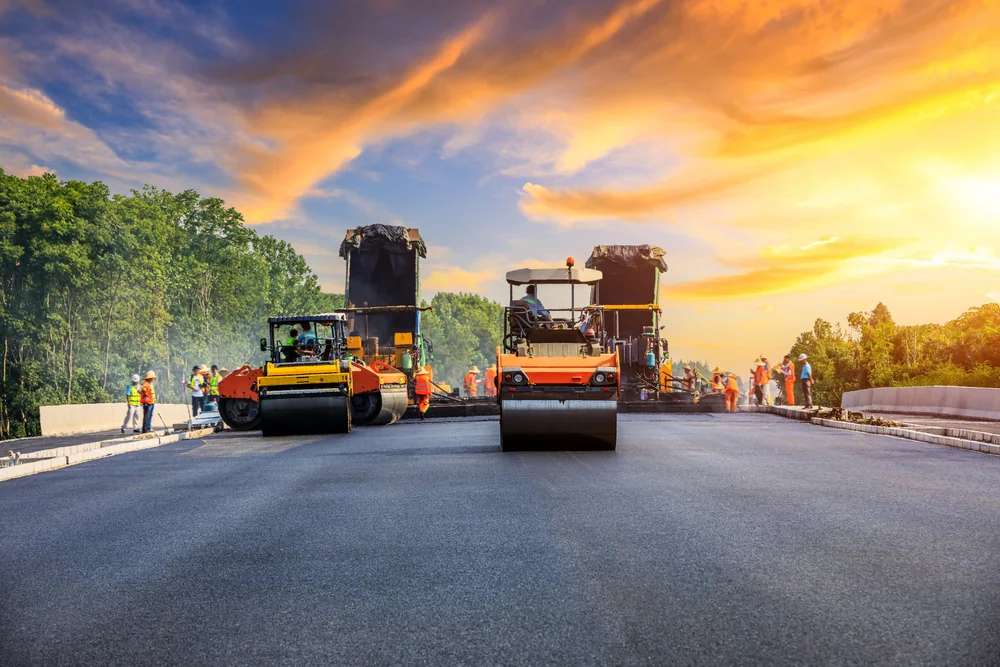
Late spring through early fall provides the best conditions for asphalt paving in Pennsylvania. We typically work from April through November, depending on weather conditions.
The key factor is ground temperature. Asphalt needs to be installed when ground temperatures are consistently above 50 degrees Fahrenheit. Below this threshold, the material cools too quickly for proper compaction, leading to weak spots that fail during winter freeze-thaw cycles.
We monitor weather forecasts carefully and only schedule installations when we can guarantee several dry days in a row. Moisture during or immediately after installation compromises the bond between asphalt layers and can cause premature failure.
Residential driveways in Pennsylvania should be 3 to 4 inches thick after compaction, depending on the specific application. New installations typically get 3.5 inches, while overlays over existing stable asphalt can be 2.5 to 3 inches.
The thickness depends on your driveway’s expected use and the condition of the base underneath. Driveways that will handle heavier vehicles or see frequent use need thicker asphalt. Properties with poor drainage or unstable soil conditions also require additional thickness for long-term durability.
Pennsylvania’s freeze-thaw cycles put extra stress on asphalt surfaces. Thinner installations may crack or develop potholes during winter months when water penetrates small surface cracks and expands when it freezes.
Freeze-thaw cycles are the primary cause of asphalt cracking in Pennsylvania. Water enters small surface cracks, freezes when temperatures drop, and expands by about 10 percent. This expansion forces cracks to grow larger.
When temperatures rise above freezing, the ice melts and allows water to penetrate deeper into the now-larger crack. The cycle repeats throughout winter, gradually destroying the asphalt structure from within.
Poor drainage makes this problem worse. Water that pools on the surface has more opportunity to find cracks and penetrate the asphalt. Proper installation includes grading for water runoff and using asphalt mixes designed to resist freeze-thaw damage.
New asphalt can typically handle light vehicle traffic within 24 to 48 hours in warm weather. However, full curing takes several weeks to complete, and the surface remains somewhat soft during this period.
Avoid parking in the same spots repeatedly during the first few weeks. Heavy vehicles or sharp turns can leave permanent impressions in asphalt that hasn’t fully hardened. This is especially important during hot summer weather when asphalt stays softer longer.
Cold weather extends curing time significantly. Fall installations may need 3 to 5 days before they’re ready for regular use. We provide specific guidance based on weather conditions and the particular asphalt mix used for your project.
No, new asphalt should not be sealed immediately after installation. Fresh asphalt needs 6 to 12 months to cure properly before sealcoating. Sealing too early can trap moisture and oils that need to escape during the curing process.
The asphalt surface needs time to oxidize and harden naturally. Premature sealing interferes with this process and can actually reduce the pavement’s long-term durability. Most manufacturers void warranties if asphalt is sealed before proper curing is complete.
Plan to have your driveway sealed the spring after fall installation, or the following fall after spring installation. This timing allows complete curing while providing protection before the next harsh weather season.
An overlay involves installing new asphalt over existing pavement that’s structurally sound but showing surface wear. Complete replacement means removing all existing asphalt and starting from the base layer.
Overlays work when the existing asphalt has minor cracking and surface deterioration but no major structural problems like large potholes, significant settling, or base failure. The existing surface must be stable and properly graded for water drainage.
Complete replacement is necessary when the existing asphalt has failed structurally, has major drainage problems, or shows extensive cracking that indicates base layer issues. While more expensive initially, replacement often provides better long-term value for severely damaged driveways.
Other Services we provide in Middletown