
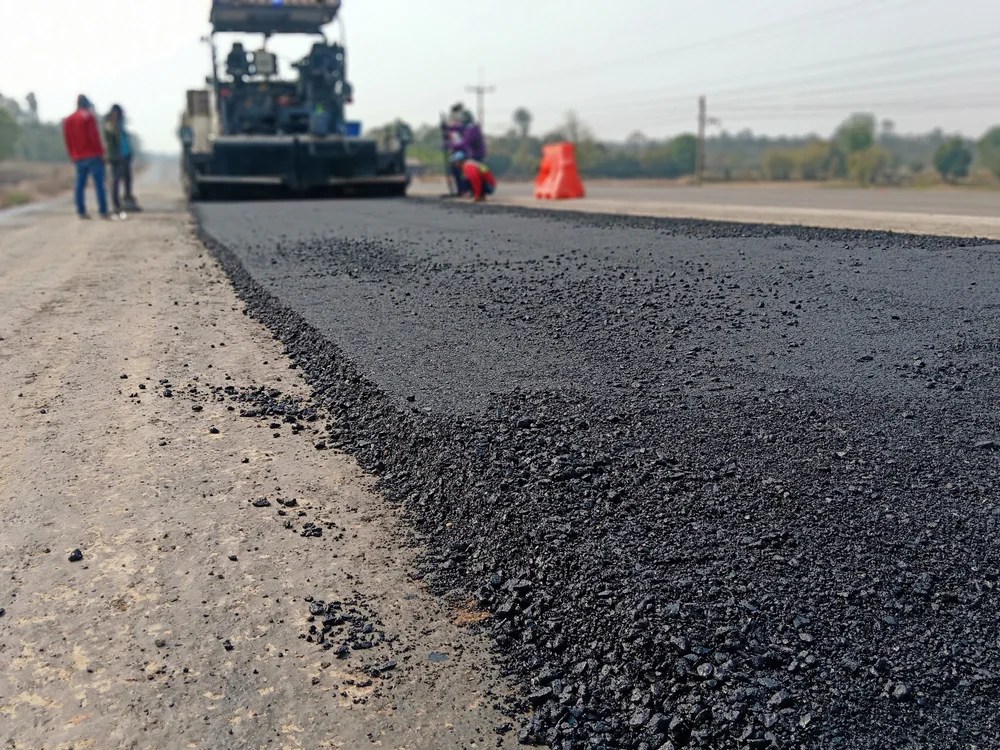
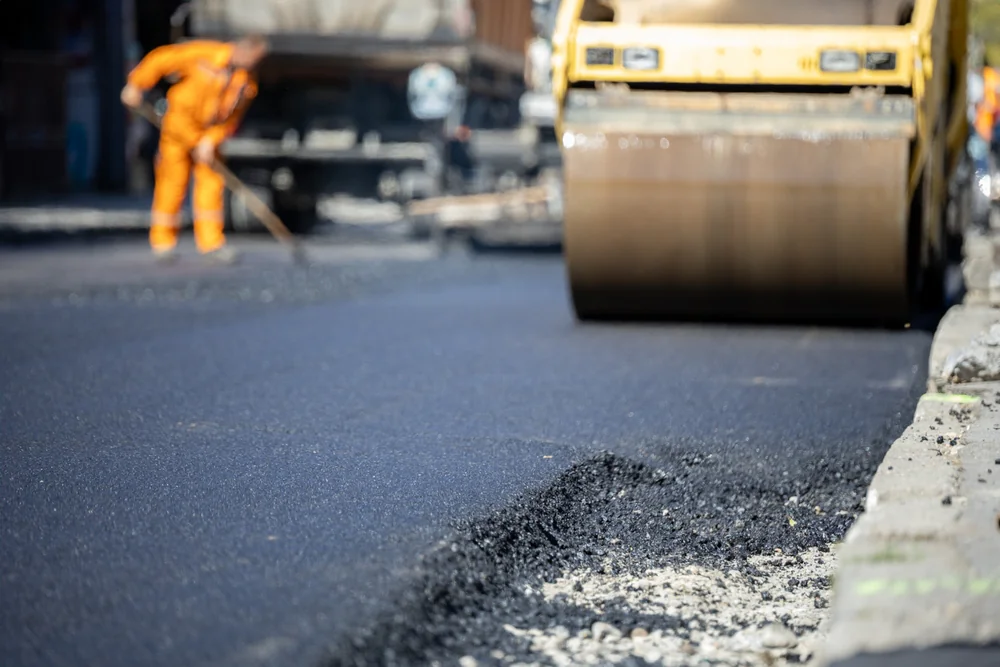
Your driveway takes a beating here. Thirty to fifty freeze-thaw cycles every winter. Water seeping in, freezing, expanding. Cracks spreading. Edges crumbling. Summer heat making everything worse.
You’re looking at paving installation that actually accounts for this. That means proper thickness—not the bare minimum. Drainage designed into the project from day one, not added as an afterthought. Materials chosen because they handle Pennsylvania’s extremes, not because they’re cheap.
When the work’s done right, you’re not patching cracks two years later. You’re not watching your investment deteriorate while contractors dodge your calls. You get a surface that does its job—quietly, consistently—for years.
Milford Square sits in one of the toughest climates for asphalt. We get that because we’ve been working in this area for decades, with roots in the paving industry going back to 1948.
This isn’t a crew bouncing between three jobs in one day. We focus on one project at a time—yours—so the work gets the attention it needs. Whether you’re a homeowner dealing with a cracked residential driveway or a business owner needing a commercial parking lot that handles daily traffic, you’re treated the same way: like the priority.
We’re built on transparent communication and straight answers. No disappearing after the deposit. No vague timelines. Just honest updates and work that reflects decades of hands-on experience in residential paving, commercial paving, and everything in between.
First, we assess your property. Not just measurements—drainage patterns, existing base conditions, how water moves across your site. Because if water’s your enemy (and in Pennsylvania, it is), you need to know where it’s going before asphalt goes down.
Next comes site prep. That means proper excavation and grading. If your base isn’t stable, nothing above it will be either. We handle this step while conditions are right, usually during the warmer months when the ground cooperates.
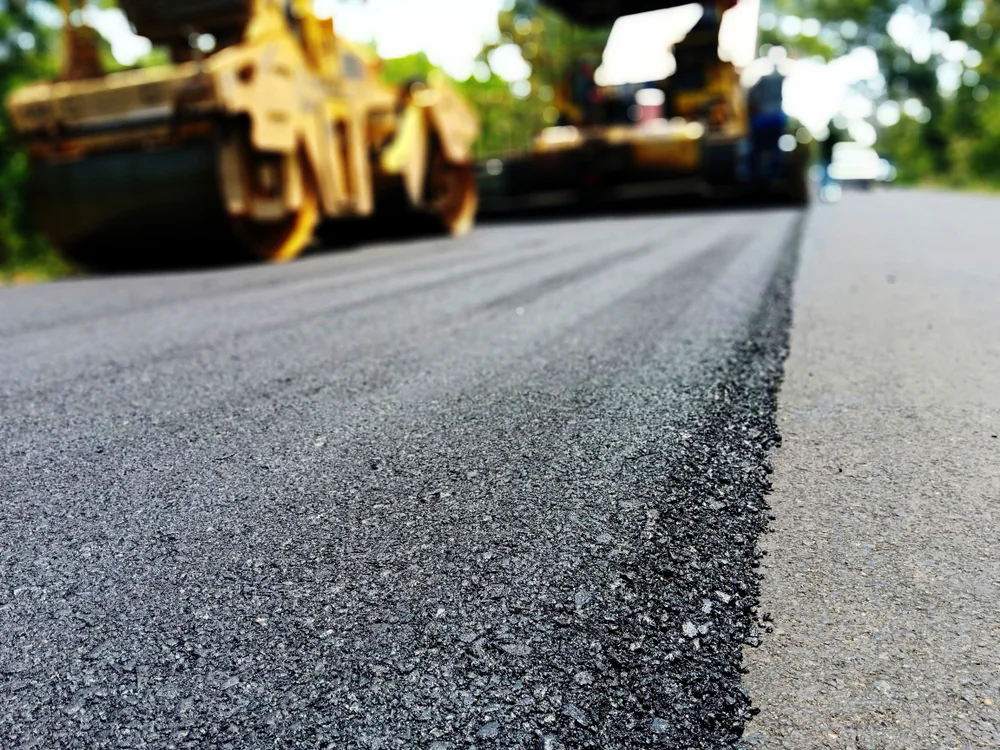
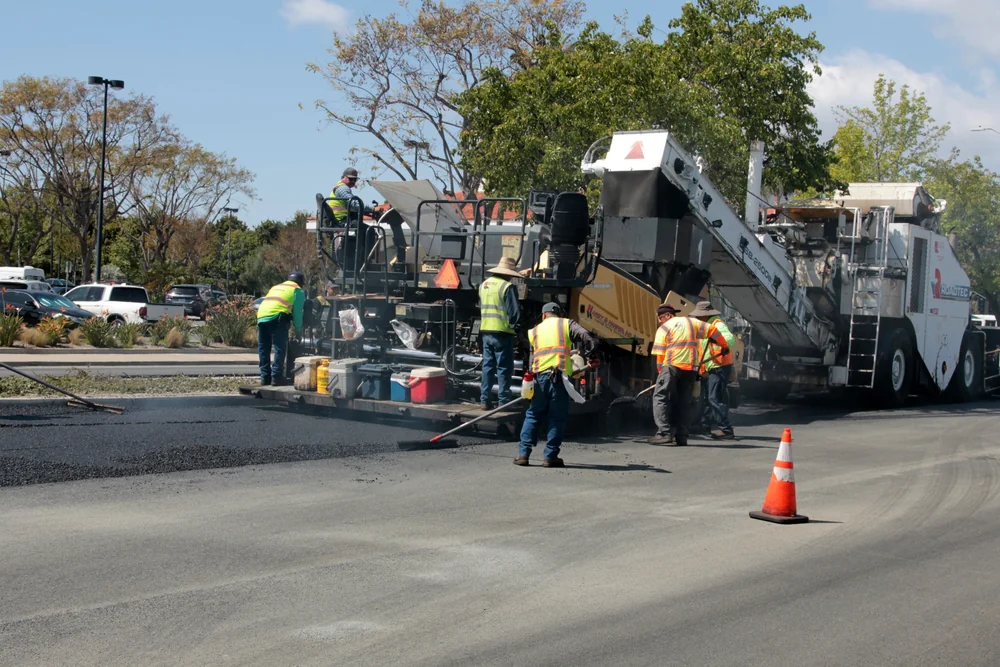
Then the paving installation. Hot mix asphalt arrives at 275-300 degrees. Timing matters here—it needs to be spread and compacted while it’s at the right temperature. Residential driveways typically get 2-3 inches of compacted asphalt. Commercial applications get 3-4 inches or more, depending on what kind of traffic you’re dealing with. We work efficiently because asphalt doesn’t wait around.
Finally, finishing and curing. Edges get hand-worked where equipment can’t reach. Transitions to existing surfaces are smoothed out. Then it cures. In warm weather, you’re looking at 24-48 hours before you can use it. Colder temperatures stretch that timeline, which is why scheduling matters.
Ready to get started?
Every project includes a site evaluation that looks at your specific drainage needs. In Milford Square and throughout Bucks County, water management isn’t optional—it’s the difference between pavement that lasts and pavement that fails. French drains, catch basins, proper grading: these get built into the plan from the start.
You also get material selection based on local climate. Pennsylvania’s temperature swings demand asphalt mixes that stay flexible in winter and firm in summer. We use hot mix designed for these conditions, not generic material that works fine in milder climates but cracks here.
For commercial clients, that means parking lots engineered for your traffic patterns and load requirements. For residential customers, it means driveways built to handle daily use plus Pennsylvania winters without constant maintenance. Our crew stays on your site until your project is complete—no juggling multiple jobs, no half-finished work sitting for days.
We also offer specialized discounts for seniors, military members, and first-time customers. Because while every project gets the same level of craftsmanship, we understand that budget matters too. You’ll get clear pricing upfront, transparent communication throughout, and work backed by five-star reviews from customers who’ve already been through the process.
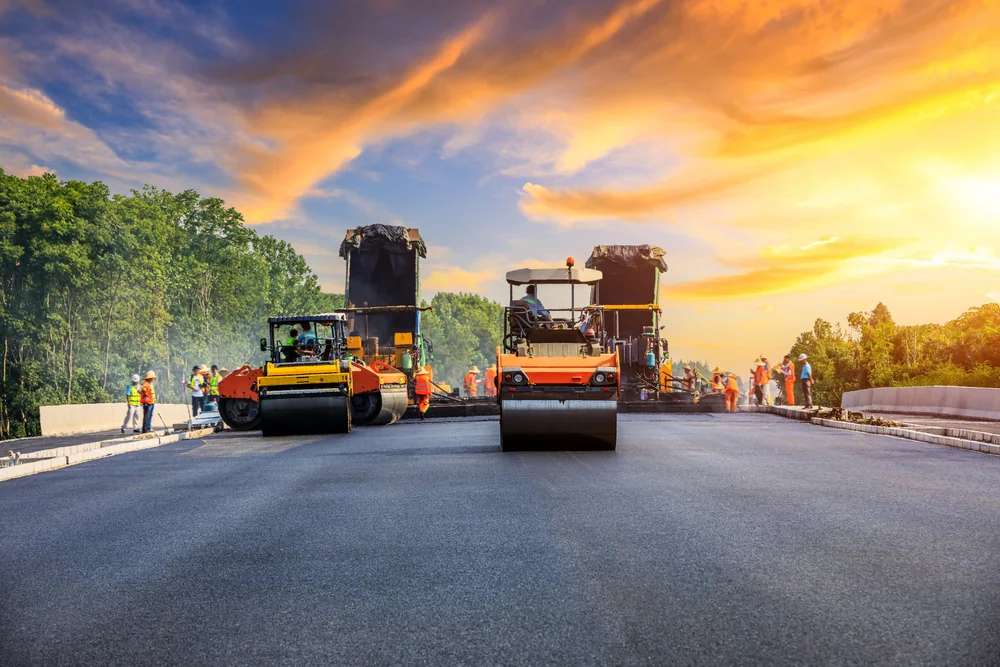
Late April through early October gives you the most reliable window. Asphalt needs to be installed and compacted at temperatures between 250-300 degrees Fahrenheit, and it needs ambient temperatures above 50 degrees to cure properly.
When temperatures drop below that threshold, the asphalt cools too quickly. That means inadequate compaction, weak bonding, and a surface that’s prone to cracking. Pennsylvania’s climate makes timing critical—you want the ground warm enough to bond properly and enough consecutive warm days for proper curing.
Fall is actually ideal for many projects because temperatures are moderate and conditions are dry. Spring works too, once the ground thaws completely. Summer’s fine if you avoid the absolute hottest days when asphalt can stay too soft. Winter’s generally off the table unless you’re dealing with an emergency repair and working with a contractor who has specialized equipment to manage the cold.
A properly installed asphalt driveway in this area should give you 15-20 years, sometimes longer with good maintenance. But that lifespan depends entirely on installation quality and how well the pavement handles Pennsylvania’s freeze-thaw cycles.
The key factors are thickness and drainage. Residential driveways need at least 2-3 inches of compacted asphalt over a solid base. Anything thinner won’t hold up. And if water can’t drain away from the surface, it seeps in, freezes, expands, and creates cracks—especially during those 30-50 freeze-thaw cycles Bucks County gets every winter.
Maintenance extends that lifespan. Sealcoating every 2-3 years protects against oxidation and water penetration. Filling cracks promptly stops them from spreading. Keeping edges clear of soil buildup prevents deterioration. But even with perfect maintenance, a poorly installed driveway won’t make it a decade. That’s why the initial installation matters more than anything else.
Start with local experience. A contractor who understands Pennsylvania’s climate will spec the right materials, plan for drainage, and know when conditions are actually suitable for paving. Someone from a milder climate might use techniques that fail here within a few years.
Ask about their process for base preparation and drainage. If they’re not talking about grading, water management, and proper compaction, they’re not thinking about what makes pavement last. You want specifics—how thick will the base be, what kind of asphalt mix, how will water drain away from the surface.
Check references and reviews, but focus on projects similar to yours. A company that does great commercial work might rush through residential driveways, or vice versa. Look for patterns in the feedback: do they communicate clearly, show up when promised, handle unexpected issues professionally?
Finally, get everything in writing. Timeline, materials, thickness, drainage plan, payment schedule. Vague estimates lead to disputes. Clear documentation protects both sides and shows the contractor takes the work seriously.
Asphalt typically costs less upfront than concrete—usually 30-40% less for a standard driveway installation. But comparing just the initial price misses the bigger picture.
Asphalt holds up better in Pennsylvania’s climate because it’s flexible. It moves with freeze-thaw cycles instead of cracking like rigid materials. It doesn’t need salt in winter, which means less chemical damage over time. And repairs are simpler—you can patch asphalt relatively easily, while concrete repairs often look obvious and don’t bond as well.
The real cost difference shows up over 15-20 years. A cheaper installation that fails in five years ends up costing more than a quality job that lasts two decades. Same with skimping on thickness or drainage—you save a few hundred dollars now and spend thousands on premature replacement later.
For commercial projects, the calculation includes downtime. Asphalt cures faster than concrete, so your parking lot is usable sooner. That matters if you’re losing business every day the lot’s closed. Get detailed quotes that break down materials, thickness, base prep, and drainage work. Then you’re comparing actual value, not just bottom-line numbers.
Clear the area of vehicles, outdoor furniture, and anything that might be in the way. If you have a garage, make sure we can access the full driveway width without obstacles.
Beyond that, we handle the preparation work. We’ll mark utility lines, manage excavation, and handle base prep. But you should discuss drainage issues upfront—if you know water pools in certain spots or runs toward your foundation, mention it during the initial consultation.
For commercial projects, you might need to coordinate with tenants or schedule around business hours. Some parking lot work can be phased so you don’t lose all your spaces at once. That’s something to plan during the estimate process, not the day paving starts.
One thing homeowners often forget: plan for a few days without driveway access. You’ll need to park on the street or make other arrangements while the asphalt cures. For most residential projects, that’s 24-48 hours in warm weather, potentially longer if temperatures are cooler. We’ll give you a specific timeline based on weather conditions.
Water damage is the biggest culprit. When water penetrates the surface, it seeps into the base layer. Then winter hits, temperatures drop, and that water freezes. Ice expands with tremendous force, creating cracks and pushing the pavement apart. Over 30-50 freeze-thaw cycles per winter, small cracks become major problems.
Poor drainage makes this worse. If water can’t run off the surface, it sits there looking for ways in. That’s why proper grading and drainage solutions matter from day one—they’re not extras, they’re essential to pavement survival in this climate.
Inadequate thickness is another common failure point. Some contractors cut corners with thin asphalt layers to lower their bid. But residential driveways need at least 2-3 inches of compacted asphalt, and commercial applications need more. Anything less won’t handle the stress of traffic plus Pennsylvania weather.
Finally, poor installation timing causes problems. Asphalt laid when temperatures are too cold doesn’t compact properly. It never achieves the density it needs, leaving it vulnerable to cracking and deterioration from the start. That’s why we won’t pave in marginal conditions—we know the pavement won’t last, even if the weather lets us technically complete the work.
Other Services we provide in Milfordsquare