
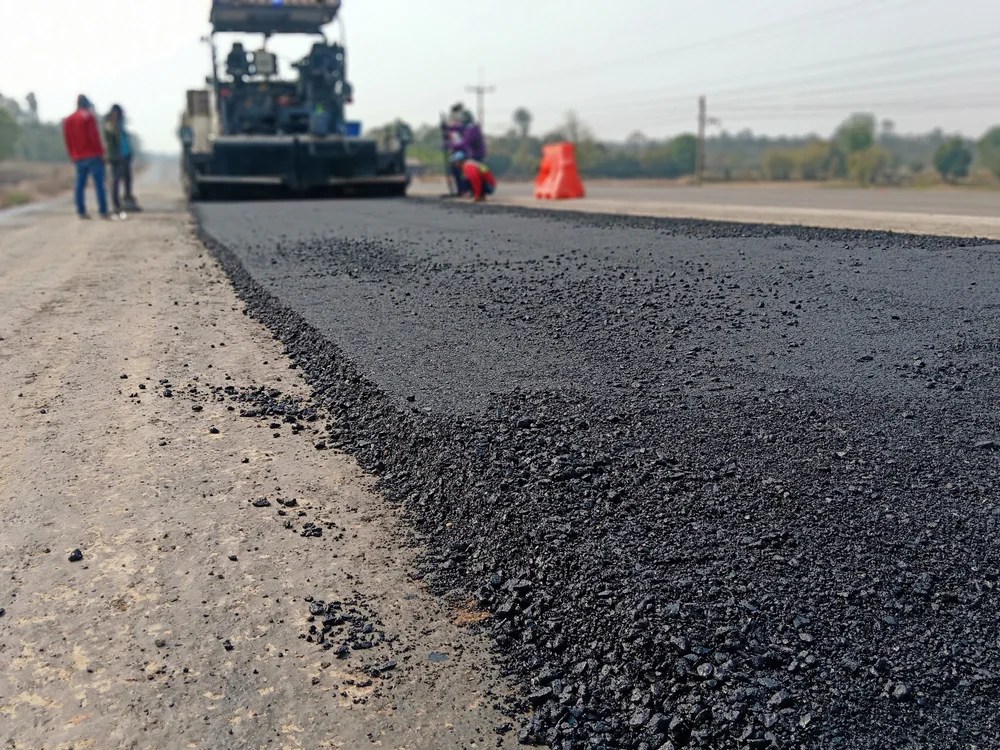
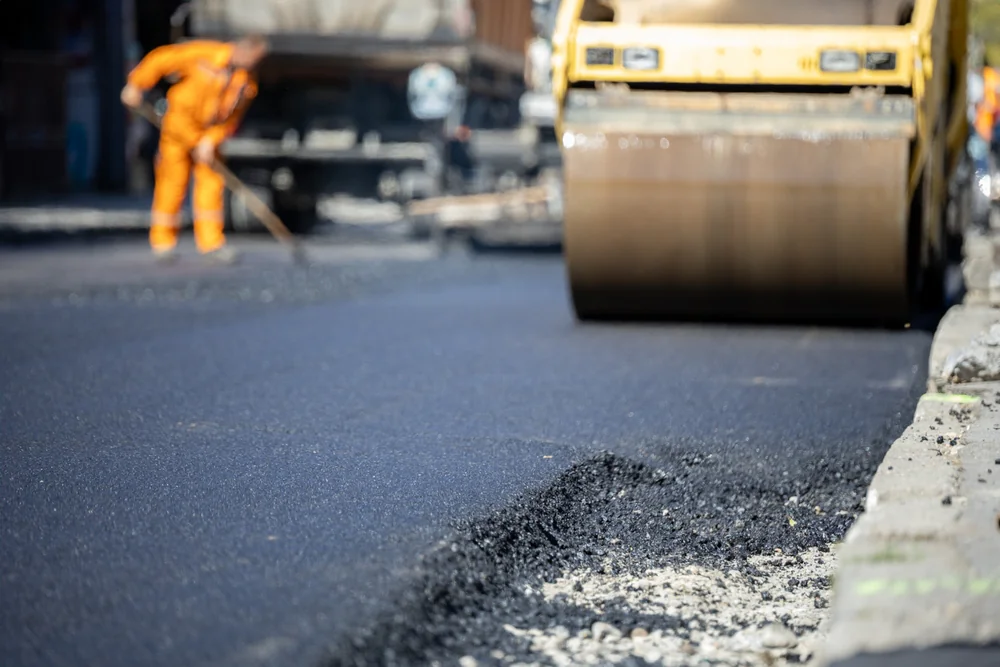
Your driveway should handle Pennsylvania winters without cracking apart by year two. It should shed water instead of pooling it. And it should look clean, not like a patchwork of repairs.
That’s what proper base prep and drainage design get you. When the foundation’s solid and the grading’s correct, your asphalt stays tight. Water runs off. Freeze-thaw cycles don’t destroy the surface before it’s even paid off.
You’re not dealing with a driveway that needs replacing in five years. You’re looking at a surface that holds up, season after season, because the work underneath was done right the first time.
Our roots go back to 1948. That’s not marketing—it’s nearly 80 years of family knowledge passed down and applied to every driveway, parking lot, and commercial project in NewtownGrant, PA and Bucks County.
The difference here isn’t just experience. It’s focus. We work one job at a time—your job—instead of bouncing between three sites trying to squeeze everything in. That means proper attention to grading, drainage, and base prep, not rushing to the next pour.
Residential driveways get the same care as commercial parking lots. Small budgets aren’t treated differently than large ones. Every project gets custom solutions for its specific drainage and traffic needs, because cookie-cutter approaches fail in real-world conditions.
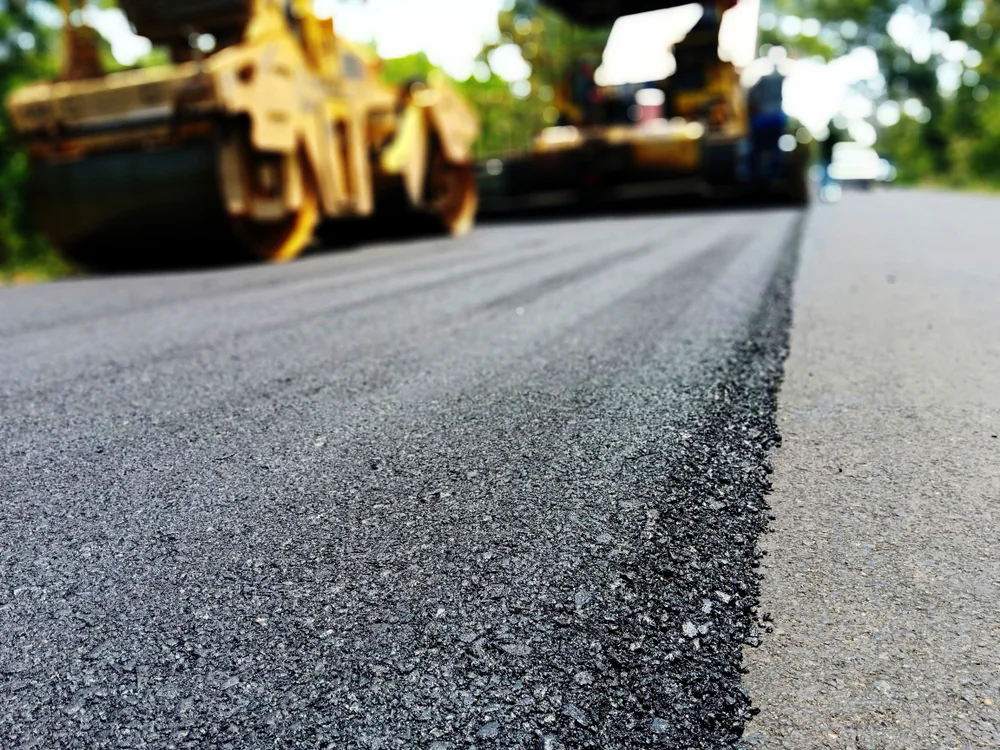
First, we assess the site. Drainage patterns, soil conditions, existing base quality—all of it matters before any asphalt goes down. If the current surface is failing, we remove it. If the base is weak or improperly compacted, we rebuild it.
The base layer is where most contractors cut corners, and it’s where most driveways fail. A proper base uses 4-6 inches of compacted aggregate, graded to promote water runoff away from your foundation. This isn’t optional—it’s the difference between a driveway that lasts and one that cracks within two winters.
Once the base is solid and properly sloped, asphalt goes down in layers. Residential driveways typically need 2-3 inches of compacted asphalt; commercial lots handling heavier traffic need 4+ inches. We compact the asphalt while it’s hot, creating a dense, water-resistant surface.
After installation, the surface needs time to cure—usually 24-48 hours before you can drive on it, and several months before it reaches full strength. You’ll get clear instructions on when it’s safe to use and what to avoid during the curing period.
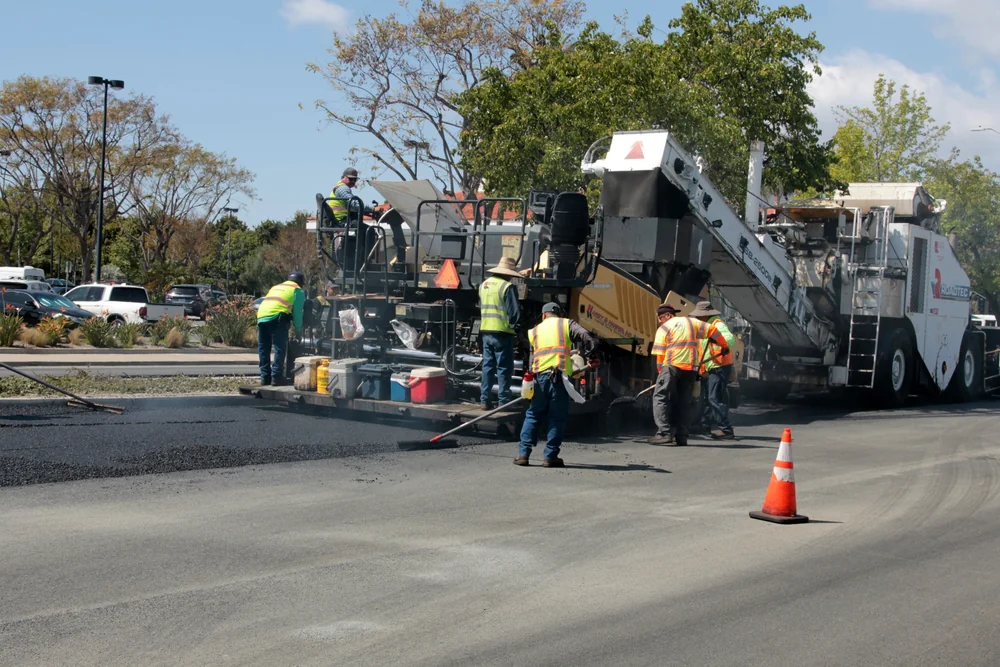
Ready to get started?
Every project starts with a site evaluation and ends with a surface that’s built for your specific needs. For residential driveways in NewtownGrant, PA, that means proper grading to handle spring runoff and winter freeze-thaw cycles common in Bucks County. For commercial parking lots, it means ADA-compliant layouts, proper drainage for larger surface areas, and asphalt thickness designed for daily traffic loads.
We don’t skip base preparation. We remove existing surfaces when necessary. We address weak soil. We compact the aggregate base in layers—not dump and smooth it over. We install drainage solutions where needed, because standing water destroys asphalt faster than anything else in Pennsylvania’s climate.
The asphalt itself is applied at proper thickness for your use case. Residential driveways don’t need the same build as a commercial lot, but both need enough material to handle their expected loads. We finish edges cleanly. We grade transitions to existing pavement or concrete aprons properly.
After installation, you’ll know exactly when the surface is ready for use and what maintenance schedule makes sense. Sealcoating typically happens six months after installation, then every 3-5 years depending on traffic and weather exposure. Small cracks get filled before they turn into bigger problems. That’s how an asphalt surface lasts 15-20 years instead of needing replacement at year eight.
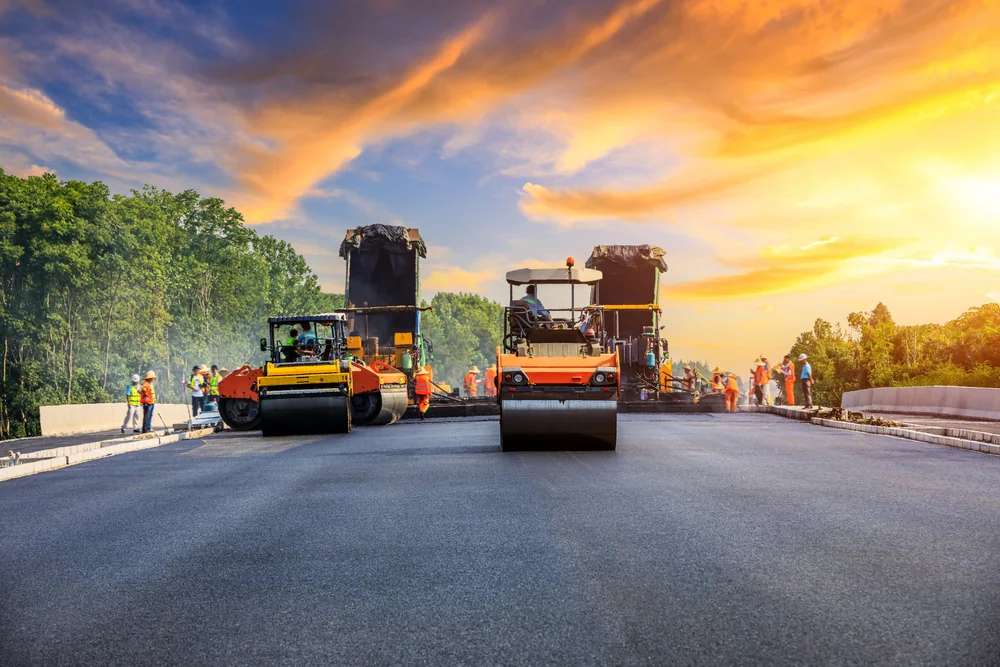
Asphalt paving in Pennsylvania typically runs $4-$7 per square foot for residential driveways with 3-4 inches of compacted asphalt. That price includes removing your old driveway, installing a proper aggregate base, and laying new asphalt. A standard two-car driveway (12 feet by 40 feet) usually costs $2,000-$3,500.
The range depends on your specific site conditions. If your existing base is solid and just needs resurfacing, costs drop. If you’ve got drainage issues, poor soil, or need significant grading work, costs go up. Commercial parking lots cost more per square foot because they need thicker asphalt (4+ inches) to handle heavier loads.
Don’t compare quotes on price alone. A contractor charging $3 per square foot is either cutting corners on base prep, using thinner asphalt, or planning to upsell you later. The lowest bid usually means the shortest lifespan. Ask what’s included—base depth, asphalt thickness, drainage work—and compare those details, not just the bottom line.
Asphalt is solid enough for light foot traffic within a few hours, but you should wait at least 24-48 hours before driving on it. That’s when it’s cooled and set enough to handle vehicle weight without leaving tire marks or indentations.
Full curing takes much longer—typically three to six months. During that time, the asphalt continues hardening and reaching its maximum strength. You can use your driveway normally after the first 48 hours, but avoid parking in the exact same spots every day for the first few weeks. Heavy vehicles, sharp turns, and kickstands can still leave marks during the early curing period.
Temperature affects curing time. Hot summer installations cure faster than fall paving. We’ll give you specific guidance based on the weather conditions during your installation. And don’t seal coat your new asphalt immediately—wait at least six months to let it cure fully before applying any sealant.
Water is asphalt’s biggest enemy, especially in Pennsylvania where freeze-thaw cycles happen all winter. When water pools on your driveway or seeps into the base layer, it causes two major problems: it weakens the foundation, and it expands when it freezes, cracking the asphalt from underneath.
Proper drainage means grading your driveway with a 1-2% slope—about a quarter inch of drop per foot—directing water away from your house and garage. This prevents pooling and keeps water from flowing toward your foundation. Some properties need additional drainage solutions like catch basins or French drains, especially in low-lying areas or where natural runoff patterns work against you.
A driveway without proper drainage will fail prematurely, no matter how good the asphalt quality is. You’ll see cracking within a year or two, potholes forming where water repeatedly freezes and thaws, and eventual base failure requiring complete replacement. Getting the drainage right during installation costs far less than fixing water damage later.
An overlay means applying a new layer of asphalt (usually 1.5-2 inches) over your existing driveway. It’s cheaper and faster than full replacement, and it works well if your current driveway has only surface damage—minor cracking, fading, or small potholes—but the base underneath is still solid.
Complete replacement means ripping out the old asphalt and base, rebuilding from the ground up. You need this when your driveway has major structural problems: widespread cracking, base failure, significant settling, or drainage issues. If your base is compromised, an overlay just covers up problems temporarily. The new asphalt will fail just as fast as the old stuff did.
The decision comes down to what’s happening below the surface. We assess your base condition before recommending overlay or replacement. If your driveway is less than ten years old and already failing, the base was probably done wrong, and overlay won’t fix it. Replacement costs more upfront but gives you another 15-20 years instead of buying yourself three to five years with an overlay.
Start with how they found you. If someone shows up at your door with leftover asphalt offering a “great deal before it cools,” walk away. Reputable contractors don’t work that way. We have scheduled jobs, proper equipment, and established reputations in the community.
Check references and reviews, but go deeper than star ratings. Look for specifics: Did the contractor show up when promised? Did they communicate clearly about timeline and process? How does the driveway look three years later? Ask neighbors who’ve had work done recently. Bucks County is a tight-knit area—word travels fast about who does quality work and who disappears after payment.
Get detailed written estimates from at least three contractors. Compare what’s included—base depth, asphalt thickness, drainage work, cleanup, timeline. If one bid is significantly lower, ask why. Cheap bids usually mean thin asphalt, minimal base prep, or hidden costs added later. A good contractor explains their process, answers your questions without pressure, and provides clear contracts specifying materials and methods. If they’re vague about details or pushy about signing immediately, keep looking.
Pennsylvania’s freeze-thaw cycles are tough on asphalt, so maintenance matters. Sealcoating is your first line of defense—apply it six months after installation, then every three to five years. Sealant protects against UV damage, prevents water infiltration, and fills small surface imperfections before they become cracks.
Crack filling should happen as soon as you notice cracks forming. Small cracks let water seep into the base, where it freezes, expands, and turns small problems into big ones. Fill cracks while they’re still hairline-thin, not after they’ve spread into networks. This is inexpensive preventive work that adds years to your driveway’s life.
Keep your driveway clean. Remove oil and gas spills quickly—petroleum products break down asphalt binders. Avoid using metal shovels or sharp-edged snow removal tools in winter. Don’t let water pool anywhere on the surface. Watch for edge deterioration and address it before it spreads. A well-maintained asphalt driveway in NewtownGrant, PA should last 15-20 years. Neglected driveways start failing at eight to ten years and need replacement. The difference is regular attention to small issues before they become expensive problems.
Other Services we provide in Newtowngrant