You’re not looking for the cheapest quote. You’re looking for a driveway or parking lot that won’t crack, settle, or turn into a maintenance nightmare two winters from now.
When asphalt is installed correctly, you get a surface that handles Pennsylvania’s freeze-thaw cycles without buckling. Water drains where it should. Edges stay clean. The base doesn’t shift under weight.
That’s what happens when the prep work gets the same attention as the final pass of the roller. You end up with a surface that does its job for 25 years or more, not 25 months. And you’re not calling someone back to fix what should’ve been done right the first time.
We’ve been in the paving business since 1948. That’s not a typo—it’s three generations of learning what works, what doesn’t, and what actually matters when you’re laying asphalt in Northampton County.
We don’t juggle five jobs at once or rush your project to get to the next one. Our crew shows up, focuses on your property, and doesn’t leave until the work meets the standard. Every client gets treated the same way, whether it’s a residential driveway in Northampton or a commercial lot in the Lehigh Valley.
Our approach is straightforward: honest communication, personalized solutions for each site’s drainage and grading challenges, and a reputation built on five-star reviews and repeat business. No pressure, no runaround—just clear answers and quality work.
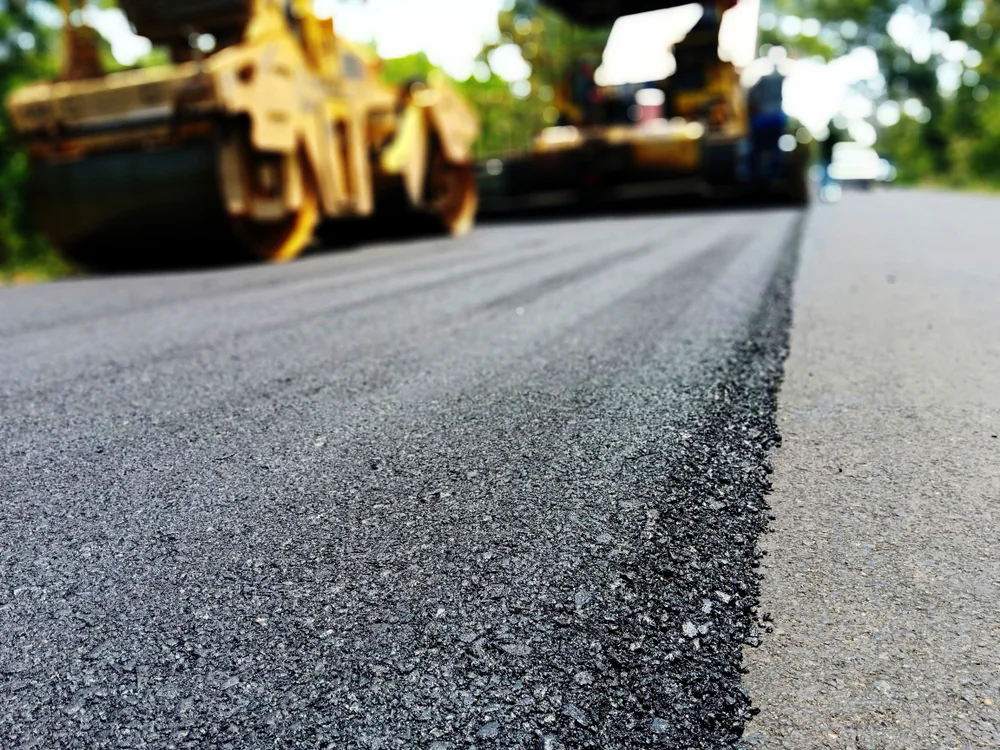
First, the old surface comes out—asphalt, concrete, whatever’s there. It gets removed completely so there’s a clean slate to work with. Then the site gets graded and sloped. This step matters more than most people realize because it controls where water goes. If the grade’s wrong, water pools, and that’s how you get cracks and frost heave.
Next comes the sub-base. This is the foundation under your asphalt, usually compacted gravel or crushed stone. It needs to be thick enough and stable enough to support the weight above it without shifting. We don’t skip this step or cut it thin to save time.
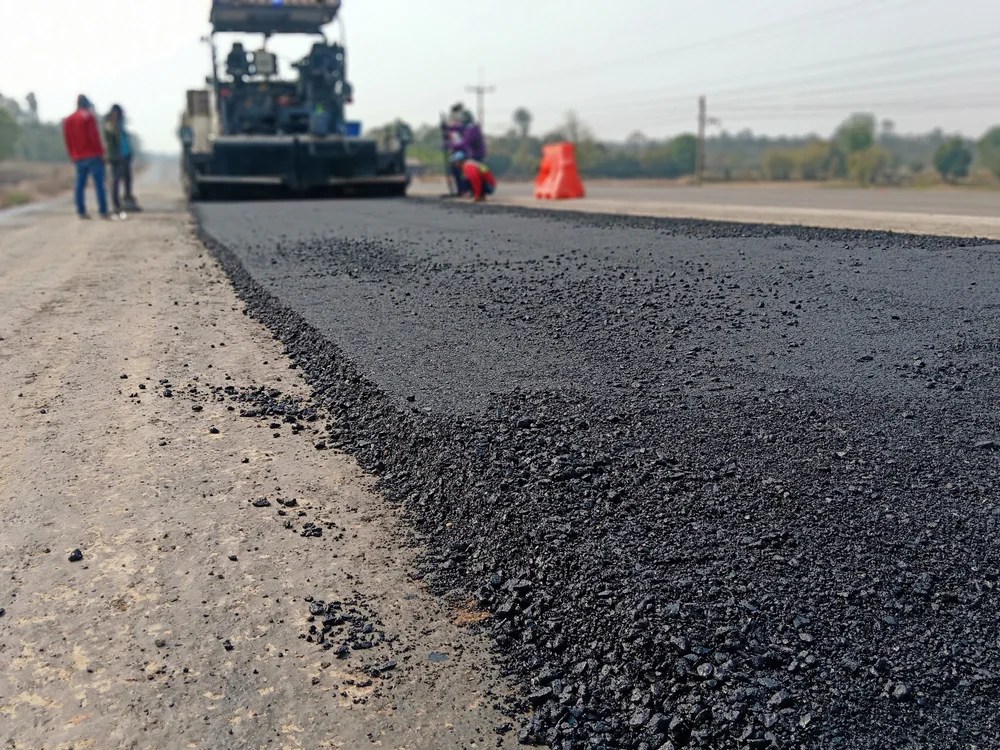
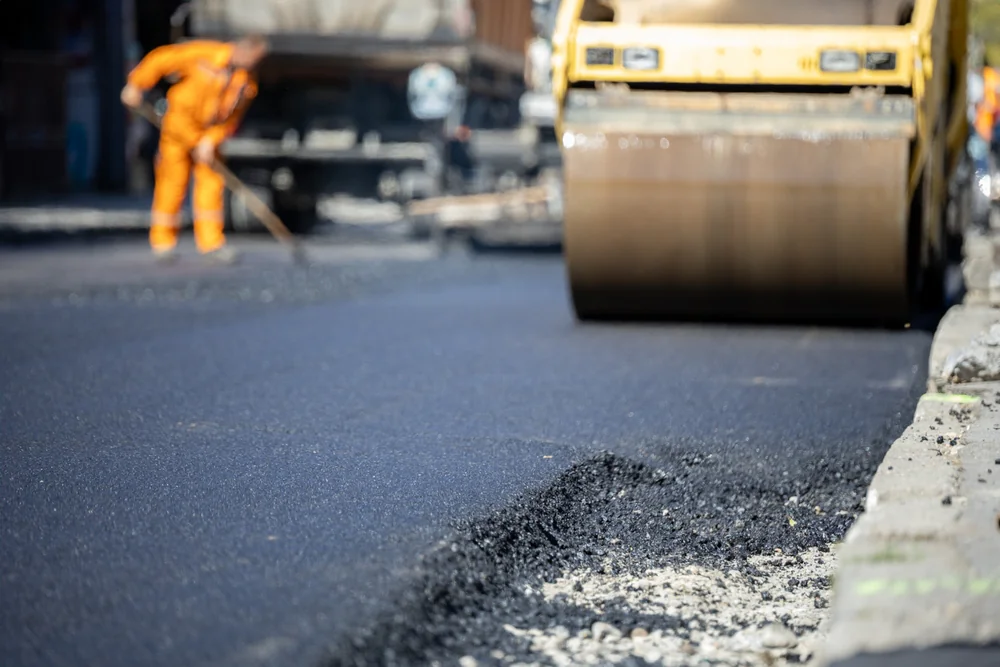
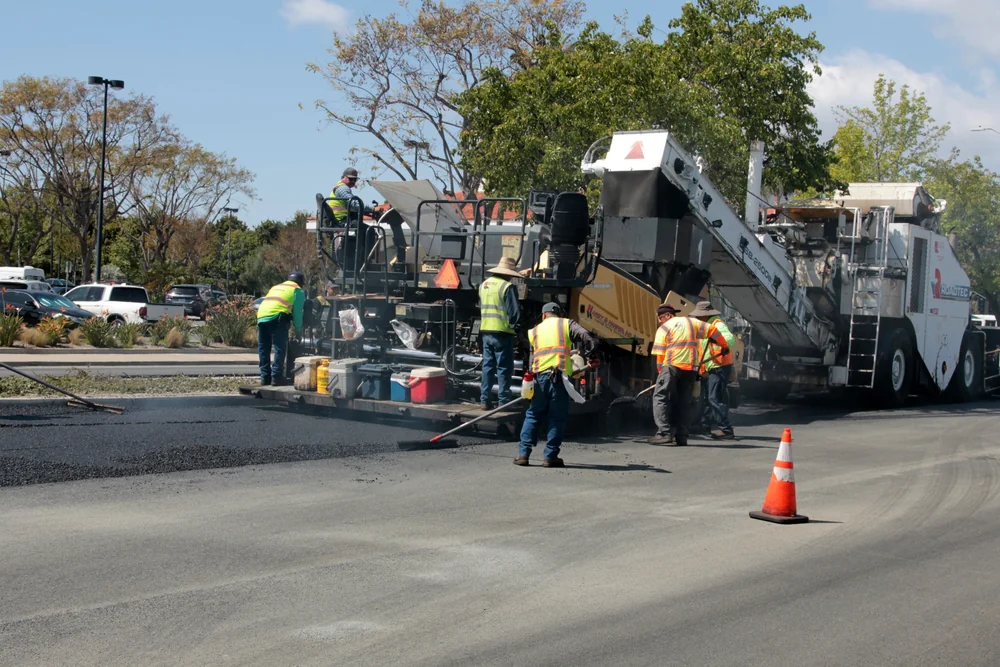
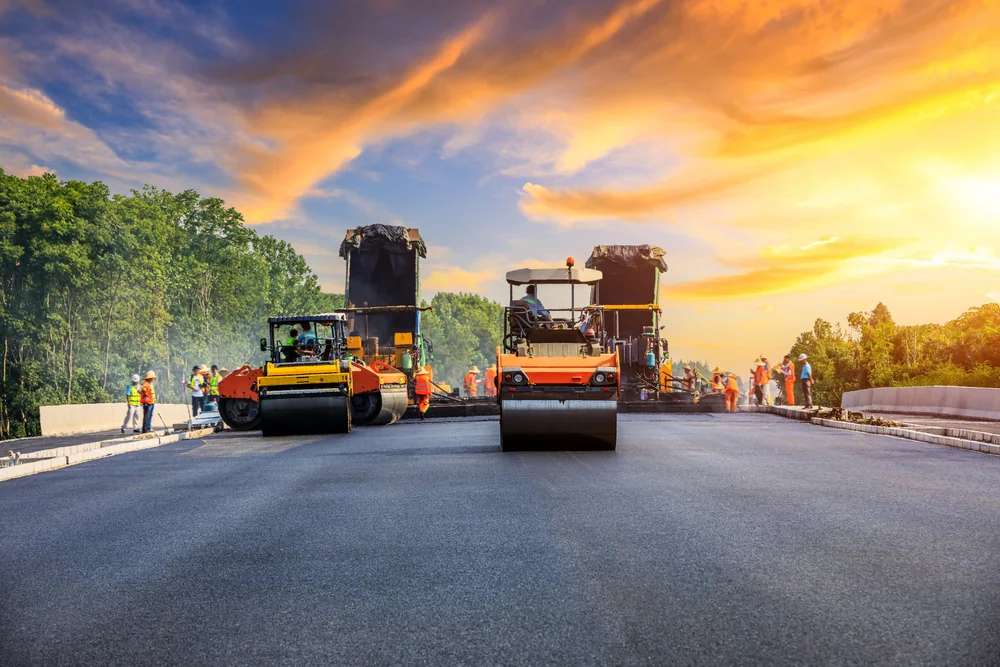
After the base is compacted and tested, the binder layer goes down, followed by the surface course—the smooth asphalt you’ll actually see and drive on. The whole surface gets compacted with a roller to eliminate air pockets and lock everything in place. Edges and transitions to existing pavement are finished carefully so there’s no lip or uneven spot where old meets new.
The process takes a few days depending on the size of the job. You’ll know what to expect before work starts, and you’ll get updates as things move forward.
Ready to get started?
We handle both residential driveways and commercial projects—parking lots, industrial sites, private roads. The same attention to base prep, drainage, and compaction applies whether it’s a homeowner in Northampton or a business in the Lehigh Valley.
For residential work, that means driveways built to handle daily use and Pennsylvania winters without cracking or settling. Proper thickness (at least 2-3 inches of compacted asphalt over a solid base), grading that keeps water away from your foundation, and clean edges that tie into your existing driveway or garage.
Commercial projects get the same treatment, just scaled up. Parking lots need to handle heavier loads, more traffic, and often require ADA-compliant grading and striping. We have the equipment and experience to manage those details without cutting corners or creating disruptions that hurt your business operations.
Water management is a big part of every job. Northampton’s weather means freeze-thaw cycles that can destroy poorly drained asphalt. We plan for runoff, grade surfaces correctly, and build in the kind of durability that keeps maintenance costs low over the years.
We also offer discounts for seniors, military members, and first-time customers—because good work shouldn’t be out of reach for people who’ve earned it or need it most.
For a residential driveway, you’re looking at a minimum of 2 inches of compacted asphalt, but 2.5 to 3 inches is better if you want it to last. That thickness sits on top of a compacted gravel base—usually 4 to 6 inches depending on soil conditions and drainage needs.
Commercial lots or driveways that see heavier vehicles need more. You might go 3 to 4 inches of asphalt, sometimes with a binder layer underneath the surface course for extra strength. The base prep matters just as much as the thickness. If the sub-base isn’t compacted properly, even thick asphalt will crack and settle.
In Northampton, where freeze-thaw cycles are a fact of life, cutting corners on thickness or base work is a mistake. Thin asphalt might look fine at first, but it won’t hold up when winter hits and the ground shifts. A properly built driveway with the right thickness and a solid base will give you 25 years or more with basic maintenance.
Most residential driveways take 2 to 3 days from start to finish—demolition, grading, base prep, and paving. Larger commercial projects take longer depending on size and complexity, but you’ll get a clear timeline before work starts.
Once the asphalt is down, you can walk on it within 24 hours. For vehicles, wait at least 48 to 72 hours before driving on it. The asphalt needs time to cool and set properly. Heavy vehicles or parking in the same spot repeatedly should wait a full week to avoid creating depressions in the surface.
Full curing takes longer—several weeks to a few months—but you can use the surface normally after that initial 2-3 day window. Just avoid sharp turns with heavy vehicles and don’t park a trailer or dumpster on it right away. Following those guidelines protects your investment and ensures the surface holds up the way it should.
Water is the main culprit. If the driveway wasn’t graded correctly or the base wasn’t compacted enough, water gets underneath the asphalt. In Pennsylvania, that water freezes and expands in winter, then thaws in spring. That freeze-thaw cycle pushes the asphalt up (frost heave) or creates voids underneath that eventually collapse into potholes.
Poor base preparation is the other big issue. If the sub-base is too thin, not compacted properly, or built on unstable soil, the asphalt above it will shift and crack under normal use. Some contractors rush this step or skip it entirely to save time, and that’s when you see driveways failing within a few years.
Thin asphalt also contributes. If the surface layer is only an inch or so, it doesn’t have the structural strength to handle weight and weather. Proper maintenance helps—sealcoating every 3 to 5 years fills small cracks and protects against UV damage and water infiltration. But no amount of maintenance can fix a driveway that was built wrong from the start. The foundation has to be solid.
Asphalt paving in the Northampton area typically runs $7 to $15 per square foot, depending on the scope of work, site conditions, and thickness required. A standard two-car driveway (around 600 square feet) might cost $4,000 to $6,000 for a complete tear-out and replacement with proper base prep.
If you’re resurfacing an existing driveway that’s in decent shape, the cost is lower—usually $1.50 to $3 per square foot—because you’re not rebuilding the base. But resurfacing only works if the existing base is solid. If there are drainage issues, settling, or major cracks, resurfacing just covers up problems that will come back.
Commercial projects cost more due to size, thicker asphalt requirements, and additional work like striping and ADA compliance. Every project is different, so the best way to get an accurate number is to have someone look at your site, ask about your needs, and give you a detailed estimate. We provide clear pricing with no hidden fees or surprise charges—just honest numbers based on what the job actually requires.
Yes, but it’s not complicated. The main thing is sealcoating every 3 to 5 years. Sealcoating fills small cracks, protects against UV damage and water infiltration, and keeps the surface looking clean. It’s a relatively inexpensive step that extends the life of your asphalt significantly.
You should also fill cracks as soon as you notice them. Small cracks turn into big cracks when water gets in and freezes. Catching them early with crack filler prevents bigger repairs down the road. Keep the surface clean—sweep off debris, remove oil stains when they happen, and avoid letting heavy vehicles sit in the same spot for long periods.
If your asphalt was installed correctly with proper drainage and a solid base, maintenance is minimal. You’re mostly just protecting the surface from wear and weather. But if the foundation wasn’t built right, no amount of maintenance will save it. That’s why the installation matters so much. Good asphalt lasts decades with basic care. Poor asphalt becomes a money pit no matter what you do.
Start with experience and reputation. Look for contractors who’ve been in business for years and have verifiable reviews from real customers. Five-star ratings on Angie’s List or similar platforms tell you other people were satisfied with the work. Ask to see examples of completed projects, especially ones similar to yours.
Communication matters. A good contractor explains the process, answers your questions without dodging, and gives you a clear timeline and estimate. If someone’s vague about what’s included or pressures you to sign immediately, that’s a red flag. You want transparency, not a sales pitch.
Make sure they talk about base preparation and drainage. Those are the most important parts of the job, and they’re also where shortcuts happen. If a contractor focuses only on the top layer of asphalt and doesn’t mention grading, compaction, or sub-base work, they’re probably not doing it right. The cheapest bid usually means someone’s cutting corners. You’re better off paying a fair price for work that lasts than saving money upfront and dealing with repairs two years later.
Other Services we provide in Northampton