Most people hiring an asphalt contractor just want two things: work that lasts and a crew that shows up when they say they will. Everything else is noise.
When your driveway’s done right, you’re not dealing with cracks by next spring. Water drains where it should. Ice doesn’t pool at the bottom. You’re not calling someone back in two years because the edges are crumbling or the surface is already failing.
That’s what proper base prep, correct grading, and the right asphalt thickness get you. Not just a smooth surface today, but a driveway or parking lot that actually handles freeze-thaw cycles, heavy vehicles, and years of use without falling apart. Whether it’s residential driveway paving or a commercial parking lot, the process matters more than the sales pitch.
We bring over 75 years of combined asphalt experience to Silverdale, PA, with roots in the paving industry dating back to 1948. We handle everything from residential driveways to commercial parking lots and industrial paving projects—treating every job with the same level of care, regardless of size or budget.
What sets us apart is simple: one crew, one project at a time. That means full attention on your property until it’s done right. No juggling multiple jobs, no disappearing for days, no excuses. Just clear communication, transparent timelines, and work that meets the standard you’re paying for.
With five-star reviews on Angie’s List and a reputation built on repeat clients, we operate on a straightforward philosophy: treat every customer like the top priority and find solutions that fit each property’s unique needs. We also offer discounts for seniors, military members, and first-time customers throughout the Silverdale, PA area.
First, there’s a site evaluation. That means looking at drainage patterns, grading issues, soil conditions, and access. If water’s pooling now, it’ll pool worse with new asphalt unless the grading gets fixed first. This step determines whether you need additional base work, better drainage solutions, or adjustments to the slope.
Next comes excavation and base preparation. Old asphalt or damaged material gets removed. The subgrade gets compacted properly—this is the foundation everything else sits on. Then a graded aggregate base goes down, usually several inches depending on the project. This layer is what keeps your pavement from shifting, cracking, or sinking over time.
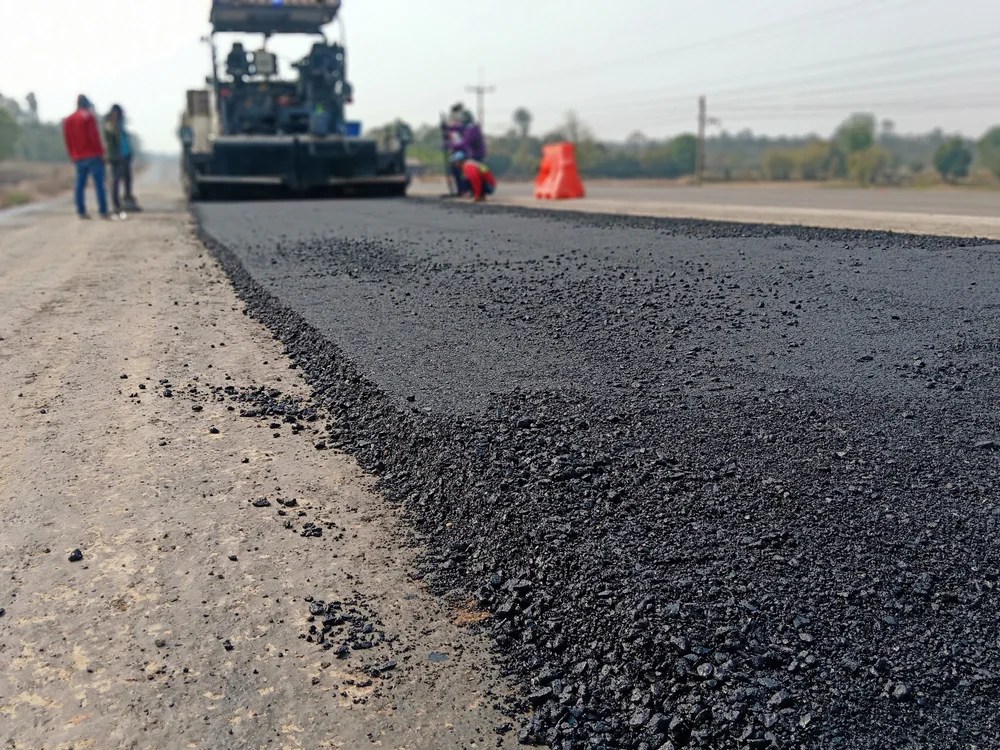
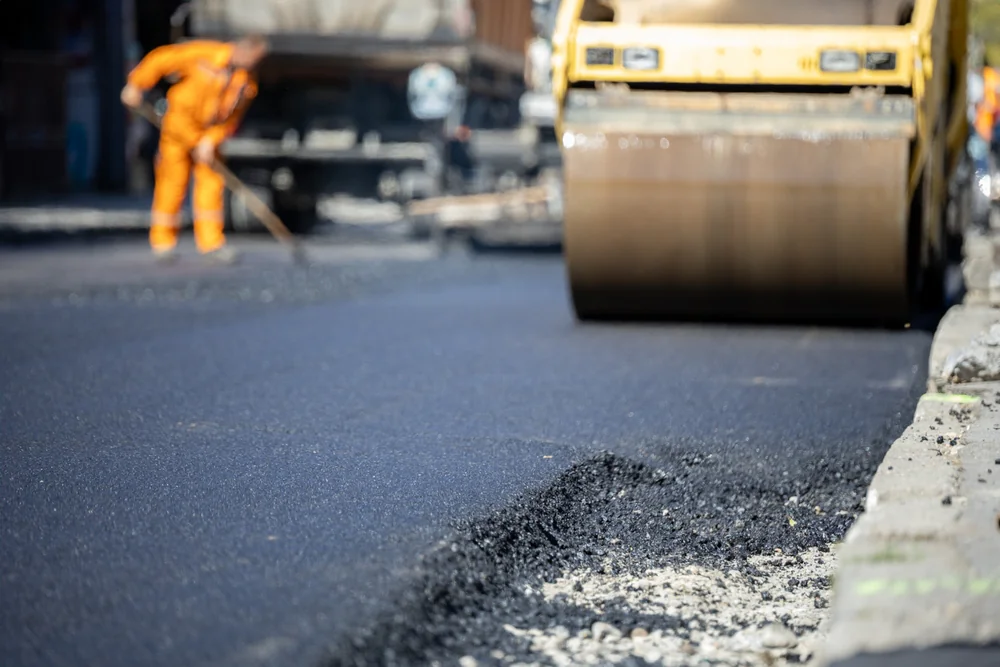
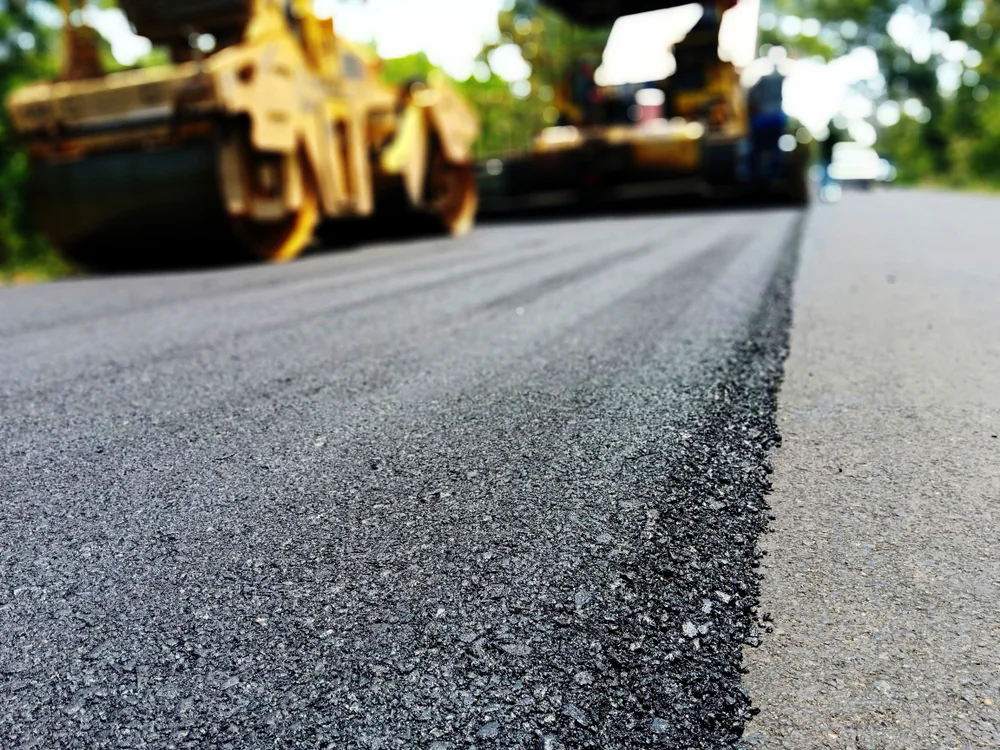
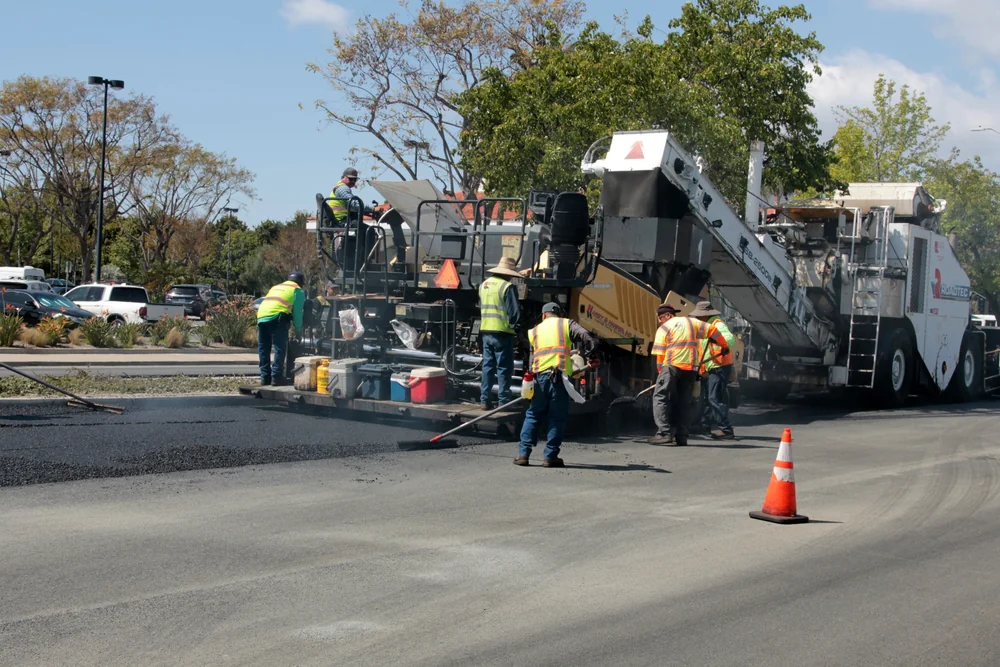
After the base is compacted and inspected, the asphalt gets installed. Hot mix asphalt is laid at the correct thickness for your specific use—residential driveways typically need 2-3 inches over a solid base, while commercial paving projects often require more depending on traffic load. The material is spread evenly, graded for proper water runoff, and compacted with heavy rollers while still hot.
Final grading, edging, and cleanup follow. You’ll know exactly when you can drive on it—usually 24-48 hours depending on weather. We walk the property, answer any questions, and make sure everything meets expectations before we leave.
Ready to get started?
Every paving installation with us includes proper site prep, grading for drainage, quality base materials, and hot mix asphalt applied at the right thickness for your needs. Residential driveway paving covers everything from small single-car driveways to larger multi-vehicle surfaces, with attention to curb appeal and long-term durability.
Commercial paving services handle parking lots, access roads, and industrial surfaces that need to support heavier loads and higher traffic volumes. That includes proper striping layouts, ADA-compliant access, and coordination to minimize disruption to business operations.
In Silverdale, PA, weather plays a major role in paving longevity. Freeze-thaw cycles are harsh on asphalt that wasn’t installed correctly. We account for Pennsylvania’s climate in every project—ensuring adequate base depth, proper compaction, and drainage solutions that prevent water from sitting under the surface where it can freeze and cause heaving or cracking.
Additional services include grading and water management solutions for properties with drainage challenges, repairs to existing asphalt surfaces, and customized approaches for properties with unique access or terrain issues. Every project receives a detailed estimate upfront, with clear explanations of what’s included and why each step matters.
A properly installed asphalt driveway in Pennsylvania typically lasts 20-30 years, but that depends entirely on the quality of installation and maintenance. The biggest factor isn’t the asphalt itself—it’s what’s underneath.
If the base wasn’t prepared correctly, or if drainage issues weren’t addressed, you’ll see cracks and deterioration within 3-5 years. Pennsylvania’s freeze-thaw cycles are brutal on asphalt that’s sitting on a weak or shifting base. Water seeps into small cracks, freezes, expands, and breaks the pavement apart from below.
Proper installation means adequate excavation, a compacted aggregate base (usually 4-8 inches depending on soil and use), correct asphalt thickness, and grading that moves water away from the surface. With that foundation and occasional sealcoating every few years, you’re looking at decades of use. Without it, you’re looking at problems fast.
The main differences are thickness, base depth, and load requirements. Residential driveway paving is designed for lighter vehicles—cars, SUVs, maybe a small trailer. Commercial paving has to handle heavier loads, more frequent traffic, and often larger vehicles like delivery trucks or equipment.
That means commercial projects typically require a thicker asphalt layer (3-4 inches or more) and a deeper, more robust base. The compaction standards are higher, and the grading has to account for drainage across a larger surface area. Commercial parking lots also need striping, ADA-compliant spaces, and sometimes specific slope requirements for stormwater management.
Residential paving focuses more on curb appeal, integration with landscaping, and creating a durable surface for daily family use. Both need proper installation, but the engineering and material specs are different based on what the pavement will actually endure over its lifespan.
Asphalt paving costs in Silverdale, PA typically range from $3-$7 per square foot for residential driveways, depending on site conditions, access, and the amount of prep work required. A standard two-car driveway (around 600 square feet) usually falls between $2,500-$5,000, but that number moves based on what’s actually needed.
If your property has drainage issues, poor soil conditions, or requires significant excavation and base work, costs go up. If the site is easy to access, the existing base is solid, and minimal grading is needed, costs stay on the lower end. Commercial paving projects are priced similarly per square foot but often involve larger areas and additional requirements like striping or ADA compliance.
The cheapest bid isn’t always the best value. If a contractor is significantly lower than others, they’re either cutting corners on base prep, using thinner asphalt, or planning to add costs later. We provide transparent estimates upfront that break down exactly what you’re paying for and why each component matters for long-term durability.
Late spring through early fall is the ideal window for asphalt paving in Pennsylvania—generally May through October. Asphalt needs warm temperatures to be installed correctly. The material has to stay hot enough during transport, application, and compaction for proper bonding and a smooth finish.
When temperatures drop below 50°F consistently, asphalt cools too quickly. That leads to poor compaction, weak bonding, and a surface that’s more prone to early cracking. Summer heat is actually beneficial for installation, though extremely hot days (above 95°F) can make the material too soft to compact properly.
Planning your project for late spring or early summer also means you get ahead of the fall rush. Many contractors book out weeks or months in advance as temperatures start dropping and property owners realize they’re running out of time. If you’re thinking about paving, reaching out in spring gives you more flexibility on scheduling and ensures the work happens under optimal conditions.
Seal coating isn’t required, but it extends the life of your asphalt significantly—especially in Pennsylvania’s climate. A quality sealcoat acts as a protective barrier against water, UV rays, oil, and chemicals that break down asphalt over time.
Most driveways benefit from an initial sealcoat 6-12 months after installation, once the asphalt has fully cured. After that, reapplying every 2-3 years keeps the surface protected and looking fresh. Sealcoating fills small surface cracks before they expand, prevents water infiltration that leads to freeze-thaw damage, and slows oxidation that makes asphalt brittle.
It’s not a fix for structural problems—if your base is failing or you have major cracks, sealcoating won’t solve that. But for a properly installed driveway, regular sealcoating is one of the easiest and most cost-effective ways to add years to your pavement and avoid expensive repairs down the line.
Start by looking at reviews and asking for references from recent projects similar to yours. A contractor with consistent five-star ratings and repeat customers is a safer bet than one with a few great reviews and several complaints about communication or quality.
Ask specific questions about their process: How deep will the base be? What’s the asphalt thickness? How do they handle drainage? A good contractor explains what they’re doing and why, not just what it costs. If someone can’t clearly describe their prep work or gives vague answers about materials, that’s a red flag.
Get multiple estimates, but don’t just pick the lowest bid. Compare what’s actually included—base depth, asphalt thickness, grading work, cleanup. The cheapest option often skips critical steps that lead to problems later. Look for transparent pricing, clear timelines, proof of insurance, and a contractor who treats your questions with respect. If they’re rushing you to sign or pressuring you with limited-time offers, walk away.
Other Services we provide in Silverdale