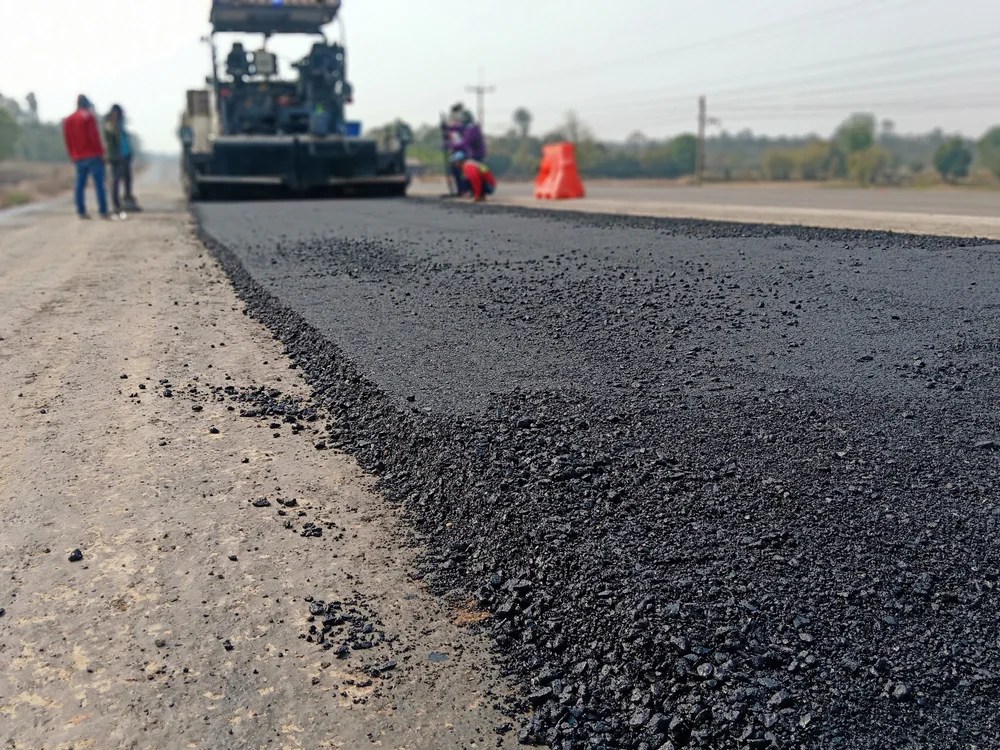
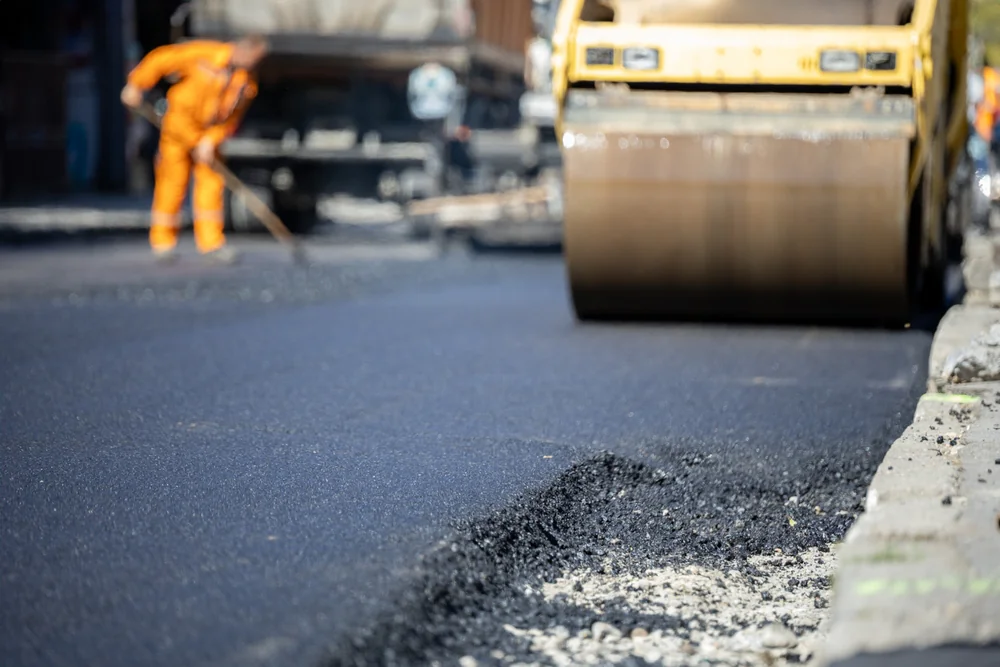
You stop worrying about whether your driveway will crack after the first winter. You’re not dealing with water pooling near your foundation or uneven surfaces that make your property look neglected. Your parking lot isn’t costing you customers because of potholes or faded lines.
When asphalt paving is done correctly from the start, you get decades of performance. Not just a surface that looks good for a season, but one that holds up through Pennsylvania’s freeze-thaw cycles, summer heat, and everything in between. The drainage works. The base is solid. The surface stays smooth.
That’s what quality installation gets you—fewer headaches, lower long-term costs, and a property that actually looks the way you want it to. No callbacks. No surprise failures. Just asphalt that does its job year after year.
We’ve been handling paving projects since 1948. That’s not a typo—decades of working with asphalt in this region means we understand exactly how Bucks County soil behaves, how local drainage patterns work, and what materials hold up in Pennsylvania weather.
We focus on one job at a time. When our crew shows up at your property in Trevose, we’re not splitting attention between three other sites. We’re there to complete your project with the same care whether it’s a residential driveway or a commercial parking lot. Every client gets the same treatment—transparent pricing, clear communication, and work that reflects decades of hands-on experience.
Five-star reviews on Angie’s List back that up. So do the seniors, military members, and first-time customers who’ve taken advantage of our specialized discounts and walked away satisfied with both the process and the result.
It starts with looking at your property and having an honest conversation about what you need. Not every driveway requires a full tear-out. Not every parking lot needs complete resurfacing. The goal is finding the right solution for your situation and budget, then explaining exactly what that looks like in plain terms.
Once the scope is clear, our crew handles site prep—grading, drainage setup, base work. This is where most problems get prevented or created. Proper grading means water flows away from your foundation. A solid base means the asphalt above it won’t sink or crack prematurely. Skipping steps here is where cheap jobs fall apart within a year or two.
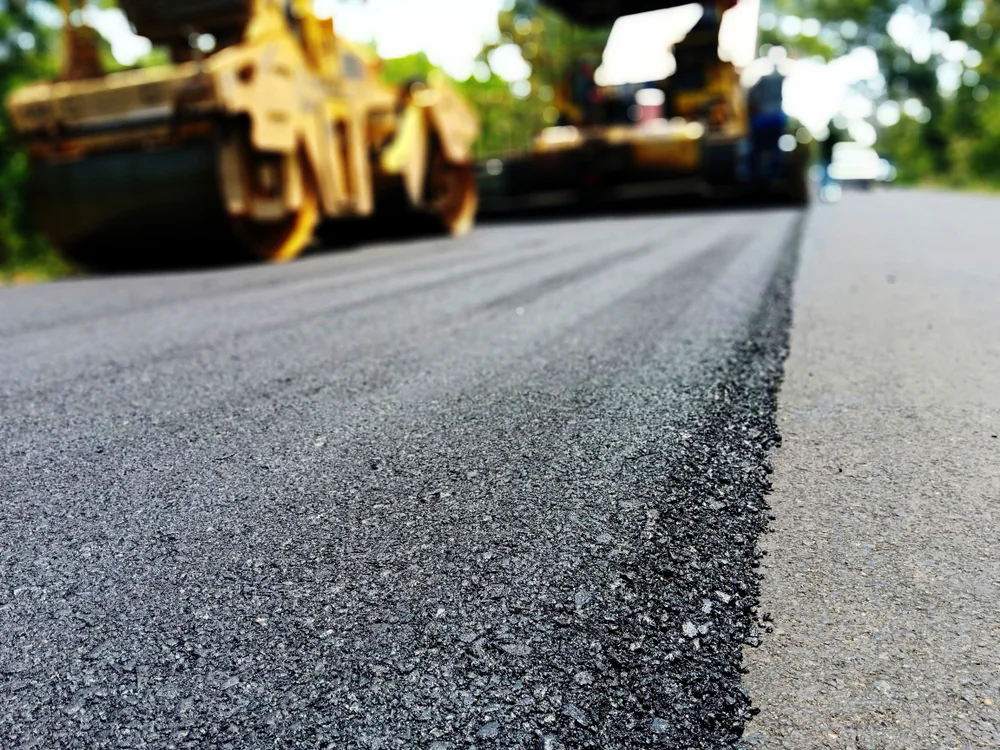
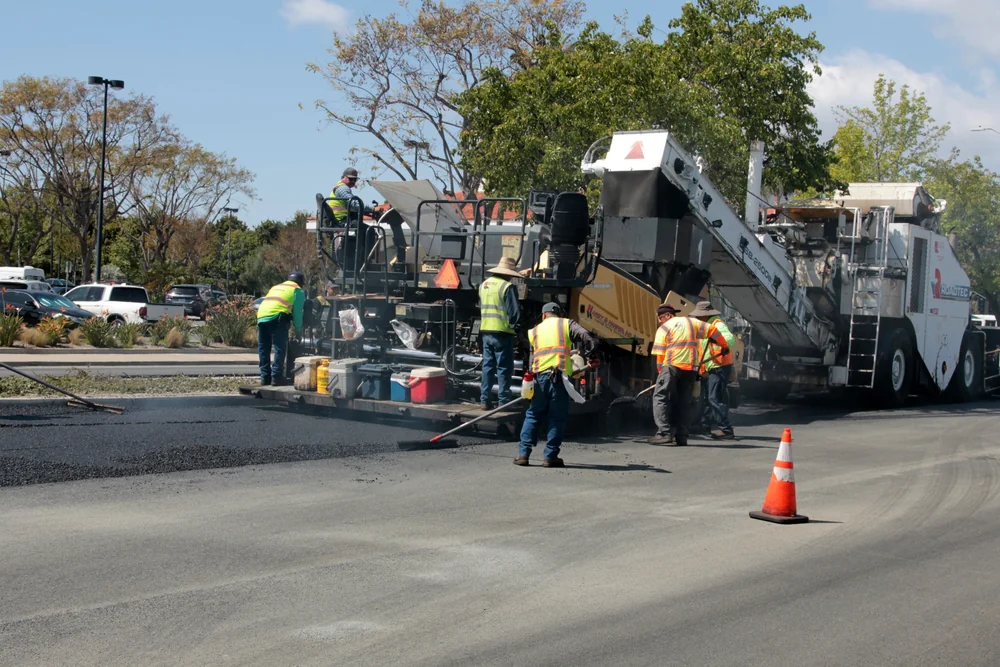
Then comes the asphalt installation itself. Material quality matters. Application technique matters. Timing and temperature matter. Our crew knows this because we’ve done it thousands of times across residential driveways, commercial lots, and industrial sites throughout the Delaware Valley.
After the asphalt is down, you get clear guidance on curing time, when you can drive on it, and how to maintain it so it lasts the full 25 to 30 years you should expect from a properly installed driveway. No guessing. No vague instructions. Just straightforward information about your new surface.
Ready to get started?
Residential driveway paving in Trevose means dealing with the reality of Bucks County soil and drainage. Your driveway needs a base that accounts for local conditions—not a generic approach that works somewhere else. Water management is critical here because Pennsylvania’s freeze-thaw cycles will destroy any installation where water gets trapped under the surface.
Commercial paving for parking lots brings different challenges. You’re managing higher traffic volumes, heavier vehicles, and the need for proper striping and ADA compliance. A commercial parking lot that fails prematurely doesn’t just look bad—it costs you customers and creates liability issues. The installation has to account for drainage across a larger surface area and handle the weight distribution from trucks, not just passenger vehicles.
Industrial paving projects add another layer of complexity with specialized load requirements and often more demanding site conditions. Whether it’s a loading dock area or an access road, the engineering has to match the actual use.
Beyond installation, we offer services including sealcoating to extend pavement life, crack repair before small problems become expensive ones, and grading work to address drainage issues. The Trevose area’s weather patterns mean maintenance isn’t optional if you want your asphalt investment to last. Regular sealcoating every few years protects against UV damage and water infiltration. Addressing cracks early prevents them from spreading during winter freeze-thaw cycles.
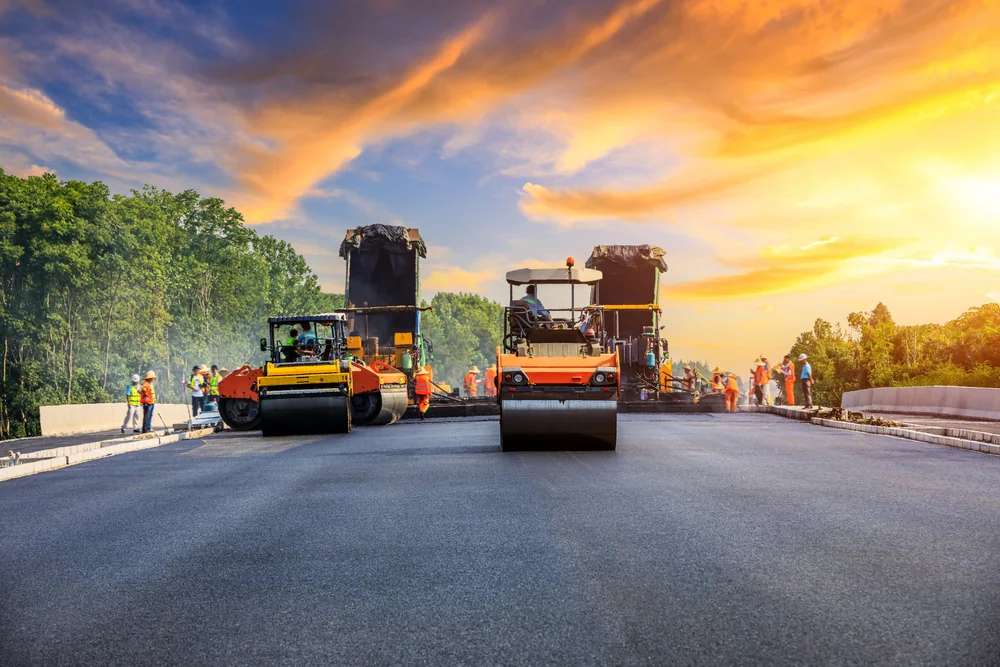
Most residential driveways in Trevose take two to three days from start to finish, but that depends on your specific situation. If you need excavation work or significant grading to fix drainage problems, add another day or two.
Day one typically involves site prep—removing old asphalt if needed, grading the base, and setting up proper drainage. Day two is when the new asphalt goes down. Then you’re looking at 24 to 48 hours of curing time before you can drive on it, though you can walk on it sooner.
Weather affects the timeline. Asphalt installation requires specific temperature ranges to cure properly. If Pennsylvania decides to throw a cold snap or heavy rain during your project, we’ll pause rather than compromise quality. You’ll know the realistic timeline upfront, including any weather contingencies, so you can plan accordingly.
Water is the main culprit. When water gets under your asphalt and freezes, it expands. That expansion creates cracks and heaving. When it thaws, you get voids and settlement. Repeat that cycle through a Pennsylvania winter and you’ll see serious damage.
Poor drainage setup is usually where this starts. If water pools on your driveway or doesn’t flow away from your foundation, it’s finding ways underneath the surface. An inadequate base makes it worse—if the base wasn’t compacted properly or the wrong materials were used, water infiltration causes faster deterioration.
Skipping maintenance accelerates failure too. Small cracks that don’t get sealed let water in. Asphalt that doesn’t get sealcoated every few years loses its protective layer against UV damage and oxidation. The surface becomes brittle and more susceptible to cracking. Most premature failures come down to either cutting corners during installation or neglecting basic maintenance after the fact.
Asphalt makes more sense for most Trevose driveways because of how it handles Pennsylvania weather. It flexes slightly with temperature changes instead of cracking like concrete tends to do. That flexibility matters during freeze-thaw cycles.
Asphalt is also easier and less expensive to repair. If you do get a crack or damaged section, patching asphalt is straightforward. Concrete repairs are more visible and often require replacing entire sections to look right. Installation costs less upfront with asphalt, and you can drive on it within a couple days instead of waiting a week like you would with concrete.
Concrete does last longer in theory—40 to 50 years versus 25 to 30 for asphalt. But that’s only if the concrete doesn’t crack, which is a big if in this climate. Concrete also shows salt stains and requires different maintenance. For most residential properties in Bucks County, asphalt offers better value when you factor in climate, cost, repairability, and actual lifespan under local conditions.
Commercial parking lot paving typically runs between three and seven dollars per square foot in the Trevose area, but that range is almost meaningless without knowing your specific situation. A simple overlay on an existing lot in good condition sits at the lower end. Full-depth reclamation with new base work, drainage improvements, and ADA-compliant striping pushes toward the higher end or beyond.
Lot size matters obviously—a 10,000 square foot lot has different economies of scale than a 50,000 square foot project. Site conditions matter more. If your lot has drainage problems, unstable soil, or existing base failures, those issues need addressing before new asphalt goes down. Skipping that work to save money upfront just means you’re repaving again in five years instead of getting 20-plus years of service.
The smart approach is getting a detailed estimate that breaks down what you’re actually paying for—excavation, base work, asphalt thickness, drainage solutions, striping, and any ADA requirements. That transparency lets you make informed decisions about where to invest and where you might be able to phase work if budget is tight. Generic per-square-foot numbers don’t account for the variables that actually determine your cost.
Start with whether they’ll actually show up and do what they promise. Sounds basic, but contractors who disappear after taking deposits or who juggle too many jobs simultaneously are common problems. Ask how they handle scheduling and whether your project gets dedicated crew attention or split focus.
Get detailed written estimates that explain what’s included. Vague proposals that just list a total price are red flags. You want to see the scope broken down—what prep work happens, what materials are being used, how thick the asphalt layer will be, how drainage is addressed. That level of detail shows they’ve actually assessed your property and aren’t just throwing out a number.
Check their track record in this area specifically. Pennsylvania weather and Bucks County soil conditions require local knowledge. A contractor who’s worked in this region for years understands how to build asphalt installations that last here. Look for verifiable reviews, proper licensing and insurance, and evidence they’ll be around to honor warranties. References from similar projects—residential if you’re a homeowner, commercial if you’re a property manager—tell you whether they have relevant experience for your specific needs.
Late spring through early fall gives you the best conditions for asphalt paving in Pennsylvania. You need consistent temperatures above 50 degrees Fahrenheit for proper installation and curing. Ideally you’re looking at temperatures in the 60s to 80s.
Summer is peak season, which means contractors are busiest and scheduling can be tighter. Late spring (May) and early fall (September into October) often offer good weather with more flexible scheduling. You’re also avoiding the summer heat extremes that can make working conditions harder, though experienced crews handle that fine.
Winter paving is possible in emergency situations but not ideal. Cold temperatures affect how asphalt compacts and cures. If you’re planning a project, don’t wait until November and expect perfect conditions. Book in advance for spring or fall installation. That gives you time to plan properly, ensures better weather conditions, and often means the crew can dedicate full attention to your project rather than rushing between multiple jobs during peak summer chaos.
Other Services we provide in Trevose