
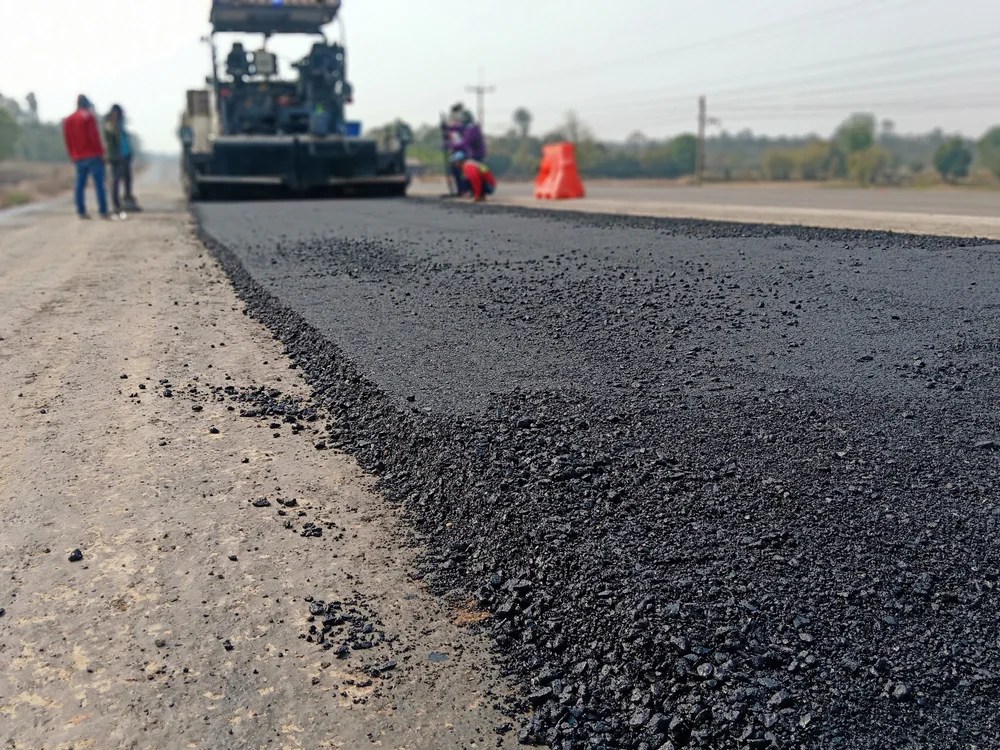
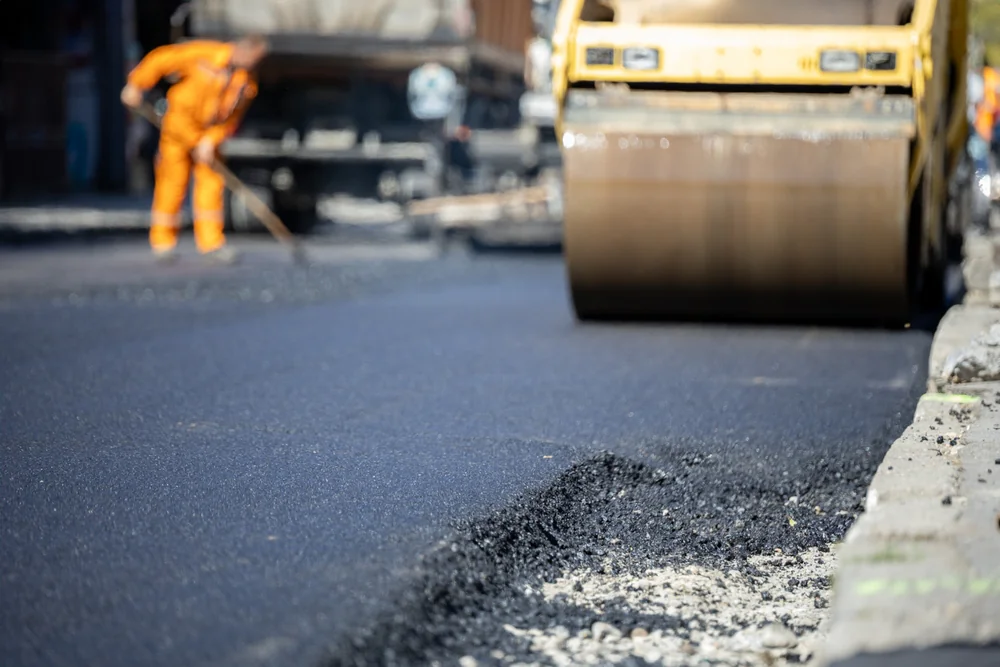
Good asphalt work means you’re not dealing with pooling water every time it rains. It means your driveway doesn’t turn into a cracked mess after two winters. It means you’re not calling someone back in five years because the job was done wrong the first time.
You get a surface that drains properly, holds up under freeze-thaw cycles, and actually protects your property value instead of dragging it down. When the base is prepped correctly and the grading handles water the way it should, you’re looking at decades of use—not a countdown to the next repair bill.
We bring 75+ years of industry knowledge to every driveway, parking lot, and commercial project in Warminster Heights and throughout Bucks County. That’s not a tagline—it’s a family tradition that started in 1948 and continues with the same focus on quality work and straight answers.
Our crew handles one job at a time. Not three projects in one day, not rushing to the next site while yours sits half-finished. Your project gets full attention from start to finish, whether it’s a residential driveway or a commercial parking lot.
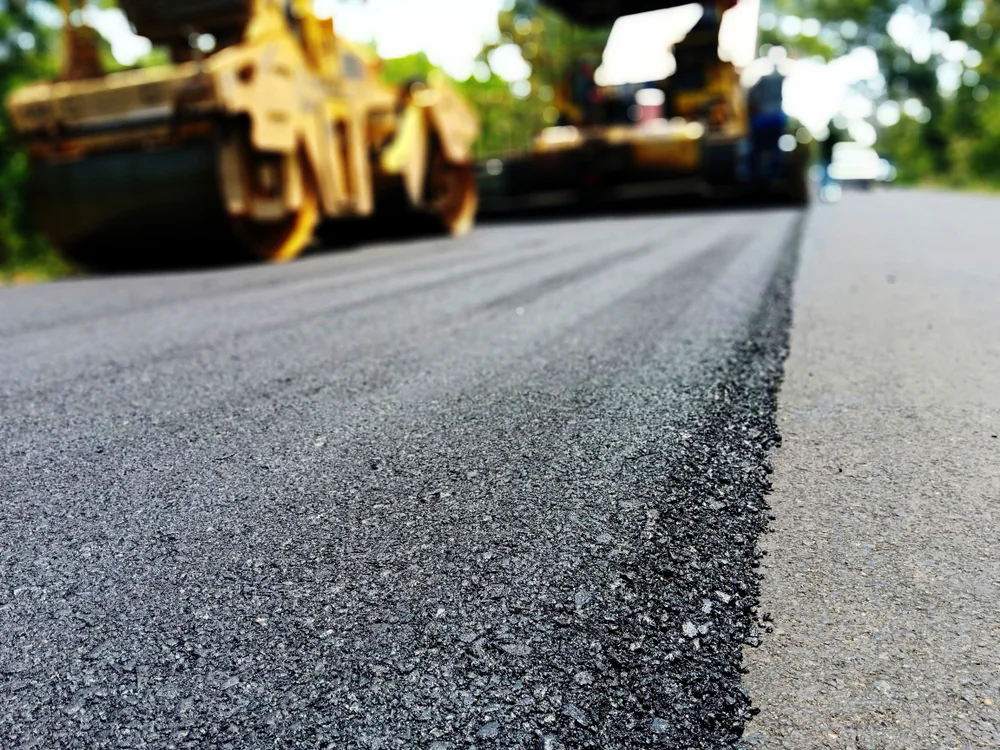
First, we assess your property’s specific needs—drainage patterns, grading requirements, soil conditions, and how the space gets used. Every property is different, and cookie-cutter approaches fail.
Next comes site preparation. This is where most contractors cut corners, and it’s where jobs fail. We excavate to proper depth, address drainage issues, and install a solid base that can handle Pennsylvania weather and your specific load requirements.
Then we grade everything to ensure water moves away from structures and doesn’t pool on the surface. After that, we install the asphalt at appropriate thickness for your use case—residential driveways need different specs than commercial parking lots. Finally, we compact everything properly and let it cure. You’ll know exactly what to expect for curing time and when you can use the surface normally.
Ready to get started?
You get paving work designed for your specific property and usage. Residential driveways get proper base preparation, grading that moves water away from your foundation, and asphalt thickness appropriate for regular vehicle traffic. Commercial projects get specs that handle heavier loads, more frequent traffic, and longer service life requirements.
In Warminster Heights, drainage is critical. Properties here deal with seasonal precipitation, winter freeze-thaw cycles, and soil conditions that can shift without proper base work. Every project includes grading solutions that address your property’s specific water management needs.
You also get transparent communication throughout the process. The same crew that starts your project finishes it. We handle everything from new installation to repairs, from residential driveways to commercial parking lots to industrial paving projects. First-time customers, seniors, and military members receive special discounts.
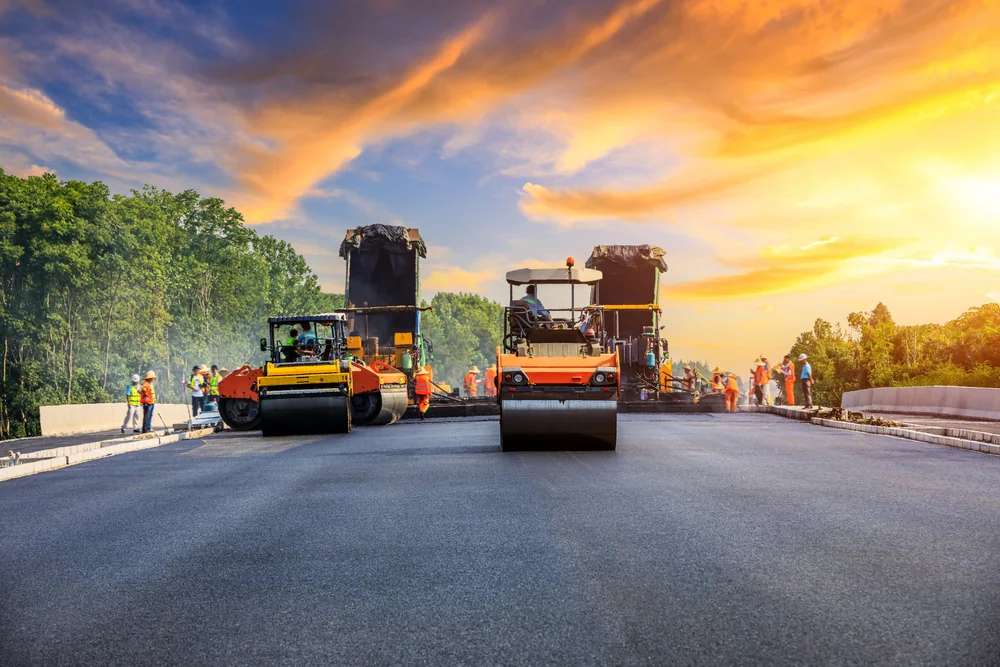
Properly installed asphalt in Pennsylvania typically lasts 15 to 25 years, sometimes longer with good maintenance. The wide range comes down to installation quality, not just the asphalt itself.
The base preparation and grading matter more than most people realize. If water gets underneath the asphalt because drainage wasn’t handled correctly, you’ll see failure in just a few years. Pennsylvania’s freeze-thaw cycles are brutal on any water that infiltrates the base.
Asphalt thickness also affects lifespan. Residential driveways need at least 2-3 inches of compacted asphalt over a proper base. Commercial applications need more depending on traffic loads. Regular sealcoating every few years protects the surface from UV damage and extends life significantly.
Asphalt costs less upfront, handles freeze-thaw cycles better, and can be repaired more easily than concrete. Concrete lasts longer in ideal conditions but cracks more readily in Pennsylvania winters and costs significantly more to replace.
Asphalt’s flexibility helps it withstand ground movement and temperature changes without cracking as readily as concrete. When asphalt does crack, repairs blend in better and cost less. In areas with heavy winter salt use like Warminster Heights, asphalt typically performs better over time.
Concrete can last 30+ years but requires more upfront investment—often 40-50% more than asphalt. Concrete also shows salt stains and requires a week or more of curing before you can use it. Asphalt can be driven on within a day or two.
Most residential driveway paving projects in the Warminster Heights area run between $3 to $7 per square foot, depending on site conditions, size, and preparation requirements. A typical two-car driveway (around 600 square feet) generally costs $2,500 to $5,000 for complete replacement.
That range exists because every property is different. If your site needs extensive excavation, has drainage problems that require correction, or needs significant grading work, costs go up. Simple overlay projects on existing stable bases cost less than full-depth replacement.
Be cautious of quotes that seem too good to be true. Extremely low bids often mean thin asphalt, inadequate base preparation, or corners cut on grading. You’ll pay more later when the driveway fails prematurely. The only way to get an accurate number is an on-site assessment of your specific property.
Water infiltration is the primary culprit. When water gets underneath the asphalt through cracks or poor drainage, it weakens the base. During winter, that water freezes and expands, pushing the asphalt up. When it thaws, voids remain. This freeze-thaw cycle repeats and destroys the structure from underneath.
Poor base preparation causes many failures. If the base wasn’t compacted properly or wasn’t thick enough for the soil conditions, it will settle unevenly over time. That settling creates cracks in the asphalt above.
Inadequate drainage also causes problems. If water pools on the surface, it eventually finds its way through. Proper grading during installation prevents this. UV exposure and oxidation gradually break down asphalt over time, but sealcoating every few years slows the process significantly.
Late spring through early fall offers the best conditions for asphalt installation in Pennsylvania, with temperatures consistently above 50°F during installation and curing. Asphalt needs warm weather to be workable during installation and to cure properly afterward.
Spring installation (April through June) works well because the ground has thawed completely and temperatures are moderate. You’ll see exactly how water moves across your property, which helps with grading decisions. The asphalt also has the entire summer and fall to cure before facing its first winter.
Fall installation (September through October) is ideal because temperatures are moderate and the asphalt has time to cure before winter. Summer installation is possible but extremely hot days can make the asphalt too soft. Winter installation isn’t recommended—cold temperatures prevent proper compaction and bonding.
Most residential driveway projects in Warminster Heights don’t require permits if you’re replacing existing paving within the same footprint. However, if you’re expanding the paved area, changing drainage patterns, or paving a new driveway, you likely need permits from Warminster Township.
Commercial paving projects almost always require permits, especially for parking lots. These projects often involve stormwater management requirements, ADA compliance considerations, and site plan approvals.
Even when permits aren’t required, your paving work still needs to comply with local ordinances regarding drainage, setbacks, and impervious surface coverage. A reputable paving contractor knows local requirements and can tell you whether your specific project needs permits. Doing unpermitted work that should have been permitted can cause problems later if you sell your property.
Other Services we provide in Warminsterheights