
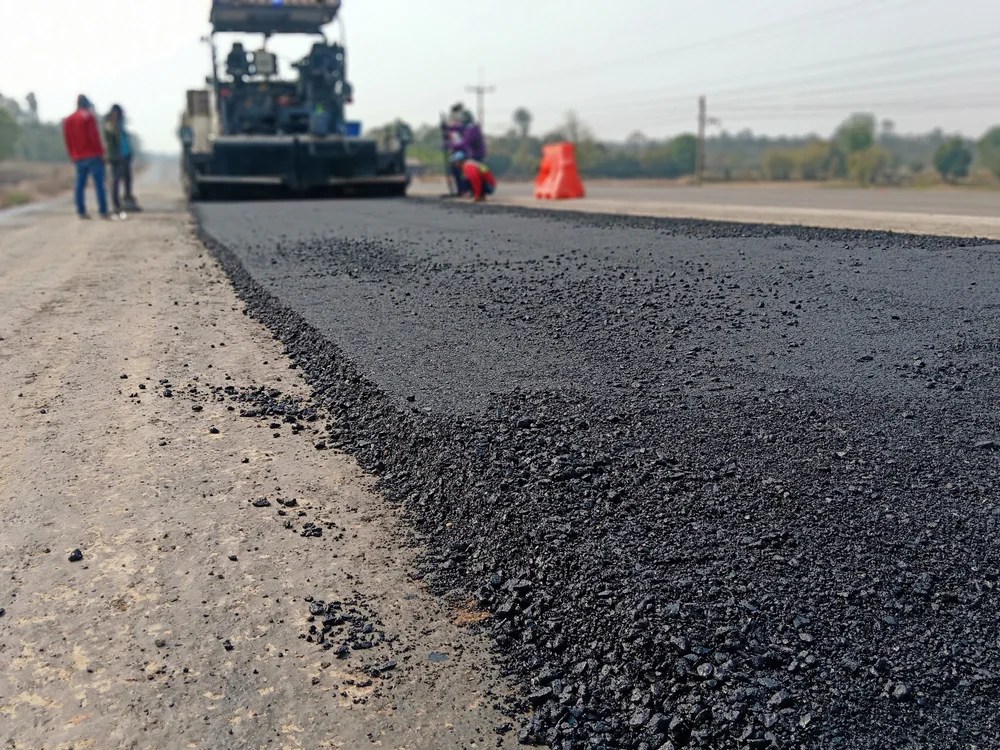
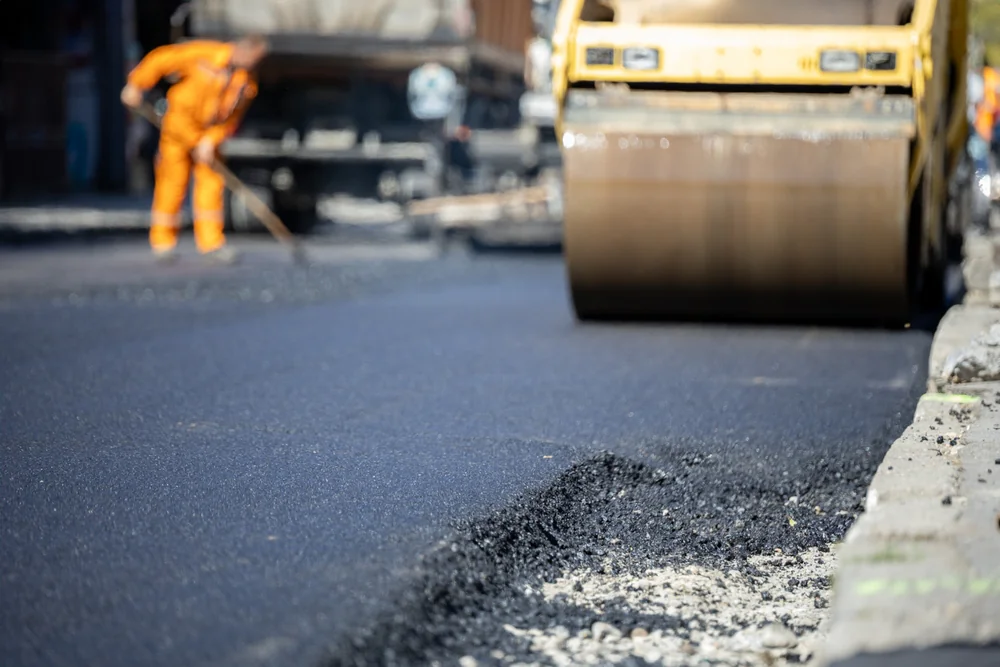
You’re not just getting new asphalt. You’re getting a surface that handles freeze-thaw cycles without cracking apart. You’re getting proper drainage so water doesn’t pool by your garage or turn your parking lot into a skating rink. You’re getting a driveway or parking area that looks clean, functions properly, and doesn’t need constant patching.
Here’s what actually matters: the base is prepared correctly, the thickness is adequate for your traffic load, and the grading directs water away from your property. When those fundamentals are handled properly, your asphalt performs the way it should—for years, not months.
You also get clear communication. You’ll know what’s happening, when it’s happening, and what it costs before work starts. No surprises, no runarounds, no wondering if we’re going to show up tomorrow.
We’ve been handling paving projects since 1948. That’s 75+ years of experience dealing with Pennsylvania weather, Bucks County soil conditions, and every drainage challenge West Rockhill properties can throw at a crew.
The difference isn’t just experience—it’s how the work gets done. We focus on one project at a time. That means our full crew is on your job from start to finish, not bouncing between three other sites. It means attention to the details that separate paving that lasts from paving that fails.
Whether you’re a homeowner dealing with a crumbling driveway or a business owner who needs a parking lot that can handle heavy traffic, you’re treated the same way: like the priority. No project is too small to do right, and no client gets shuffled to the back of the line.
First, you get an honest assessment. We come to your property, look at what you’re dealing with, and tell you what actually needs to happen—repair, resurfacing, or full replacement. You’ll get a clear estimate that explains what’s included and what you’re paying for.
Once work starts, the site is prepped properly. That means excavation if needed, grading to ensure proper drainage, and base preparation that can actually support the asphalt. Corners don’t get cut here because this is where most paving failures start.
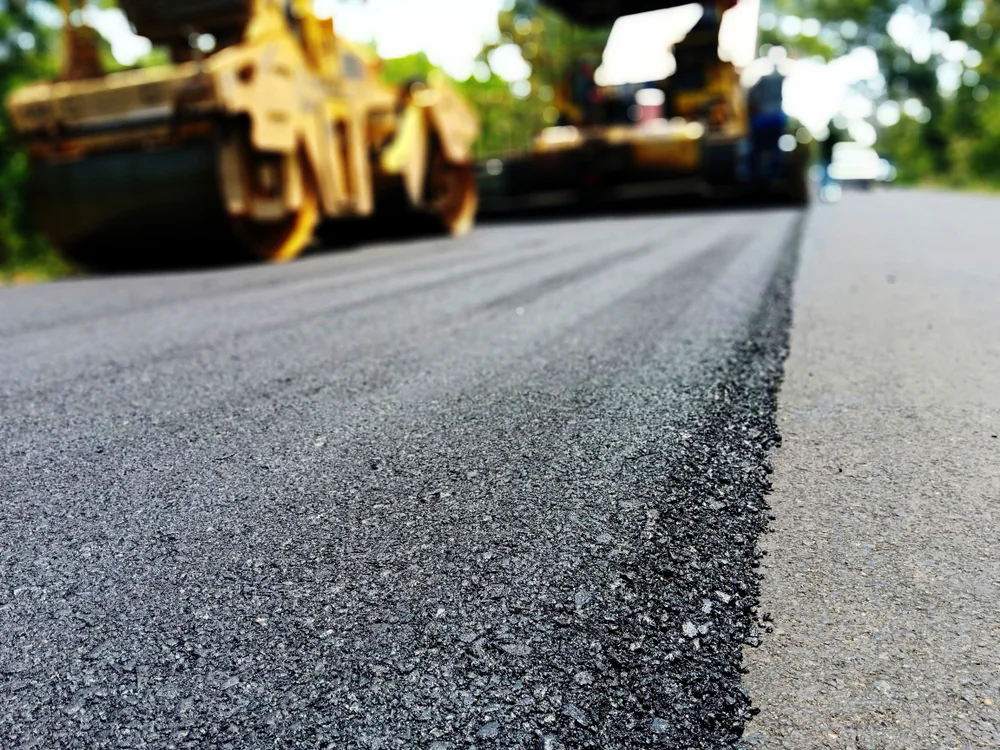
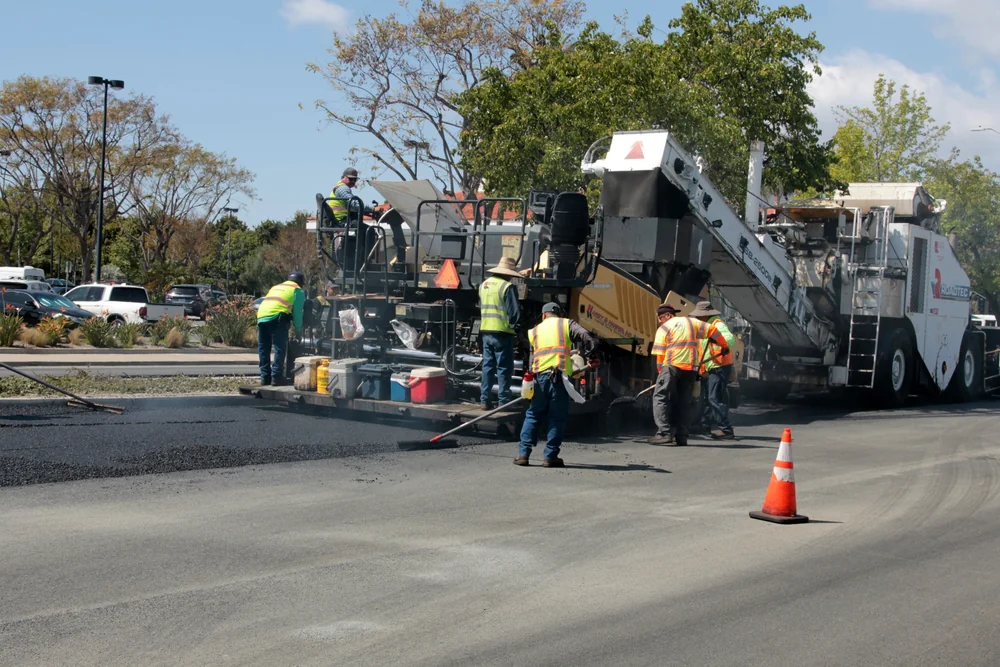
Then comes the paving installation. Asphalt is laid at the proper thickness for your specific use—residential driveways and commercial parking lots have different requirements. The material is compacted correctly to create a dense, durable surface. If your project needs water management solutions or specialized grading, that’s handled as part of the process, not as an afterthought.
You’ll know what’s happening at each stage. If there’s a weather delay or a timeline adjustment, you hear about it directly. When the job is done, you get a finished surface that works the way it should—and you’re not left wondering if something was missed.
Ready to get started?
We handle the full scope: residential driveways, commercial parking lots, and industrial paving projects. We also manage water management solutions and grading—critical services in West Rockhill where drainage issues can undermine even properly installed asphalt.
For residential paving installation, that means driveways designed for your property’s specific conditions. Bucks County’s freeze-thaw cycles are brutal on poorly installed pavement, so proper base prep and adequate thickness aren’t optional—they’re essential. You also get solutions for common problems like water pooling near garage entrances or drainage that directs runoff toward your foundation instead of away from it.
Commercial clients get parking lot paving engineered for heavy traffic loads, with proper thickness specifications and base preparation that can handle delivery trucks and customer vehicles year-round. Projects are coordinated to minimize business disruption, and timelines are realistic—not padded, but not rushed at the expense of quality.
West Rockhill properties often deal with specific challenges: older homes with settling foundations, properties near Lake Nockamixon with unique drainage patterns, and historic sites where work needs to be done carefully. Our approach is to assess what your property actually needs, then build a solution around those conditions—not force a standard approach onto a unique situation.
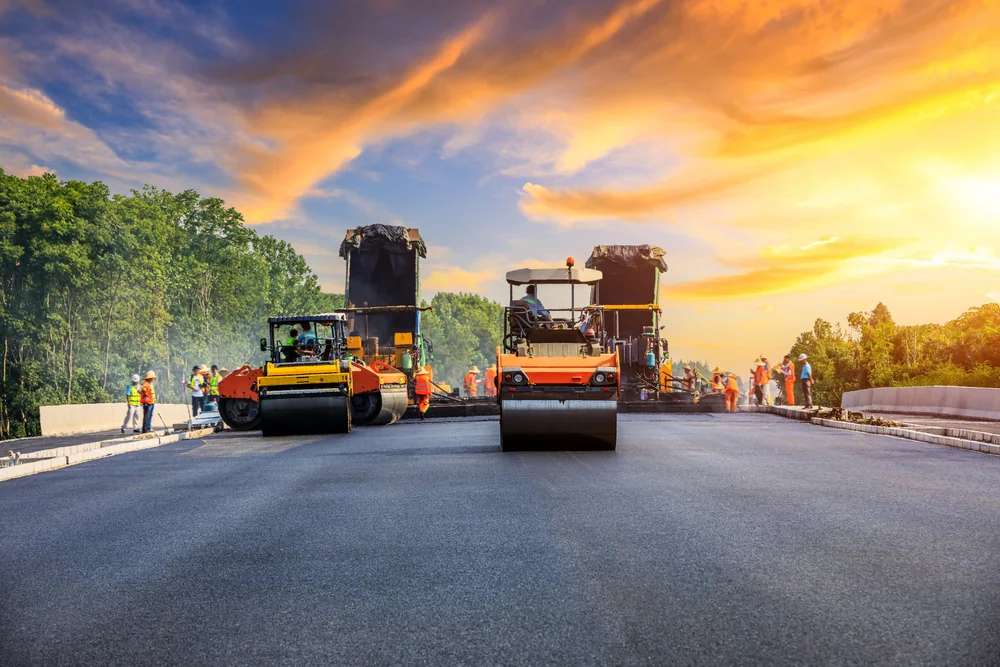
Properly installed asphalt in Bucks County typically lasts 20-30 years with regular maintenance. The key word there is “properly installed”—and that’s where most problems start.
Pennsylvania’s climate is tough on pavement. Freeze-thaw cycles cause water to expand in cracks, breaking down the surface. Temperature swings stress the material. Heavy rain tests your drainage. If the base wasn’t prepared correctly, if the asphalt wasn’t laid at adequate thickness, or if drainage wasn’t addressed, you’ll see failures in 5-10 years instead of 20-30.
Regular maintenance extends that lifespan significantly. Sealcoating every 2-3 years protects against water penetration and UV damage. Addressing small cracks before they become big problems prevents expensive repairs later. With proper installation and consistent maintenance, you’re looking at decades of performance—not years of patching and frustration.
It depends on what’s happening below the surface, not just what you see on top. Small cracks and minor surface wear can usually be repaired. If the base is still stable but the top layer is worn, resurfacing might work—and it typically costs 40-60% less than full replacement.
But if you’ve got widespread cracking, significant settling, drainage problems, or base failure, resurfacing just covers up problems that will resurface quickly. You’ll spend money on a temporary fix instead of a lasting solution.
Here’s how to tell: If water pools in multiple spots, if you’ve got cracks wider than a quarter-inch, if sections have settled unevenly, or if previous repairs keep failing, the base is probably compromised. At that point, full replacement makes more financial sense than throwing money at repairs that won’t hold. An honest paving contractor will assess your specific situation and recommend the option that actually solves your problem—not the one that costs the most.
Look for verifiable experience, not just claims. How long has the company been in business? Can they show you completed projects in your area? Do they have reviews you can actually verify on platforms like Angie’s List or Google?
Ask specific questions about their process. How do they handle base preparation? What thickness of asphalt do they install, and why? How do they address drainage? Contractors who know what they’re doing will explain their approach clearly. Contractors who cut corners will give vague answers or rush past the details.
Get everything in writing—timeline, cost breakdown, what’s included, what’s not. Be wary of estimates that are significantly lower than others without clear explanation of why. Usually it means thinner asphalt, inadequate base prep, or corners being cut somewhere. You want transparent pricing that explains what you’re paying for, not just a low number that sounds good until problems appear six months later. Trust your instincts—if communication is poor before the project starts, it won’t improve once work begins.
Residential driveway paving in Bucks County typically ranges from $3-$7 per square foot for standard installations, depending on site conditions, access, base work required, and asphalt thickness. A typical two-car driveway runs between $3,000-$8,000, but that number changes based on your specific property.
Commercial parking lot paving costs more per square foot because it requires thicker asphalt and more robust base preparation to handle heavier traffic loads. Projects requiring significant excavation, drainage solutions, or grading add to the cost—but those aren’t optional expenses if your property needs them.
Here’s what matters more than average prices: what’s included in your estimate. Are you getting adequate thickness? Proper base prep? Drainage solutions? Or are you getting the bare minimum that meets the definition of “paved” but won’t last? The cheapest estimate often becomes the most expensive option when you’re repaving again in five years. Get detailed, written estimates that explain what you’re paying for, then compare the scope of work—not just the bottom-line number.
Late spring through early fall is ideal for asphalt paving in Pennsylvania—typically May through October. Asphalt needs warm temperatures to be installed properly and to cure correctly. Cold weather makes the material harder to work with and prevents proper compaction.
That said, scheduling matters as much as season. Quality contractors book up during peak season, so waiting until July to start calling means you might be waiting until September for an opening—or settling for whoever has immediate availability, which isn’t always a good sign.
The smart approach is to plan ahead. Contact contractors in early spring to schedule summer work, or book fall projects in mid-summer. You’ll get better scheduling flexibility and avoid the rush. If you’re dealing with an urgent situation—major damage, safety hazards, failing pavement—communicate that clearly. Most established contractors can accommodate genuine emergencies, but “I want it done next week” in June isn’t an emergency—it’s poor planning.
Yes. We offer specialized discounts for seniors, military members, and first-time customers. These aren’t gimmicky promotional discounts that get built into inflated base prices—they’re genuine reductions designed to make quality paving more accessible for specific groups.
The discount details vary based on project scope and timing, so it’s worth asking about when you request your estimate. What doesn’t change is the quality of work—discounted projects get the same attention, the same process, and the same standards as full-price jobs.
Here’s what matters more than discounts: you’re getting fair pricing from the start. Our approach is transparent pricing that reflects the actual scope of work, not inflated numbers that get “discounted” to create the illusion of a deal. You’ll know what you’re paying for and why, whether you qualify for a discount or not. That straightforward approach means you can make decisions based on value and quality, not sales tactics.