
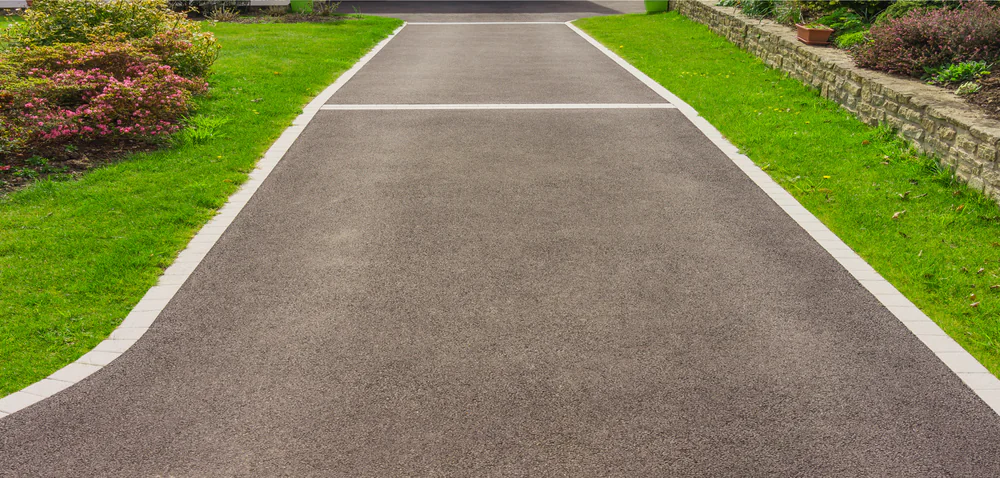
You pull up to a smooth, even surface that looks sharp and drains properly. No pooling water after rainstorms. No premature cracking by year three. No wondering if you made the right call or should have gone with someone else.
The real difference shows up five, ten, fifteen years down the road. Other driveways around Delaware start showing their age—crumbling edges, spiderweb cracks spreading across the surface, sunken sections where cars sit. Yours is still holding strong. That’s what happens when the base is built correctly from day one, when grading accounts for how water actually moves across your property, and when asphalt is laid by a paving contractor who knows what they’re doing.
You’re not scheduling repairs every other year. You’re not second-guessing the investment or wishing you’d spent more upfront. You’re just using your driveway the way it should work—reliably, without constant headaches.
We bring decades of hands-on paving experience to every driveway in Delaware and throughout Hunterdon County. Our roots in the asphalt industry go back to 1948, combining that generational knowledge with modern techniques that actually hold up in New Jersey’s brutal climate.
What sets our approach apart is straightforward: one job at a time. Our crew isn’t bouncing between three paving projects in one day, rushing to squeeze everything in. We’re focused on your property until it’s finished correctly. That means better attention to detail, fewer mistakes, and a driveway that reflects the care that went into building it. Whether it’s a residential driveway installation or a commercial parking lot, every project gets the same level of commitment—personalized service, transparent communication, and solutions designed specifically for your property’s unique needs.
First comes an honest assessment of your property. Not a sales pitch where everything needs upgrading—a real look at what your driveway actually needs, how water moves across your lot, and what kind of base preparation will hold up long-term in Delaware’s soil and weather conditions.
Then the prep work starts. Old asphalt gets removed if needed. The base gets excavated to proper depth and built with quality aggregate material. Grading is set up so water flows away from your foundation and garage, not toward it. This is the part most homeowners never see but that determines whether your asphalt driveway lasts 20 years or starts failing in five. Shortcuts here—shallow excavation, poor drainage planning, inadequate compaction—cause the problems you see later.
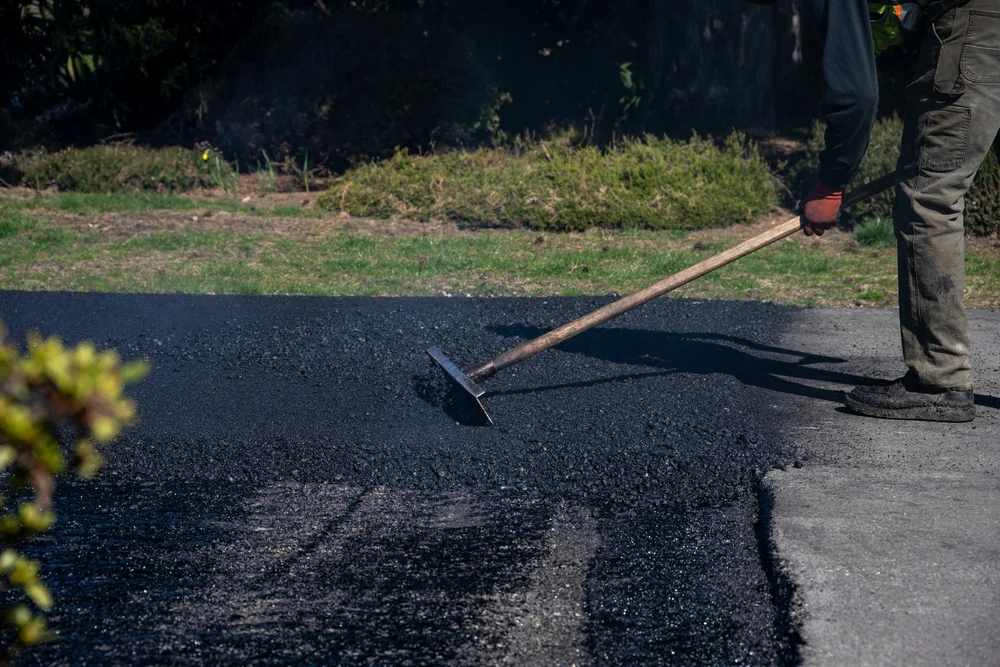
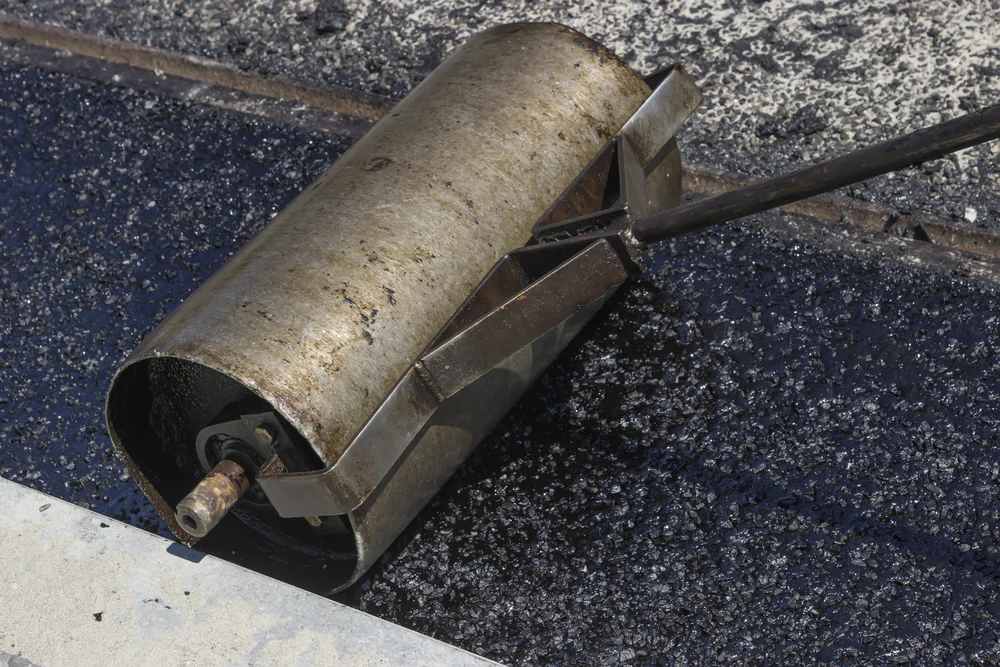
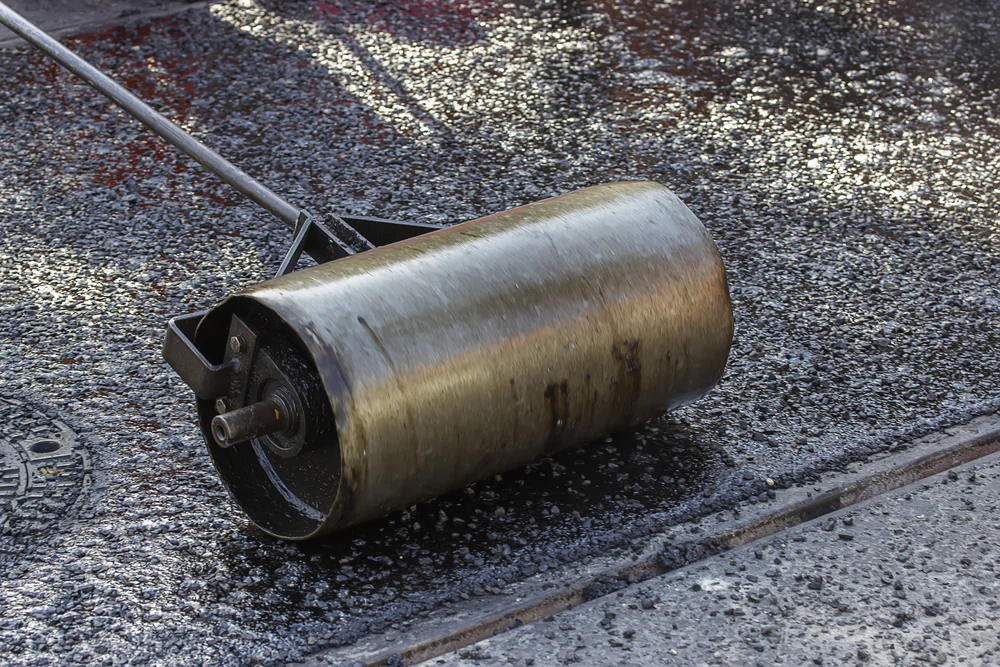
Once the base is compacted and ready, fresh asphalt goes down at the right temperature and thickness for your specific use. Residential driveways and commercial parking lots have different requirements—the paving installation reflects that. After the asphalt is laid and compacted, edges are finished cleanly, and you get a clear timeline for when you can actually use the surface. No guessing games, no vague “give it a few days” answers.
Throughout the process, you know what’s happening and why. If something unexpected comes up during excavation—a drainage issue that needs addressing, base material that needs more work than anticipated—you hear about it before any extra work happens. No surprise charges on the final bill.
Ready to get started?
Driveway paving in Delaware means accounting for local conditions that destroy subpar work. New Jersey’s freeze-thaw cycles are brutal on asphalt—temperatures swing from below freezing to 50 degrees and back again within days, causing expansion and contraction that tears apart poorly installed surfaces. Proper paving installation here requires base depth that goes below the frost line, quality aggregate that drains well, and asphalt mix that can handle the constant stress.
Your project includes complete base preparation with proper excavation and grading. Water management gets built into the design from the start—not as an afterthought when problems show up. Hunterdon County’s rolling terrain means water flow varies significantly from one property to the next. The grading for your driveway accounts for your specific lot, where water comes from during heavy rain, and where it needs to go.
You also get straightforward communication about timing. Late spring through early fall offers the best conditions for asphalt paving in New Jersey—roughly May through September. Temperatures need to stay consistently above 50 degrees, even at night, for proper curing. If you’re planning a residential or commercial paving project, that seasonal window matters for getting results that last.
For residential properties, scheduling might mean coordinating around your family’s routine so you’re not stuck without driveway access during a busy week. For commercial paving, it means planning around your business operations and customer traffic. Either way, our approach stays the same: custom solutions that work for your specific situation, not a rigid one-size-fits-all timeline that ignores what you actually need.
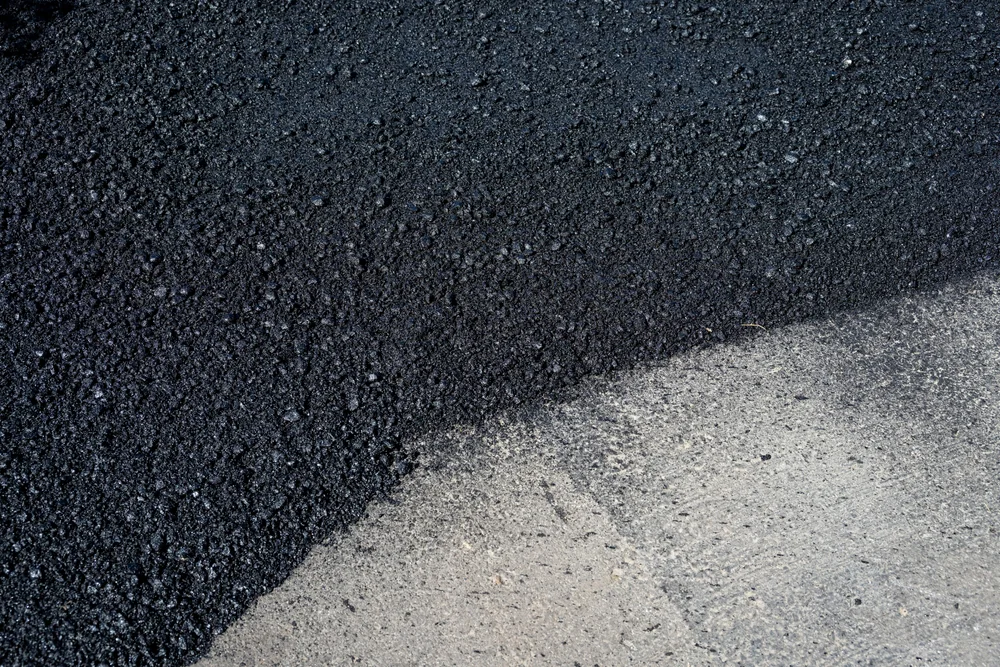
With proper installation and regular maintenance, you’re looking at 15 to 20 years—sometimes longer if you stay on top of sealcoating and address small cracks before they become major problems. The key phrase there is “proper installation.”
New Jersey’s climate is genuinely tough on asphalt driveways. Freeze-thaw cycles hit hard in Hunterdon County—water seeps into tiny cracks, freezes overnight, expands, and breaks apart the surface. If the base wasn’t built correctly from the start, or if drainage wasn’t factored into the design, you’ll see serious problems much sooner than 15 years. A driveway that’s already showing major cracking or settling after just five years probably didn’t have adequate base preparation or proper depth.
The good news is that when driveway paving is done correctly—solid base below the frost line, proper grading for water management, quality materials—asphalt holds up remarkably well here. You’ll need to sealcoat every 2 to 3 years to protect against UV damage and water intrusion, and you’ll want to fill any cracks that do appear while they’re still small. But the structure underneath should stay sound for decades.
Resurfacing means adding a new layer of asphalt over your existing driveway surface. It works when the base is still structurally solid but the top layer is worn—think fading color, minor surface cracking, rough texture from years of use. It’s less expensive than full replacement and can add years of life if the foundation underneath is truly sound.
Replacement means tearing out the old driveway completely and starting fresh with new base and new asphalt. You need this when there are structural problems—major cracking patterns, significant settling, potholes, drainage issues causing water damage, or a base that was never built correctly in the first place. If water is pooling in sections, if parts of the driveway have sunk noticeably, or if cracks have gotten wide enough that you’re seeing the base material underneath, resurfacing won’t actually fix anything. You’re just putting a temporary band-aid on a bigger problem that will keep getting worse.
The honest answer about which option you need comes from looking at your specific driveway’s condition. Sometimes homeowners in Delaware are told they need expensive full replacement when resurfacing would work fine for several more years. Other times, they’re sold on cheaper resurfacing when the base is already failing and won’t support new asphalt. A straightforward assessment from a reliable paving contractor—not a sales pitch designed to maximize the bill—tells you what actually makes sense for your situation and budget.
Late spring through early fall—roughly May through September or early October. Asphalt needs warm temperatures to cure properly, and the ground needs to be completely thawed from winter. Once nighttime temperatures consistently stay above 50 degrees, conditions are right for quality paving installation.
May is often ideal in Delaware because the ground has fully thawed from winter, temperatures are stable day and night, and you’re ahead of the summer rush when every paving contractor’s schedule fills up. Contractors get busy fast once June hits, so if you’re planning a driveway project, booking in early spring makes sense. Summer months work well too for the actual paving, though you’ll want to get on the schedule sooner rather than waiting until July to start calling around.
Early fall can be excellent—September and early October still offer good temperatures for asphalt work, and you’re getting the job done before winter weather arrives. Just don’t wait too long. Once temperatures start dropping below 50 degrees regularly, especially at night, asphalt doesn’t cure as effectively. And once you’re into late October or November in Hunterdon County, you’re taking real chances with the weather potentially delaying or complicating the work.
If you’re thinking about a driveway paving project, reaching out to us in early spring to discuss timing and get on the schedule makes the most sense. That way you’re not scrambling in the middle of summer trying to find an available asphalt contractor who can fit you in.
Cost depends on several real factors: the size of your driveway, the condition of the existing base, whether you need drainage work or grading corrections, and the complexity of the layout. A straightforward residential driveway replacement on level ground costs differently than a job requiring extensive excavation, base rebuilding, or slope management.
What matters more than a vague ballpark number is understanding what you’re actually paying for. Suspiciously cheap quotes usually mean shortcuts somewhere—thin asphalt that won’t hold up, inadequate base prep, corners cut on proper grading. You’ll pay for those shortcuts later in repairs and premature failure, often within just a few years. Quality paving installation costs more upfront because it involves proper excavation depth, correct base material and thickness, appropriate asphalt depth for your use, and real attention to water management.
The best approach is getting a detailed estimate that breaks down what’s included: excavation depth, base material type and thickness, asphalt thickness, edge work and transitions, any drainage solutions needed. That transparency lets you compare quotes accurately instead of just looking at bottom-line numbers and picking the cheapest. We offer senior, military, and first-time customer discounts, which can make quality work more accessible without compromising on the installation.
What you really want to know is whether you’re getting actual value—paving installation that will last 15 to 20 years without major issues or constant repairs. That’s where honest assessment and clear pricing matter more than finding the absolute lowest bid.
Yes, if you want it to last its full lifespan. Sealcoating protects asphalt from water penetration, UV rays that break down the binder, and the road salt that New Jersey winters inevitably bring. Think of it as preventive maintenance that costs a fraction of what you’d pay for major repairs or premature replacement.
In Delaware’s climate, plan on sealcoating every 2 to 3 years. The first sealcoat should happen within 6 to 12 months after initial installation, once the asphalt has had time to cure fully. After that initial application, regular sealcoating keeps water from seeping into small cracks, prevents oxidation that makes asphalt brittle and prone to breaking, and maintains that dark, clean appearance that makes your driveway look well-maintained.
You’ll know it’s time for another application when the surface starts looking faded or grayish instead of that deep black color. That color change isn’t just cosmetic—it means the asphalt is oxidizing and becoming more vulnerable to weather damage. Sealcoating restores that protective layer before actual problems develop into expensive repairs.
It’s not complicated or expensive compared to other driveway maintenance needs, and it makes a significant difference in longevity. Driveways that get regular sealcoating consistently outlast those that don’t by years. Given how much you’ve invested in proper paving installation, protecting that investment with routine sealcoating every few years just makes practical sense.
Start with how they assess your property during the initial visit. Do they actually look at drainage patterns, existing base conditions, and your specific site challenges, or are they just throwing out a quick price based on square footage? Quality paving contractors ask questions about how water flows during heavy rain, what problems you’ve noticed, and what you need the driveway to handle.
Look for clear communication about what’s included in the work. You want specifics: base excavation depth, material types being used, asphalt thickness for your application, how they’ll handle edges and transitions to existing surfaces. Vague descriptions or reluctance to explain the process in plain language are red flags. You should understand exactly what you’re paying for before any work starts.
Check their local reputation in Delaware and surrounding areas. Reviews from other homeowners in Hunterdon County matter more than generic testimonials on a website. Five-star ratings on platforms like Angie’s List show consistent quality over time, not just one good project. Ask how long they’ve been working in the area—asphalt contractors who’ve built a solid local reputation have more to lose by cutting corners or doing subpar work.
Pay attention to how they handle your questions and concerns. Are they straightforward about timing, realistic about what your driveway actually needs, and honest about costs? Or are they pushing for immediate decisions, creating artificial urgency, and upselling services you probably don’t need? The right paving contractor treats your project seriously regardless of size and explains things in language that makes sense without the high-pressure sales pitch.
Finally, make sure they’re focused on your job when they’re actually working on it. Crews that juggle multiple paving projects in one day can’t give your driveway the attention it needs for quality results. One job at a time means better execution and fewer mistakes.
Other Services we provide in Delaware