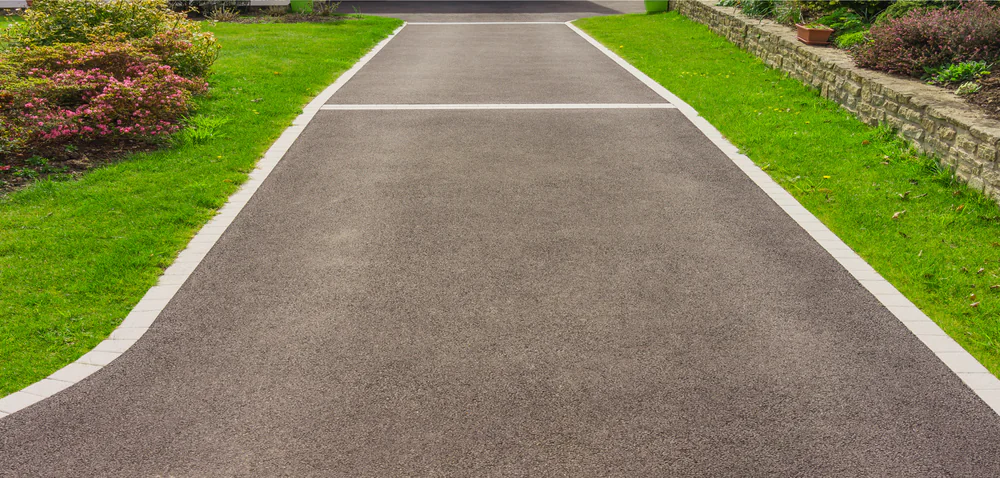
Your driveway should handle New Jersey winters without cracking apart in two years. It should drain water away from your foundation, not pool it near your garage. And it should look clean and professional, not patchy or uneven.
That’s what proper paving installation delivers. A surface built on a solid base, graded correctly, and compacted to handle weight and weather. No shortcuts. No callbacks.
You’ll pull into your driveway without worrying about the next pothole. Your property looks maintained. And you’re not calling someone back in three years because the whole thing failed.
We’ve been in the paving business for decades, with roots going back to 1948. That’s not marketing talk—it’s actual time spent learning what works in this climate and what doesn’t.
We work on one project at a time. That means when our crew is on your property, they’re focused on your job, not splitting attention across three other sites. Every asphalt driveway gets the same level of care, whether it’s a small residential project or a larger commercial lot.
Lawrenceville homeowners deal with freeze-thaw cycles, drainage issues from older neighborhoods, and the need for contractors who actually return calls. We handle those realities with transparent communication and personalized solutions for each property’s unique layout.
First, the existing surface gets removed if needed, and the site is graded to ensure proper water runoff. This step matters more than most people realize—poor grading causes half the drainage problems you see in failing driveways.
Next comes base preparation. A solid aggregate base gets installed and compacted in layers. This foundation is what keeps your asphalt driveway from sinking or cracking prematurely. Skipping this step or rushing it is where cheaper paving contractors cut corners.
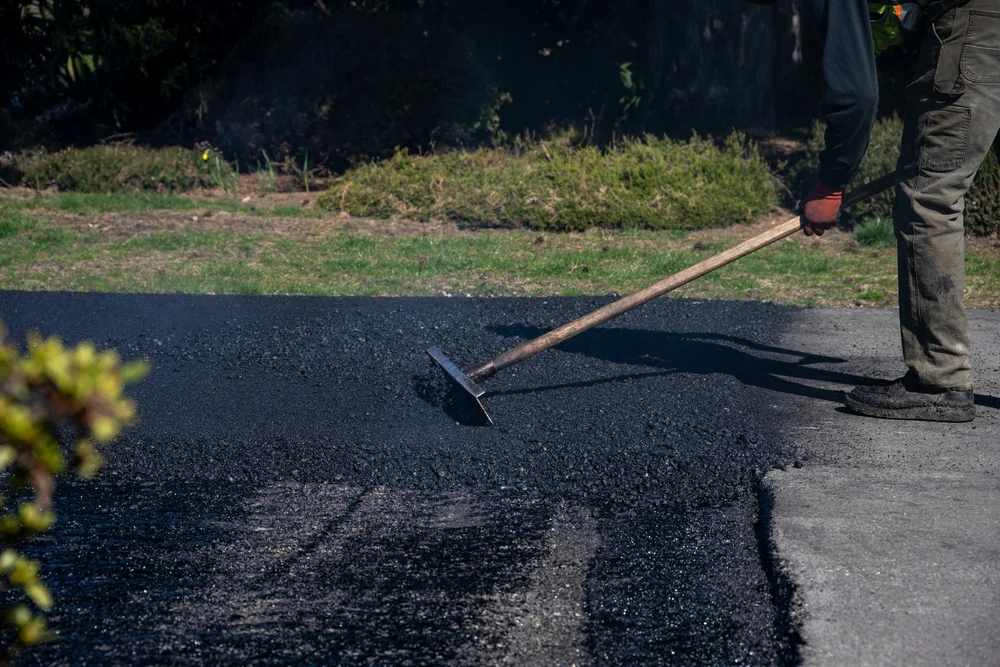
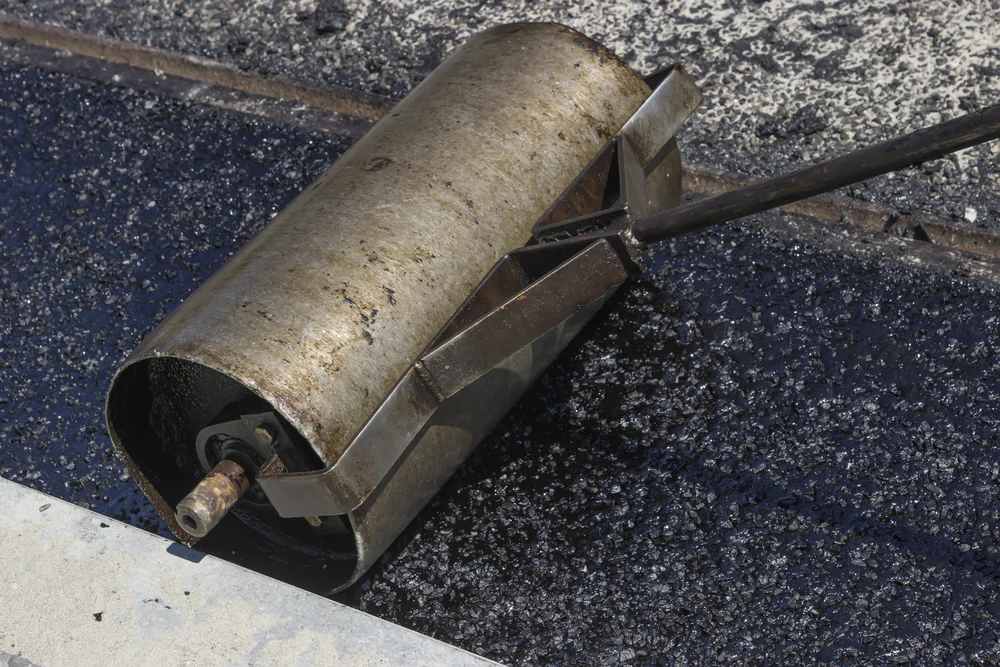
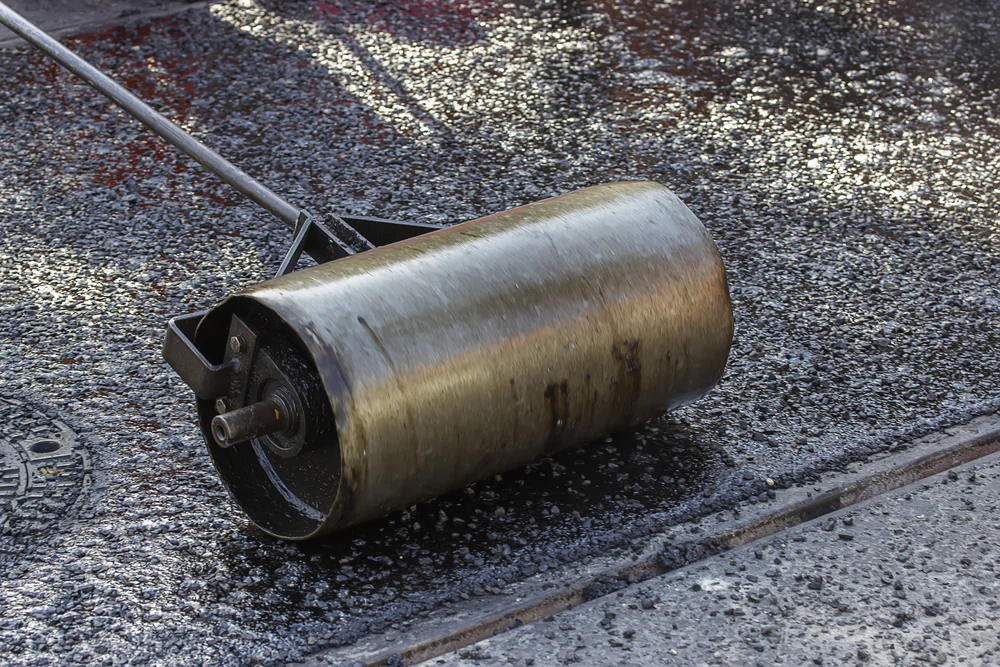
Then the asphalt gets laid at the right temperature and thickness for your specific use. Residential driveways typically need 2-3 inches of compacted asphalt. Our crew compacts it properly while it’s still workable, creating a smooth, dense surface.
Finally, edges are finished, and you’re given clear instructions on curing time before you can drive on it. Most driveways are ready for light traffic within 24-48 hours, with full curing taking a few weeks.
Ready to get started?
Every driveway installation includes site assessment to identify drainage concerns and grading requirements specific to your property. In Lawrenceville, many older homes sit on lots with unique water flow patterns that need custom solutions, not cookie-cutter approaches.
You’ll get a clear timeline before work starts. Our crew handles demolition and removal of old materials, proper base installation, asphalt application, and cleanup. If your property needs additional grading or water management solutions, that gets addressed during the planning phase, not after problems show up.
We also offer specialized discounts for seniors, military members, and first-time customers. We serve both residential and commercial clients throughout Lawrenceville, handling everything from single-family driveways to larger parking areas.
Each project receives the same attention to detail and commitment to doing it right. That means proper base preparation, correct asphalt thickness, and installation techniques that account for New Jersey’s demanding climate.
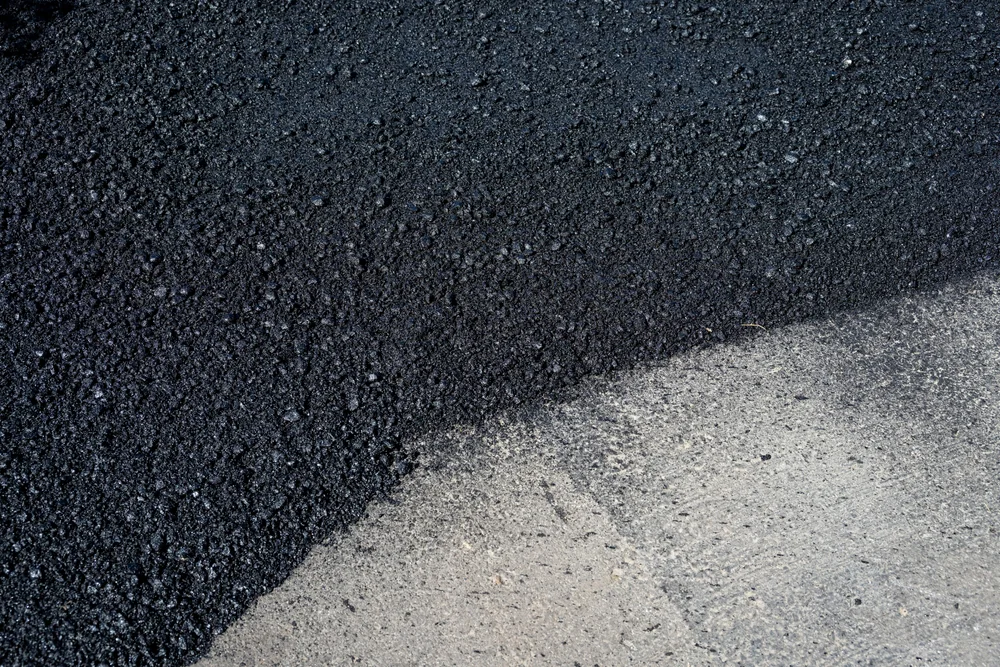
A properly installed asphalt driveway in New Jersey typically lasts 15-20 years, sometimes longer with regular maintenance. The key word is “properly installed.”
New Jersey’s climate is tough on asphalt. Freeze-thaw cycles cause water to expand in cracks, which accelerates deterioration. If your base wasn’t compacted correctly or drainage wasn’t addressed during installation, you’ll see problems much sooner—sometimes within 3-5 years.
The driveways that last are the ones built on a solid aggregate base, graded to move water away from the surface, and installed with proper compaction. Sealcoating every few years adds protection, but it can’t fix a driveway that wasn’t built right from the start. You’re better off investing in correct installation than trying to patch poor workmanship later.
The difference shows up in the base preparation, material quality, and how much attention your project actually gets. Cheap paving often means a thin asphalt layer over poorly compacted base material.
When contractors rush jobs or spread crews thin across multiple sites, corners get cut. Maybe they skip proper grading. Maybe the base doesn’t get compacted in layers. Maybe they lay asphalt that’s too cool or too thin. You won’t notice these issues immediately, but you’ll see cracks, settling, and drainage problems within a couple years.
Quality paving means taking time to do each step correctly. That includes removing enough existing material, installing and compacting a proper stone base, ensuring correct drainage slope, and applying asphalt at the right thickness and temperature. It costs more upfront because it takes more time and material, but you’re not repaving in five years.
Look for standing water after rain, ice patches that form in the same spots every winter, or cracks that seem to get worse near your foundation or garage. These are signs your driveway isn’t moving water away like it should.
Proper drainage starts with grading during installation. Your driveway should slope away from structures and toward appropriate runoff areas. In Lawrenceville, many properties have specific challenges based on lot layout and existing landscape features.
If water pools on your current driveway, that’s not just annoying—it’s actively damaging the asphalt. Water seeps into small cracks, freezes, expands, and creates bigger cracks. Over time, this cycle destroys even well-built driveways. Fixing drainage issues during a repaving project is much smarter than dealing with recurring damage. A good asphalt contractor assesses drainage before giving you a quote, not after problems appear.
Ask how they handle base preparation and what thickness of asphalt they’re actually installing. Vague answers or contractors who rush past these details are red flags. You want specific information about the aggregate base depth and compaction process.
Ask if they’ll be working on other jobs at the same time or if your project gets their full attention. Split crews often mean longer timelines and less oversight. Find out who will be on site and how you’ll communicate if questions come up during the work.
Also ask about their process for addressing drainage and grading issues specific to your property. Every lot is different, especially in established Lawrenceville neighborhoods. If a contractor gives you a quote without walking your property and discussing water flow, they’re guessing. Get references you can actually verify, and make sure they’re properly insured. You’re trusting someone to work on a significant part of your property—make sure they’ve earned that trust.
Late spring through early fall is ideal for asphalt paving in New Jersey. Asphalt needs warm temperatures to be installed and compacted properly. Most contractors work between April and October, with summer being the busiest season.
Temperature matters because asphalt must be laid while it’s hot and workable. If it cools too quickly, it won’t compact correctly, which affects durability. Cold weather also prevents proper curing. That said, experienced contractors can work in cooler temperatures if conditions are right.
If you’re planning a driveway paving project, reaching out in early spring helps you get on the schedule before the rush. Many homeowners wait until they see problems, then want immediate service during peak season. Planning ahead gives you more flexibility on timing and often means less disruption to your schedule. Just avoid scheduling during extremely hot stretches when asphalt can be harder to work with, or obviously during winter when installation isn’t feasible.
Not immediately. New asphalt needs time to cure—usually 6-12 months—before sealcoating. Applying sealer too early can actually trap oils that need to escape during the curing process.
After that initial curing period, sealcoating every 2-3 years helps protect your driveway from UV damage, water penetration, and chemical spills like oil or gasoline. Think of it as a protective layer that extends the life of your asphalt. It won’t fix structural problems or poor installation, but it does slow down surface deterioration.
In New Jersey’s climate, sealcoating is worth the investment if you want to maximize your driveway’s lifespan. It’s relatively inexpensive compared to repaving, and it keeps your driveway looking clean and maintained. Just make sure the asphalt is fully cured first, and choose a dry stretch of weather for application. A properly maintained driveway that was installed correctly can easily last two decades or more.
Other Services we provide in Lawrenceville