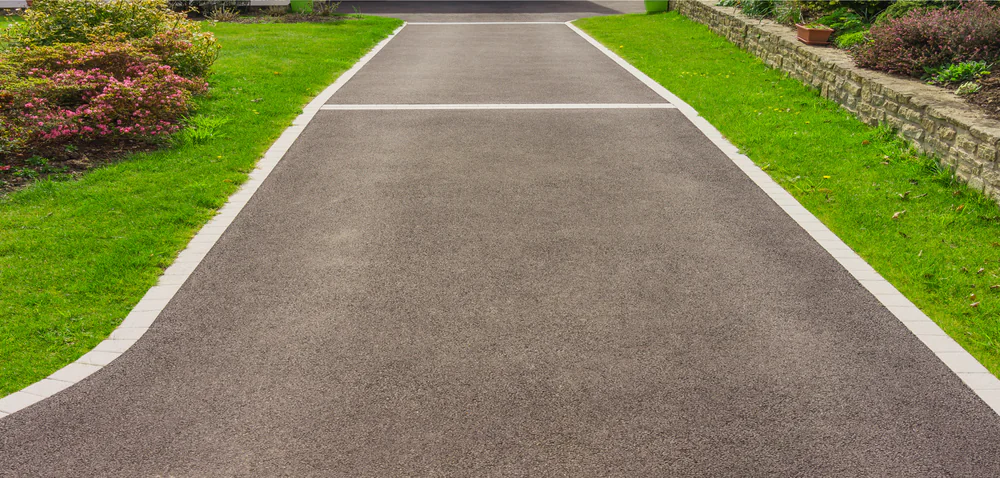
An asphalt driveway that doesn’t crack in two years. One that drains properly when it rains and doesn’t turn into a skating rink every winter.
You get a smooth surface that handles your daily use without settling, crumbling, or forcing you to call someone back in six months. The kind of paving installation that makes your neighbors ask who did the work.
This isn’t about looking good for a season. It’s about a driveway that holds up through New Jersey winters, summer heat, and everything your family throws at it. Proper grading means water goes where it should. Quality base prep means the surface stays level. And attention to detail means you’re not dealing with premature wear or patches that never quite match.
We bring decades of hands-on paving experience to every driveway in Princeton Junction and throughout West Windsor. This isn’t a side business or a crew that learned last summer—it’s a family tradition built on quality work and straight talk since 1948.
You’re working with a paving company that understands how Mercer County weather affects asphalt, how to handle the clay soils common in this area, and how to plan around mature trees without compromising your driveway’s foundation. We work on one project at a time, which means your job gets our full attention from the first site visit to the final pass with the roller.
We’ve earned five-star reviews handling both residential paving and commercial paving projects because we treat your property the way we’d want ours treated. No shortcuts. No disappearing acts. Just clear communication and work that holds up.
First, we assess your property. That means looking at drainage patterns, checking the existing base, measuring slope, and identifying any issues that could cause problems down the road. You get a clear explanation of what needs to happen and why.
Next comes site preparation. We excavate to the proper depth, address any drainage concerns, and install a solid aggregate base—this is the part most contractors rush, and it’s the part that determines whether your driveway lasts five years or twenty-five. We compact everything in lifts to prevent future settling.
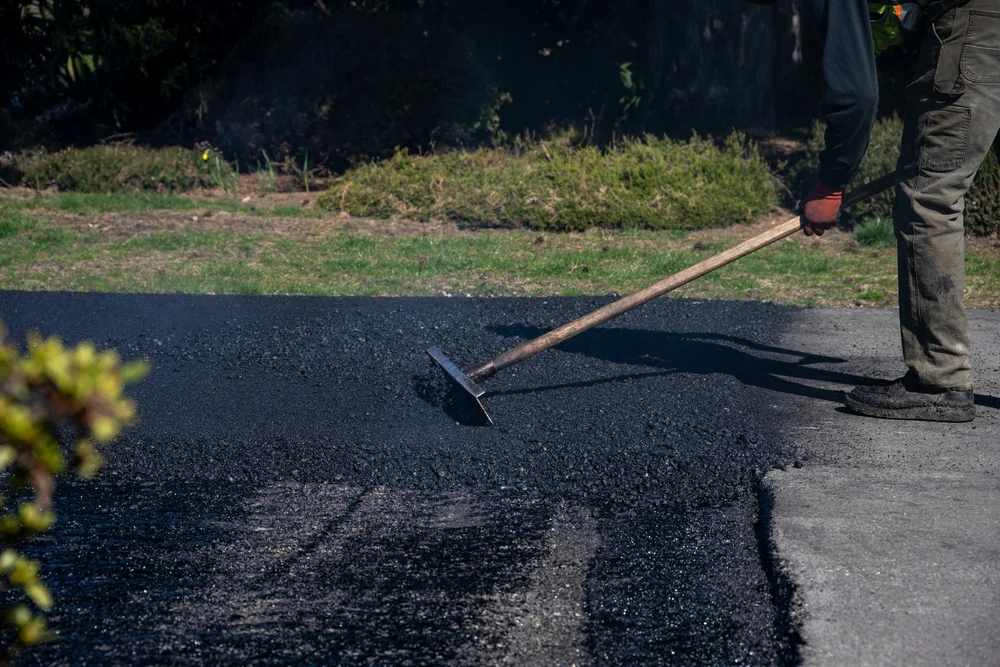
Then we install the asphalt. We use proper equipment, pay attention to temperature and weather conditions, and make sure the surface is smooth and properly sloped. You’ll know the timeline before we start, and if anything changes, you’ll hear about it immediately—not three days later.
After paving installation, we walk you through maintenance basics so you know how to protect your investment. Simple stuff that makes a real difference.
Ready to get started?
Your project includes proper excavation and grading to ensure water drains away from your home and garage. In Princeton Junction, where properties often have elevation changes and mature landscaping, this step matters more than most homeowners realize. Poor drainage is the number one reason asphalt driveways fail early, and we’ve seen too many properties where water pools against foundations or creates ice patches every winter.
You also get a compacted aggregate base installed to the right depth for your soil conditions and usage. West Windsor’s clay soils require specific attention—skip this part or do it wrong, and you’ll see settling and cracks within a year or two. We compact in layers, not all at once, because that’s what actually works.
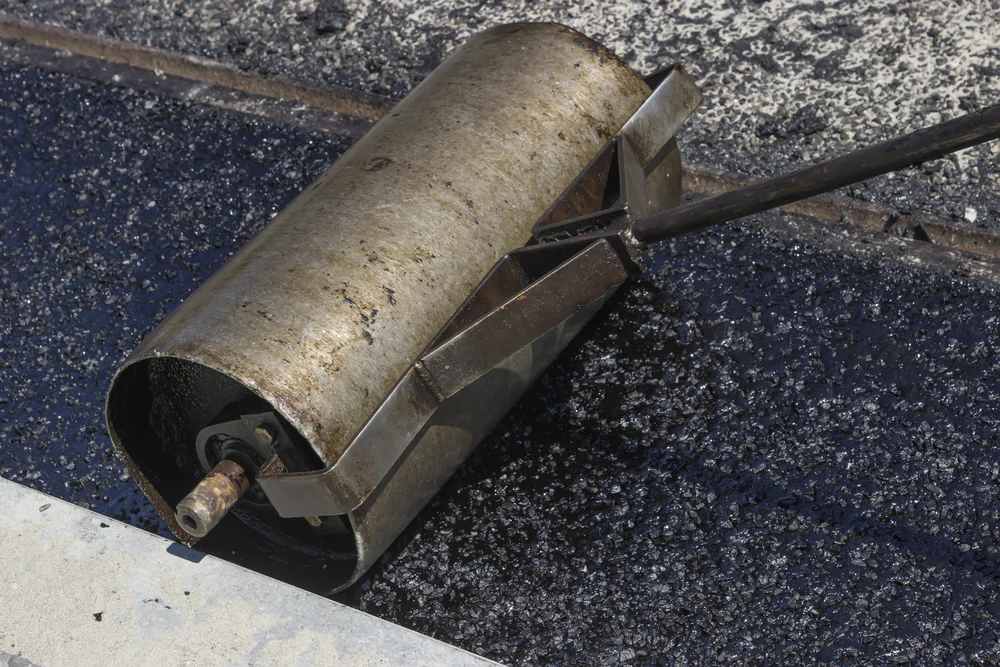
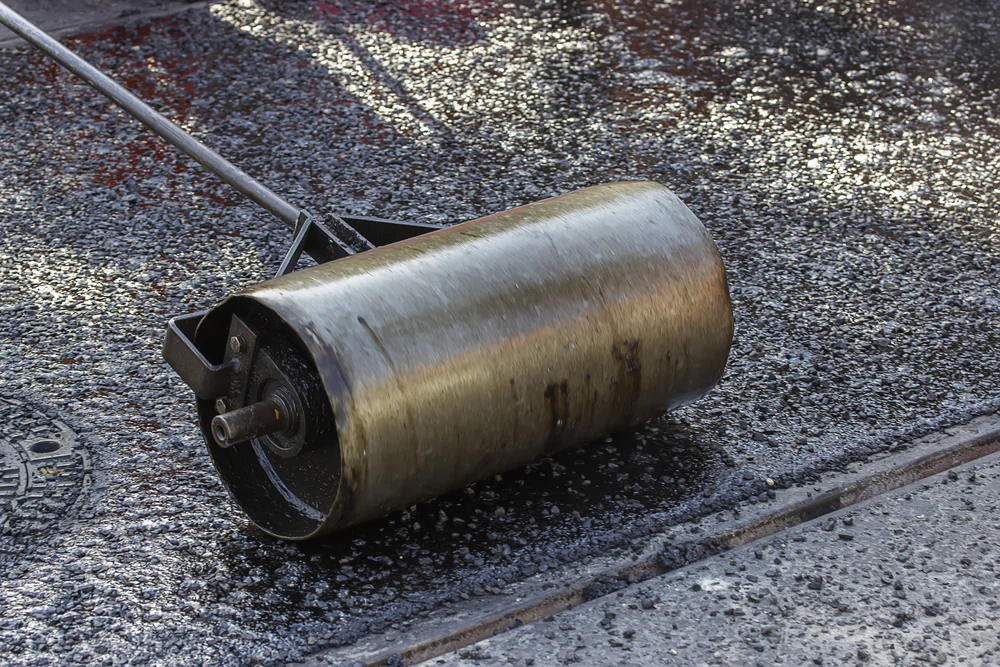
The asphalt installation itself includes proper thickness for residential use, clean edges, and a smooth finish that’s rolled and compacted while the material is still at optimal temperature. We coordinate timing so the asphalt goes down in the right conditions—not when it’s too cold, too hot, or about to rain. And if you need us to work around your schedule, your landscaping, or your property’s specific access challenges, we figure it out. That’s part of the job.
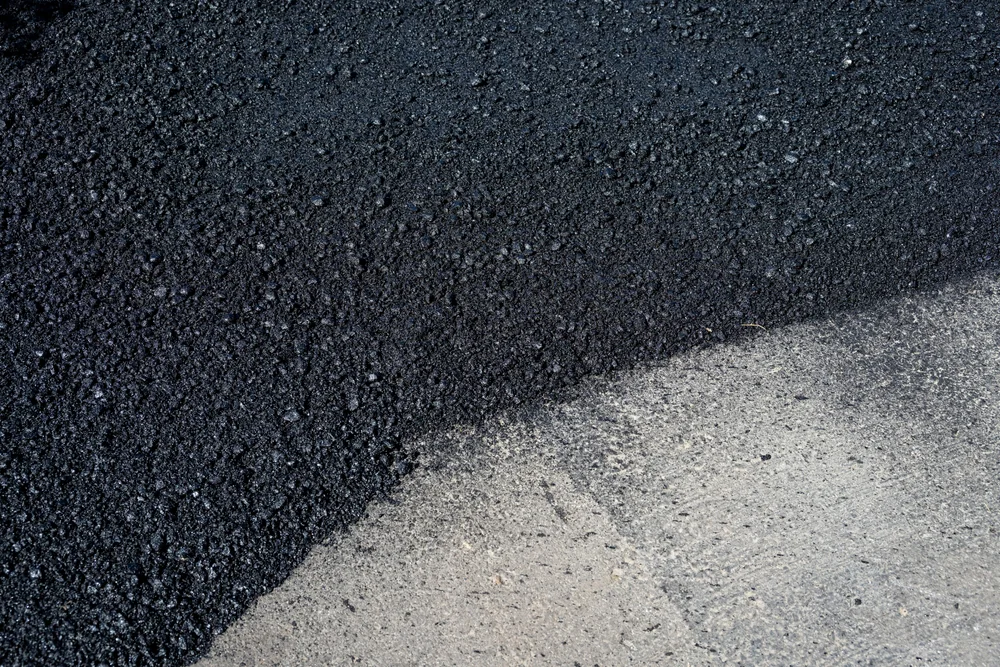
A properly installed asphalt driveway in this area typically lasts 20 to 30 years with basic maintenance. That number assumes the base was done right, the drainage works, and you sealcoat every few years.
The key word is “properly.” If the asphalt contractor skips steps during installation—shallow base, poor compaction, bad drainage—you might get five to ten years before major problems show up. New Jersey freeze-thaw cycles are tough on asphalt, and any water that gets under the surface will cause damage when it freezes and expands.
Maintenance isn’t complicated. Sealcoat every two to three years. Fill small cracks before they spread. Keep heavy vehicles off the edges. Do those things and your driveway will outlast most of your neighbors’ driveways.
Base preparation. That’s where most cheap jobs cut corners, and it’s the part you can’t see once the asphalt goes down.
A quality paving installation starts with proper excavation depth—usually 10 to 12 inches depending on soil conditions and how you’ll use the driveway. Then comes a compacted aggregate base installed in layers, not dumped and smoothed over. Each layer gets compacted separately so it actually stays solid instead of settling over time. Drainage gets addressed during this phase, with proper grading and sometimes additional solutions if your property has water issues.
Cheap jobs skip the base work or do it halfway. They might excavate only a few inches, skip the compaction, or ignore drainage entirely. The asphalt looks fine at first, but within a year or two you’ll see settling, cracking, and water damage. Quality base work costs more upfront, but it’s the difference between a driveway that lasts decades and one that fails fast.
Most residential driveway projects in this area run between $3 and $7 per square foot, depending on site conditions, access, and what needs to happen before the asphalt goes down. A standard two-car driveway is usually 600 to 800 square feet, so you’re looking at $2,500 to $5,000 for straightforward projects.
That range assumes normal excavation depth, standard grading, and reasonable access for equipment. If your property has drainage issues, poor existing base, difficult access, or requires extra grading work, the cost goes up. Same if you’re replacing a driveway that needs significant prep work versus installing on a clean site.
Anyone who quotes you without seeing the property is guessing. We visit the site, assess what’s actually needed, and give you a clear number based on your specific situation—not an average pulled from the internet.
Fall is actually one of the best times to pave in New Jersey. Temperatures are moderate, asphalt plants are still running, and the material compacts well without the extreme heat of summer or the cold of winter.
Spring works too, once temperatures consistently stay above 50 degrees. The key is air and ground temperature—asphalt needs warmth to compact properly and cure correctly. If it’s too cold, the material hardens before it’s fully compacted, which compromises the installation.
We don’t pave in winter. Some paving contractors will, but the results aren’t reliable. If you’re planning a project, late spring through fall gives you the best window. We’ll tell you if conditions aren’t right—we’d rather reschedule than install a driveway that won’t last.
We handle drainage as part of the installation. In fact, we won’t install asphalt over a site with unresolved drainage problems because it’s a waste of your money and our reputation.
Drainage issues in Princeton Junction often come from clay soils, property elevation, or existing grade problems. Water that pools on or under your driveway will cause damage—cracking, heaving, potholes, and premature failure. We assess drainage during the initial site visit and build solutions into the project plan. That might mean adjusting the grade, installing a proper crown, adding drainage structures, or reworking how water flows across your property.
Some properties need more extensive solutions—French drains, catch basins, or regrading beyond the driveway itself. We’ll tell you what’s actually required and why. Installing asphalt over bad drainage just kicks the problem down the road, and we’re not interested in callbacks or unhappy clients.
You can walk on it almost immediately, but you should wait at least 24 hours before driving on it—longer if possible. New asphalt needs time to cool and cure, and driving on it too soon can cause surface damage, tire marks, or indentations that don’t go away.
For the first few days, avoid turning your steering wheel while the vehicle is stopped, and don’t park in the same spot repeatedly. The asphalt is still curing and is more susceptible to damage from concentrated weight or twisting forces. After about a week, it’s solid enough for normal use.
Full cure takes several months, but that doesn’t mean you can’t use the driveway. Just be a little careful for the first week or two. We’ll give you specific guidance based on weather conditions when we finish your project—hot weather means longer wait times, cooler weather means the asphalt firms up faster.
Other Services we provide in Princetonjunction