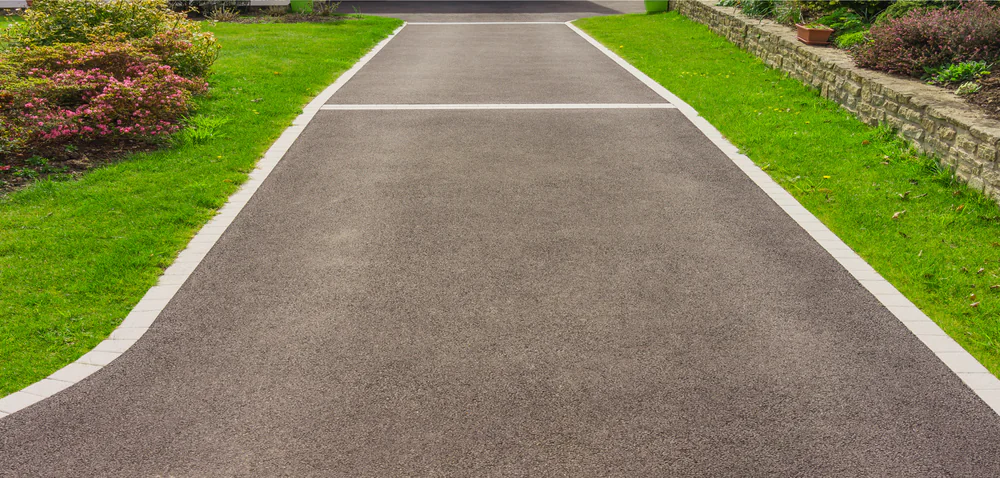
Your driveway stops being something you worry about. No more standing water after storms. No more cracks spreading across the surface every spring. No more uneven settling that scrapes your car’s undercarriage.
When asphalt is installed correctly, you get a smooth surface that handles New Jersey’s freeze-thaw cycles without falling apart. Water drains where it should. The edges hold their shape. The surface stays level.
You also get your time back. No more calling around for repair estimates. No more dealing with contractors who quote one price and charge another. The job gets done once, and you move on with your life.
Productive Asphalt brings family expertise that goes back decades. We handle residential driveways, commercial parking lots, and industrial projects throughout Washington Crossing and Mercer County.
Here’s what makes us different: our crew works on one project at a time. Not three jobs in one day. Not rushing to the next site before yours is finished. Your driveway gets our full attention until it’s done right.
We know Washington Crossing properties. The soil conditions, the drainage challenges, the way winter weather hits this area. Every project gets a custom approach based on what your specific property needs, not a one-size-fits-all template.
First, we remove your old driveway if you have one. The existing surface gets broken up and hauled away. Then we grade the area to make sure water flows away from your home and garage. This step matters more than most people realize—poor drainage destroys driveways faster than anything else.
Next comes the base layer. We install crushed stone, compact it in stages, and run a proof roll test with heavy equipment. If any spots show weakness, we fix them before moving forward. Skipping this step is how driveways fail in three years instead of lasting thirty.
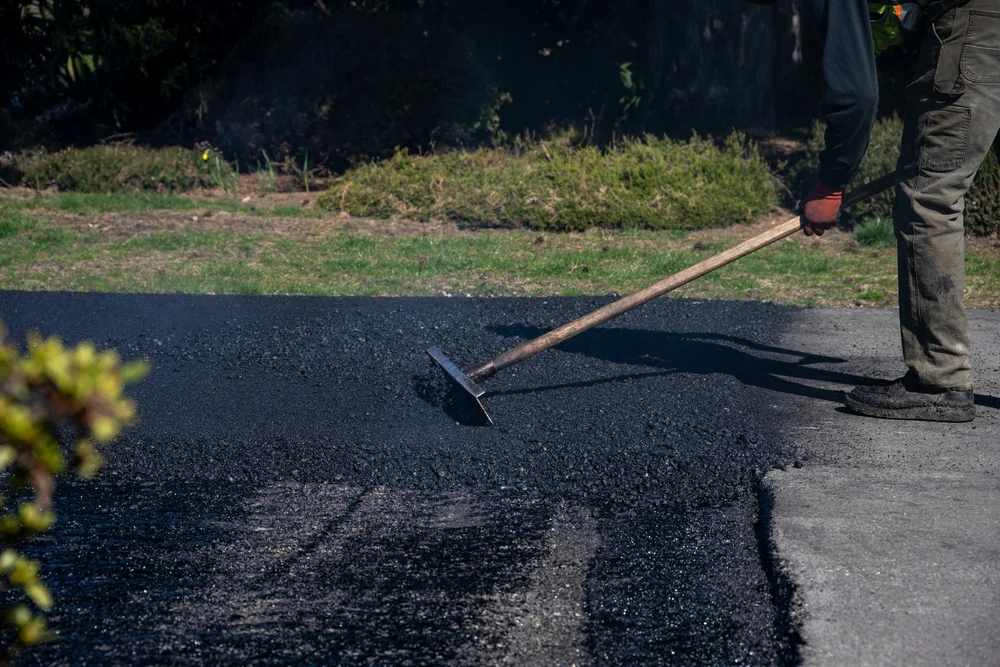
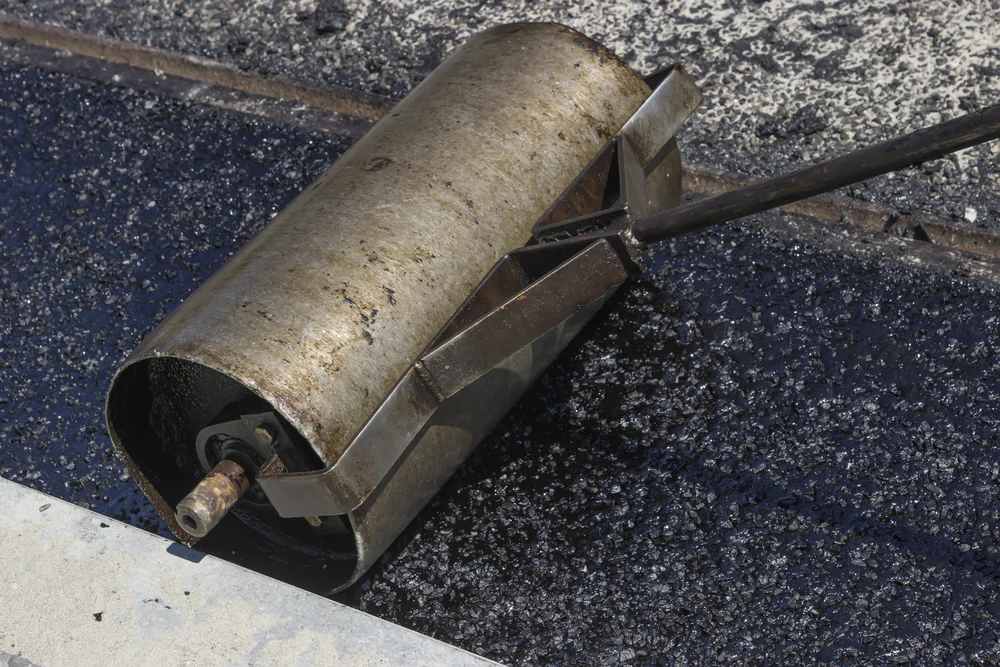
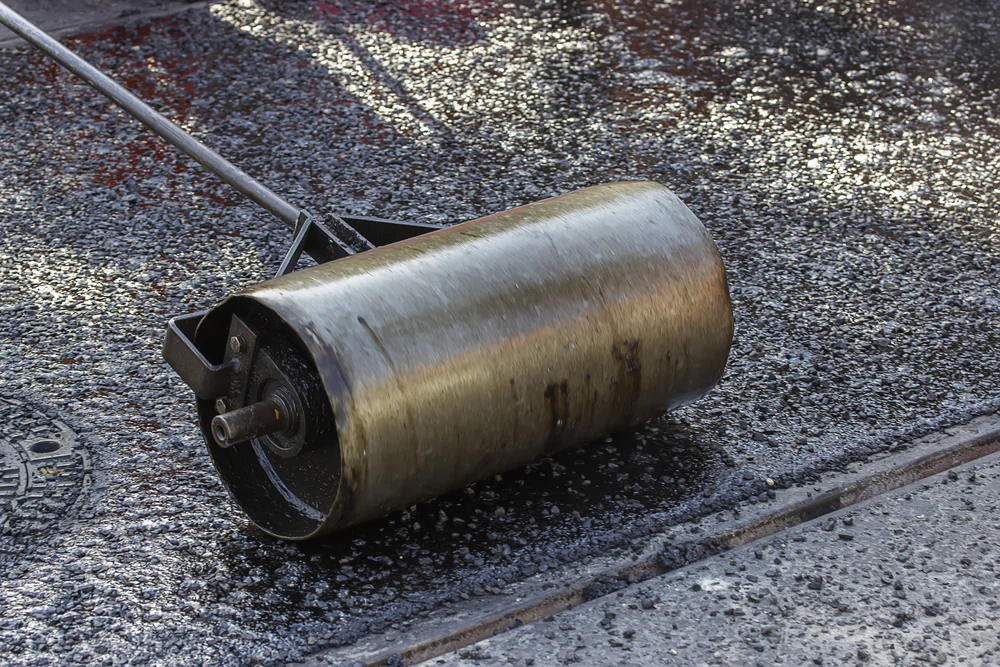
The asphalt goes down in layers—typically a binder layer for strength, then the surface layer for durability and appearance. We use rollers to compact everything while it’s still hot. Proper compaction is what keeps your driveway from developing ruts and soft spots.
After installation, the surface needs time to cure. You can walk on it within a day, but wait 48 hours before parking vehicles on it. Full curing takes about a month, so avoid sharp turns and heavy loads during that time.
Ready to get started?
You get a driveway built to handle New Jersey weather. That means proper thickness for your specific use—residential driveways typically need 2 to 3 inches of asphalt over a solid base. If you park heavier vehicles or have commercial needs, we adjust accordingly.
Drainage solutions are part of every project. Washington Crossing gets its share of rain, and this area’s proximity to the Delaware River means water management can’t be an afterthought. We grade your driveway to direct water away from structures and prevent pooling that leads to ice patches in winter.
The Washington Crossing area sees those freeze-thaw cycles that crack poorly installed asphalt. You’re looking at 18 to 25 cycles every year in this part of New Jersey. Our installation accounts for this—proper base preparation and compaction mean the asphalt can flex with temperature changes instead of breaking apart.
You also get transparent communication. We walk you through what we’re doing and why. If we find an issue with your base or drainage during prep work, you hear about it before we proceed. No surprise charges, no unexplained delays.
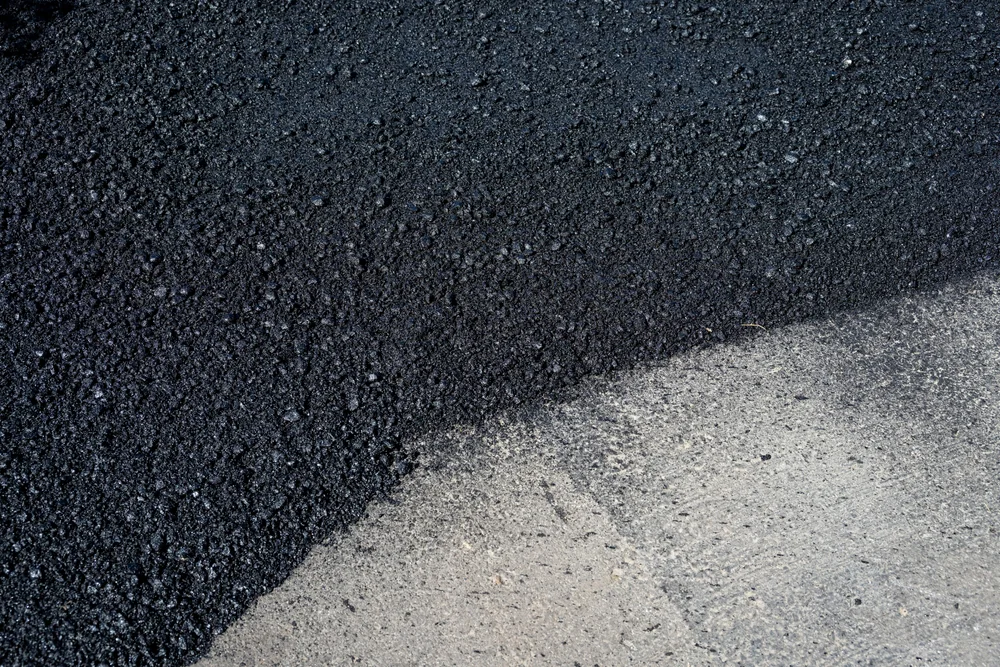
A properly installed asphalt driveway lasts 15 to 30 years in this area, depending on maintenance and use. The key factors are base preparation, drainage, and how well you maintain the surface.
New Jersey’s climate is tough on asphalt. Those freeze-thaw cycles—where water gets into small cracks, freezes, expands, and breaks the asphalt apart—are your biggest enemy. If the base isn’t properly compacted or drainage isn’t handled correctly, you’ll see problems within five years.
Regular maintenance extends life significantly. Sealcoating every two to three years protects the surface from UV damage and water penetration. Filling small cracks when they first appear prevents them from becoming potholes. Most driveways that fail early do so because of deferred maintenance, not poor installation.
New asphalt driveway installation typically runs $7 to $13 per square foot in this area. A standard two-car driveway of about 600 square feet costs between $4,200 and $7,800. Your actual cost depends on several factors.
Site preparation is the biggest variable. If we need to remove an old driveway, excavate difficult soil, or address drainage issues, costs increase. Properties with slopes or challenging access for equipment also require more labor.
Asphalt thickness affects price too. Residential driveways typically need 2 to 3 inches of asphalt over a compacted base. If you park heavier vehicles or need commercial-grade durability, thicker asphalt costs more but lasts longer. Material costs have increased recently—asphalt is running $125 to $150 per ton in early 2026, up from previous years. We provide transparent estimates that break down exactly what you’re paying for, so there’s no confusion about where your money goes.
Late spring through early fall is ideal for asphalt paving in Washington Crossing. You want temperatures consistently above 50 degrees, with warm weather helping the asphalt cure properly.
Summer is peak season, which means contractors are busiest and sometimes charge premium rates. Early fall can be a sweet spot—weather is still warm enough for proper installation, but demand drops slightly after Labor Day.
Avoid winter paving. Cold temperatures prevent asphalt from compacting correctly, and you end up with a surface that fails prematurely. If you’re planning a project, schedule it for May through October. Book early if you want summer installation, as quality contractors fill their schedules quickly during peak months.
It depends on the condition of your existing driveway. If the current surface is severely cracked, has drainage problems, or shows signs of base failure, removal is necessary. Paving over a failing driveway just transfers those problems to your new surface.
Minor surface cracks without underlying base issues might allow for an overlay—installing new asphalt over the old surface. This costs less than full removal and replacement, but only works if the existing base is solid.
We assess every driveway before recommending an approach. Signs that you need full removal include alligator cracking (interconnected cracks that look like reptile skin), multiple potholes, significant settling, or standing water that indicates drainage failure. If your driveway is just showing age with minor surface wear, an overlay might work fine. The wrong choice here costs you money later, so honest assessment up front matters.
Sealcoating every two to three years is your primary maintenance task. Sealcoating protects asphalt from UV rays, water penetration, and chemical damage from oil or gas leaks. It’s like sunscreen for your driveway—prevents damage before it starts.
Fill cracks as soon as you notice them. Small cracks are easy and cheap to fix. Ignored cracks become potholes that require expensive repairs. Check your driveway each spring after winter weather passes.
Keep the surface clean. Sweep away debris, remove oil stains promptly, and avoid using metal shovels or harsh de-icing chemicals in winter. Rock salt can damage asphalt—use sand for traction or calcium magnesium acetate if you need a de-icer. Washington Crossing winters are tough enough without adding unnecessary chemical stress to your driveway.
Water is asphalt’s worst enemy. Poor drainage causes more driveway failures than any other factor. When water pools on your driveway or seeps into the base layer, it weakens the foundation and leads to cracks, potholes, and premature deterioration.
In winter, trapped water freezes and expands, breaking apart the asphalt from underneath. You won’t see the damage immediately, but after a few freeze-thaw cycles, cracks appear and spread quickly. By the time surface damage is visible, the base layer is often compromised.
Proper grading directs water away from your driveway and away from your home’s foundation. The surface should slope slightly—typically about a quarter inch per foot—to move water toward drainage areas. Some properties need additional solutions like French drains or catch basins. Every Washington Crossing property is different, so drainage solutions get customized based on your lot’s specific topography and soil conditions. Getting this right during installation prevents expensive problems later.
Other Services we provide in Washingtoncrossing