
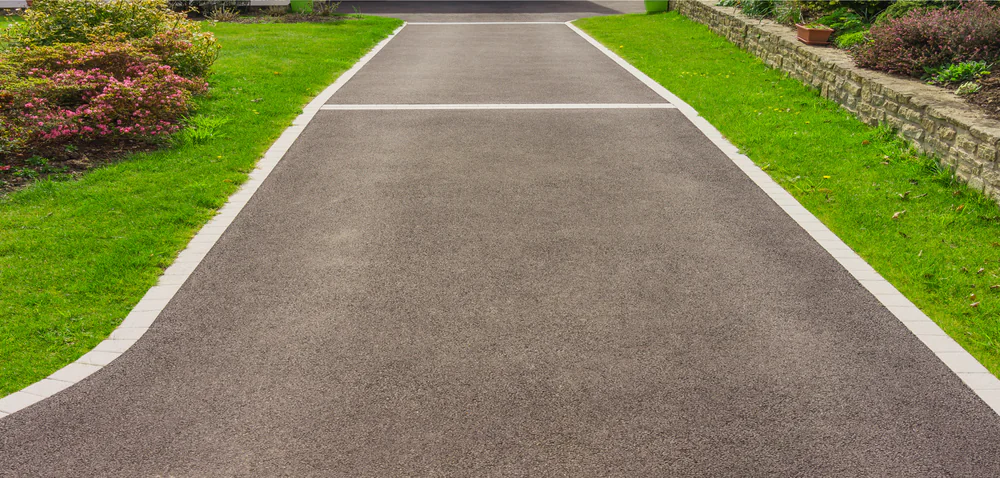
A properly installed asphalt driveway doesn’t just look better. It performs better.
The surface stays flexible through winter, so it bends instead of cracks when temperatures drop. That means fewer repair calls, less money spent patching problems, and a driveway that actually lasts the 20-25 years you’re paying for.
You’ll notice the difference right away. Water drains properly instead of pooling. Snow melts faster on the dark surface. Your vehicles get better traction, and you’re not dodging potholes every time you pull in.
Bridgeton’s climate is tough on driveways. The freeze-thaw cycle that happens here will destroy concrete over time, but asphalt’s flexibility handles it. You’re also looking at about one-third the cost of concrete for installation, which matters when you’re trying to make smart decisions about your property.
We’ve been in the paving business since 1948. That’s not a marketing line—it’s a family tradition that’s been passed down through generations who learned the craft by actually doing the work.
We treat every driveway in Bridgeton like it’s the only one that matters. One job at a time, full crew attention, no rushing off to the next project before yours is done right.
You’re working with people who understand Bucks County properties. We know how water moves across your land, what the soil does in different seasons, and how to build a driveway that works with your specific property instead of fighting against it. Bridgeton homeowners have trusted us for decades because we show up, do what we say we’ll do, and stand behind the work.
First, we come out to look at your property. Not a quick glance—an actual assessment of what you’re working with. We measure, check the grade, look at drainage, and figure out what your driveway actually needs.
Then you get a clear estimate. No hidden fees, no surprises later. We explain what we’re doing and why, so you understand exactly what you’re paying for.
When our crew shows up, we prep the base properly. This is where a lot of contractors cut corners, but it’s also where your driveway’s longevity gets decided. We excavate if needed, install the right base material, compact it correctly, and make sure water will drain away from your property.
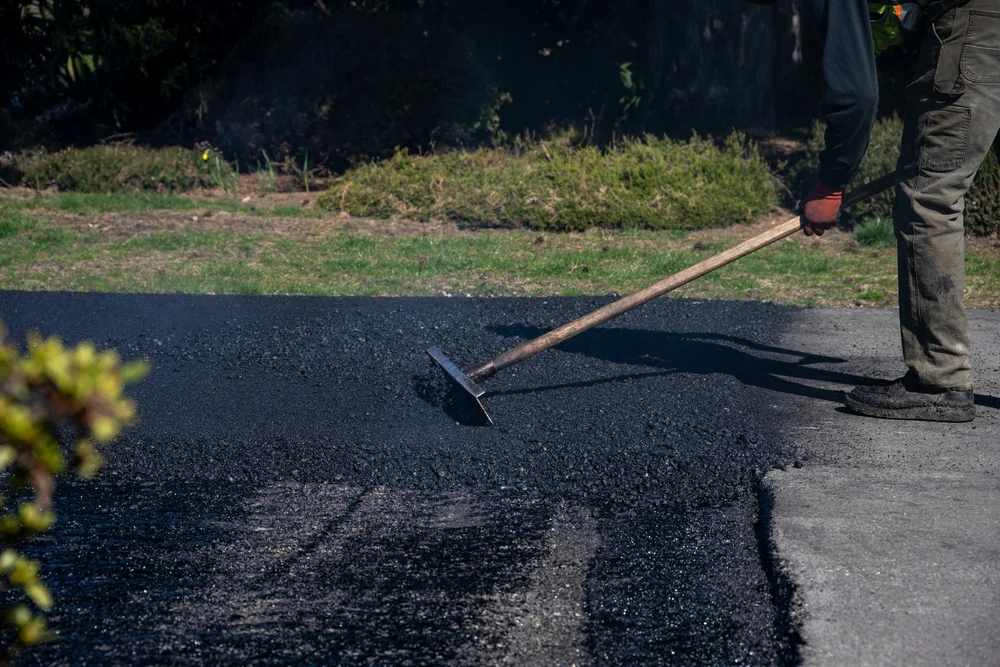
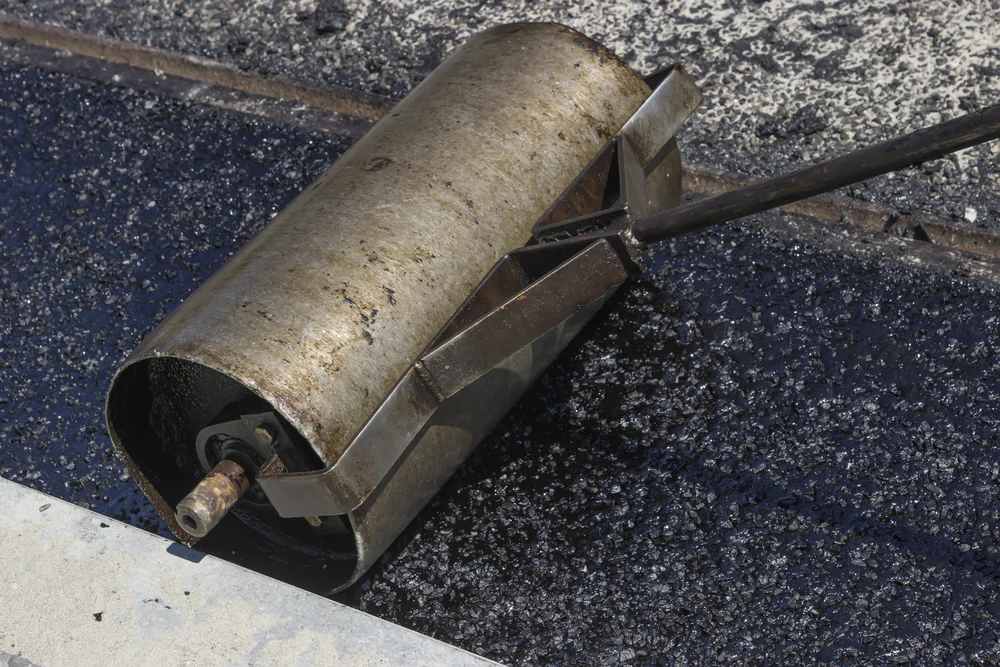
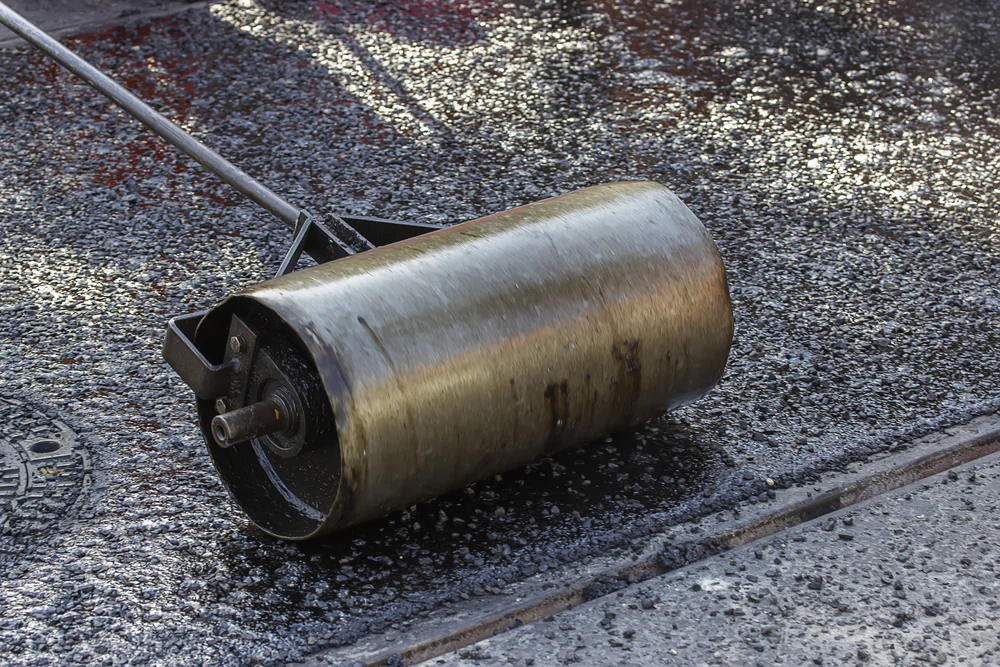
The asphalt goes down hot and gets rolled to the right compaction. We’re not guessing—we’re using the techniques that actually work in Pennsylvania’s climate. Within a day or two, you can drive on it. Within six months, we’ll come back to seal it, which protects the surface and extends the life of your investment.
Ready to get started?
You’re getting a complete driveway paving installation, not just asphalt dumped on your property. That includes proper excavation and grading so water moves away from your foundation instead of toward it.
The base layer matters more than most people realize. We install the right depth of compacted stone base for Bridgeton’s soil conditions. This is what keeps your driveway from settling, cracking, or developing those annoying low spots where water collects.
The asphalt itself is installed at the proper thickness for residential use—thick enough to handle your vehicles without breaking down, but not wastefully over-engineered. We use quality hot-mix asphalt that’s designed for Pennsylvania’s temperature swings.
In Bridgeton, you’re dealing with a climate that swings from humid summers to cold winters. Your driveway needs to handle that. Our installation process accounts for expansion and contraction, proper drainage for those heavy spring rains, and a surface that won’t turn into a skating rink every time temperatures drop. You also get access to our maintenance services down the road—sealcoating, crack repair, and the kind of preventive care that keeps small issues from turning into expensive problems.
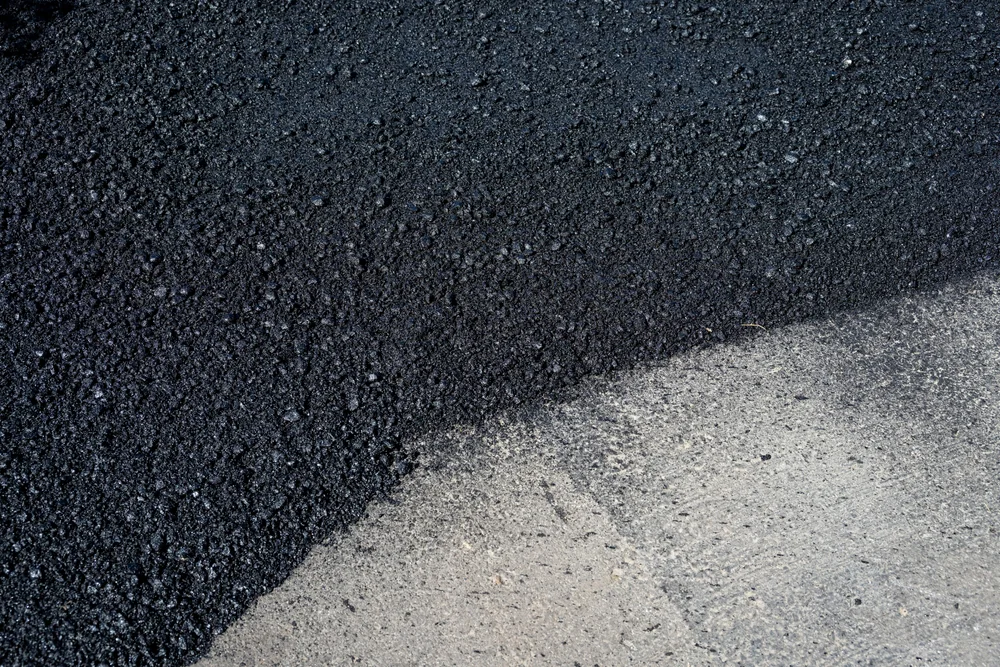
A properly installed and maintained asphalt driveway in Bridgeton typically lasts 20 to 25 years, sometimes longer. The key word there is “maintained.”
Pennsylvania’s freeze-thaw cycles are hard on any paving material. When water gets into small cracks, freezes, expands, and then thaws, it creates bigger cracks. That’s why sealcoating every three to five years matters—it keeps water out and extends your driveway’s life significantly.
The installation quality makes a huge difference too. If the base isn’t properly compacted or drainage isn’t addressed, you’ll see problems within a few years no matter how good the asphalt is. That’s why choosing a contractor who understands local soil conditions and climate isn’t just a nice-to-have—it directly affects how long your driveway lasts.
Asphalt costs roughly one-third of what you’d pay for concrete in Pennsylvania. For a typical residential driveway, you’re looking at around $3 to $4 per square foot for asphalt versus $6 to $7 per square foot for concrete—and that’s before you add any decorative finishes to concrete.
But the cost comparison doesn’t stop at installation. Asphalt needs sealcoating every few years, which runs about $3 to $7 per square foot. Concrete needs less frequent maintenance, but when it cracks—and it will crack in Pennsylvania winters—repairs are more expensive and the patches are obvious.
Over the long term, asphalt typically gives you better value in climates like Bridgeton’s. It handles the freeze-thaw cycle better, repairs blend in seamlessly, and the upfront savings are significant. If you’re planning to stay in your home for 20+ years, asphalt’s combination of lower installation cost and better cold-weather performance usually makes more financial sense.
Late spring through early fall is your best window for driveway paving in Pennsylvania. Asphalt needs to be installed when ground temperatures are consistently above 50 degrees, and ideally when daytime temps hit 70 degrees or higher.
Late spring and early summer are often ideal because you get consistent warmth without the extreme heat of late summer, which can actually cause asphalt to cure too quickly. Fall can work too, but you’re racing against dropping temperatures—if it gets too cold before the asphalt properly cures, you can end up with problems.
Winter paving is technically possible but not recommended. The asphalt won’t compact properly in cold temperatures, and if the ground is frozen, you’re building on an unstable base. If you need repairs in winter, we’ll tell you honestly whether it makes sense to wait or if there’s a temporary solution that’ll get you through until spring. The best contractors book up in spring, so if you’re planning a project, reach out in late winter to get on the schedule.
Asphalt is flexible. Concrete is rigid. That difference matters a lot when temperatures swing from 90 degrees in summer to below freezing in winter.
When concrete freezes, any water that’s gotten into tiny cracks expands and makes those cracks bigger. Concrete can’t flex to accommodate that movement, so it cracks, heaves, and breaks apart. The salt you use to melt ice makes it worse by pitting and staining the surface.
Asphalt, on the other hand, has some give to it. It can expand and contract with temperature changes without cracking as easily. The dark color also absorbs heat, which means snow and ice melt faster—you’ll be able to use your driveway sooner after a storm. And when asphalt does eventually need repairs, the patches blend in. With concrete, every repair is permanently visible.
Yes, you need to seal it. And it’s not optional if you want your driveway to last.
You should seal a new asphalt driveway about six months after installation, once it’s fully cured. After that, plan on resealing every three to five years depending on traffic, weather exposure, and how the surface is holding up.
Sealcoating does two important things: it blocks water from seeping into small cracks where it can freeze and cause damage, and it protects the asphalt from UV rays, oil, and chemicals that break down the surface over time. Think of it like changing the oil in your car—it’s preventive maintenance that costs a few hundred dollars now instead of thousands in repairs later. A driveway that’s never been sealed might last 10 years. One that’s properly maintained can easily hit 25 years or more.
If more than 30% of your driveway surface is damaged, you’re usually better off replacing it. Patching that much area gets expensive, and you’re still left with an old driveway that’ll keep developing new problems.
Look for deep cracks that cover large sections, multiple potholes, significant settling or unevenness, and areas where the base has failed and the asphalt is breaking apart. If water pools in several spots after rain, that’s a drainage issue that patching won’t fix—you need to address the base and grading.
On the other hand, if you’ve got a few isolated cracks, some minor surface wear, or one or two small potholes, repairs make sense. We’ll tell you honestly which route makes more financial sense. We’ll look at the age of your current driveway, the condition of the base, and whether the problems are surface-level or structural. If a contractor is pushing for a full replacement when repairs would work, that’s a red flag. If they’re suggesting patches for a driveway that’s clearly past its useful life, that’s another red flag.
Other Services we provide in Bridgeton