
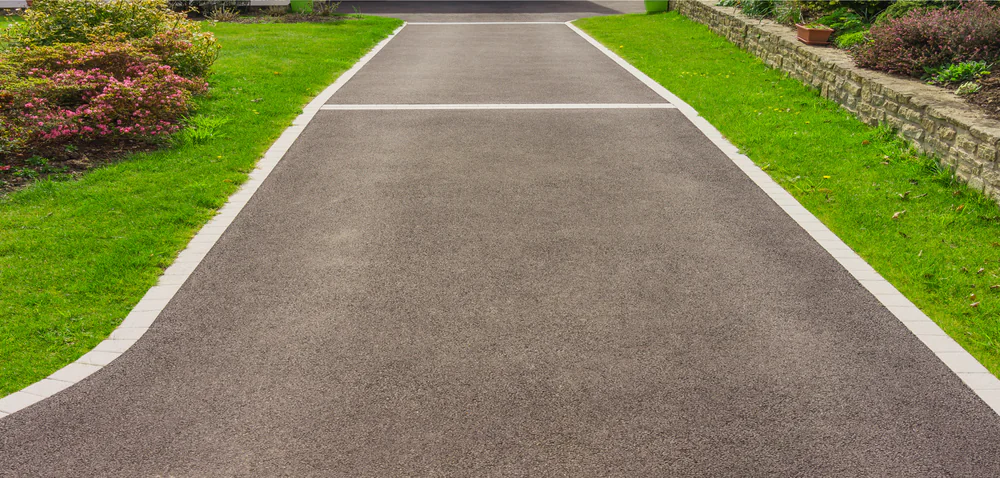
You’ve seen the driveways around Brittany Farms-The Highlands that crack after one winter. The ones with edges that crumble. The ones where water pools every time it rains because nobody bothered with proper grading.
That’s what happens when installation gets rushed or shortcuts get taken. Your driveway takes a beating every single day—vehicles weighing thousands of pounds, Pennsylvania’s wild temperature swings, spring rain that won’t quit, winter ice that seeps into every weak point.
The difference between a driveway that lasts 15-20 years and one that needs major repairs in three? Proper base preparation. Correct drainage slope. Quality asphalt mix. Compaction that actually compresses the material instead of just rolling over it.
When your driveway is installed correctly, you’re not calling for pothole repairs every spring. You’re not dealing with standing water that turns into an ice rink. You’re not watching your property value drop because your driveway looks like a patchwork quilt.
Our roots in the paving industry go back to 1948. That’s three-quarters of a century of watching what holds up and what fails. What works in Pennsylvania’s climate and what’s a waste of your money.
Here’s what makes the difference: our crew works on one job at a time. Not three jobs in one day where everyone’s rushing to the next site. Your driveway gets the full attention it needs—proper base prep, correct drainage grading, quality materials, and installation that’s done right.
We’ve paved driveways throughout Brittany Farms-The Highlands and the surrounding areas for homeowners who needed straight answers, not sales pitches. Every project gets treated the same way, whether it’s a small residential driveway or a larger commercial lot. You get honest assessments, transparent pricing, and work that reflects decades of hands-on experience.
First, we assess your existing driveway and property. We’re looking at the current base condition, drainage patterns, and whether you need full replacement or if resurfacing will actually work. If your base is shot, resurfacing just delays the inevitable—we’ll tell you that upfront.
For new installation or full replacement, we excavate to the proper depth and prepare the sub-base. This is where most problems start if it’s done wrong. The base needs proper compaction and grading to handle water runoff. Pennsylvania gets heavy rain, and if water can’t drain away from your driveway, it sits there, seeps in, freezes, and destroys your asphalt from underneath.
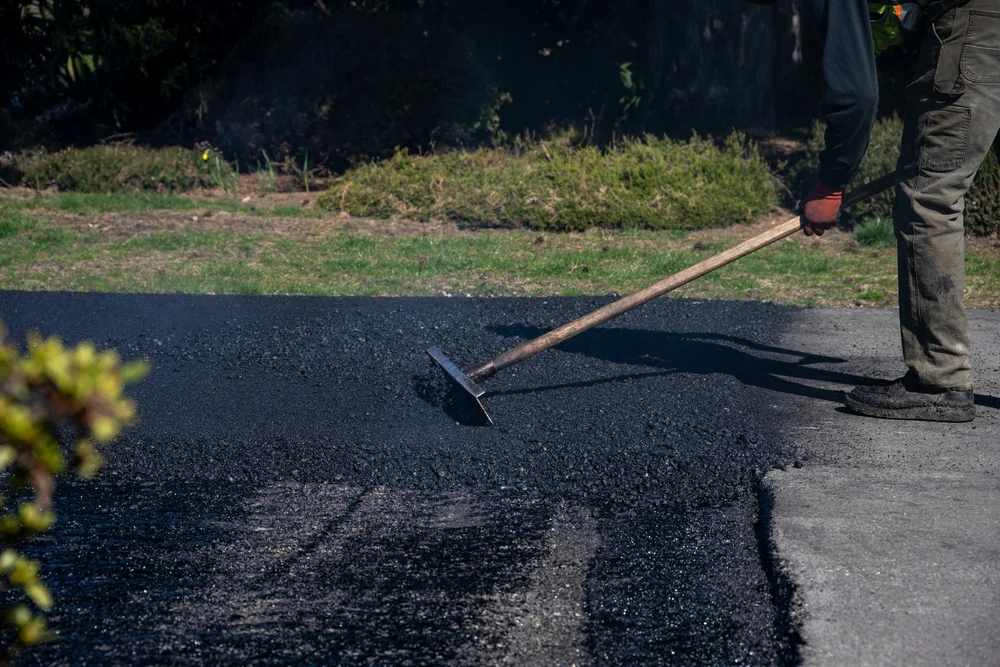
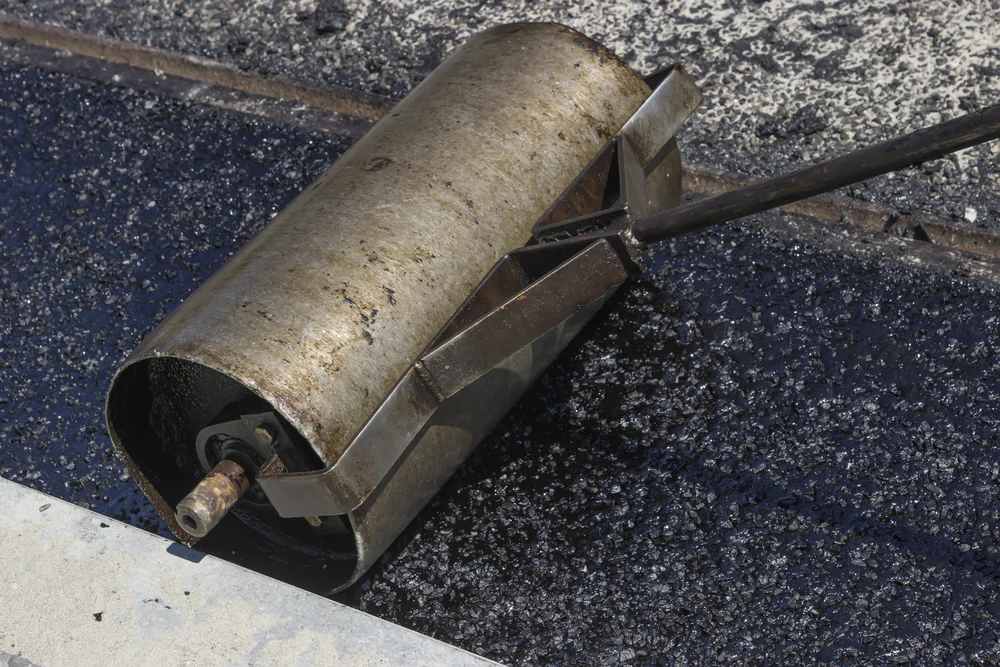
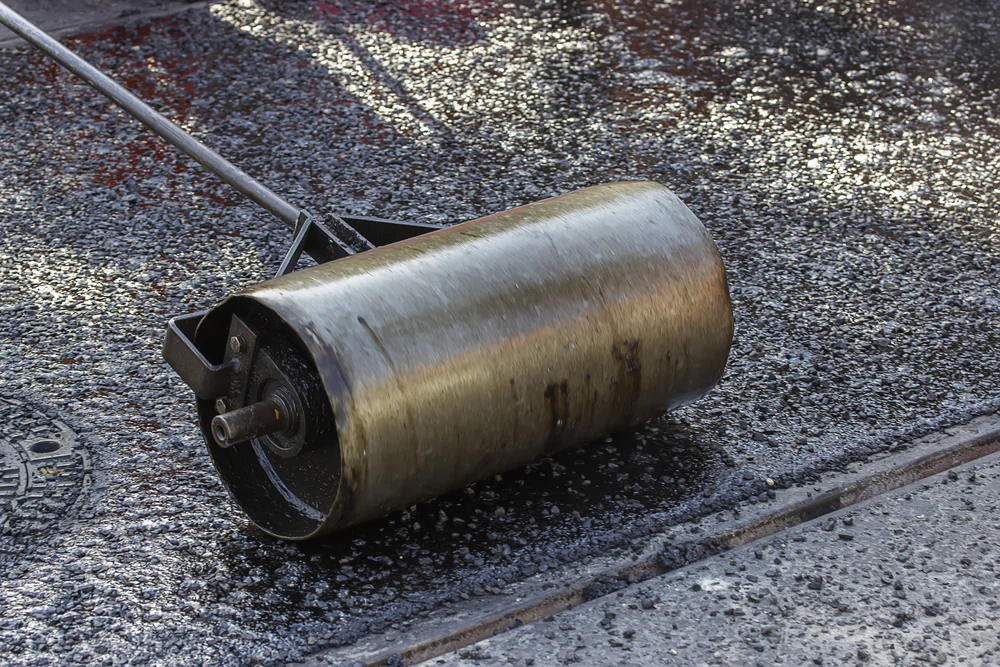
Once the base is solid and properly graded, we install the asphalt in layers. The binder layer goes down first, gets compacted correctly, then the surface layer. Compaction isn’t just rolling over it once—it’s multiple passes with the right equipment to compress the asphalt to the correct density.
Edges get finished properly so they don’t crumble after the first season. Transitions to your garage or street get graded correctly so water flows away, not toward your foundation. The whole process typically takes a few days depending on size, and you’ll need to stay off it for at least 24 hours while it cures.
Ready to get started?
Driveway paving in Brittany Farms-The Highlands means dealing with specific challenges. The area’s soil conditions, drainage requirements, and weather patterns all affect how your driveway needs to be installed. Properties here often need careful attention to grading because of how spring storms dump water.
You’re getting site evaluation that looks at your specific property—not a cookie-cutter estimate. We assess your current driveway condition, drainage issues, and what your property actually needs. If you’ve got water pooling problems, that gets addressed during base prep and grading.
The installation includes proper excavation if needed, base preparation with correct compaction, drainage grading to move water away from your home, quality asphalt installation in proper layers, and edge finishing that won’t fall apart. For existing driveways in decent shape, resurfacing might be the right call—we’ll tell you honestly which option makes sense.
We also handle commercial paving for parking lots and business properties throughout Brittany Farms-The Highlands. Same approach: one job at a time, full crew attention, work done right. Whether it’s your home driveway or your business parking area, you’re getting the same level of care and expertise that comes from 75 years in this industry.
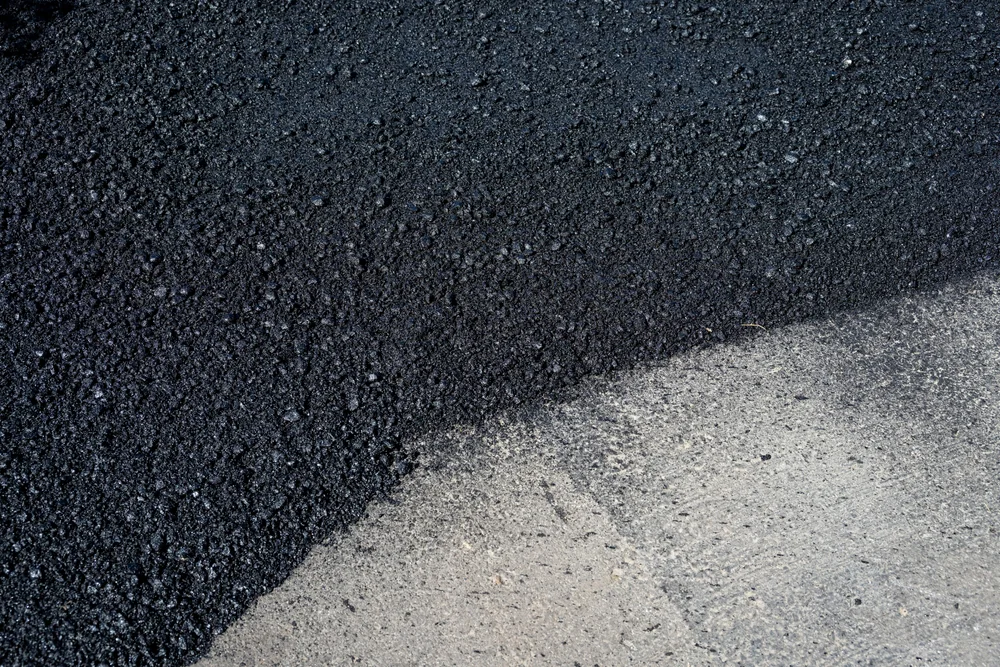
With proper installation and reasonable maintenance, you’re looking at 15-20 years before you need to think about full replacement. That’s if it’s done right from the start—correct base prep, proper drainage, quality materials.
Pennsylvania’s freeze-thaw cycles are brutal on asphalt. Water gets into small cracks, freezes, expands, and makes those cracks bigger. That’s why the base and drainage matter so much. If water can’t get under your asphalt in the first place, it can’t cause that kind of damage.
Regular sealcoating every few years helps protect the surface from UV damage and water penetration. Filling small cracks before they become big problems extends the life. But the foundation of a long-lasting driveway is proper installation—you can’t sealcoat your way out of a poorly installed base.
If you’ve got surface cracks and minor damage but your base is still solid, resurfacing can work. We remove the top layer and put down fresh asphalt—about two inches thick. You’re essentially getting a new surface while keeping the existing base.
But if you’ve got extensive cracking, areas that have sunk or heaved, or drainage problems, that’s telling you the base has failed. Putting new asphalt over a failed base is like putting a new roof on a house with rotted framing. It’ll look good for a minute, then the same problems come back.
During the assessment, we’re checking for signs of base failure—large cracks, significant settling, areas where water pools. If your driveway has those issues, full replacement is the honest answer. It costs more upfront but you’re not throwing money at repairs every couple years.
Cost depends on size, current condition, and what actually needs to be done. A straightforward residential driveway replacement runs differently than one where we’re also fixing drainage issues or dealing with difficult access.
Full replacement costs more than resurfacing because you’re paying for excavation, base prep, and more material. But if your base is shot, resurfacing is just temporary—you’ll be back to the same problems within a few years and you’ve spent money twice.
The best approach is getting an honest assessment of what your driveway actually needs. We’ll look at your specific property, tell you what we’re seeing, and give you a transparent estimate. No pressure, no games—just straight information so you can make the right decision for your situation and budget.
Late spring through early fall gives you the most consistent weather for paving. Asphalt needs temperatures above 50 degrees to install properly, and ideally you want it warmer than that for good compaction.
Late spring and early summer are usually ideal in Pennsylvania. You’ve got warm temperatures, lower chance of rain interrupting the work, and the asphalt has time to cure properly before winter. Summer works too, though extremely hot days can make the asphalt too soft during installation.
Fall can work if temperatures stay warm enough, but once you’re getting cold nights, the asphalt doesn’t cure as well. Winter paving is possible but not ideal—cold temperatures make proper compaction difficult and the asphalt doesn’t bond as well. If you’re planning a project, spring or summer scheduling gives you the best conditions for installation that’ll last.
Usually because it wasn’t graded correctly during installation. Your driveway needs a slight slope—enough to move water away from your house and garage, but not so much that it’s noticeable or causes other issues.
Pennsylvania gets heavy spring rains. If your driveway is flat or slopes the wrong direction, water sits there instead of draining away. That standing water seeps into any cracks, gets under the asphalt, weakens the base, and causes bigger problems. In winter, that same water freezes and creates ice patches.
Fixing drainage problems usually means addressing the base and grading during replacement or resurfacing. We’re looking at how water moves across your property, where it needs to go, and how to grade your driveway so water flows away from structures. Sometimes that means adjusting the slope, sometimes it means adding drainage solutions. It depends on your specific property and what’s causing the water to pool.
Look at how they explain the process. If someone’s rushing through an estimate without really looking at your property, that’s a red flag. Quality work requires understanding your specific situation—drainage, base condition, access issues.
Ask about their base prep process. That’s where most problems start. If they’re vague about excavation depth, compaction methods, or drainage grading, they’re probably cutting corners there. The base is the foundation—if that’s wrong, nothing else matters.
Check their track record. How long have they been in business? Do they have verified reviews you can actually read? Are they licensed and insured? Will they give you straight answers about whether you need replacement or if resurfacing will work? A contractor who’s honest about what you don’t need is usually honest about what you do need. References from actual local projects help too—you want to see work that’s held up over time, not just fresh installations.
Other Services we provide in Brittanyfarms-Thehighlands