
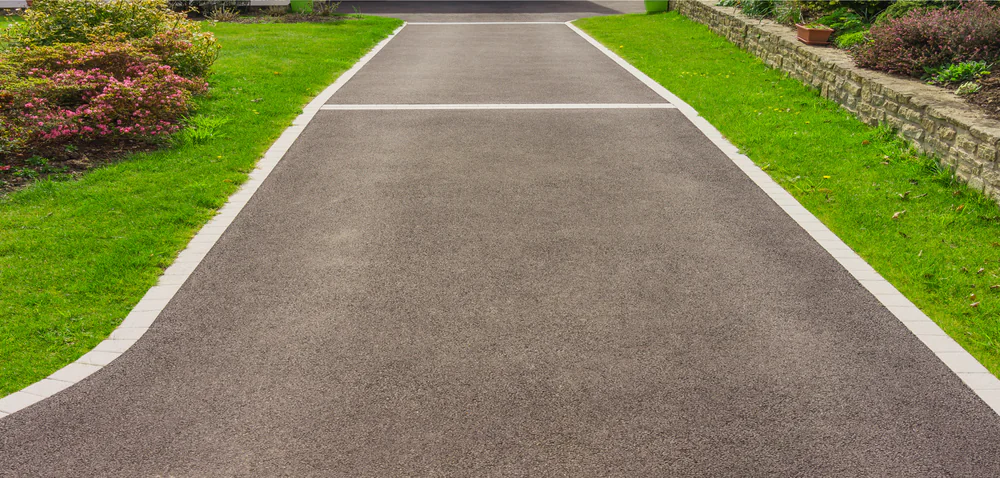
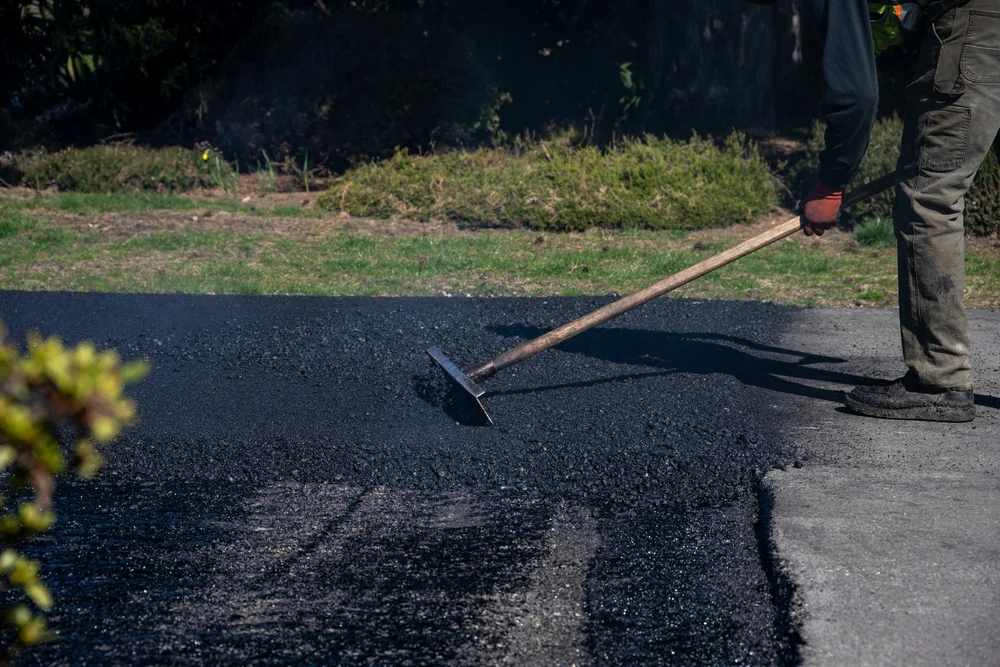
You’re not just getting fresh asphalt. You’re getting an asphalt driveway that drains water away from your foundation instead of pooling near your house. You’re getting a surface that flexes with Pennsylvania’s freeze-thaw cycles instead of cracking apart after two winters.
The difference shows up in year five, year ten, and year fifteen. While other driveways are developing spider-web cracks and low spots that collect water, yours is still smooth. That’s what happens when the base is compacted correctly, the grading accounts for drainage, and the asphalt thickness matches your property’s actual needs.
Most homeowners don’t think about their driveway until something goes wrong. With the right paving installation, you won’t have to think about it at all. No standing water. No premature patching. Just a surface that does its job without demanding constant attention or unexpected repair bills.
We bring industry roots dating back to 1948 and decades of hands-on experience to every driveway in Buckingham. We handle residential paving projects, commercial parking lots, and industrial work with the same level of care—treating every property like it matters, because it does.
Here’s what sets our approach apart: one crew, one project at a time. No juggling multiple job sites or rushing to the next appointment. Our team stays on your property until the work is done right. That means proper attention to grading, drainage, and base preparation—the details that determine whether your driveway lasts 10 years or 25.
Buckingham homeowners deal with the same challenges across Bucks County: freeze-thaw cycles that crack poorly installed asphalt, drainage issues that undermine foundations, and contractors who disappear after collecting payment. Our philosophy is straightforward—transparent communication, clear pricing before work begins, and custom solutions based on your property’s specific conditions. Five-star reviews on Angie’s List back up that approach.
First, the existing surface comes out. Whether it’s old asphalt, concrete, or gravel, it gets removed completely so there’s a clean foundation to work with. Heavy equipment handles the demolition and hauls away debris—nothing gets buried or covered up to cause problems later.
Next comes grading and drainage planning. This step determines whether water runs off your driveway or pools against your foundation. We use laser-guided equipment to create the right slope, accounting for your property’s natural grade and any low spots that could trap moisture. Pennsylvania gets enough rain and snowmelt—your driveway shouldn’t make drainage worse.
Then the base goes in. This isn’t just dumping gravel and calling it done. A proper sub-base needs 4 to 8 inches of compacted aggregate rock, depending on your soil type. This layer protects against frost heave and gives the asphalt above it a stable foundation. The base gets compacted in lifts with heavy rollers to prevent settling.
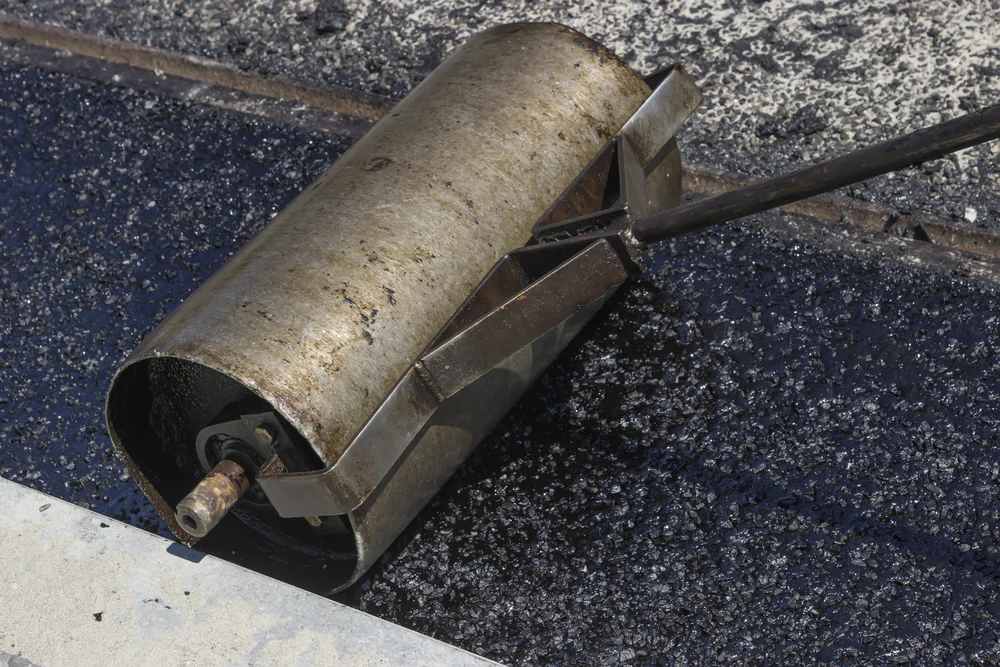
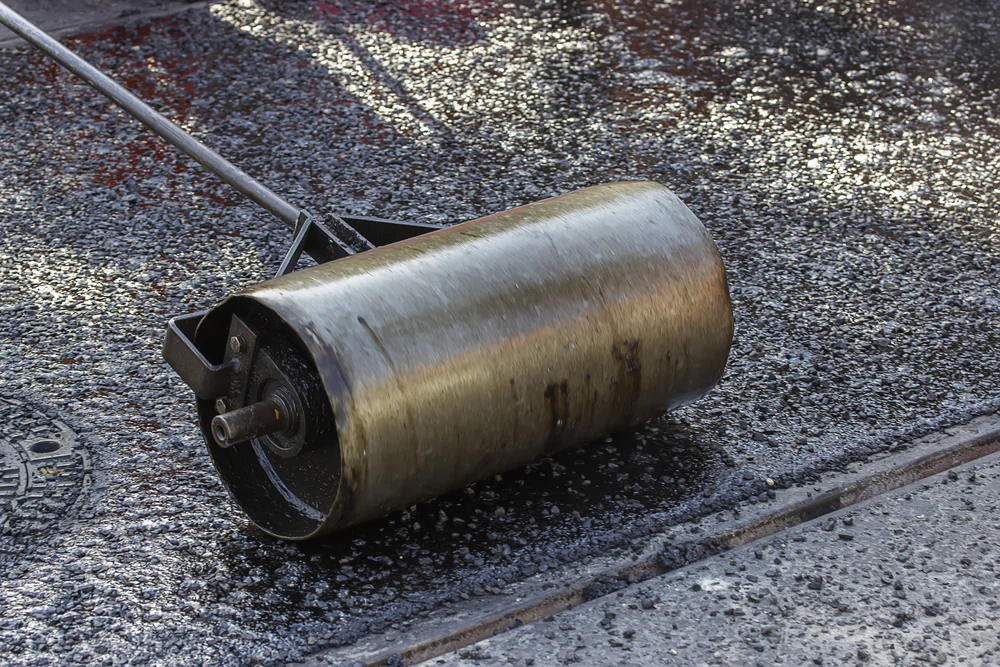
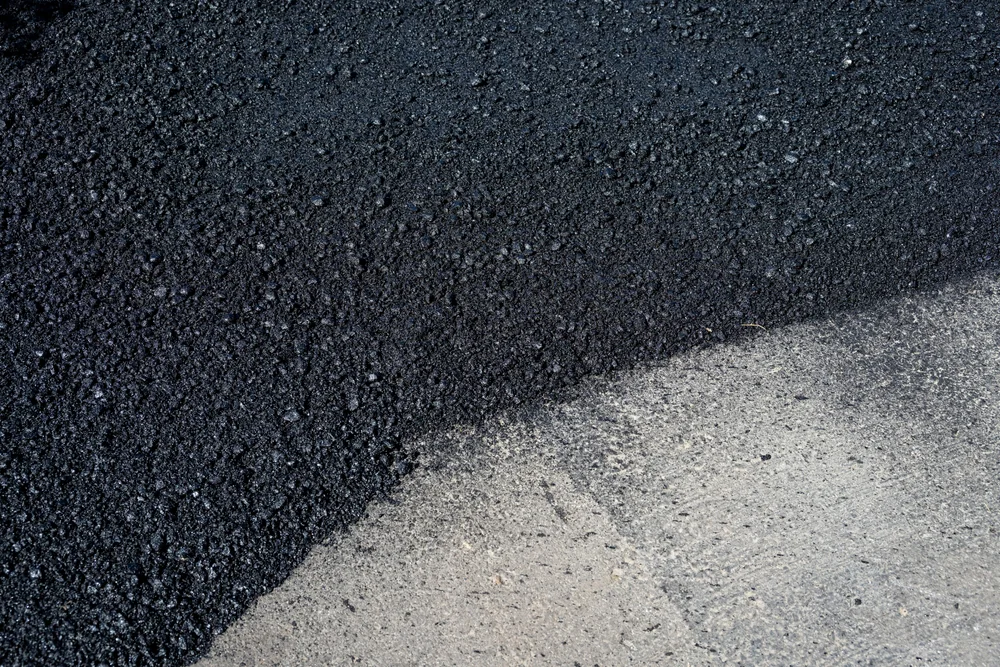
The asphalt goes down in layers. The binder course creates a strong bond with the base, then the surface course—that smooth black finish—gets applied and compacted while it’s still hot. Thickness matters here. Residential driveways typically need 2 to 3 inches of asphalt, but properties with heavier vehicles or challenging soil conditions might need more. We finish by creating smooth transitions where your new driveway meets existing surfaces—no lips or uneven joints that damage vehicles or create tripping hazards.
Ready to get started?
Every driveway paving project in Buckingham starts with an honest assessment of your current situation. That means looking at drainage patterns, checking soil conditions, and identifying any issues that could affect long-term performance. You get a detailed estimate that breaks down exactly what’s included—no vague line items or surprise charges when the work is done.
The paving installation itself covers complete removal of old materials, proper base preparation with compacted aggregate, and professional asphalt application. But here’s what matters for Buckingham properties specifically: accounting for Bucks County’s 30 to 50 freeze-thaw cycles each winter. That’s why proper base depth and drainage aren’t optional extras—they’re essential to whether your asphalt driveway survives Pennsylvania winters without cracking apart.
You also get solutions tailored to your property’s unique challenges. Maybe you’ve got a slope that sends water toward your garage. Maybe your soil is clay-heavy and prone to shifting. Maybe you need to accommodate delivery trucks or RVs. These aren’t problems to ignore or work around—they’re factors that determine the right approach for your specific situation. Our crew adjusts base thickness, asphalt depth, and drainage solutions based on what your property actually needs, not what’s fastest or cheapest to install.
We also offer specialized discounts for seniors, military members, and first-time customers. Beyond the installation, you get clear guidance on maintenance timing—when to seal, what to watch for, and how to protect your investment long-term.
Most residential driveway installations in Buckingham take 2 to 4 days from start to finish, but the timeline depends on your property’s specific conditions. If your existing driveway needs complete removal and there are drainage issues to address, expect the longer end of that range. Simpler replacements with good existing drainage can move faster.
Here’s the breakdown: Day one typically involves demolition and removal of old materials, plus initial grading work. Day two focuses on base installation and compaction—this step can’t be rushed because the base determines your driveway’s long-term stability. Day three (and sometimes four) covers asphalt application, compaction, and finishing work. Weather plays a role too. Asphalt needs to be installed at specific temperatures, so rain or cold can delay the schedule.
After installation, you’ll need to stay off the new surface for 24 to 48 hours. Light foot traffic is fine after that, but wait at least 3 to 5 days before parking vehicles on it. The asphalt continues curing for several months, so avoid heavy loads or sharp turns during that time. Your paving contractor should give you specific guidance based on the season and your driveway’s thickness.
Pennsylvania winters are tough on driveways because of freeze-thaw cycles—and Bucks County gets hit with 30 to 50 of them every winter. Here’s what happens: water seeps into small cracks or gaps in the asphalt, then freezes when temperatures drop. Ice expands with significant force, widening those cracks. When it thaws, more water gets in, and the cycle repeats. Over time, small cracks become large ones, and large cracks become potholes.
But freeze-thaw damage isn’t inevitable. It happens when the installation skips critical steps. If the base isn’t thick enough or properly compacted, it shifts and settles, creating low spots where water collects. If the drainage wasn’t planned correctly, water pools on the surface instead of running off. If the asphalt layer is too thin for the climate, it doesn’t have enough structural strength to resist cracking. These aren’t problems you can fix after the fact—they’re built into the driveway from day one.
The other major cause is poor maintenance. Even well-installed driveways need sealcoating every 3 to 5 years to protect against water infiltration and UV damage. Ignoring small cracks lets water penetrate to the base layer, where it causes much more expensive damage. Pennsylvania’s combination of winter salt, summer heat, and heavy precipitation means your asphalt driveway needs active protection, not just hoping it holds up.
Driveway paving costs in Buckingham typically range from $3 to $7 per square foot for residential installations, which means a standard two-car driveway (roughly 600 square feet) runs between $1,800 and $4,200. But that’s just the baseline. Your actual cost depends on several factors that vary significantly from property to property.
If your existing driveway needs complete removal, that adds demolition and disposal costs. If your property has drainage issues or requires extensive grading work, that increases labor and time. If your soil conditions require a thicker base layer or if you need extra asphalt thickness for heavy vehicles, materials costs go up. Properties with difficult access for equipment or complex layouts also cost more because they take longer to complete properly.
Here’s what matters more than the per-square-foot price: what’s actually included in that estimate. A low bid that skips proper base preparation or uses inadequate asphalt thickness will cost you more in the long run through premature failure and expensive repairs. A higher bid that includes proper excavation, adequate base depth, correct asphalt thickness, and attention to drainage typically saves money over the driveway’s lifespan. Ask for detailed estimates that break down each phase of work—removal, base installation, asphalt application, and finishing. That transparency tells you whether you’re comparing apples to apples.
Asphalt performs better than concrete in Pennsylvania’s climate, and here’s why: flexibility. Asphalt expands and contracts with temperature changes, which means it handles freeze-thaw cycles without cracking as easily as rigid concrete. When temperatures swing from 20 degrees to 50 degrees in a single week—common in Buckingham winters—asphalt adjusts. Concrete fights those changes and eventually loses.
Concrete also struggles with the salt used for winter ice control. Salt creates surface pitting and discoloration on concrete driveways, leaving permanent stains and rough patches. Asphalt isn’t affected the same way. Plus, repairing asphalt is simpler and less noticeable. If you develop a crack or small damaged area, it can be patched and blended. Concrete repairs are obvious and rarely match the existing surface.
Cost favors asphalt too. Concrete typically runs $6 to $7 per square foot compared to asphalt’s $3 to $7 range, and that’s for plain gray concrete. Decorative or stamped concrete costs significantly more. Asphalt also gets you back on your driveway faster—24 to 48 hours versus 7 days for concrete. The maintenance is different: asphalt needs sealcoating every few years, while concrete needs less frequent sealing but more expensive repairs when problems develop. For Buckingham’s climate and the way most homeowners use their driveways, asphalt delivers better long-term value.
Start with how they handle the estimate. A quality asphalt contractor visits your property, examines drainage patterns, checks soil conditions, and asks about how you use your driveway. They provide a detailed written estimate that breaks down each phase of work—not just a total price. If someone gives you a quote over the phone without seeing your property, that’s a red flag. Every driveway project has unique factors that affect cost and approach.
Ask about their process for base preparation and drainage. This is where most driveway failures start, so contractors who gloss over these details or treat them as minor considerations probably cut corners during installation. You want someone who explains why base depth matters, how they’ll grade for drainage, and what thickness of asphalt they recommend for your specific situation. If they can’t or won’t explain their approach, find someone else.
Check their track record. How long have they been serving Buckingham and Bucks County? Do they have verifiable reviews from local customers? Can they provide references from recent projects similar to yours? Local experience matters because contractors familiar with the area understand Pennsylvania’s climate challenges and soil conditions. Finally, make sure you get everything in writing—timeline, payment schedule, materials specifications, and warranty information. Verbal promises don’t protect you if problems arise. A professional contractor puts commitments in writing because they stand behind their work.
Late spring through early fall offers the best conditions for driveway paving in Buckingham—roughly May through October. Asphalt needs to be installed and compacted at temperatures above 50 degrees, and it performs best when both air and ground temperatures are warm. Summer installations cure faster and reach full strength more quickly than cooler-weather projects.
That said, timing isn’t just about weather. Spring and summer are peak season for paving contractors, which means higher demand and potentially longer wait times. If you’re planning a project, contact contractors in late winter or early spring to get on their schedule before the rush. Fall installations can work well too—temperatures are still warm enough for proper installation, and you might have more flexibility with scheduling.
Avoid winter installations if possible. Cold temperatures make asphalt harder to work with and slow the curing process. The ground is often frozen or too cold for proper base compaction. While emergency repairs sometimes happen in winter, planned installations should wait for warmer weather. If you’re replacing a failing driveway, plan ahead so you’re not forced into a winter project. Most contractors can assess your driveway in any season and provide estimates, even if installation needs to wait for appropriate temperatures. Use the off-season for planning and budgeting so you’re ready when installation weather arrives.
Other Services we provide in Buckingham