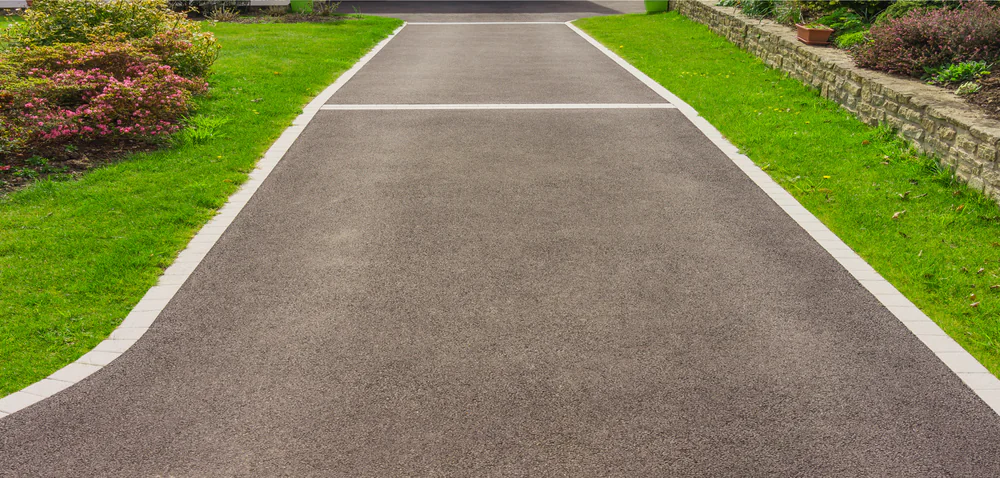
You’re not just paying for a smooth surface. You’re investing in a driveway that drains properly, doesn’t crack in two years, and actually withstands the freeze-thaw cycles that destroy poorly installed pavement.
That means no water pooling near your foundation. No settling or sinking because someone skipped the base prep to save time. No calling another paving contractor in three years to fix what should’ve been done correctly from the start.
When the paving installation is done right—proper excavation, solid compacted base, appropriate grading for drainage—you get a driveway that looks good and performs even better. You park without worry. Your home’s curb appeal improves. And you’re not dealing with premature repairs that drain your budget and waste your time.
Our roots in the paving industry stretch back to 1948. That’s not marketing talk—it’s generational knowledge we apply to every residential paving project we take on in Churchville and throughout Bucks County.
What separates us from other asphalt contractors isn’t just decades of experience. It’s how we work. One project at a time. Full attention on your property. No crew splitting time between three jobs while yours sits incomplete.
We serve Churchville homeowners and commercial property owners with the same philosophy: treat every client like the most important client. Whether you need a residential driveway or commercial paving for a parking lot, you get transparent communication, honest pricing, and craftsmanship backed by five-star reviews on Angie’s List. We also offer discounts for seniors, military members, and first-time customers.
Everything starts with a real site evaluation. Not a quick glance and a price quote. A thorough assessment of drainage patterns, soil conditions, slope, and any issues that could affect your driveway’s performance. This evaluation determines the correct approach for your specific property.
Excavation and base preparation come next. This is where quality separates from shortcuts, and where most problems start if it’s done wrong. We excavate to the proper depth—typically 8 to 12 inches depending on soil conditions and expected use. Then we lay crushed stone or gravel and compact it thoroughly with heavy equipment. This base is what prevents your driveway from cracking, settling, and failing years down the road.
Pennsylvania’s freeze-thaw cycles destroy driveways with weak foundations. Water seeps into poorly compacted bases, freezes, expands, and causes the asphalt above to crack and heave. Proper base preparation prevents that damage before it starts.
Grading comes next, and it matters more than most people realize. Your driveway needs a slight slope—usually one to two percent—so water runs off instead of pooling on the surface or near your foundation. Poor grading leads to standing water, which accelerates deterioration and can cause foundation problems. We make sure water drains where it should.
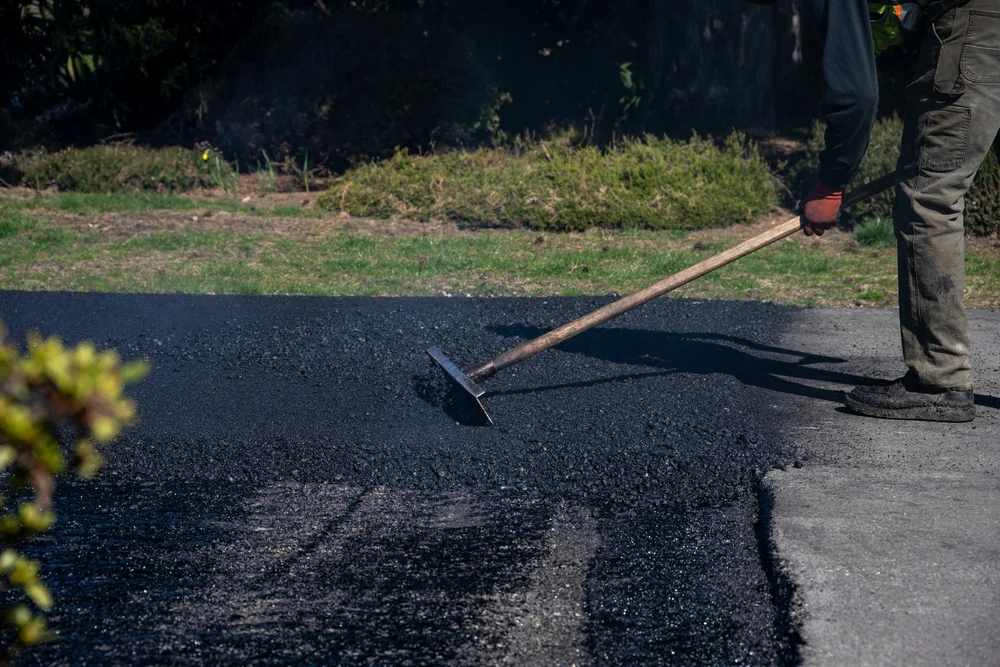
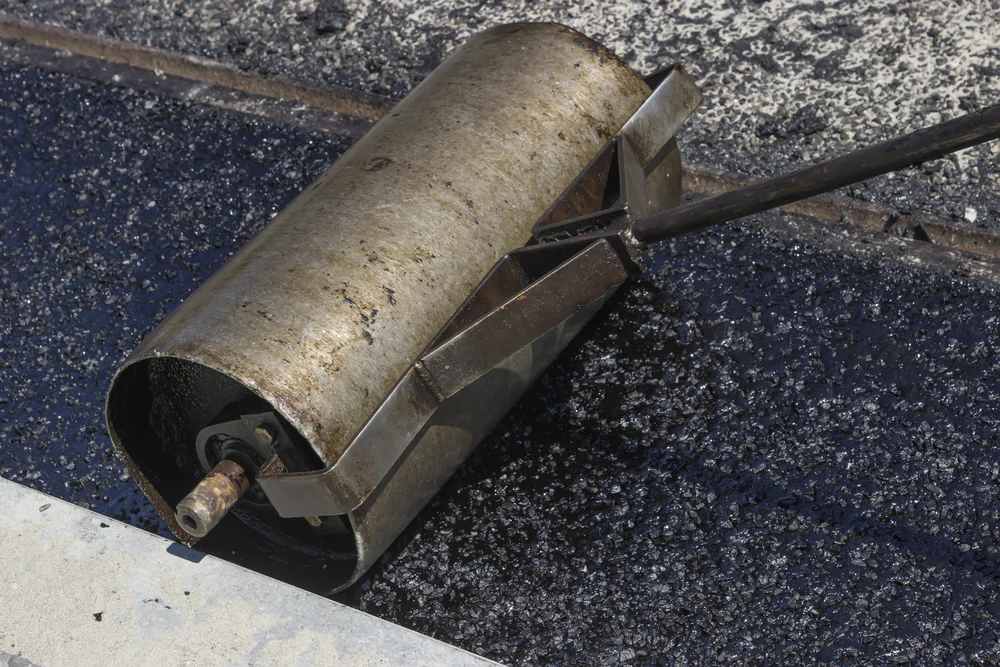
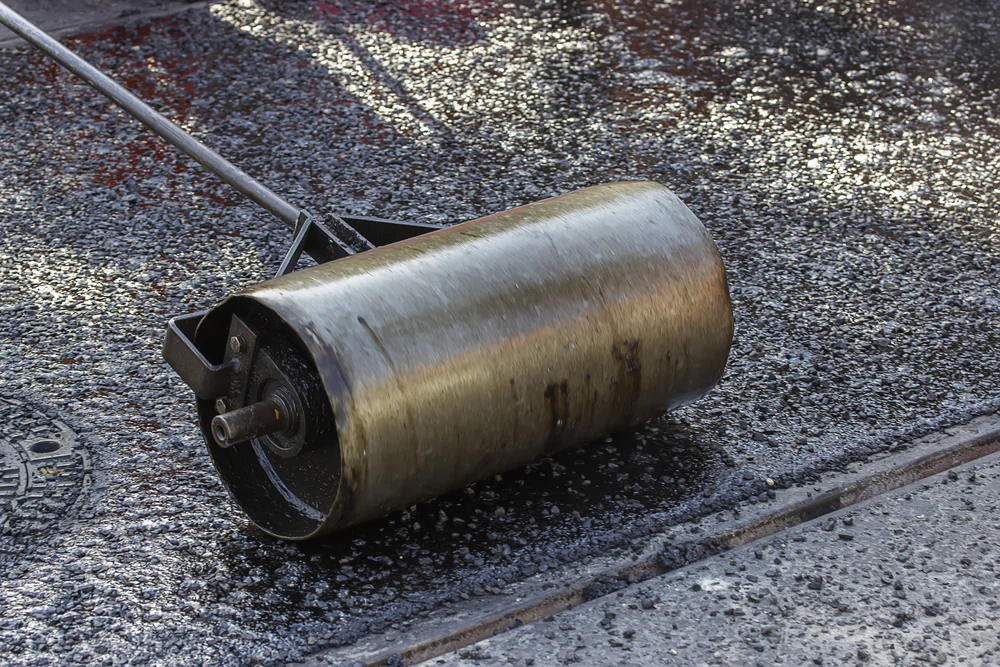
Then the asphalt goes down in layers, gets compacted with steel rollers, and begins curing. You’ll need to keep vehicles off for a few days, and wait about two to three weeks before parking regularly. Weather affects the timeline—hot temperatures speed curing, cooler weather slows it. We’ll give you clear guidance on when you can use your new driveway normally.
Ready to get started?
When we handle your paving installation in Churchville, you’re getting comprehensive service, not just asphalt on the ground. That includes thorough site evaluation, transparent communication from start to finish, and custom solutions designed around your property’s specific drainage and grading needs.
We handle both residential paving for driveways and commercial paving for parking lots with the same level of attention. Every project gets proper base preparation, correct grading for water management, and the kind of responsive customer service that earns five-star reviews. You’re not left guessing about timelines, costs, or what’s happening next.
In Churchville and throughout Bucks County, where winters test every surface, the gap between quality work and cheap work shows up fast. Driveways installed by contractors who rush base prep or skip proper compaction start cracking within a few years. Our approach focuses on longevity. We’re not the cheapest option, and we don’t try to be. We’re the option that actually lasts.
The value isn’t just in the installation. It’s in not needing to repave in five years because the work was done right the first time. It’s in water draining away from your foundation instead of pooling. It’s in a surface that handles Pennsylvania winters without falling apart. That’s what you’re paying for, and that’s what you get.
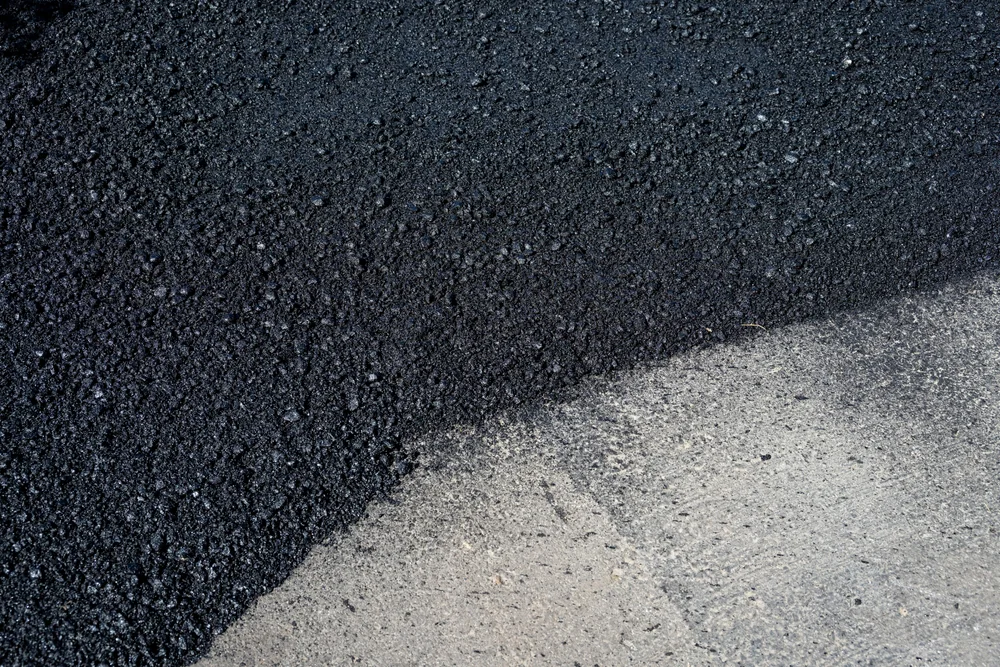
With proper installation and regular maintenance, an asphalt driveway should last 20 to 30 years in Pennsylvania. The critical factor is “proper installation.” If the base isn’t prepared correctly, compacted thoroughly, or graded for drainage, you’ll see problems much sooner—sometimes within just a few years.
Pennsylvania’s freeze-thaw cycles are particularly hard on pavement. Water gets into small cracks, freezes overnight, expands, and creates bigger cracks. Over time, this destroys driveways that weren’t built with a solid foundation. That’s why base preparation and compaction matter so much. A stable, well-compacted base prevents water infiltration and gives the asphalt the support it needs to flex with temperature changes without cracking.
Maintenance extends lifespan too. Sealcoating every two to three years protects the surface from water penetration and UV damage. Filling small cracks before they spread prevents bigger repairs later. But even perfect maintenance can’t save a poorly installed driveway. Start with quality work from an experienced asphalt contractor, maintain it properly, and you’ll get decades of reliable use.
You can typically drive on a new asphalt driveway after one to three days for light use, but you should wait two to three weeks before parking vehicles on it regularly. The asphalt needs time to cure and harden completely, and rushing that process can cause permanent damage.
During the first few days, the surface is still relatively soft. Light traffic—driving in and out of your garage—is usually acceptable after the initial curing period. But parking a vehicle in one spot puts concentrated weight on the asphalt and can leave depressions or indentations if the surface hasn’t fully hardened.
Weather significantly affects curing time. Hot temperatures speed up the process. Cooler weather slows it down considerably. We’ll provide specific guidance based on the conditions during your installation and the days following. Following our timeline prevents surface damage and ensures your driveway performs properly for its full lifespan.
Most driveway cracking stems from three main causes: inadequate base preparation, poor drainage, or freeze-thaw damage. Prevention starts with proper installation, not with maintenance after the asphalt is already down.
If the base isn’t excavated to sufficient depth, compacted thoroughly with proper equipment, or graded correctly for water runoff, the driveway will settle unevenly over time. That uneven settling creates stress points where cracks form and spread. Water is the other major culprit. When water pools on the surface or seeps into the base layer, it weakens the entire foundation. In Pennsylvania’s climate, that water freezes during winter, expands, and causes cracks, potholes, and surface deterioration.
Proper paving installation addresses both issues from the start. A well-compacted base provides stable, uniform support across the entire driveway. Correct grading ensures water runs off the surface instead of pooling or seeping underneath. Once the driveway is installed, sealcoating every two to three years adds a protective layer against water infiltration and UV damage. Filling small cracks promptly prevents them from spreading into larger problems. But none of that maintenance matters if the installation was rushed or done incorrectly. Quality work from an experienced asphalt contractor is your best prevention strategy.
For most homeowners in Pennsylvania, asphalt is the better choice. It’s more affordable upfront, handles freeze-thaw cycles better than concrete, and is significantly easier and less expensive to repair when damage does occur.
Concrete costs more initially and is more prone to cracking in cold climates. When water seeps into concrete and freezes, it causes cracking that’s difficult and expensive to repair properly. Asphalt is more flexible by nature, which helps it withstand temperature fluctuations without cracking as readily. If you do get a crack or pothole in asphalt, repairs are straightforward, cost-effective, and blend in well with the existing surface. Concrete repairs are more visible, harder to match, and often require replacing entire sections.
Asphalt also cures much faster than concrete. You’re back to using your driveway in days rather than weeks. With proper maintenance—primarily sealcoating every few years—asphalt driveways easily last 20 to 30 years. That’s excellent value for a lower initial investment. If you’re in an area with harsh winters and significant freeze-thaw cycles like Churchville, asphalt makes practical and financial sense.
Driveway paving costs in Churchville vary based on several factors: driveway size, current site conditions, and the amount of preparation work required. Asphalt installation typically ranges between $7 and $13 per square foot for complete projects, but that’s a general estimate, not a firm quote.
If your property has drainage issues that need addressing, requires extensive excavation, or needs significant grading work to ensure proper water runoff, costs increase. A straightforward replacement on stable, well-draining ground costs considerably less than a new installation on uneven terrain with poor drainage. The quality of materials, thickness of asphalt layers, and the contractor’s experience level also factor into final pricing.
Suspiciously cheap quotes usually mean shortcuts somewhere—often on base preparation, compaction, or material quality. Those shortcuts save money initially but cost you significantly more later when the driveway fails prematurely and needs replacement years earlier than it should. A fair price reflects proper excavation depth, quality base materials, correct grading and compaction, and experienced workmanship. We provide transparent estimates and explain exactly what you’re paying for and why, so there are no surprises during or after the project.
The base is the foundation supporting your entire driveway. If it’s not prepared correctly, nothing else matters. The asphalt surface can be installed perfectly, but it will still crack, settle, and fail prematurely if the base underneath is inadequate or poorly compacted.
Proper base preparation means excavating to the correct depth—typically 8 to 12 inches depending on soil conditions and expected vehicle weight—and filling that excavated area with crushed stone or gravel. That base material must be spread evenly and compacted thoroughly with heavy equipment to create a stable, solid foundation. This prevents settling over time and provides uniform support for vehicle weight. A well-prepared base also facilitates proper drainage, preventing water from pooling underneath the asphalt and weakening the structure.
In Pennsylvania, where freeze-thaw cycles occur throughout winter, a solid base becomes even more critical. Water that seeps into a poorly compacted or inadequate base will freeze, expand, and cause the asphalt above to crack, heave, and develop potholes. Paving contractors who rush this step, don’t compact thoroughly, or use insufficient base depth are essentially guaranteeing premature failure. Base preparation is the most important part of any driveway installation, even though you never see it once the asphalt is down. It’s what separates driveways that last decades from those that fail within a few years.
Other Services we provide in Churchville