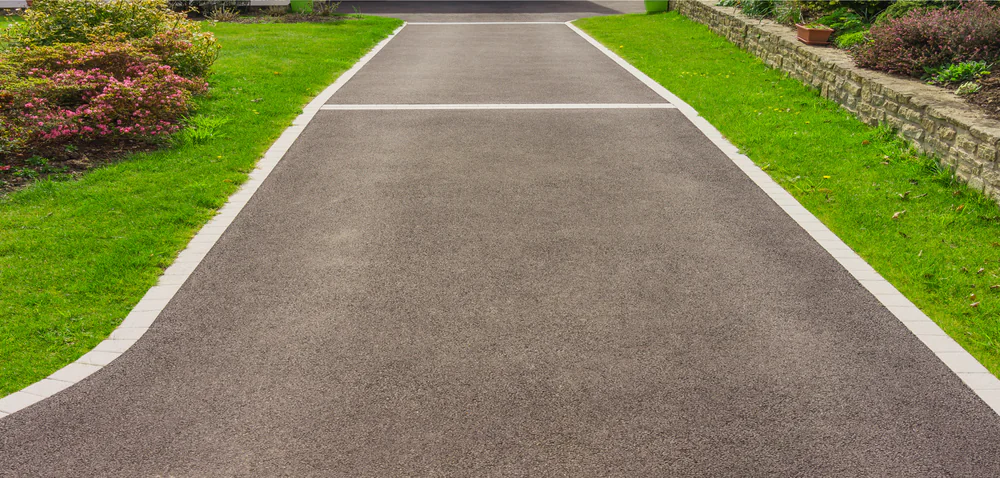
Your driveway stops being a problem. No more chunks breaking off every winter. No more water pooling near your garage. No more avoiding eye contact with neighbors because your driveway looks like a disaster zone.
When asphalt is installed correctly—with a proper base, the right thickness, and real attention to grading—it handles Pennsylvania’s freeze-thaw cycles without crumbling. You get a smooth, clean surface that adds value to your home and actually makes you feel good pulling into your own driveway.
That’s what happens when the crew doing the work treats your project like it matters. Because at Productive Asphalt, it does.
We bring decades of hands-on experience to every driveway in Doylestown and throughout Bucks County. With roots in the paving industry going back to 1948, this isn’t a side hustle or a quick cash grab.
Our approach is simple: one project at a time, full crew attention, and personalized solutions for each property. Whether you’re a homeowner dealing with a cracked driveway or a business owner needing a parking lot that can handle real traffic, you get treated the same—like the top client.
That philosophy, combined with five-star reviews and a reputation built on transparency, is why Doylestown property owners keep coming back.
First, the existing surface gets removed if it’s beyond repair. If it’s old asphalt, it can be recycled, which saves you money on materials. Then comes the part most contractors skip or rush: base preparation.
We grade the area to direct water away from your home and create a stable foundation—typically 4 to 8 inches of compacted substrate. This base is what keeps your driveway from buckling or cracking a year later. It’s also where cheap contractors cut corners.
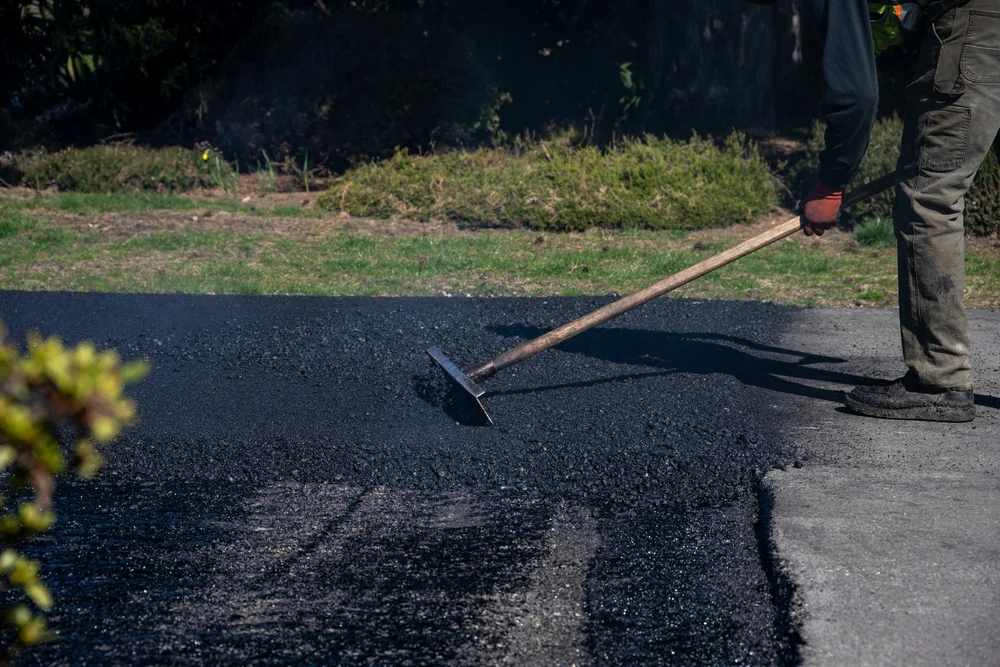
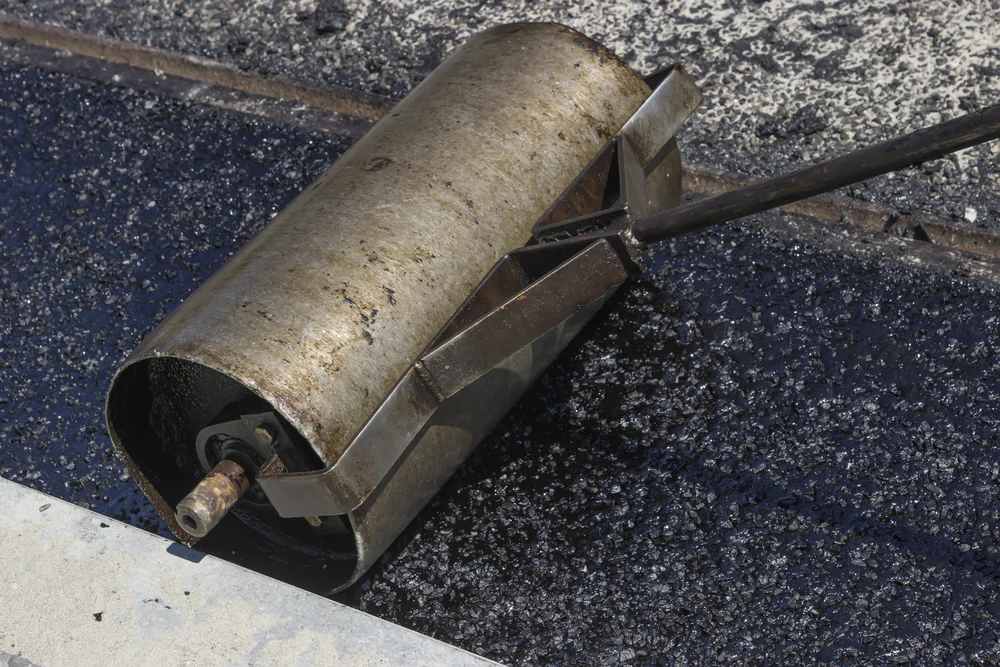
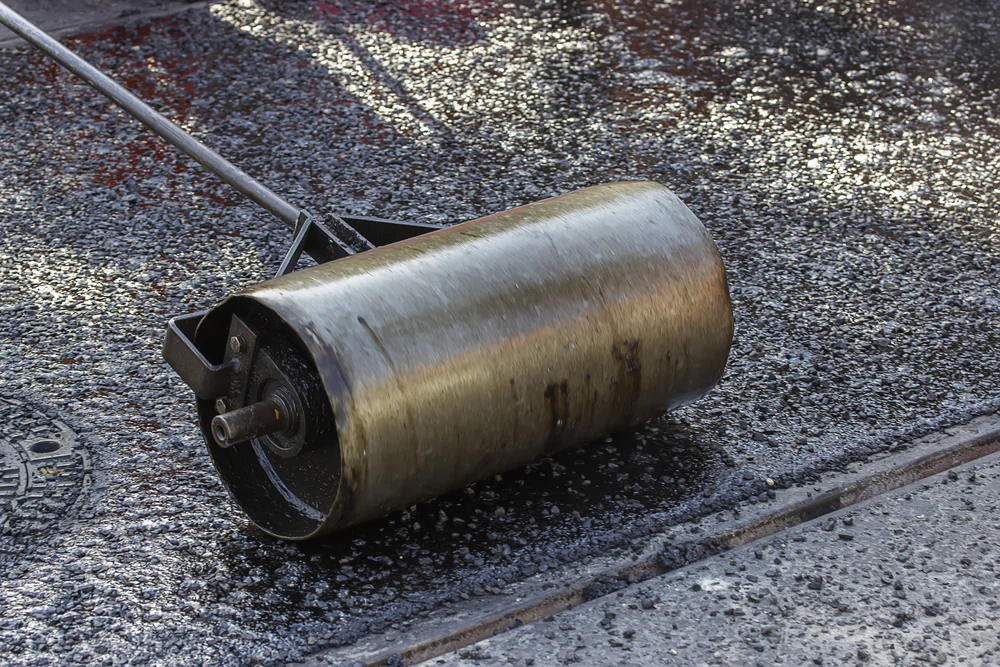
Next, the asphalt gets laid at the proper thickness—minimum 2 to 3 inches for residential driveways, more if you have heavy vehicles. It needs to be installed hot (around 300 degrees) and compacted quickly with the right equipment. Finally, the surface is rolled smooth and left to cure properly.
You’ll know exactly what’s happening at each stage because clear communication isn’t optional here. It’s standard.
Ready to get started?
Every driveway paving project in Doylestown starts with an honest assessment of your property’s specific needs. That means looking at soil conditions, drainage patterns, and how you actually use your driveway.
You get proper excavation and removal of the old surface, careful grading to prevent water issues, a compacted base that won’t shift or settle, and quality asphalt installed at the right thickness for your situation. We handle everything from start to finish, and your property gets treated with respect—no torn-up landscaping or surprise damage.
Doylestown’s climate presents specific challenges. Freeze-thaw cycles are tough on asphalt, which is why proper installation matters so much here. When the base is stable and the asphalt is thick enough, your driveway can handle winter after winter without falling apart. We also offer water management solutions and specialized grading for properties with drainage concerns—common in Bucks County’s varied terrain.
Plus, seniors, military members, and first-time customers get specialized discounts. Because good work should be accessible.
Driveway paving in Doylestown typically runs between $5 and $12 per square foot, depending on your specific situation. That range accounts for factors like the size of your driveway, the condition of the existing surface, whether you need extensive grading or drainage work, and the thickness of asphalt required.
A standard two-car driveway (around 400-600 square feet) usually costs between $2,000 and $7,000 for a complete installation. If your current driveway just needs removal and you have decent drainage, you’ll be on the lower end. If we need to excavate, fix drainage issues, or work around landscaping, the price goes up.
Here’s what matters: the quote should be detailed. If someone scribbles a number on a business card without explaining what’s included, walk away. You need to know the base depth, asphalt thickness, and exactly what prep work is happening. Otherwise, you’re comparing a proper installation to a shortcut that’ll fail in two years.
A properly installed asphalt driveway in Pennsylvania should last 15 to 30 years. The wide range comes down to three things: installation quality, maintenance, and how much abuse it takes.
If the base wasn’t prepared correctly or the asphalt is too thin, you’re looking at problems within a year or two—cracking, buckling, potholes. But when the job is done right, with a stable 4-to-8-inch compacted base and at least 2 to 3 inches of asphalt, you get decades of use.
Pennsylvania’s freeze-thaw cycles are brutal on asphalt. Water gets into small cracks, freezes, expands, and tears the surface apart. That’s why sealcoating every 2 to 3 years is worth it—it keeps water out and extends your driveway’s life significantly. Regular crack filling before winter also prevents small issues from becoming big ones. The contractors who tell you asphalt is maintenance-free are lying.
Spring through early fall is the ideal window for driveway paving in Doylestown. Asphalt needs to be installed hot—around 300 degrees—and it needs warm ground temperatures to cure properly.
Cold weather causes problems. The asphalt cools too quickly, making it harder to compact correctly, and you end up with a weaker surface that’s more prone to cracking. Snow and ice obviously delay the project, and frozen ground makes proper base preparation nearly impossible.
Most paving companies are busiest in late spring and summer, so you might pay slightly more during peak season. Some contractors offer discounts for fall work, but you’re gambling with weather. If temperatures drop unexpectedly or you get an early freeze, the job quality suffers. The money you save isn’t worth a driveway that fails prematurely. Plan ahead and schedule for late spring or summer when conditions are right.
For a residential driveway in Doylestown, you want at least 2 to 3 inches of compacted asphalt. If you park heavy trucks or have multiple vehicles, 3 to 4 inches is better. Commercial driveways or areas with heavy traffic need 4 inches or more.
Thickness matters because thin asphalt cracks under pressure and doesn’t hold up to Pennsylvania winters. Some contractors will quote a lower price by only putting down 1 to 2 inches of asphalt. It looks fine initially, but it won’t last. You’ll see cracks and deterioration within a couple years, and you’ll end up paying for the job twice.
Just as important as the asphalt thickness is the base underneath. You need 4 to 8 inches of compacted gravel or stone base to support the asphalt. This is where most shortcuts happen because homeowners can’t see it. A contractor can pour beautiful asphalt over a terrible base, and you won’t know there’s a problem until the driveway starts buckling. Always ask for specific numbers on both base depth and asphalt thickness, and get it in writing.
Start with the basics: license, insurance, and local references. A reputable contractor will gladly provide proof of both and give you addresses of driveways they’ve completed in Doylestown or Bucks County. Drive by those properties and look at the quality. If they hesitate or can’t provide local examples, that’s a red flag.
Check online reviews on platforms like Angie’s List, Google, and the Better Business Bureau. Look for patterns—consistent complaints about the same issues matter more than one bad review. Also pay attention to how the company responds to criticism. Do they address concerns professionally, or do they get defensive?
Ask for a detailed written estimate, not a number on a business card. It should include square footage, base depth and material, asphalt thickness, grading work, and a timeline. If you’re getting multiple quotes with wildly different prices, the cheaper ones are probably skipping critical steps. And if someone knocks on your door offering a steep discount because they have “leftover asphalt from a job down the street,” shut the door. That’s a scam.
Not if it’s graded correctly. Proper grading directs water away from your home and prevents pooling on the driveway surface. This is part of the prep work that happens before any asphalt goes down.
We assess your property’s natural slope and drainage patterns, then grade the base to create a slight pitch—usually about 1 to 2 percent slope. Water should flow toward the street, a drainage system, or a grassy area where it can absorb into the ground. If your property has challenging drainage or you’re in an area prone to water issues, you might need additional solutions like catch basins or specialized grading.
Doylestown properties can have varied terrain, and some areas naturally collect water. We identify these issues during the estimate and explain what’s needed to fix them. If someone promises to pave your driveway without even mentioning drainage, they’re either inexperienced or planning to leave you with a problem. Water is asphalt’s biggest enemy—it causes cracks, potholes, and premature failure. Getting the drainage right from the start is not optional.
Other Services we provide in Doylestown