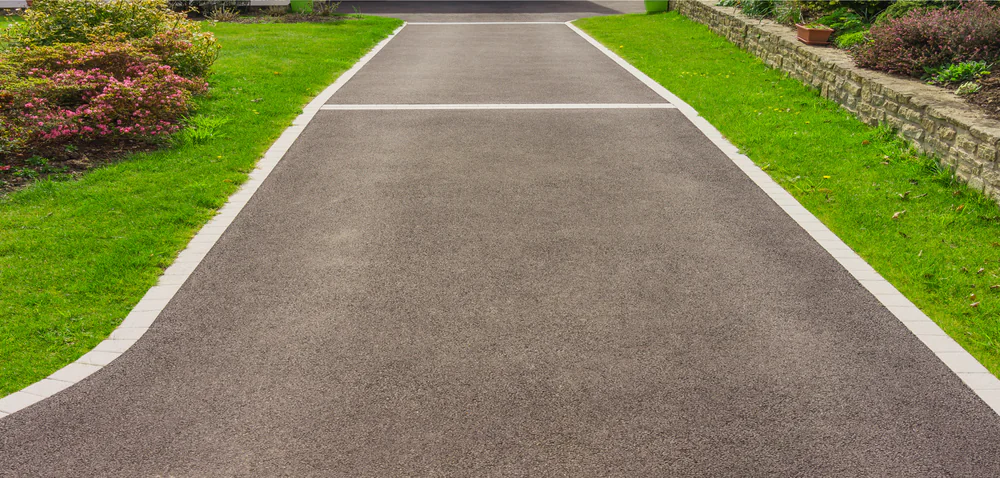
Your driveway becomes the welcoming entrance your home deserves. No more embarrassing cracks, potholes, or that faded gray look that screams “neglect” to every visitor and neighbor.
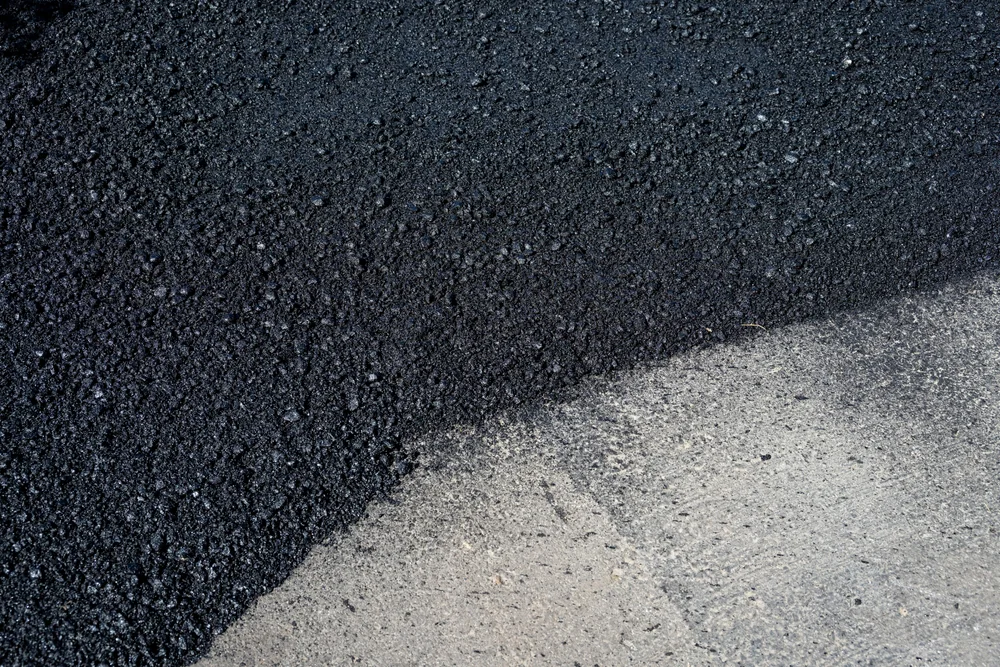
Instead, you get smooth, deep-black asphalt that makes your property look well-maintained and valuable. The kind of driveway that lasts 15-20 years without major headaches, handles Pennsylvania winters without crumbling, and actually adds to your home’s curb appeal rather than detracting from it.
You also get peace of mind knowing the job was done by people who’ve been perfecting this craft since 1948, not fly-by-night operators who disappear when problems arise.
We bring three generations of paving knowledge to every Hilltown driveway project. While other contractors juggle multiple jobs and cut corners, we focus on one project at a time, giving your property the full attention it deserves.
Our roots in the industry stretch back to 1948, meaning we’ve seen every type of soil condition, drainage challenge, and weather pattern Bucks County can throw at a driveway. This isn’t theoretical knowledge from a textbook—it’s hands-on experience earned through decades of actual work in your neighborhood.
Our approach is straightforward: treat every client like the most important client, communicate clearly throughout the process, and deliver custom solutions that fit each property’s unique needs. No cookie-cutter jobs, no disappearing acts, no surprise charges.
First, we assess your specific property conditions—drainage patterns, soil type, existing base, and how you actually use your driveway. This isn’t a five-minute walkthrough; it’s a thorough evaluation that determines the right approach for your situation.
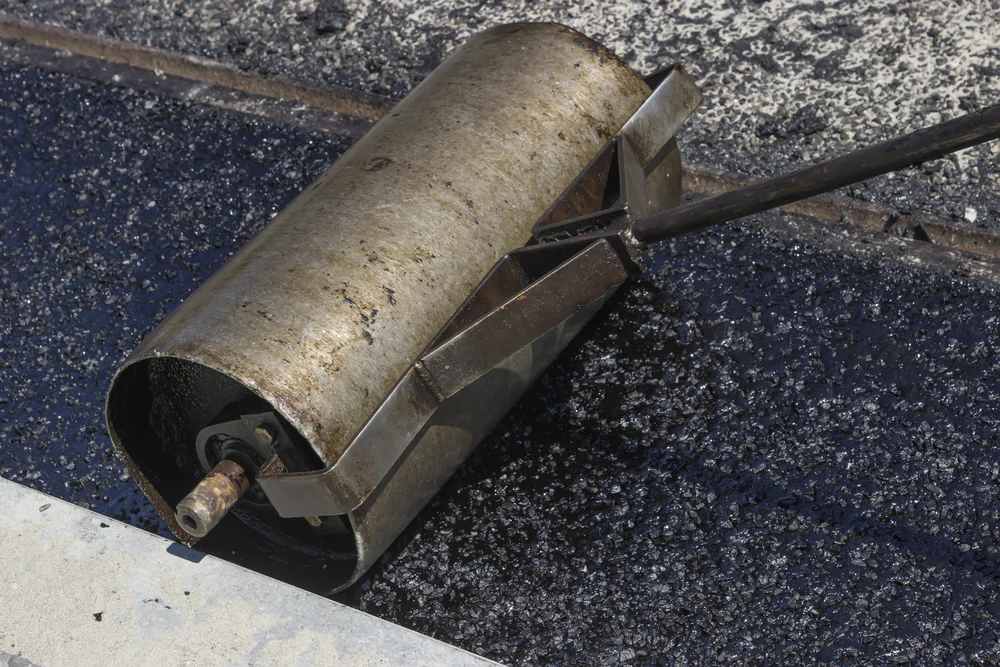
Next comes proper preparation, which most homeowners never see but makes all the difference. We excavate to the right depth, address any drainage issues, and create a solid foundation using quality materials that meet or exceed industry standards.
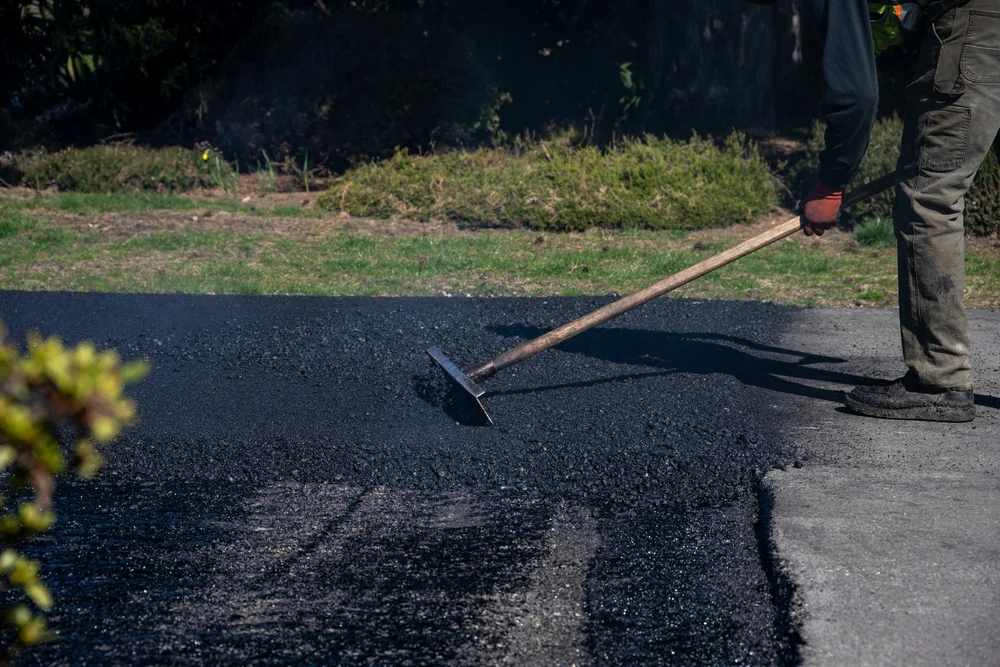
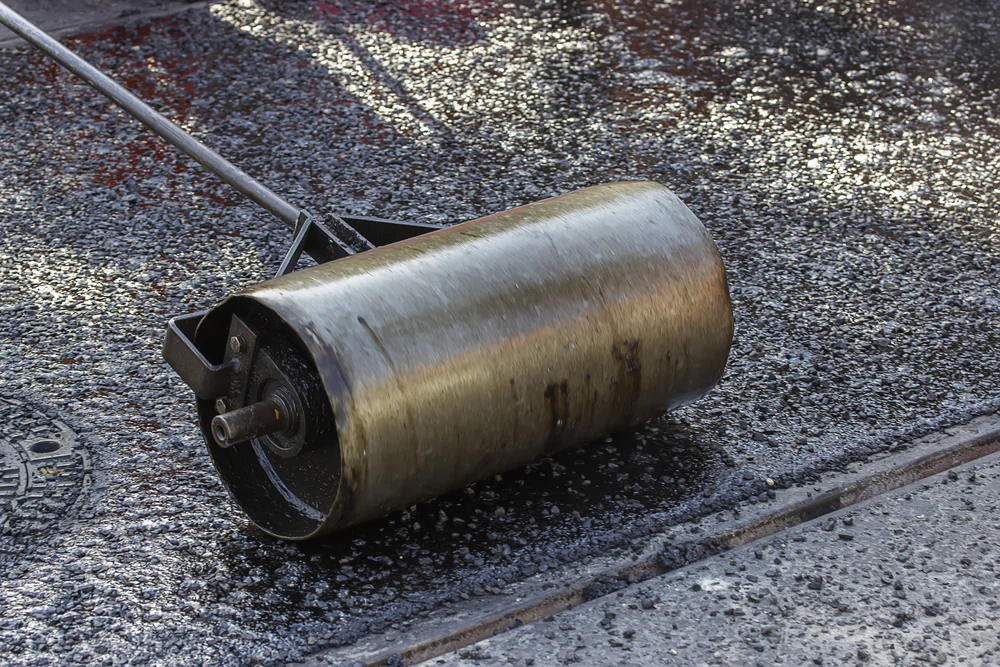
The paving itself happens when conditions are optimal—not when it’s convenient for our schedule, but when temperature and weather ensure the best possible result. We use hot-mix asphalt applied with professional equipment, not the lukewarm material some contractors try to get away with.
Finally, you get a detailed walkthrough of the completed work and clear guidance on maintenance timing to maximize your investment’s lifespan.
Ready to get started?
Your driveway paving project includes everything needed for a professional result. Quality hot-mix asphalt designed for Pennsylvania’s freeze-thaw cycles. Proper base preparation and grading to prevent water damage and premature settling. Professional-grade equipment ensuring smooth, even surfaces.
In Hilltown’s climate, proper drainage is crucial—something many contractors overlook until problems develop. We incorporate water management solutions from the start, preventing the pooling and ice formation that destroy driveways within a few years.
We also handle the details that separate professional work from amateur jobs: clean edges, proper transitions to existing surfaces, and attention to how your driveway connects with sidewalks, garage floors, and landscaping. The goal is a finished product that looks like it belongs, not an obvious patch job.
For commercial properties, we bring the same attention to detail to parking lots, loading areas, and access roads, understanding that your pavement needs to handle heavier loads and more traffic than residential applications.
A properly installed asphalt driveway typically lasts 15-20 years in Pennsylvania’s climate, but several factors affect longevity. The quality of the base preparation is crucial—shortcuts here lead to premature cracking and settling within 3-5 years.
Pennsylvania’s freeze-thaw cycles are particularly hard on asphalt, which is why proper thickness and drainage matter so much. A driveway that’s too thin or lacks adequate drainage will develop problems quickly when water freezes and expands in small cracks.
Regular maintenance like sealcoating every 2-3 years can extend your driveway’s life significantly, often pushing it well beyond the 20-year mark. The key is working with contractors who understand local conditions and don’t cut corners on materials or preparation.
Hot mix asphalt is heated to around 300°F during application, creating a stronger, more durable surface that bonds properly and compacts well. This is what professional contractors use for permanent installations because it creates the smooth, long-lasting surface you expect.
Cold mix asphalt is primarily used for temporary repairs and patching. While it’s cheaper and easier to work with, it doesn’t compact as well and tends to deteriorate much faster, especially in high-traffic areas.
Some contractors try to save money by using cold mix for full installations, but this almost always leads to problems within a year or two. For a driveway that’s going to last, hot mix asphalt applied at the proper temperature is the only way to go.
Most residential driveways need 2-3 inches of compacted asphalt over a properly prepared base. The exact thickness depends on your soil conditions, expected traffic, and whether you’ll have heavy vehicles like RVs or delivery trucks.
The base preparation is actually more important than asphalt thickness. A properly graded and compacted stone base of 4-6 inches provides the foundation that prevents settling and cracking. Skipping this step to save money almost guarantees problems later.
Some contractors will try to sell you on thicker asphalt to compensate for poor base work, but this doesn’t solve the underlying problem. The right approach is proper base preparation with adequate asphalt thickness for your specific situation.
Late spring through early fall offers the best conditions for asphalt paving in Pennsylvania. The ideal temperature range is 50°F and rising, with no rain in the forecast for at least 24 hours after installation.
Summer can actually be too hot for optimal results—asphalt continues cooking in extreme heat, making it difficult to achieve proper compaction. Many experienced contractors prefer late spring and early fall when temperatures are moderate and stable.
Winter paving is possible but requires special considerations and often costs more due to the additional measures needed to ensure proper curing. If you’re planning a project, booking in early spring for late spring/summer installation usually gets you the best scheduling and pricing.
No—new asphalt needs 6-12 months to cure properly before sealcoating. Applying sealcoat too early can actually trap oils and prevent proper curing, leading to soft spots and premature wear.
The asphalt needs time for the oils to oxidize and the surface to harden. You’ll notice the color gradually changing from deep black to a slightly grayer tone—this is normal and indicates proper curing.
After that initial curing period, sealcoating every 2-3 years helps protect against water penetration, UV damage, and chemical spills. The timing depends on your driveway’s exposure and traffic, but most residential driveways benefit from this schedule to maximize their lifespan.
Asphalt typically costs less upfront and handles Pennsylvania’s freeze-thaw cycles better than concrete. It’s also easier to repair—small cracks and damage can be fixed without replacing entire sections.
Concrete lasts longer in ideal conditions but is more prone to cracking in our climate and costs significantly more to repair when problems develop. It also requires more maintenance to prevent staining and surface damage.
For most Hilltown homeowners, asphalt offers the best combination of durability, cost-effectiveness, and ease of maintenance. The key is proper installation regardless of which material you choose—poor workmanship will cause problems with either option.
Other Services we provide in Hilltown