A driveway that lasts isn’t about luck. It’s about doing the work right from the ground up.
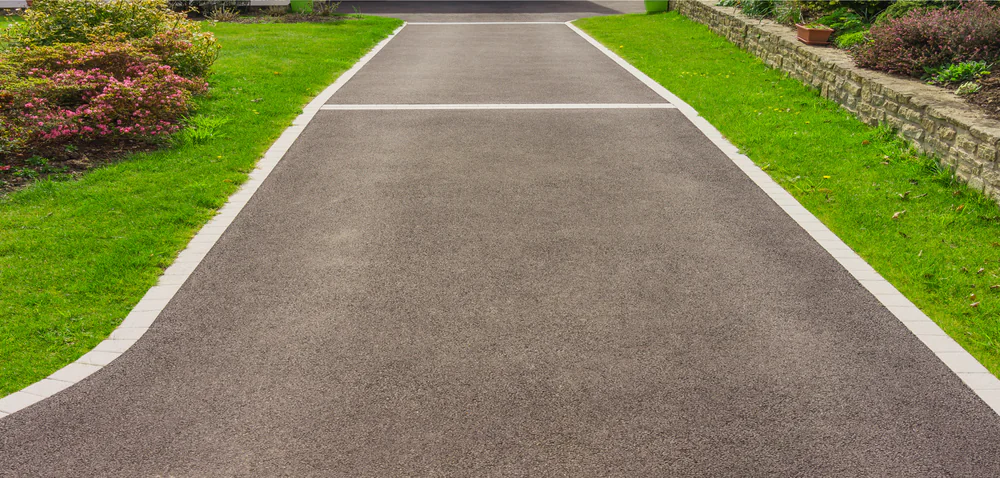
When your driveway is installed correctly, you’re not calling for repairs every few years. The surface stays smooth. Water drains where it should. Cracks don’t spiderweb across the asphalt after one winter.
You get a driveway that handles Pennsylvania’s freeze-thaw cycles without buckling. One that doesn’t develop low spots where water pools and ice forms. One that actually protects your property value instead of dragging it down.
That’s what happens when the sub-base is prepared properly, drainage is planned before the first truck arrives, and the crew isn’t rushing to the next job. Your driveway becomes an asset you don’t think about—because it just works.
Productive Asphalt LLC has roots in the paving industry dating back to 1948. That’s not a marketing line—it’s generations of hands-on experience with every type of driveway, parking lot, and paving challenge you can imagine.
We serve residential and commercial property owners throughout Langhorne Manor and the surrounding Bucks County area. One crew, one job at a time. That’s how we work, because splitting attention across multiple sites leads to mistakes and shortcuts.
Langhorne Manor’s historic homes and tree-lined streets deserve contractors who understand what’s at stake. Properties here have value, and homeowners take pride in how they look. We treat every project—big or small—with that same level of care, because your driveway is the first thing people see when they pull up to your home.
First, the old surface comes out. If your driveway is cracked, settled, or beyond repair, it gets removed completely—asphalt, concrete, whatever’s there. Starting with a clean slate matters more than most people realize.
Next comes grading and sloping. This step determines whether water drains away from your property or pools in low spots. Pennsylvania gets plenty of rain, and when water sits on asphalt, it seeps into cracks, freezes, expands, and destroys the surface from below. Proper grading prevents that.
The sub-base goes in next—usually crushed stone, compacted in layers. This is the foundation your driveway sits on, and it has to be rock-solid. A weak sub-base leads to settling, cracking, and early failure. We don’t skip this step or rush through it.
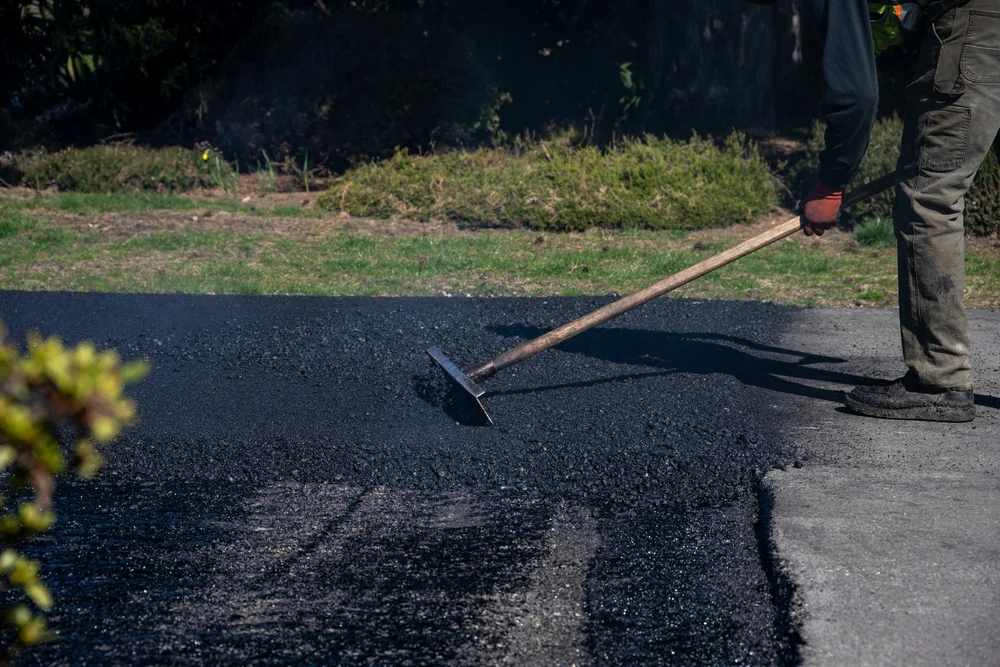
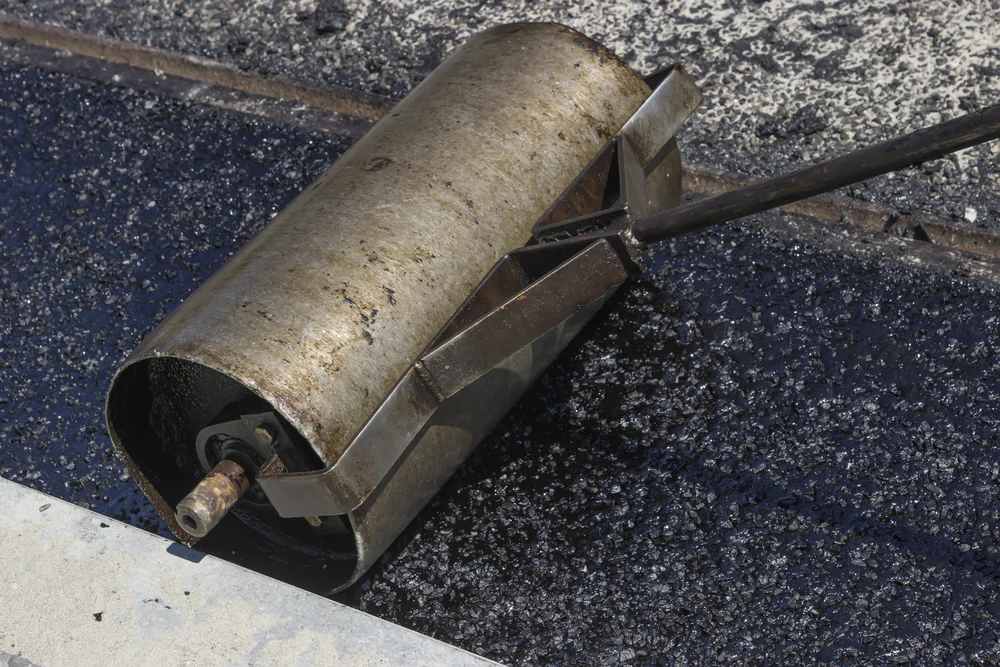
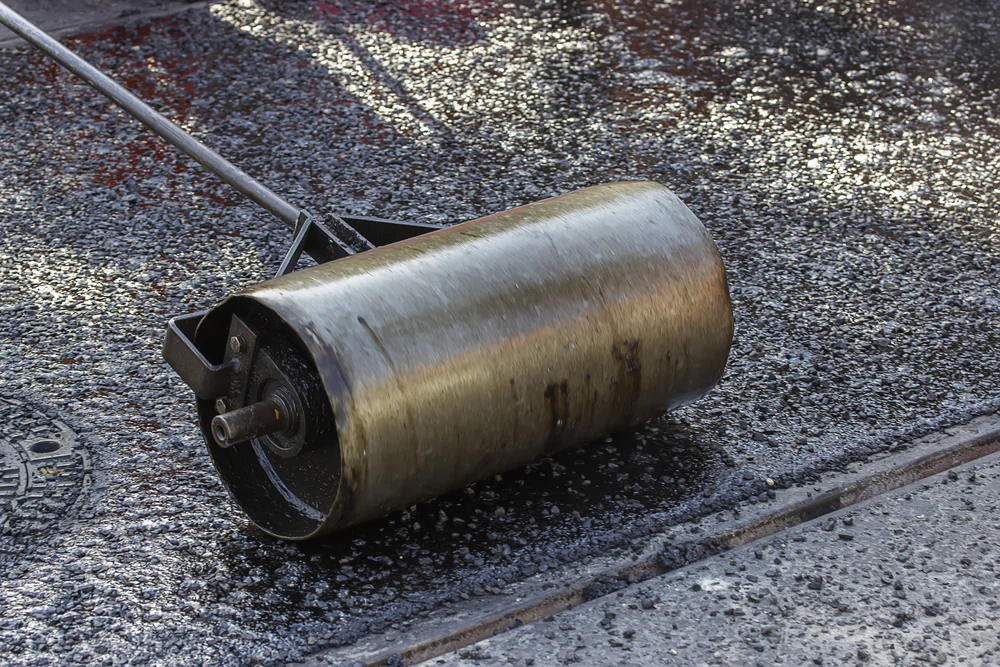
After the sub-base is tested and confirmed stable, the binder layer goes down. This is the structural layer of asphalt that provides strength. Then comes the top layer—the smooth surface you actually drive on. Both layers are compacted with heavy rollers while the asphalt is still hot, locking everything into place.
Finally, edges are finished, transitions to existing surfaces are smoothed out, and the site is cleaned up. You’re left with a driveway that’s ready to handle daily use and years of Pennsylvania weather.
Ready to get started?
A quality driveway paving project in Langhorne Manor starts with a site evaluation. Not every property has the same soil conditions, drainage challenges, or traffic needs. We assess your specific situation before any work begins.
You get complete removal of old materials when necessary—no paving over problems that will resurface in a year. Proper excavation depth depends on your property’s soil and what the driveway will support, whether it’s passenger vehicles or heavier trucks.
Drainage solutions are built into the design. Langhorne Manor sits in an area where water management matters. Properties with poor drainage see premature driveway failure, standing water, and ice patches in winter. Grading and sloping are planned to move water away from your home and off the pavement.
The sub-base gets the attention it deserves—proper depth, quality aggregate material, and thorough compaction. This layer acts as a frost barrier during Pennsylvania’s cold months and provides the stable foundation your asphalt needs.
Asphalt installation includes both structural and surface layers, applied at the right temperature and compacted correctly. Edges are finished cleanly, and transitions to existing surfaces are smooth—no lips or uneven spots that damage vehicles or create trip hazards.
You also get transparent communication throughout the project. We keep clients updated, answer questions, and don’t disappear once the deposit is paid. Our crew stays on your job until it’s complete, and our philosophy is simple: treat every client like the top client, regardless of project size.
A properly installed asphalt driveway in Langhorne Manor typically lasts 20 to 30 years with regular maintenance. The lifespan depends heavily on the quality of the sub-base preparation, proper drainage, and how well you maintain the surface over time.
Pennsylvania’s climate is tough on asphalt. Freeze-thaw cycles cause water to expand in cracks, which accelerates damage. Hot summers can soften asphalt if the installation wasn’t done correctly. That’s why the sub-base and drainage are so critical—they protect your driveway from the elements that cause premature failure.
Maintenance matters too. Sealcoating every two to three years protects the surface from UV damage, water penetration, and chemicals. Filling small cracks before they become big problems extends the life of your driveway significantly. Most homeowners who stay on top of basic maintenance get decades of use from a quality installation.
Resurfacing means adding a new layer of asphalt over your existing driveway. It’s less expensive and works well if your current driveway has minor surface damage but the base underneath is still solid. You’re basically giving your driveway a new top layer without tearing everything out.
Full replacement involves removing the old asphalt completely, addressing any base or drainage issues, and installing a new driveway from the ground up. This is necessary when your driveway has significant cracking, settling, drainage problems, or when the base has failed.
Here’s how to tell which you need: if your driveway has a few surface cracks and the overall structure is sound, resurfacing might be enough. But if you’re seeing large cracks, potholes, areas where the driveway has sunk, or water pooling in multiple spots, the problem is deeper than the surface. Resurfacing won’t fix those issues—you need a full replacement to address the underlying problems. An honest contractor will tell you which option makes sense for your specific situation.
Asphalt driveway paving in Langhorne Manor typically costs between $3 and $7 per square foot for standard residential installations. A typical two-car driveway of about 600 square feet runs between $1,800 and $4,200, though costs vary based on several factors.
Your specific cost depends on the size of your driveway, the condition of the existing surface, how much excavation is needed, and whether you need additional drainage solutions. Properties with poor soil conditions or significant grading challenges cost more because they require extra base preparation. Curved driveways or those with complex shapes also increase labor and material costs.
Full replacement costs more than resurfacing because you’re paying for demolition, removal, and complete base preparation. But if your driveway needs it, trying to save money with resurfacing is just delaying the inevitable—and you’ll end up paying twice.
Asphalt is significantly less expensive than concrete (which runs $6-$7 per square foot or more) and typically lasts just as long in Pennsylvania’s climate when installed properly. The key is getting accurate estimates from contractors who actually inspect your property instead of giving ballpark numbers over the phone.
Water is asphalt’s biggest enemy. When water sits on or seeps under your driveway, it causes damage that starts small and gets expensive fast. In Pennsylvania, water that penetrates the surface freezes in winter, expands, and creates cracks. Those cracks let in more water, and the cycle repeats until your driveway is destroyed.
Proper drainage means water moves off your driveway and away from your property instead of pooling in low spots. This is accomplished through careful grading and sloping during installation. We create a slight slope—usually about 1-2%—that directs water toward drainage areas, not toward your foundation or garage.
Some properties need additional drainage solutions like French drains or catch basins, especially if your driveway slopes toward your house or if you’re in an area where water naturally collects. These systems intercept water before it becomes a problem.
The drainage plan should be figured out before any asphalt goes down, not after you notice puddles forming. That’s why the grading and sub-base preparation steps are so important—they set up proper water flow from the beginning. Contractors who skip or rush through grading are setting you up for problems that will show up within the first year or two.
Wait six months to a year after installation before applying the first sealcoat to your new asphalt driveway. New asphalt needs time to cure and harden properly. Sealcoating too early can trap oils and prevent the asphalt from curing correctly, which actually weakens the surface.
After that first sealcoat, you should reseal every two to three years depending on traffic and weather exposure. Sealcoating protects your driveway from UV rays, water penetration, oil and gas spills, and general wear. It’s the most cost-effective maintenance you can do—a few hundred dollars every couple years versus thousands for major repairs or replacement.
You’ll know it’s time to sealcoat again when the surface starts looking faded or grayish instead of deep black. Small cracks might start appearing, or the texture becomes rougher. Don’t wait until the damage is severe—sealcoating works best as preventive maintenance, not as a repair solution.
Some contractors include guidance on sealcoating timing and can handle the work when it’s due. Others just do the installation and leave the maintenance to you. Either way, staying on top of sealcoating is one of the simplest ways to get the full lifespan out of your driveway investment.
Start by checking how long they’ve actually been in business and whether they have verifiable reviews from real customers. Platforms like Angie’s List, Google, and the Better Business Bureau show you what past clients experienced. Look for patterns—do they show up on time, communicate clearly, and stand behind their work, or do reviews mention disappearing acts and poor quality?
Ask specific questions about their process. A good contractor should explain how they’ll handle drainage, what type of sub-base they’ll use, how thick the asphalt layers will be, and what their timeline looks like. If they’re vague or brush off your questions, that’s a red flag.
Get multiple estimates, but don’t automatically go with the lowest bid. Extremely low prices usually mean corners will be cut—thinner asphalt, inadequate base preparation, or poor materials. You want fair pricing from someone who’s going to do the job right, not the cheapest option that fails in two years.
Find out if they work on multiple jobs simultaneously or focus on one project at a time. Contractors who spread their crew thin across several sites often rush through work and make mistakes. You want a company that gives your project their full attention until it’s done. Ask about their warranty or guarantee, how they handle issues if something goes wrong, and whether the owner or project manager will be on-site during your job.
Other Services we provide in Langhornemanor