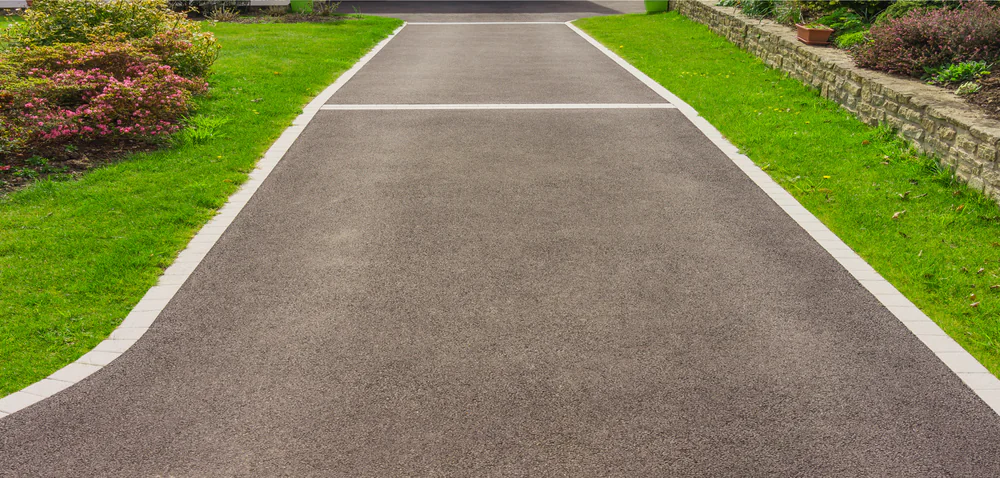
Your driveway should handle whatever Pennsylvania throws at it. Freeze-thaw cycles, heavy rain, snow removal season after season—it either holds up or it doesn’t.
When the base is prepped correctly and the asphalt is installed with proper drainage, you’re not calling someone back in two years to fix cracks or pooling water. You’re not second-guessing whether you hired the right paving contractor. You’re just pulling into a smooth, solid driveway that looks good and functions the way it should.
That’s what happens when the work is done by people who’ve been doing this since 1948 and treat your property like it’s their own. No shortcuts. No surprises. Just a driveway that works.
We’ve been in this industry since 1948. That’s not a marketing line—it’s generations of hands-on experience in asphalt paving, grading, and water management across Richlandtown and Bucks County.
Our crew works on one project at a time. Not juggling three jobs in a day. Not rushing to the next site. Your driveway gets full attention from start to finish, whether it’s residential paving or a commercial parking lot.
Richlandtown properties come with their own challenges—older homes with unique grading needs, newer developments requiring careful drainage planning, rural areas where access matters. We’ve seen it all and know how to handle the specific conditions here without treating your project like a cookie-cutter job.
First, the site gets assessed. That means looking at drainage, slope, existing base conditions, and how water moves across your property. This step determines whether you need full-depth excavation or if the existing base can support new asphalt.
Next comes excavation and grading if needed. The old driveway gets removed, the subgrade is shaped for proper water runoff, and a compacted stone base goes down. This is where most problems start if it’s done wrong—so we do it right, with attention to compaction and drainage.
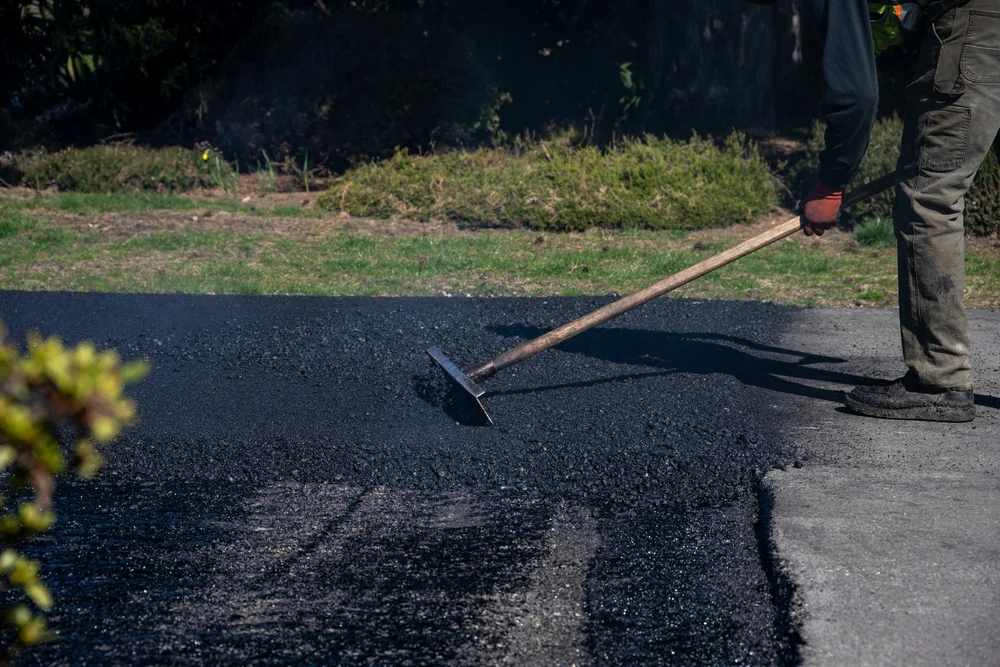
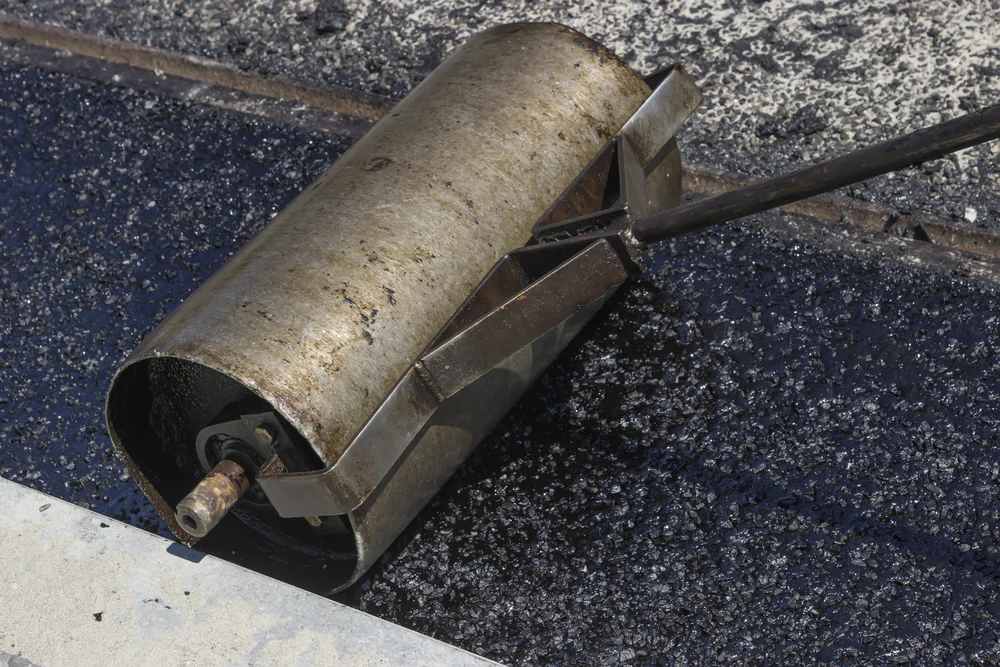
Then the asphalt gets installed in layers, compacted with heavy equipment to eliminate air pockets and ensure density. Edges are finished clean, transitions to existing surfaces are smooth, and the surface is graded so water moves away from your home and garage.
After paving installation, you’ll know exactly when you can use the driveway and what to expect during the curing process. No vague answers. No disappearing after the job. Just clear communication and a finished product that holds up.
Ready to get started?
Every driveway paving project starts with a site evaluation to determine the best approach for your property. That includes assessing current drainage, identifying problem areas, and recommending solutions specific to your situation—not a generic estimate.
In Richlandtown and surrounding Bucks County, proper grading matters. Pennsylvania gets an average of 45 inches of precipitation annually, and freeze-thaw cycles are relentless. If water pools on your driveway or near your foundation, you’re looking at cracking, heaving, and expensive repairs down the line. We handle grading and water management as part of the standard process, not an upsell.
You’ll also get transparent communication throughout the project. That means knowing when the crew arrives, how long each phase takes, and when you can use your driveway. For homeowners in Richlandtown, this also includes attention to landscaping, existing structures, and access considerations. Rural properties and older homes require a different approach than newer subdivisions, and that’s factored into every project plan.
A properly installed asphalt driveway in Pennsylvania typically lasts 20 to 30 years with routine maintenance like sealcoating every few years. The key word is “properly installed.”
If the base isn’t compacted correctly or drainage isn’t addressed, you’ll see cracking and deterioration within five years regardless of the asphalt quality. Pennsylvania’s freeze-thaw cycles are brutal—water seeps into small cracks, freezes, expands, and breaks apart the asphalt. That’s why base preparation and grading matter more than almost anything else.
Sealcoating every 2 to 3 years protects the surface from UV damage, water penetration, and chemical exposure from oil or gas. It’s a small investment that extends the life of your driveway significantly. But even with perfect maintenance, a poorly installed driveway won’t last. Start with solid installation, maintain it properly, and you’re looking at decades of use.
Not unless you want to repave it again in a few years. The lowest bid usually means corners are being cut somewhere—thinner asphalt, inadequate base prep, poor compaction, or a crew that’s rushing through to get to the next job.
Asphalt itself is a commodity. Everyone pays roughly the same for materials. The difference in bids comes down to labor, base preparation, drainage work, and the time spent doing it right. A cheap job might skip proper excavation, use less base material, or lay asphalt too thin.
You’ll pay less upfront, but you’ll pay again when the driveway cracks, sinks, or develops drainage problems. A mid-range bid from an experienced asphalt contractor with verifiable references and a clear scope of work is almost always the better investment. Ask what’s included in each bid—excavation depth, base material type and thickness, asphalt thickness, drainage solutions—and compare apples to apples.
For a residential driveway, you want a minimum of 2 to 3 inches of compacted asphalt over a properly prepared base. Some contractors will try to get away with 1.5 inches to save money, but that’s not thick enough to handle regular vehicle traffic and Pennsylvania winters.
The base underneath is just as important—typically 6 to 8 inches of compacted crushed stone, sometimes more depending on soil conditions and drainage needs. If the base isn’t thick enough or properly compacted, even thick asphalt will crack and settle.
For driveways that see heavier use—multiple vehicles, larger trucks, or frequent traffic—going with 3 inches of asphalt is smarter. It costs a bit more upfront but holds up better over time. A good paving contractor will evaluate your specific situation and recommend the right thickness based on your soil, drainage, and how you’ll use the driveway, not just quote the cheapest option.
Resurfacing means laying new asphalt over your existing driveway. Replacing means tearing out the old driveway completely and starting from scratch with a new base and asphalt. Which one you need depends on the condition of what’s already there.
If your driveway has minor surface cracks but the base is still solid and drainage is working properly, resurfacing can be a cost-effective option. You’re essentially getting a new surface without the expense of excavation and base work.
But if you have deep cracks, potholes, settling, or drainage problems, resurfacing is just putting a band-aid on a bigger issue. The new asphalt will fail just as fast as the old stuff because the underlying problem wasn’t fixed. In those cases, full replacement is the only real solution. An honest contractor will tell you which one you actually need, not just which one costs more.
You can typically drive on a new asphalt driveway within 24 to 48 hours after installation, but it takes longer to fully cure. Light vehicle traffic is usually fine after a day or two, but you’ll want to avoid heavy trucks or sharp turns for at least a week.
Asphalt continues to harden and cure for several months. During the first few weeks, it’s more susceptible to scuffing or indentations, especially in hot weather. That means being careful with kickstands, avoiding parking in the same spot repeatedly, and not turning the steering wheel while the vehicle is stationary.
Your contractor should give you specific guidance based on the weather conditions during installation and the type of asphalt mix used. Cooler temperatures mean longer curing times. Hotter weather speeds it up but also makes the fresh asphalt softer. Following those instructions protects your investment and ensures the driveway sets properly.
In most cases, repaving an existing driveway in Richlandtown doesn’t require a permit if you’re staying within the same footprint and not altering drainage patterns. But if you’re expanding the driveway, changing the grade, or affecting stormwater runoff, you may need approval from the borough.
Richlandtown is a small borough, and local regulations can be specific about impervious surfaces, setbacks, and drainage. Bucks County also has stormwater management requirements that might apply depending on the size of your project and how it affects runoff.
A reputable paving contractor will know the local requirements and handle any necessary permits as part of the project. If someone tells you permits definitely aren’t needed without even looking at your property or asking about scope changes, that’s a red flag. It’s worth confirming with the borough or having your contractor verify before work starts to avoid issues down the line.
Other Services we provide in Richlandtown