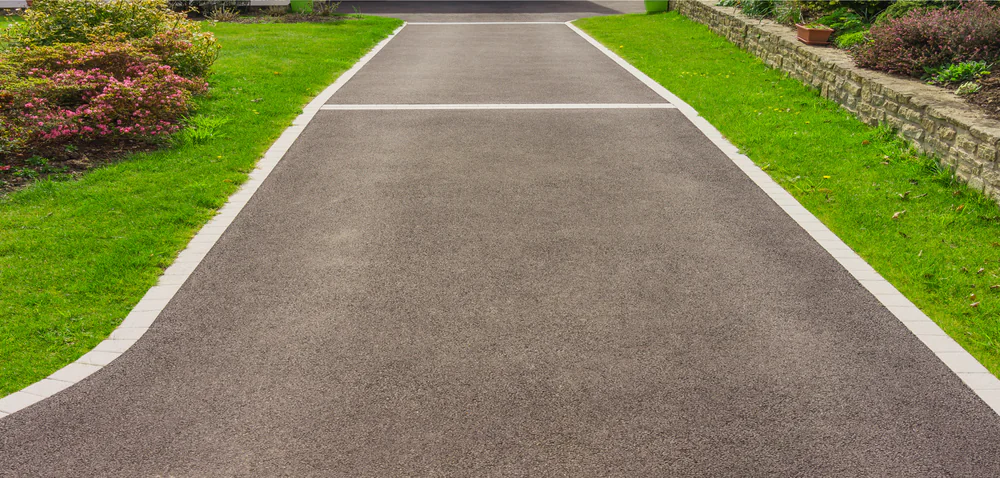
You get a driveway that handles Bucks County winters without buckling. Water runs off properly instead of pooling near your foundation or freezing into ice patches. The surface stays smooth because the base underneath was compacted right the first time.
That means you’re not patching cracks two years in. You’re not dealing with a contractor who ghosts you when drainage issues pop up. You’re not second-guessing whether you overpaid or got shortchanged on materials.
Your driveway looks clean and professional. It adds to your property value instead of detracting from it. And when it’s time for sealcoating or maintenance down the road, you know exactly who to call—because we treated your project with care from day one.
We’ve been in the paving business since 1948, bringing three generations of hands-on experience to driveways, parking lots, and commercial projects throughout Sellersville and Bucks County. We handle everything from residential driveways to complex industrial paving—but here’s what matters: every project gets the same level of attention.
One crew. One job. Full focus. No splitting time between multiple sites or rushing to the next property. That approach means your driveway gets the time it needs for proper grading, thorough base prep, and careful asphalt installation.
Sellersville properties come with unique challenges—slopes that need custom grading solutions, soil conditions that vary block to block, drainage concerns that can’t be ignored. Our team knows the area, understands what local driveways face through freeze-thaw cycles, and plans each job around your property’s specific needs. We’re building long-term relationships, not just pouring asphalt and moving on.
Everything starts with a site evaluation. What’s the current condition? Where does water go when it rains? What kind of vehicles will use this driveway? The answers shape a plan specific to your property—not a generic approach that ignores what makes your situation different.
Old driveways get removed completely. The base gets excavated to the right depth—typically 4 to 8 inches—and filled with aggregate stone that’s compacted in layers. This step determines whether your driveway lasts 20 years or starts failing in two. Proper compaction prevents settling. Correct grading ensures water flows away from your foundation.
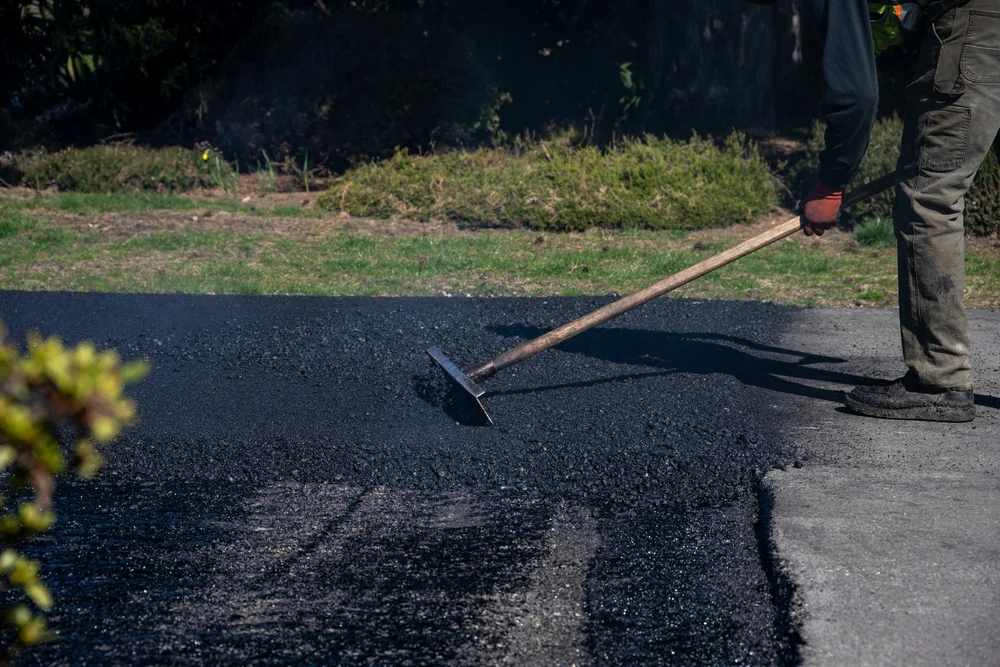
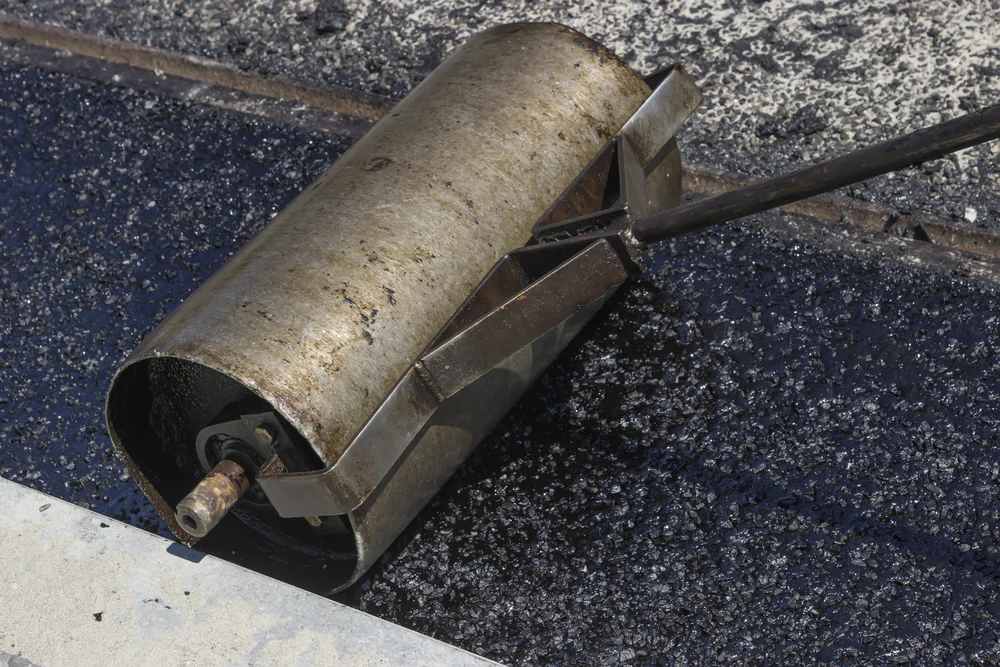
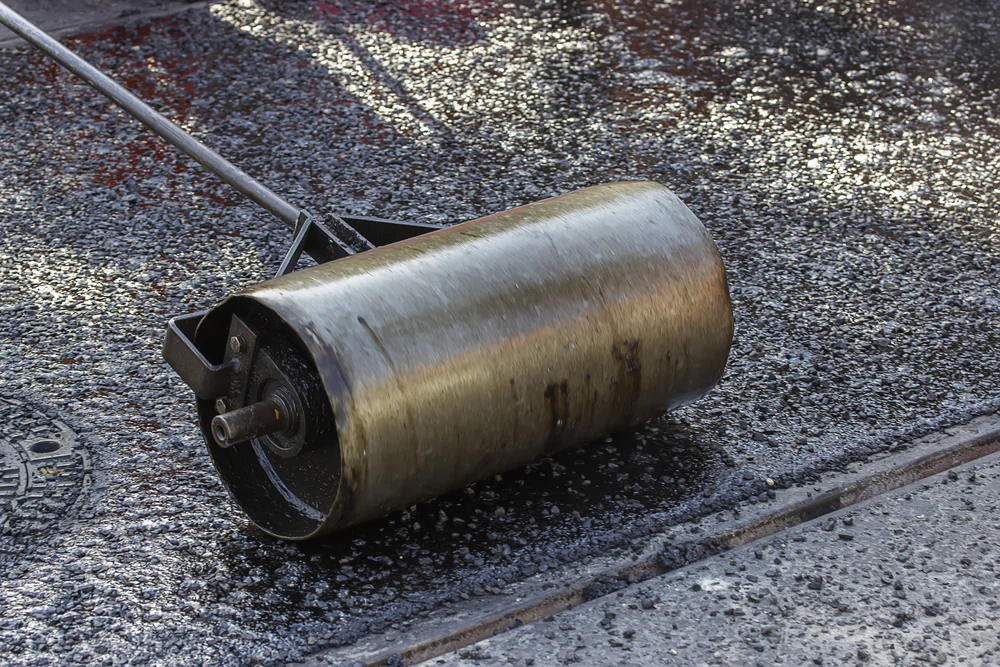
Once the base is solid, a tack coat binds everything together. Then comes the asphalt—2 to 3 inches for most residential driveways, laid hot and worked smooth before compaction. A heavy roller packs it down to the right density. Edges get finished cleanly. Transitions to sidewalks, roads, or existing surfaces get smoothed so there’s no jarring bump.
You’re told exactly when you can walk on it and when vehicles are safe. No vague timelines. No surprises about curing time or weather delays.
Ready to get started?
A proper driveway paving job in Sellersville includes complete site prep, removal of old materials, excavation to proper depth, and installation of a compacted aggregate base. That base—not the asphalt—is what keeps your driveway from settling and cracking. Skimp here, and problems follow fast.
The asphalt itself should be high-grade material with proper thickness: 2 to 3 inches compacted for residential driveways, more if you’re parking heavier vehicles. Some contractors use lower-grade asphalt loaded with recycled content or lay it too thin to cut costs. You won’t see the difference immediately, but you’ll feel it in a few years when the surface starts breaking down.
Drainage isn’t negotiable in Bucks County. Between rain, snow melt, and freeze-thaw cycles, water will find every weakness in your driveway. Proper slope moves it away from your foundation and off the surface before it can freeze and expand. Some properties need French drains or other drainage solutions—especially if you’re dealing with slopes or clay soil. A contractor who understands local conditions plans for this before laying any asphalt.
You should also expect clear communication about weather and timing. Asphalt needs decent temperatures to cure properly. We won’t rush a pour when conditions aren’t right, even if it pushes the schedule back. That’s protecting your investment, not wasting your time.
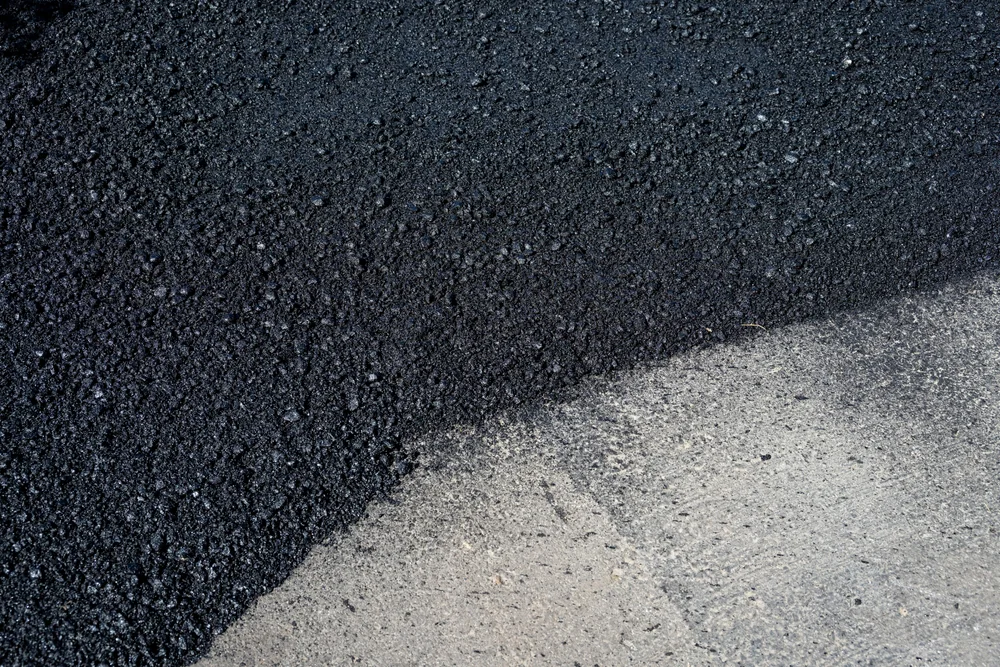
The actual paving work for a typical residential driveway takes one to three days once our crew is on site. But the full timeline includes more than just laying asphalt.
Removing an old driveway usually takes a day for demolition and hauling debris. Base preparation—excavation, grading, installing and compacting 4 to 8 inches of aggregate stone—adds another day or two, sometimes more if your property needs drainage work or has challenging soil conditions. Then the asphalt goes down, which happens relatively quickly, followed by finishing and compaction.
Weather affects the schedule too. Asphalt needs temperatures above 50 degrees to cure properly, making spring through fall ideal. Rain causes delays. After the pour, you’ll wait about 24 hours before walking on the surface and several days before parking vehicles—longer if you’re parking heavy trucks or equipment. We give you specific timelines based on your project and current conditions, not vague estimates.
Asphalt driveway paving in Sellersville typically costs $3 to $7 per square foot, depending on the scope and complexity. For a standard two-car driveway around 600 to 640 square feet, expect to pay between $4,500 and $7,000 for complete installation with proper base preparation.
That price should include removing old materials if necessary, excavating and grading for drainage, installing a compacted stone base, and laying 2 to 3 inches of asphalt. If your property has slopes, drainage challenges, poor soil conditions, or requires extra excavation, costs increase. Same if you need thicker asphalt for heavier vehicles or additional features like extended aprons or turnarounds.
Be skeptical of quotes significantly below this range. They usually mean shortcuts—thinner asphalt, inadequate base prep, lower-grade materials, or corners cut on compaction. You might save money upfront, but you’ll pay more in repairs when your driveway starts cracking or settling within a couple years. Our detailed estimates break down exactly what you’re paying for and why each step matters.
Walk outside after a heavy rain and look for standing water. If puddles are still there an hour later, you have a drainage issue that needs addressing before you pave.
Proper drainage means your driveway slopes away from your house—typically about a quarter inch per foot. Water should flow toward the street, to the sides, or into drainage systems like French drains or catch basins. If water runs toward your garage, pools near your foundation, or collects in low spots, that’s a problem that will only get worse with new asphalt.
In Sellersville and throughout Bucks County, drainage issues become serious fast. Water gets into cracks, freezes, expands, and breaks the asphalt apart. It can also seep into basements, damage foundations, or create dangerous ice patches in winter. We assess your property’s slope, soil type, and existing drainage during the planning phase. We’ll build in the solutions you need—proper grading, drainage systems, or adjustments to how your driveway connects to existing surfaces—before laying any asphalt.
Most residential driveways in Sellersville need 2 to 3 inches of compacted asphalt over a solid aggregate base. That’s sufficient for regular passenger vehicles, light trucks, and typical family use. With proper maintenance, it’ll last 20 to 30 years.
If you’re parking heavier vehicles—work trucks, RVs, equipment, or anything that puts extra weight on the surface—you want closer to 3 to 4 inches of asphalt. Commercial driveways and parking lots often use 4 inches or more, sometimes installed in two layers with a binder course underneath for added strength.
The base underneath matters just as much as asphalt thickness. You need 4 to 8 inches of compacted aggregate stone to prevent settling and provide a stable foundation. Without proper base prep, even thick asphalt will crack and fail. Some contractors try to cut costs by laying thinner asphalt or skipping adequate base work. That saves them money and time, but it costs you more in repairs within a few years. Ask specifically about both asphalt thickness and base depth when you’re getting estimates.
Wait at least six months to a year after installation before applying sealcoat to new asphalt. Fresh asphalt needs time to cure completely, and sealing too early can trap oils inside that need to evaporate. Premature sealing actually prevents proper hardening and can damage the surface.
After that first application, plan to reseal every two to three years depending on traffic levels and weather exposure. Sealcoating protects against UV damage, water penetration, oil spills, and the freeze-thaw cycles common in Pennsylvania winters. It also refreshes the appearance, giving your driveway that deep black finish that makes it look new again.
Some contractors will offer to seal your driveway right away or within a few weeks of installation. Don’t let them. The asphalt isn’t ready, and you’ll do more harm than good. We’ll tell you the honest timeline, even if it means waiting months to provide that service. That’s the kind of straightforward advice you want from someone who’s thinking about your driveway’s long-term performance, not just trying to add another service charge to the bill.
Most asphalt failures trace back to three causes: poor drainage, inadequate base preparation, or freeze-thaw damage from Pennsylvania winters. Water is the main culprit. When it gets under the asphalt or into cracks, it softens the base, causes settling, and expands when it freezes—literally breaking the surface apart from below.
If the base wasn’t thick enough or wasn’t compacted properly, the asphalt has nothing solid to rest on. It flexes under vehicle weight, develops cracks, and eventually breaks down. In Sellersville’s climate, repeated freezing and thawing accelerates any existing damage. Small cracks become bigger ones, then potholes, especially if water keeps getting in.
Low-quality materials or insufficient thickness make everything worse. Some contractors use asphalt with too much recycled content or lay it too thin to save money. It might look acceptable initially, but it won’t hold up under real-world conditions. Proper installation—solid compacted base, adequate asphalt thickness, correct grading for drainage, quality materials—prevents these problems from starting. And when you do spot a small crack forming, getting it filled quickly stops it from turning into something that requires major repairs.
Other Services we provide in Sellersville