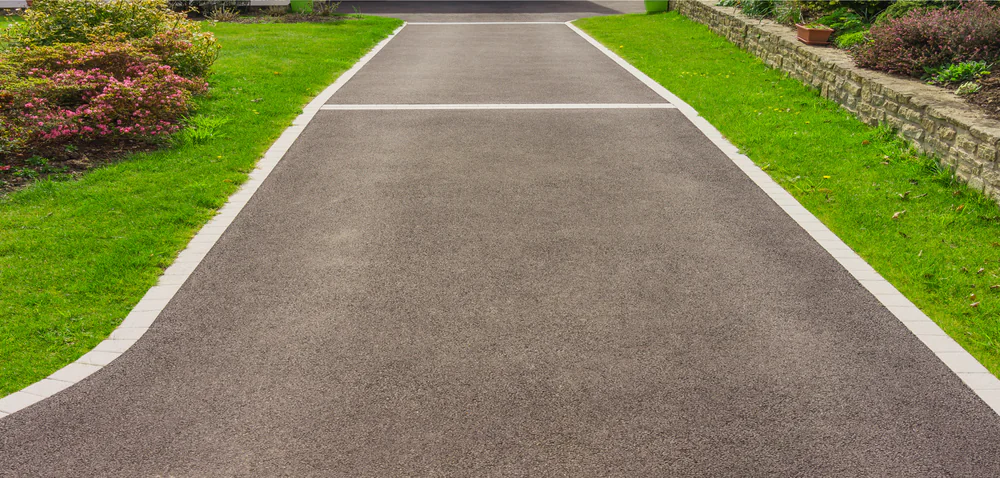
You get a driveway that drains properly. No more water pooling near your foundation or ice patches forming in the same spot every winter.
The surface stays smooth. You’re not replacing sections every few years or patching cracks that keep coming back.
Your property looks better. A clean, well-installed driveway changes how your home presents itself, and you notice it every time you pull in.
It holds up through the freeze-thaw cycles that wreck poorly installed pavement. Proper base preparation and correct asphalt thickness mean the investment actually pays off over time. When the paving installation is done with attention to drainage, grading, and material quality, you’re looking at decades of reliable use instead of constant repairs.
We bring family paving expertise that goes back to 1948. That’s not marketing language – it’s actual generational knowledge we apply to every driveway in Upper Southampton and throughout Bucks County.
Our crew focuses on one job at a time. Your project gets full attention from start to finish, not divided focus across multiple sites. We treat every property the same way regardless of size or scope, because our standard doesn’t change based on the invoice.
Upper Southampton homeowners deal with the same weather challenges – winter freeze-thaw cycles, heavy spring rains, summer heat. Our approach accounts for local conditions, proper drainage solutions, and base preparation that actually works for Pennsylvania soil and climate.
First, we evaluate the existing surface. If there’s old asphalt or concrete, we remove it properly. If it’s gravel, we measure the depth to determine what additional base material you’ll need.
The base preparation comes next. This is where most problems start if it’s done wrong. We install and compact a proper gravel base – typically four to six inches. We address drainage here too, with grading that slopes away from your home and garage. Water needs somewhere to go, and if that’s not built into the foundation, you’ll deal with pooling and premature failure.
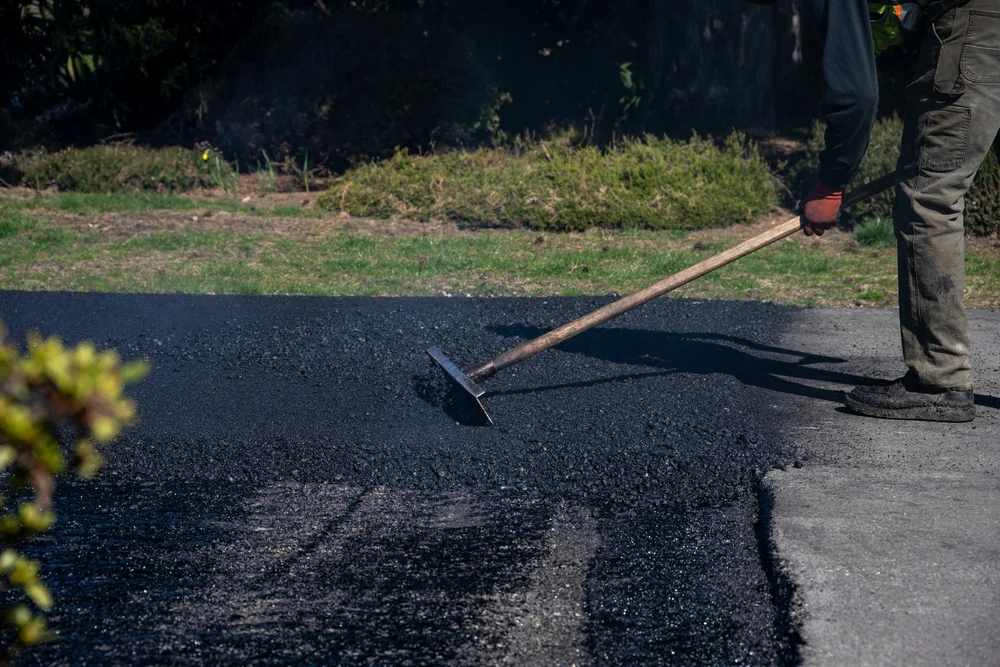
Then the asphalt goes down. For residential paving in Upper Southampton, that means at least two to three inches of compacted asphalt over the prepared base. We lay the material hot, compact it properly, and finish it smooth.
You’ll need to stay off it for at least 24 hours while it cures. After that, you can use it normally. Seal coating should happen within six months to a year, then every few years after that to protect the surface and extend its life.
Ready to get started?
Site preparation and removal of existing materials. Proper excavation to the depth needed for a stable base. Installation of compacted gravel base with correct thickness for local soil conditions.
Grading and drainage solutions specific to your property. If water runs toward your house or pools in certain areas, we correct that during base prep, not ignore it and hope it goes away.
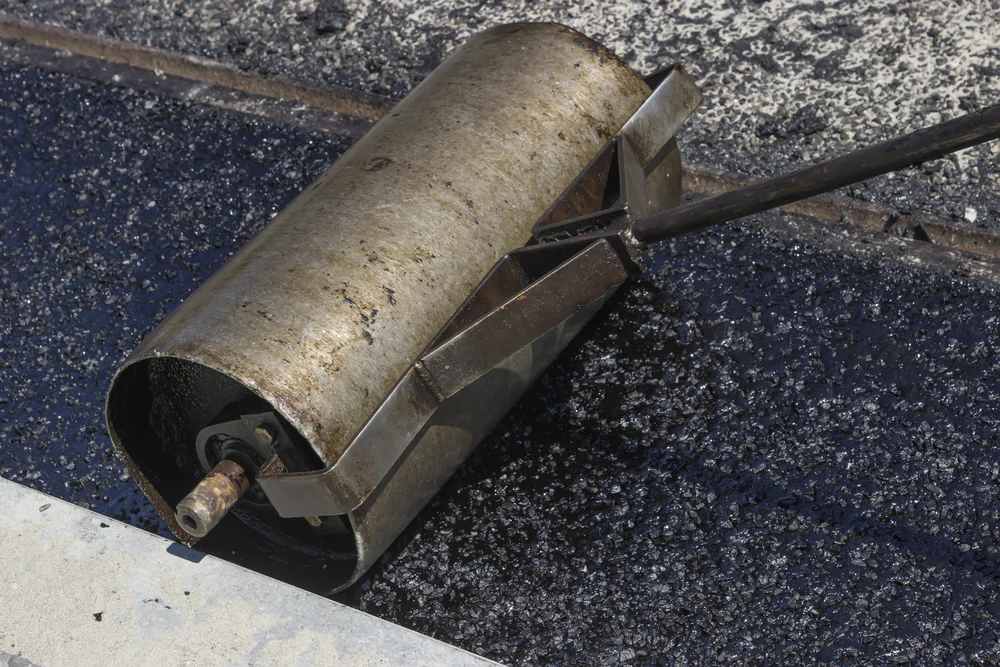
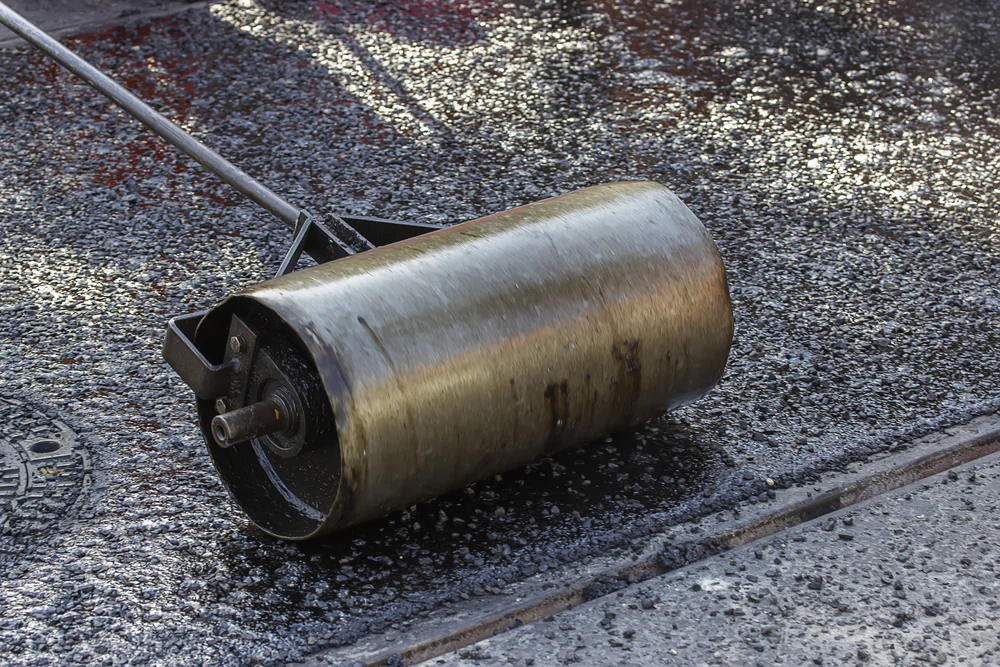
Asphalt installation at appropriate thickness – no shortcuts on material to hit a price point. We finish the edges clean. We compact and roll the surface properly while the material is still workable.
In Upper Southampton and throughout Bucks County, properties face specific challenges. Clay soil that shifts. Freeze-thaw cycles that exploit any weakness in the base. Spring rains that test drainage systems. Our paving installation process accounts for these local realities, not some generic approach that works elsewhere but fails here. You’re also getting transparent communication about timeline, process, and what to expect at each stage – no surprises, no vague explanations when you ask questions.
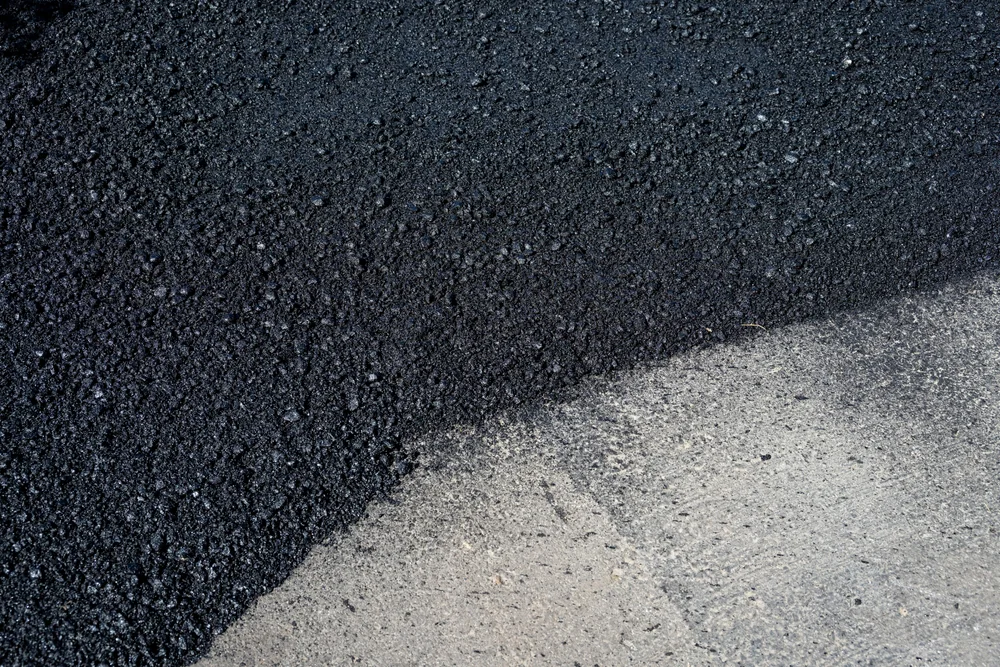
A properly installed asphalt driveway in Upper Southampton typically lasts 20 to 30 years. That range depends on a few specific factors.
The base preparation matters most. If the gravel base is installed correctly at four to six inches, compacted properly, and graded for drainage, the asphalt above it has a stable foundation. Poor base work cuts that lifespan significantly – you’ll see cracking and failure within a few years instead of decades.
Maintenance plays a role too. Seal coating every two to five years protects the surface from UV damage, water infiltration, and Pennsylvania’s freeze-thaw cycles. Small cracks filled promptly don’t become big problems. Neglected driveways deteriorate faster regardless of how well they were installed.
The quality of installation and materials determines whether you’re at the low end or high end of that lifespan. Thin asphalt over poor base prep might look fine initially but won’t hold up. Proper thickness, quality materials, and attention to drainage details push you toward the 30-year mark.
It depends on what’s happening below the surface. An overlay works when you’re dealing with surface-level issues – minor cracking, fading, or shallow damage – and the base underneath is still solid.
If the existing driveway has major cracks, potholes, or areas that sink when you drive over them, the base has failed. Putting new asphalt over a failed base just covers the problem temporarily. You’ll see the same issues come through the new surface within a year or two.
Water damage is the key indicator. If you have pooling water, drainage problems, or soft spots, an overlay won’t fix that. The base needs to be redone with proper grading and drainage solutions.
An honest assessment involves looking at the existing surface, testing for soft spots, and checking drainage patterns. If the foundation is sound and you’re just addressing wear on the surface, an overlay saves money and gets you a refreshed driveway. If there are structural issues, removal and replacement is the only solution that actually works long-term. Trying to save money with an overlay when you need full replacement just means paying twice.
Freeze-thaw cycles cause most cracking in Pennsylvania. Water gets into small cracks or porous areas, freezes when temperatures drop, expands, and makes the crack bigger. This happens repeatedly through winter and spring.
Poor base preparation accelerates the problem. If the gravel base isn’t thick enough, wasn’t compacted properly, or doesn’t drain well, the asphalt above it flexes and moves more than it should. That movement creates stress cracks even in quality asphalt.
Water infiltration from inadequate drainage creates ongoing damage. If water pools on the surface or doesn’t drain away from the driveway, it eventually works its way down to the base. Once the base gets saturated and starts shifting, cracks appear above.
Heavy loads and repeated traffic contribute too, especially if the asphalt is too thin or the base can’t support the weight. Oil and fuel spills soften asphalt over time, creating weak spots that crack more easily. Age and UV exposure make asphalt more brittle, which is why seal coating matters – it protects against oxidation that makes the surface prone to cracking.
Asphalt driveway paving in Upper Southampton typically runs between three and seven dollars per square foot for complete installation. That includes removal of existing material, base preparation, and new asphalt installation.
A standard two-car driveway around 600 square feet would cost roughly $1,800 to $4,200. Larger driveways, complex drainage situations, or properties requiring extra base work due to poor soil conditions will be higher.
Overlays cost less – usually one to three dollars per square foot – because you’re not removing the old surface or redoing the base. But that only works if the existing base is solid and you’re just addressing surface wear.
Several factors affect the final price. Properties with drainage problems need additional work. Steep slopes require more labor and expertise. Poor soil conditions mean more base material. Distance from material suppliers affects delivery costs. The thickness of asphalt you choose matters too – minimum should be two to three inches for residential driveways, but some situations call for more.
Be cautious of quotes that seem unusually low. Quality materials and proper installation cost what they cost. Significantly cheaper prices usually mean thin asphalt, poor base prep, or shortcuts that create problems later.
Late spring through early fall offers the best conditions for asphalt paving in Upper Southampton. You need consistent temperatures above 50 degrees for proper asphalt installation and curing.
Asphalt is installed hot and needs warm conditions to compact properly and cure correctly. Cold weather makes the material harder to work with and it doesn’t bond as well. Ground conditions matter too – frozen or saturated soil creates base preparation problems.
Summer works well but extreme heat can be challenging. The asphalt stays workable longer, which is good for installation, but extremely hot days require adjustments to the process.
Early fall is often ideal. Temperatures are moderate, ground conditions are typically dry, and contractors have availability as the busy season winds down. You want the driveway installed and cured before winter weather arrives.
Plan ahead if possible. Quality paving contractors book up during peak season. Reaching out in early spring for a summer or fall installation gives you better scheduling options. Avoid feeling rushed into quick decisions because you need it done immediately – that’s when mistakes happen or you end up with whoever happens to be available rather than who you actually want doing the work.
Yes, seal coating protects your investment and extends the driveway’s lifespan significantly. It’s not optional if you want the pavement to last.
The first seal coat should happen six months to one year after installation. This gives the asphalt time to cure fully. After that, seal coating every two to five years maintains protection – more frequently if you have heavy traffic or harsh exposure conditions.
Seal coating creates a barrier against UV rays, which cause asphalt to oxidize and become brittle. It protects against water infiltration, which is critical in Pennsylvania where freeze-thaw cycles exploit any weakness. It also guards against oil and fuel spills that soften and damage asphalt.
You’ll see the difference in appearance too. Sealed driveways maintain that dark, fresh look instead of fading to gray. The surface stays smoother and more resistant to cracking.
Skipping seal coating means the asphalt ages faster, becomes more porous, and develops cracks sooner. Small cracks that could have been prevented turn into bigger problems that require patching or resurfacing. The cost of regular seal coating is far less than premature replacement because you let the surface deteriorate.
Other Services we provide in Uppersouthampton