
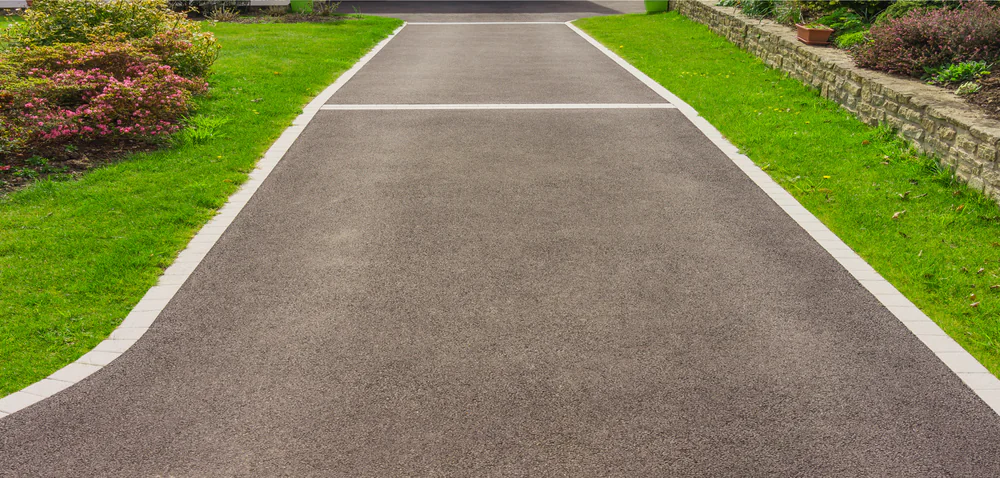
A properly installed asphalt driveway doesn’t buckle after the first freeze. It doesn’t pool water by your garage or develop potholes before it’s even paid off.
When the base is prepared correctly and the drainage is planned from the start, you’re looking at 25 to 30 years of reliable use. That’s what happens when a crew actually understands how Warminster’s freeze-thaw cycles work and builds accordingly. You get a surface that sheds water, resists cracking, and handles daily traffic without turning into a maintenance nightmare.
The difference isn’t just in how it looks on day one. It’s in how it performs year after year when other driveways in the neighborhood are already showing their age.
We’ve been in the paving business since 1948. That’s not a typo. We bring decades of hands-on experience to every driveway, parking lot, and commercial paving project across Warminster Heights and the surrounding Bucks County area.
This is a family operation that treats your driveway like it matters—because to us, it does. One crew, one job at a time. No juggling multiple sites or rushing through your project to get to the next one. We show up, we do the work right, and we don’t leave until it’s done to standard. Our five-star reviews on Angie’s List back that up.
Warminster Heights properties deal with temperature swings, heavy rain, and freeze-thaw cycles that can destroy a poorly installed driveway in just a few seasons. We know the local conditions and build for them. We’re not learning on your property.
First, the old surface comes out. If your driveway is cracked, sunken, or failing, we remove it completely along with any compromised base material. You can’t build something solid on top of something broken.
Next comes the base preparation. This is where most contractors cut corners, and it’s where most driveways fail. We install 4 to 6 inches of compacted stone base, graded to promote proper drainage away from your home and garage. Water needs somewhere to go, and if the slope isn’t right, it’s going into your asphalt instead of off your property.
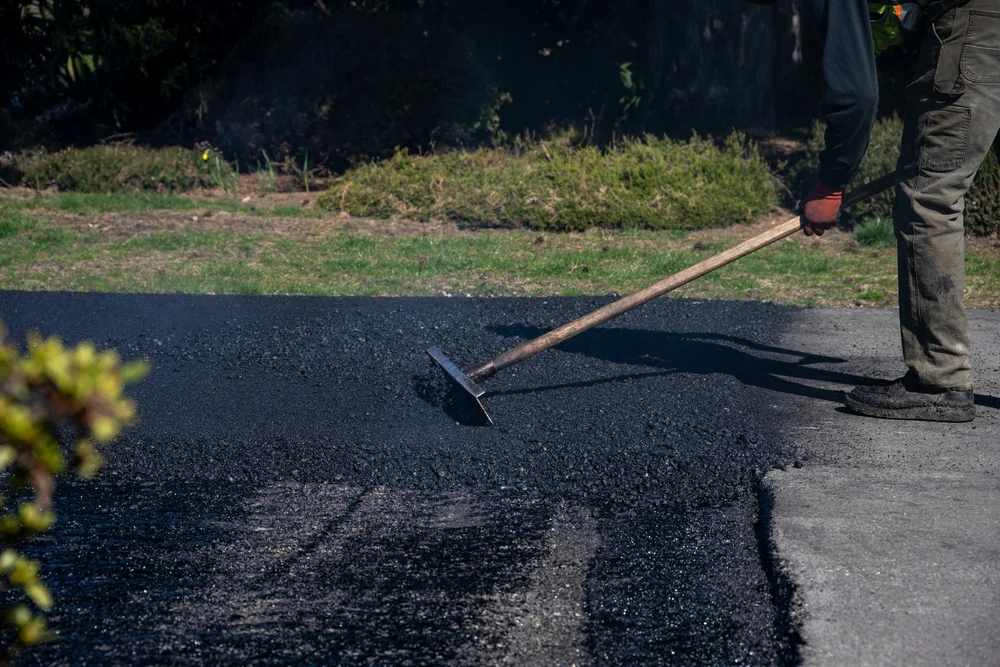
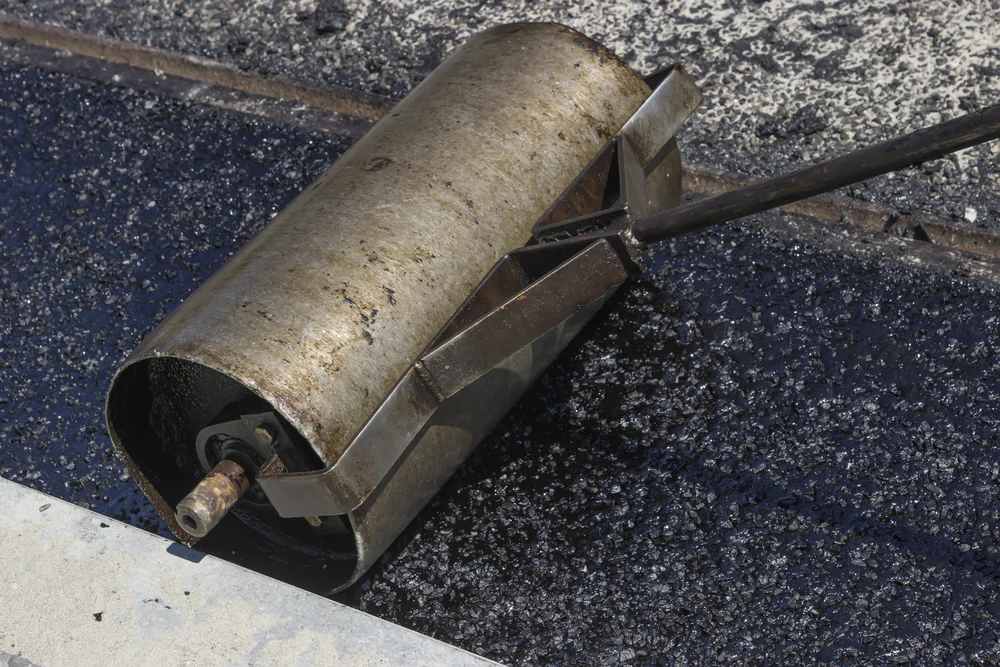
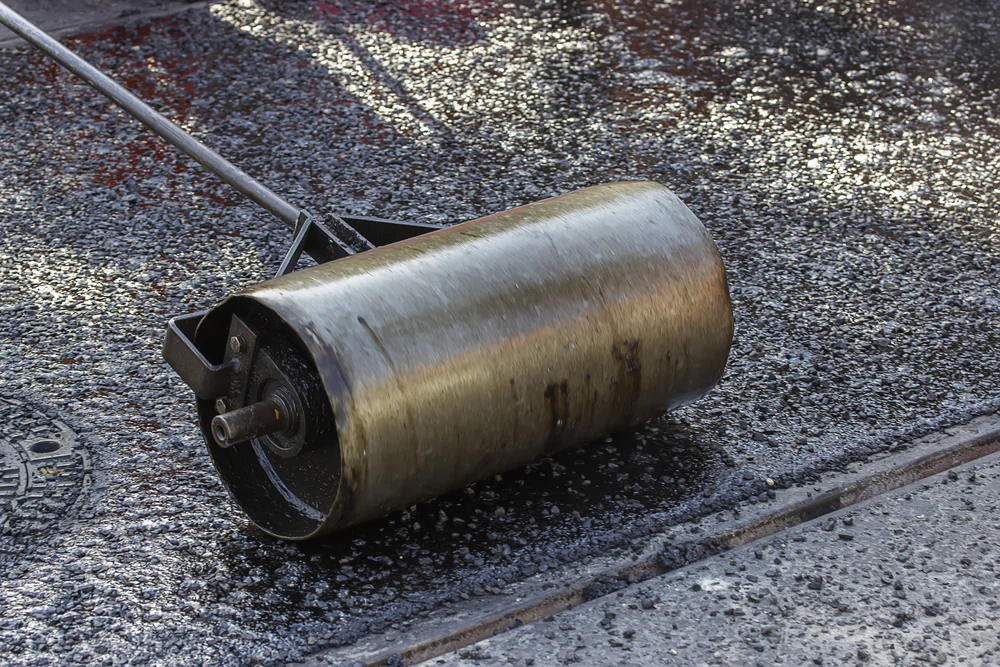
Then we lay the asphalt—typically 2 to 3 inches of hot-mix material, applied at the right temperature and compacted with heavy rollers to achieve proper density. This isn’t a quick pour-and-smooth. It’s a process that requires the right equipment, the right timing, and experience knowing when conditions are ideal for paving installation.
Finally, we handle the transitions where your new driveway meets existing surfaces like the street or walkways. These joints need to be smooth and sealed properly, or you’ll have water intrusion and premature failure at the edges.
We walk you through what’s happening at each stage. No surprises, no shortcuts.
Ready to get started?
You’re not just getting asphalt dumped on your property. A complete driveway paving project includes site assessment, demolition and removal of old materials, proper base installation with the right depth and compaction, grading for drainage, asphalt application, compaction, and finishing work at all transitions and edges.
In Warminster Heights, drainage is critical. The area sees significant rainfall and winter weather that can wreak havoc on improperly graded driveways. We evaluate your property’s natural water flow and build the driveway to work with it, not against it. That might mean adjusting slopes, adding drainage solutions, or regrading sections to prevent pooling.
You also get attention to the details that extend your driveway’s life. Proper compaction prevents settling. Correct asphalt thickness handles the load. Smooth transitions at the edges prevent cracking where new meets old. These aren’t extras—they’re part of doing it right the first time.
For Warminster Heights properties dealing with clay soils that expand when wet or freeze-thaw cycles that crack poorly installed surfaces, this level of care isn’t optional. It’s the difference between a driveway that lasts decades and one that needs repair in five years. Whether it’s residential paving or commercial paving, the fundamentals don’t change—quality base work and proper drainage determine how long your investment lasts.
Most residential driveway installations take two to three days from start to finish, but the timeline depends on your property’s specific conditions and the scope of work required.
Day one typically involves demolition and removal of your old driveway, plus initial base preparation. Day two focuses on completing the base work, ensuring proper compaction and grading. Day three is when the asphalt gets installed. If your property has drainage challenges, steep grades, or requires additional base depth due to soil conditions, the project might extend another day or two.
Weather plays a role too. Asphalt installation requires dry conditions and temperatures above 50 degrees. If rain’s in the forecast or temperatures drop, reputable contractors will delay rather than compromise the installation. You can typically drive on your new driveway within 24 to 48 hours after the asphalt is laid, but full curing takes about a month. During that time, avoid parking in the same spot repeatedly and be gentle with the surface.
Resurfacing means adding a new layer of asphalt over your existing driveway. Replacement means tearing everything out and starting fresh. The right choice depends on what’s actually wrong with your current driveway.
Resurfacing works when your driveway has surface damage like minor cracks, fading, or rough texture, but the base underneath is still solid. The contractor applies approximately 1.5 to 2 inches of new asphalt over the old surface, giving you a fresh appearance and adding years of life. It’s faster and less expensive than full replacement.
Replacement is necessary when you have structural problems—major cracking patterns, potholes, significant settling, or drainage issues. These indicate the base has failed, and no amount of new asphalt on top will fix the underlying problem. In these cases, the old driveway and compromised base material get removed, a new base gets installed with proper depth and grading, and then fresh asphalt goes down.
Contractors who push resurfacing when you need replacement are setting you up for failure. The new surface will crack and fail quickly because the foundation can’t support it. Honest assessment of your driveway’s condition determines which approach actually makes sense for your situation and your budget.
Asphalt driveway installation typically runs between $7 and $13 per square foot in the Warminster Heights area, depending on the scope of work, site conditions, and materials required. A standard two-car driveway of about 600 square feet would cost roughly $4,200 to $7,800 for complete replacement.
That price includes demolition and removal of your old driveway, installation of a proper stone base (usually 4 to 6 inches deep), grading for drainage, and 2 to 3 inches of compacted asphalt. If your property has challenging drainage, requires additional excavation, or needs extra base depth due to soil conditions, costs increase accordingly.
Resurfacing an existing driveway costs less—typically $3 to $5 per square foot—because you’re not removing and replacing the base. However, resurfacing only works if your current base is sound. Trying to save money with resurfacing when you actually need replacement just means you’ll be paying for the same work twice within a few years.
Beware of quotes that seem too good to be true. Contractors who significantly undercut standard pricing are usually cutting corners somewhere—thinner asphalt, inadequate base preparation, poor drainage work, or substandard materials. You’ll pay for those shortcuts through premature failure and expensive repairs. Quality installation costs what it costs because the materials, equipment, and expertise required to do it right aren’t cheap.
Fall—specifically September through early November—is the optimal time for asphalt paving in Pennsylvania. The moderate temperatures and typically dry weather create ideal conditions for installation and curing.
Asphalt needs to be installed and compacted at specific temperatures to achieve proper density and durability. Fall’s daytime temperatures between 50 and 70 degrees keep the hot-mix asphalt workable longer, giving crews time to properly grade and compact the surface. Cooler evening temperatures help the asphalt cure gradually without the rapid cooling that can cause surface defects.
Spring and summer can work, but they come with challenges. Spring brings frequent rain that delays projects and can compromise base preparation if the ground stays wet. Summer’s extreme heat can cause asphalt to cool too quickly or become too soft during installation, affecting final quality. Winter is generally not recommended—temperatures below 50 degrees prevent proper compaction and curing.
That said, experienced contractors can successfully install driveways outside the fall window when weather conditions cooperate. What matters more than the calendar is having several consecutive days of dry weather with appropriate temperatures. A quality contractor will tell you when conditions aren’t right and delay the project rather than push forward and compromise the installation.
Yes, asphalt driveways should be sealed to protect against water intrusion, UV damage, and chemical deterioration. The first seal coat should be applied 6 to 12 months after installation, then reapplied every 2 to 3 years depending on traffic and exposure.
New asphalt needs time to cure before sealing. Applying sealer too soon traps oils in the asphalt that need to evaporate, which can prevent proper hardening. After that initial curing period, sealcoating creates a protective barrier against Pennsylvania’s harsh weather conditions—the freeze-thaw cycles, road salt, and temperature extremes that break down unsealed asphalt.
Regular sealcoating can extend your driveway’s lifespan by 25% or more. It costs a fraction of what you’d pay for repairs or replacement, typically $0.15 to $0.25 per square foot. The process involves cleaning the surface, filling any cracks, and applying two coats of commercial-grade sealer during optimal weather conditions.
Properties with heavier use, more sun exposure, or located in areas with poor drainage may need more frequent sealing. You’ll know it’s time when your driveway starts looking gray instead of black, or when you notice the surface becoming rough or developing small cracks. Addressing these signs early through sealcoating prevents water from penetrating the asphalt and causing the kind of damage that requires expensive repairs.
Most premature driveway failure comes down to three problems: inadequate base preparation, poor drainage, or thin asphalt application. When contractors cut corners on any of these, you see cracks and potholes within a few years instead of decades.
The base is your driveway’s foundation. It needs to be deep enough (4 to 6 inches for residential driveways), properly compacted, and made from the right materials. Insufficient base depth or poor compaction allows the ground underneath to shift with temperature changes and moisture, which cracks the asphalt above. In Warminster Heights, where freeze-thaw cycles are common, water that gets into an inadequate base freezes, expands, and literally pushes the asphalt apart.
Drainage issues accelerate everything. If water pools on your driveway or doesn’t have a clear path away from the surface, it finds its way into any small crack or weak spot. Once water’s in there, Pennsylvania winters do the rest—freezing and expanding, widening cracks into potholes. Proper grading and slope during installation prevent this by moving water off the driveway before it becomes a problem.
Thin asphalt saves contractors money but costs you in longevity. Residential driveways need 2 to 3 inches of compacted asphalt to handle regular vehicle traffic. Anything less develops surface cracks quickly. Combined with a weak base or poor drainage, thin asphalt fails fast. Quality contractors don’t skimp on these fundamentals because they know you’ll see the consequences within a few seasons.
Other Services we provide in Warminsterheights