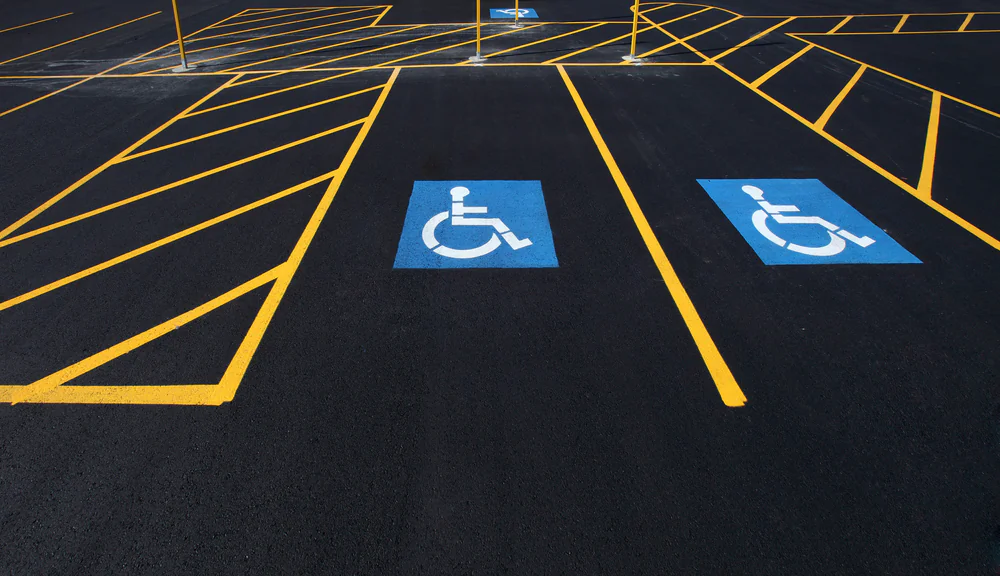
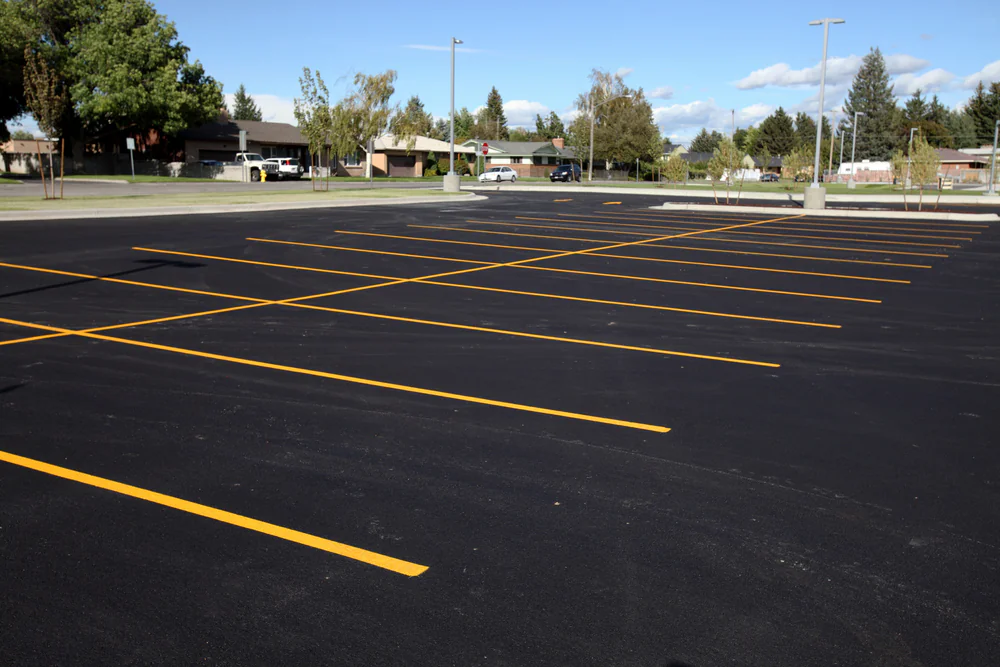
A smooth, properly drained surface that doesn’t turn into a pond when it rains. No potholes forming six months later because someone skipped the base work. Striping that’s clean and visible. A parking lot your customers actually notice—in a good way.
When your parking lot is paved correctly from the start, you’re not calling for repairs every year. You’re not dealing with liability concerns from cracked pavement or standing water. You’re getting 15 to 25 years of performance out of asphalt that was installed with the right materials, proper drainage, and attention to the details that most contractors skip.
That’s what happens when the crew doing your job treats it like it’s the only one that matters. Because while we’re on your property, it is.
We’ve been in the paving business since 1948. That’s not a typo. We bring family tradition and decades of hands-on experience to every parking lot, driveway, and commercial project in Ewing and throughout Mercer County.
Here’s what makes us different: we work on one job at a time. Our full crew shows up, focuses on your project, and doesn’t rush off to squeeze in another site before lunch. That approach means better results, fewer mistakes, and a finished product that reflects the kind of care most property owners hope for but rarely get.
We’ve earned five-star reviews on Angie’s List and built a reputation in Ewing for being straightforward, reliable, and honest. We also offer discounts for seniors, military, and first-time customers—because we’re invested in the community, not just the next contract.
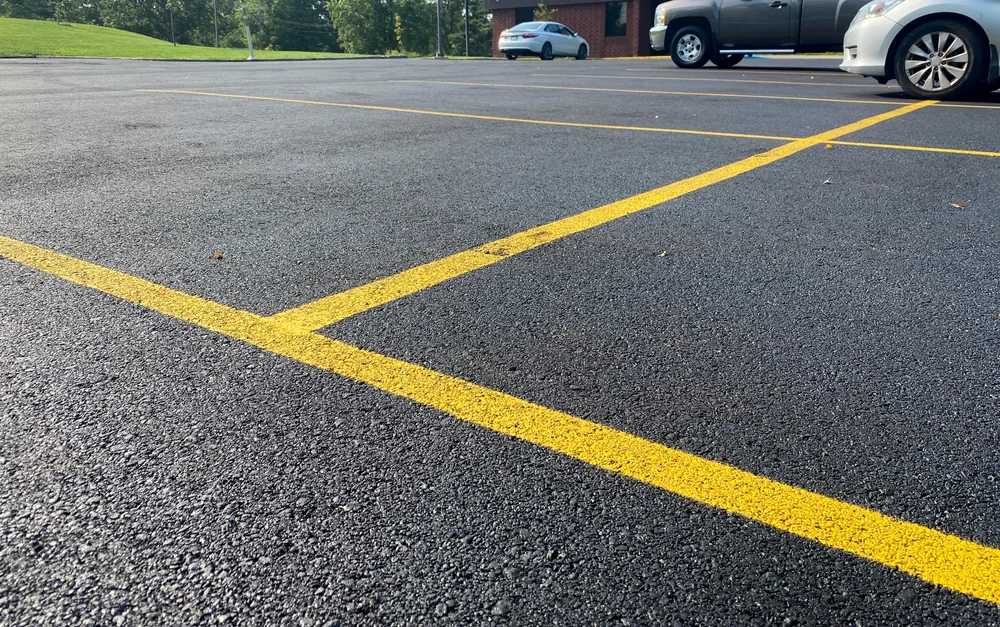
First, the site gets evaluated. That means checking drainage, looking at the existing surface, and figuring out what prep work is actually needed. If your lot has standing water or soft spots, those get addressed before any asphalt goes down. Skipping this step is how you end up with a parking lot that fails in two years.
Next comes the base work. If the existing asphalt is damaged or unstable, it gets removed down to the subgrade. The base layer is checked, compacted, and graded properly so water drains away from the surface. If there’s alligator cracking or drainage issues, geotextile fabric may be installed to prevent cracks from reflecting back through the new asphalt. This is the stuff that separates a $150,000 parking lot that lasts from one that looks the same as it did before you paid for it.
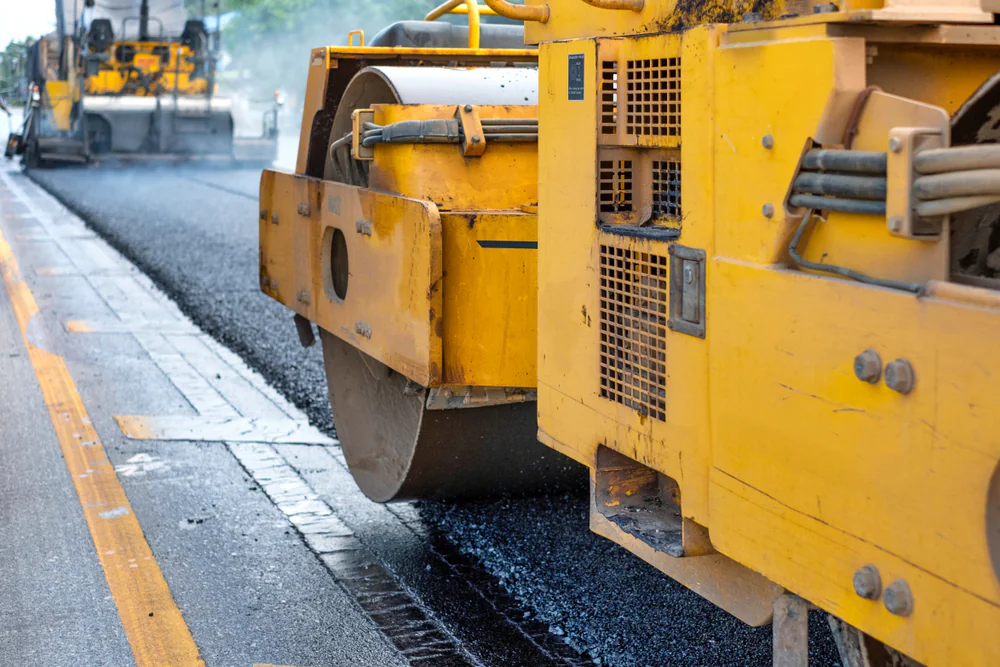
Then the asphalt gets installed. Hot-mix asphalt—NJDOT-approved for commercial use, not the cheaper driveway mix—is brought in and laid in passes. We use laser-guided equipment to maintain consistent thickness and proper slope for drainage. After it’s poured, vibratory rollers compact the surface. That’s the final step in the paving process.
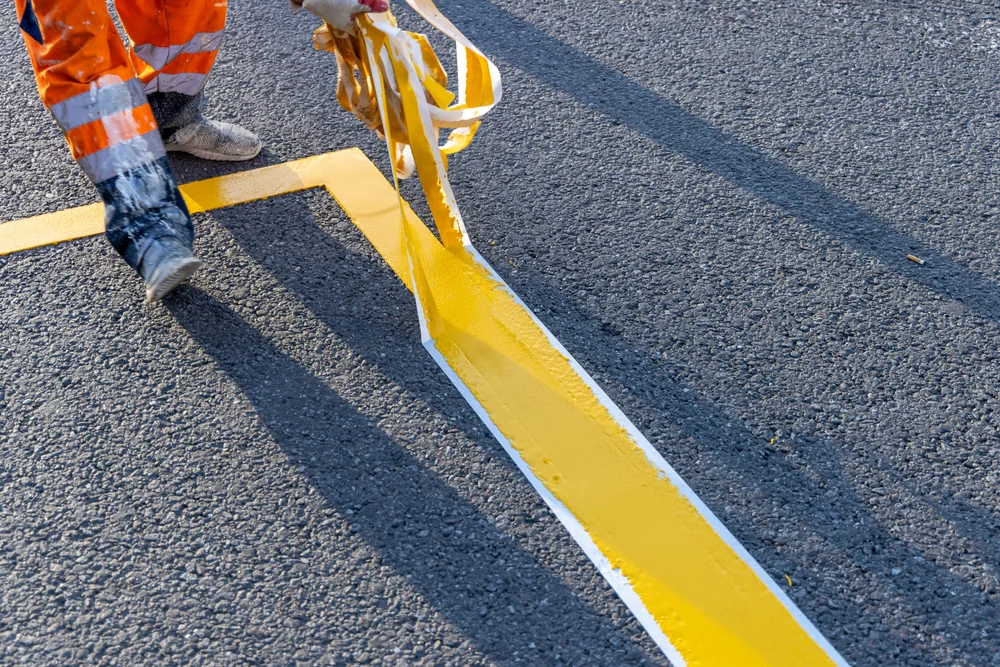
Once the asphalt cures—usually 24 to 48 hours for light traffic—striping goes down. Clean lines, proper spacing, ADA compliance if needed. The lot is ready to handle traffic, weather, and years of use.
Ready to get started?
A quality parking lot paving project in Ewing includes more than just pouring asphalt. It starts with site evaluation and proper permits. Utilities get marked so no one hits a gas line. Existing pavement gets milled or removed if it’s damaged. The base gets stabilized and graded for drainage—critical in New Jersey where freeze-thaw cycles destroy poorly prepped lots.
Drainage correction is often necessary in Ewing and throughout Mercer County. If your lot has puddles or standing water, a leveling course gets installed to fix low spots. Profile milling can manipulate the grade to promote positive drainage. These aren’t upsells—they’re the difference between a parking lot that lasts and one that deteriorates fast.
The asphalt itself matters too. We use NJDOT I-5 mix for commercial parking lots—the proper material for the job, not a cheaper driveway blend. After installation, the surface is compacted with vibratory rollers to ensure density and durability. Striping, curbing, and any necessary concrete work get completed once the asphalt cures.
In Ewing, where winters are harsh and summers are humid, proper installation isn’t optional. Water infiltration from poor drainage causes potholes. Skipping fabric over cracked areas means those cracks reflect back through your new surface at about an inch per year. Two years later, you’re looking at the same problems you paid to fix. We handle the details that prevent those issues so your investment actually performs.
Commercial parking lot paving in New Jersey typically runs between $2 and $7 per square foot, depending on what your lot actually needs. If you’re just resurfacing over stable pavement, you’re looking at the lower end—around $2 to $4 per square foot. Full-depth reconstruction or new construction pushes costs higher, closer to $3.50 to $7 per square foot.
Here’s what drives the price: milling (if your lot needs the top layer ground off), drainage correction (fixing puddles and standing water), base repair (addressing soft or unstable areas), and the size of your project. Larger lots cost less per square foot because the crew’s capacity is better utilized. Smaller lots can cost more per square foot since the same equipment and labor are spread over less area.
If a contractor gives you a rock-bottom price without explaining what’s included, that’s a red flag. Cheap bids often mean shortcuts—skipping fabric over cracked areas, using driveway mix instead of commercial-grade asphalt, or ignoring drainage issues. You’ll pay less upfront and more later when the lot fails. A transparent estimate breaks down milling, fabric, drainage work, and materials so you know exactly what you’re getting.
Most parking lots in Ewing can be paved in one to three days, depending on size and complexity. A small lot might be done in a day. A larger commercial property with extensive prep work—milling, drainage correction, base repair—could take longer.
The timeline also depends on weather. Asphalt needs warm temperatures to set properly, so spring and early summer are ideal in New Jersey. Rain delays paving because you can’t lay asphalt on wet surfaces. If the ground is saturated, you’ll need to wait at least 24 hours after a storm before work can start.
After the asphalt is installed, it needs time to cure. Light traffic can usually resume after 24 hours, but it’s better to wait 48 hours before allowing heavy vehicles. Full curing takes a few weeks, depending on conditions. Striping happens once the surface is ready—usually within a few days of paving.
If your property is busy and downtime is a concern, talk to us about phasing the project. Some lots can be paved in sections so parts remain open while others are worked on. That extends the overall timeline but minimizes disruption to your business.
The most common reason parking lots fail fast is because the contractor skipped proper prep work. If you pave over damaged asphalt—alligator cracking, large cracks, soft spots—those same issues will reflect back through the new surface. It happens at a rate of about an inch per year. So if you install a two-inch overlay without addressing the cracks underneath, you’ll see them again in two years. You just spent $100,000 or more and your lot looks the same as it did before.
Drainage is the other big culprit. If water isn’t directed away from the surface, it seeps into the base and causes potholes. New Jersey’s freeze-thaw cycles make this worse—water gets in, freezes, expands, and breaks apart the pavement. If your contractor didn’t grade the lot properly or install drainage solutions, you’ll deal with standing water, potholes, and accelerated deterioration.
Using the wrong materials is another issue. Some contractors use cheaper driveway mix instead of NJDOT-approved commercial asphalt to keep their bid low. That mix isn’t designed for heavy traffic or harsh weather. It wears out faster and doesn’t hold up to the conditions in Ewing.
The fix is working with a contractor who doesn’t cut corners. That means installing geotextile fabric over cracked areas (proven to reduce reflective cracking by 80 percent), addressing drainage before paving, using proper commercial-grade asphalt, and compacting the surface correctly. Those steps cost more upfront but save you from repaving in a few years.
It depends on the condition of your existing pavement and base. If your parking lot has minor surface issues—some cracking, wear, fading—but the base is solid and drainage is functional, resurfacing (also called an overlay) is usually the more cost-effective option. You’d mill off the top layer, address any specific problem areas, and install a new layer of asphalt over the existing surface.
If your lot has major structural problems—widespread alligator cracking, potholes, soft spots, base failure, or severe drainage issues—resurfacing won’t fix it. You’re just covering up problems that will come back quickly. In that case, full-depth reconstruction is the right move. The existing pavement gets removed down to the subgrade, the base gets rebuilt and stabilized, drainage gets corrected, and new asphalt is installed properly.
An experienced contractor can assess your lot and tell you which approach makes sense. If someone tries to sell you a full tearout when your base is fine, or if they want to overlay a failing lot without addressing the underlying issues, that’s a sign to get a second opinion. The right answer depends on your specific situation—not what’s easiest for the contractor or what keeps the bid low.
Resurfacing typically costs $2 to $4 per square foot in New Jersey. Full reconstruction runs $3.50 to $7 per square foot. The price difference is significant, but so is the lifespan. A proper reconstruction on a failing lot will outlast a cheap overlay by decades.
Start by looking at their track record. How long have they been in business? Do they have verifiable reviews from actual customers—on platforms like Angie’s List or Google, not just testimonials on their website? A contractor who’s been around for decades and has a consistent reputation for quality is a safer bet than someone who just started or has no online presence.
Ask about their process. A good contractor will explain what prep work your lot needs, why it’s necessary, and what materials they use. If they gloss over details or push you toward the cheapest option without discussing drainage, base stability, or proper materials, that’s a red flag. You want someone who’s transparent about what’s included in the estimate and what could add to the cost.
Check if they use NJDOT-approved asphalt for commercial jobs. Some contractors use cheaper driveway mix to keep bids low, but that material doesn’t hold up to heavy traffic or New Jersey’s weather. Ask about their approach to drainage, cracking, and base repair. If they’re not addressing those issues, your parking lot won’t last.
Get everything in writing. The contract should outline the full scope of work—milling, fabric installation, drainage correction, materials, thickness, striping, timeline, and total cost. If something’s unclear or missing, ask before you sign. A reputable contractor won’t have a problem spelling out exactly what you’re paying for.
Finally, trust your gut. If a contractor is pushy, vague, or unwilling to answer questions, move on. You’re making a significant investment in your property. Work with someone who treats it that way.
The first thing to understand is that maintenance isn’t optional if you want your parking lot to last. Even a perfectly installed lot will deteriorate without upkeep. The good news is that regular maintenance is far cheaper than repaving and can extend your lot’s lifespan from 15 years to 25 years or more.
Sealcoating is one of the most cost-effective maintenance steps. It’s typically done three to six months after paving, then every two to three years after that. Sealcoating protects the asphalt from water, UV damage, and chemicals like oil and gasoline. It also keeps the surface looking clean and well-maintained, which matters for curb appeal.
Crack sealing should be done annually, especially before winter. New Jersey’s freeze-thaw cycles are brutal on asphalt. Water gets into cracks, freezes, expands, and breaks apart the pavement. Hot-rubberized crack sealant prevents water infiltration and can add 10 to 15 years to your lot’s lifespan when done as part of a preventative maintenance plan.
Potholes need to be repaired as soon as they appear. Leaving them open allows more water to get underneath the pavement, which accelerates deterioration and can cause your entire lot to fail. Pothole repair is quick and affordable if you address it early.
Keep your lot clean. Debris, dirt, and standing water contribute to surface damage over time. Make sure drains and catch basins are clear so water flows off the lot properly. If you notice pooling or drainage issues, address them before they cause bigger problems.
A proactive maintenance plan—sealcoating, crack sealing, pothole repair, and keeping drainage clear—will save you thousands compared to letting your lot deteriorate and needing a full overlay or reconstruction. It’s not exciting, but it’s the smartest investment you can make after paving.
Other Services we provide in Ewing