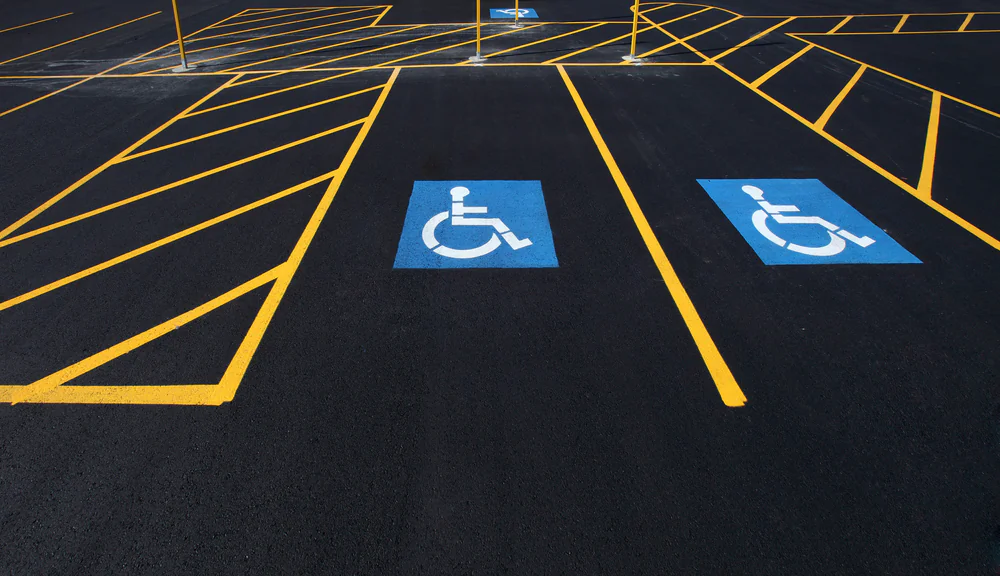
You stop worrying about liability from potholes. Customers pull in and see a business that takes care of details. Water drains where it should instead of pooling near entrances or creating ice hazards during Hightstown winters.
Your maintenance costs drop because the foundation was done right from day one. No premature cracking from shortcuts on base prep. No settling from improper compaction. Just a smooth, durable surface that holds up to the traffic you actually get—not what some estimator guessed at.
Whether you’re paving a new commercial lot, resurfacing an existing one, or finally fixing that residential driveway that’s been an eyesore for years, the outcome is the same. You get years of reliable performance without the constant repairs that come from rushed or cheap work.
We’ve been in the paving business since 1948. That’s not a marketing line—it’s three generations of learning what actually works on Hightstown properties and what fails after the first winter.
We handle everything from residential driveways to complex commercial and industrial projects across Mercer County. One crew. One job at a time. That means when we’re on your site, we’re not splitting attention between three other projects or rushing to the next one.
You get the same level of care whether you’re paving a small driveway or a 50-space commercial lot. Transparent pricing. Clear timelines. Honest assessments about whether you actually need full replacement or if resurfacing will do the job. That approach has earned us five-star reviews and repeat clients who know they can trust what they’re told.
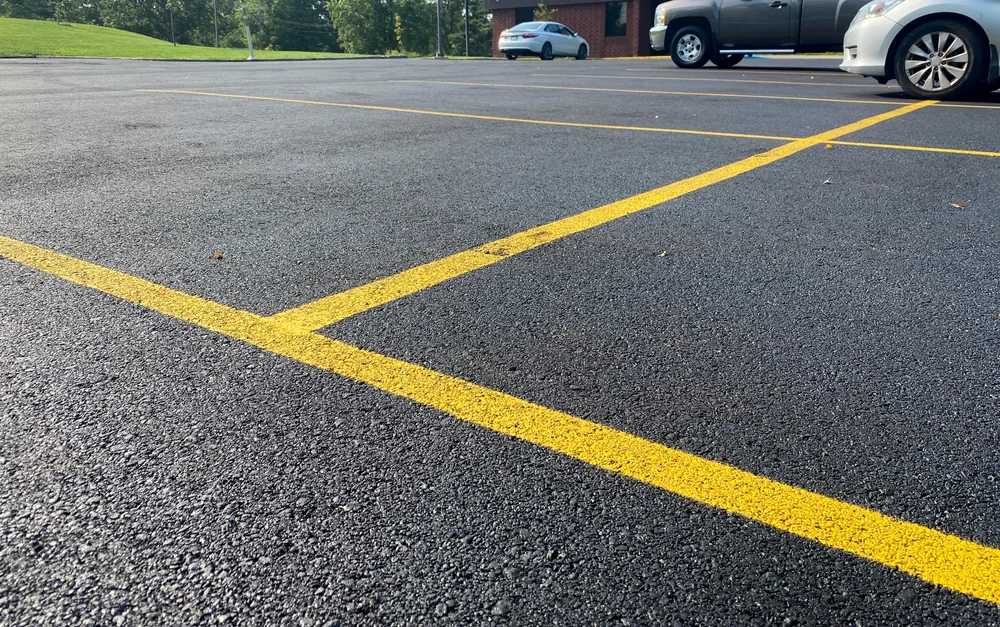
First, we evaluate the site for drainage, grade, and base conditions. Not a quick glance—an actual assessment of what your property needs to handle water runoff and traffic load. If there are drainage issues that’ll undermine the asphalt, you’ll know before any work starts.
Next comes site preparation and grading. This is where most problems get prevented or guaranteed. Proper base depth. Correct slope for water management. Compaction that won’t settle and crack in six months. The foundation determines how long your parking lot lasts, so this step gets done right.
Then the asphalt goes down at the proper thickness for your specific use. Residential driveways don’t need the same depth as a commercial parking lot with delivery trucks. Commercial paving gets spec’d for the actual traffic it’ll see. Everything gets compacted correctly, edges are finished clean, and the surface is smooth and even.
You’re kept informed at every stage. No surprises. No “we found something that’ll cost extra” unless it’s genuinely unexpected. Just clear communication about what’s happening and when you can use your new parking lot or driveway.
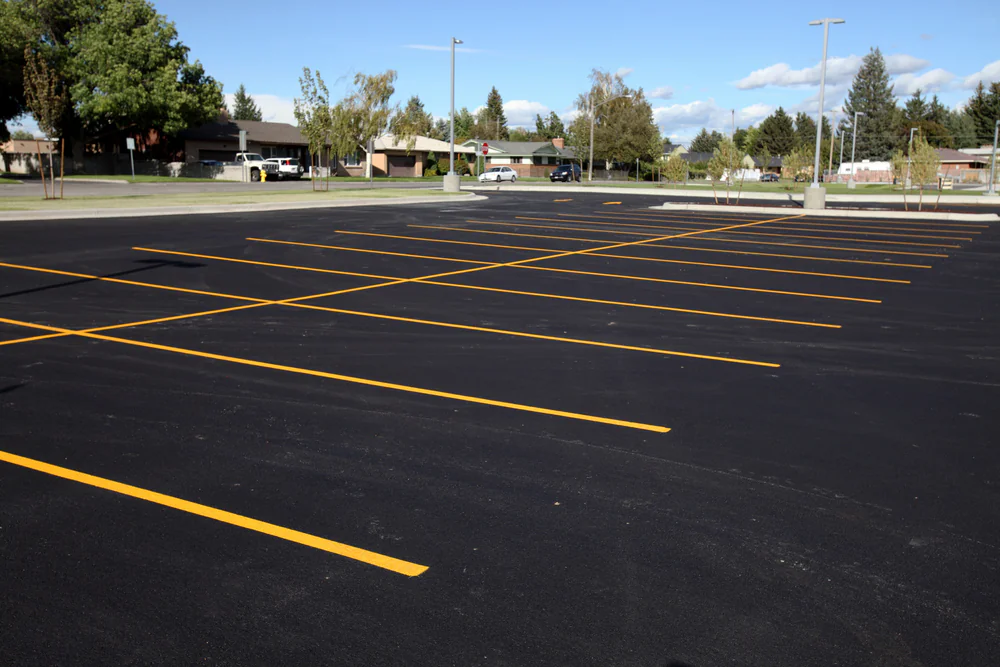
Ready to get started?
You get a complete paving installation, not just asphalt dumped on existing ground. That includes proper excavation and grading to establish correct drainage patterns. Base material installation and compaction to create a stable foundation. Asphalt application at the right thickness for your property’s needs—whether that’s a residential driveway or a commercial parking lot that sees heavy traffic.
In Hightstown and throughout Mercer County, properties face freeze-thaw cycles that destroy poorly installed pavement. Water gets in cracks, freezes, expands, and turns small issues into major failures. Proper installation accounts for this. Drainage gets planned so water moves away from the surface instead of pooling. Base preparation prevents the shifting that creates those cracks in the first place.
For commercial properties, you also get planning around business operations. Staging that minimizes disruption. Clear timelines so you can plan around reduced parking availability. Professional execution that doesn’t leave your lot torn up longer than necessary.
Residential clients get the same attention to detail. Driveway paving that considers how water runs off your property. Solutions for problem areas where previous pavement failed. Honest conversations about whether you need full replacement or if a quality resurfacing will give you another decade of service. The goal is finding what actually works for your property and budget—not upselling the most expensive option.
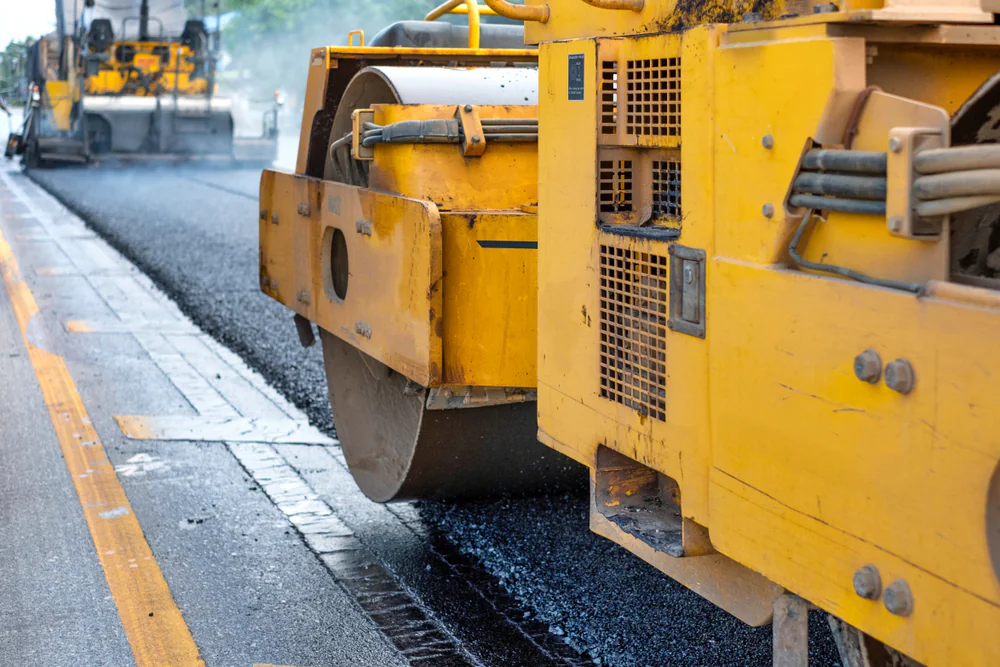
Most residential driveways take one to three days depending on size and site conditions. You’re looking at excavation and base work on day one, asphalt installation on day two, and sometimes a third day if there are complexities with drainage or grading.
Commercial parking lots vary more based on size and staging requirements. A small business lot might take three to five days. Larger commercial projects can run one to two weeks, especially if you’re phasing the work to keep part of the lot accessible during business hours.
Weather affects timelines. Asphalt needs certain temperature conditions to install properly, so cold or rainy periods can push schedules back. You’ll get realistic timelines upfront and updates if conditions change. The focus is on doing it right, not rushing to hit an arbitrary deadline and compromising quality.
Resurfacing means the existing base is solid but the surface layer is worn or damaged. The old asphalt gets milled down or prepped, then a new layer goes on top. This works when drainage is good and there’s no structural failure in the base. It’s less expensive and faster than full replacement.
Full replacement means excavating everything down to dirt, rebuilding the base, and installing new asphalt. You need this when there are drainage problems, base failure, or significant structural issues. If water pools, pavement has sunk in areas, or you see extensive alligator cracking, the base has likely failed and resurfacing won’t fix it.
Some contractors push full replacement when resurfacing would work fine because it’s a bigger job. Others try to resurface when the base is shot, which just wastes your money because it’ll fail again quickly. An honest assessment looks at actual conditions—drainage patterns, base stability, and failure type—to recommend what’ll actually hold up. That’s what you get with an experienced asphalt contractor who’s been doing this for decades, not someone trying to maximize the invoice.
Watch where water goes after rain. It should flow toward edges or designated drainage points, not pool in the middle of your lot or near entrances. If you see standing water more than a few hours after rain stops, drainage is inadequate.
Ice formation in winter tells you a lot too. Consistent icy patches in the same spots mean water is pooling there, freezing, and creating liability issues. That’s a drainage problem that’ll also destroy your pavement through freeze-thaw cycles. Water gets in, freezes, expands, and cracks the asphalt.
Proper drainage gets planned during installation. The lot needs correct slope—usually one to two percent grade toward drainage points. Sometimes catch basins or other water management solutions are needed. If your property has challenging topography or heavy water flow, this gets more complex. An experienced paving contractor evaluates these factors before work starts and designs solutions that actually move water off your pavement. That planning is the difference between a parking lot that lasts fifteen years and one that needs major repairs in five.
Most commercial parking lots need two to three inches of compacted asphalt over a proper base. Light commercial use—think professional offices with car traffic only—can often work with two inches. Heavier commercial use with delivery trucks or frequent heavy vehicles needs three inches or more.
The base matters as much as the asphalt thickness. You typically need six to eight inches of compacted aggregate base under the asphalt for commercial applications. This provides the structural support that keeps pavement from settling or failing under load. Skimp on base depth to save money and you’ll pay for it in premature failure.
Residential driveways are different. They usually need two inches of asphalt over four to six inches of base because they see lighter loads. But if you park work trucks or heavy vehicles, you might need commercial specs even for residential paving. The right answer depends on your actual use, not generic recommendations. A qualified asphalt paving contractor evaluates your specific situation—traffic type, soil conditions, and intended use—to spec the job correctly. That’s why experience matters. Someone who’s installed thousands of parking lots knows what holds up and what fails.
You can typically drive on new asphalt within 24 to 48 hours after installation. It’s cured enough for vehicle traffic at that point. But full curing takes longer—asphalt continues hardening for several months as oils evaporate and the material fully sets.
Avoid heavy loads or sharp turns for the first few days if possible. The surface is more susceptible to scuffing or marking during initial cure. For commercial parking lots, that might mean limiting delivery trucks for a day or two. For residential driveways, it means being careful with heavy vehicles or sharp steering right away.
Temperature affects cure time. Hot weather accelerates it. Cool weather slows it down. You’ll get specific guidance based on actual conditions when your paving is done. We give you clear instructions about when normal use is fine and what to avoid during early cure. Most businesses can resume normal operations within a couple days with proper planning. The key is not rushing use before the asphalt has cured enough to handle your traffic without damage.
Seal coating every two to four years is the main maintenance task. It protects asphalt from oxidation, water penetration, and UV damage. This extends pavement life significantly—often adding years before resurfacing is needed. The timing depends on traffic level and weather exposure.
Crack filling should happen as soon as cracks appear. Small cracks turn into big problems fast when water gets in and freezes. Catching them early is cheap. Ignoring them leads to expensive repairs later. A quick crack filling visit every year or two prevents much bigger headaches.
Keep the surface clean and watch for drainage issues. Debris can trap water. Oil and chemical spills should get cleaned up promptly because they break down asphalt. If you notice water starting to pool where it didn’t before, address it before it causes structural damage. Good maintenance is mostly about paying attention and handling small issues before they become major failures. That approach gives you decades of service from properly installed parking lot paving instead of constant repair cycles from neglect.
Other Services we provide in Hightstown