You get a parking lot that doesn’t crack apart in two winters. You get a surface that drains properly instead of pooling water every time it rains. You get asphalt that looks professional and holds up under daily use—whether that’s a handful of cars at your home or a full commercial lot handling delivery trucks and customer traffic all day.
The difference between asphalt that lasts 10 years and asphalt that lasts 20 comes down to how it’s installed. Base preparation matters. Drainage matters. Using the right materials for New Jersey’s freeze-thaw cycles matters.
When you’re comparing contractors, you’re not just comparing prices. You’re comparing what happens five years from now when everyone else’s work is falling apart and yours still looks solid.
We bring expertise that goes back to 1948. That’s not a marketing line—it’s decades of hands-on experience passed down through family and applied to every residential driveway, commercial parking lot, and industrial project we take on.
Our approach is straightforward: one job at a time, full crew attention, and treating every client the same whether it’s a small residential driveway or a large commercial facility. We’re involved in every project, which means the work gets done to the standard you were promised—not whatever a subcontractor felt like doing that day.
Robbinsville has grown into a major commercial hub with over 10 million square feet of warehouse space and major employers like Amazon and McKesson. That kind of growth means parking lots see serious wear, and property managers need contractors who understand both the technical demands and the need to minimize disruption to daily operations.
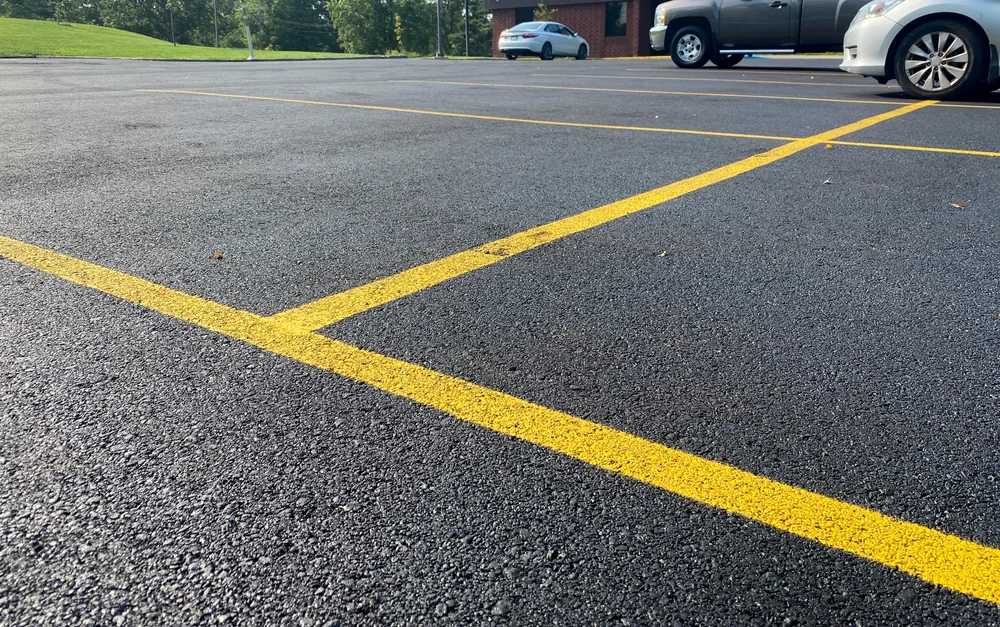
First, the site gets evaluated. That means looking at drainage, grading, the existing base if there is one, and any issues that need addressing before new asphalt goes down. If water’s been pooling or cracks keep coming back, that gets identified now—not after you’ve paid for a surface that’ll fail in three years.
Next comes site preparation. Old asphalt gets removed if needed. The base gets properly graded and compacted. This is where most shortcuts happen with other contractors, and it’s also where most future problems start. We don’t skip this step.
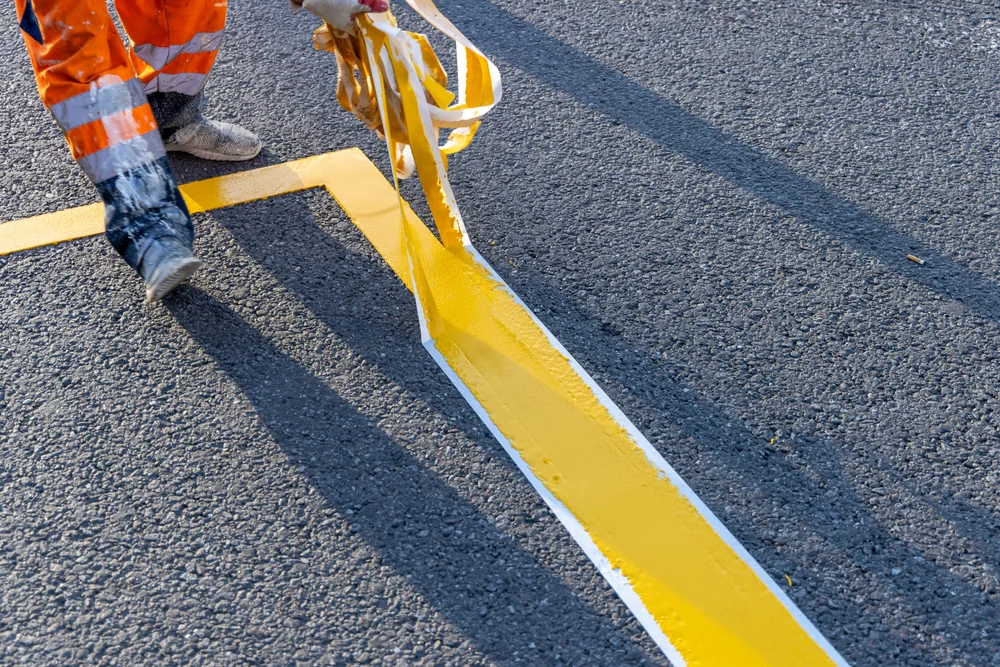
Then the asphalt gets installed at the right depth for your specific use—commercial lots handling heavy traffic need different specs than residential driveways. The surface gets compacted properly, edges get sealed, and if you need striping or other finishing work, that gets scheduled once the asphalt has cured.
You’ll know the timeline upfront. You’ll get updates as the work progresses. And if something comes up that changes the plan, you’ll hear about it directly—not find out when the crew doesn’t show up.
Ready to get started?
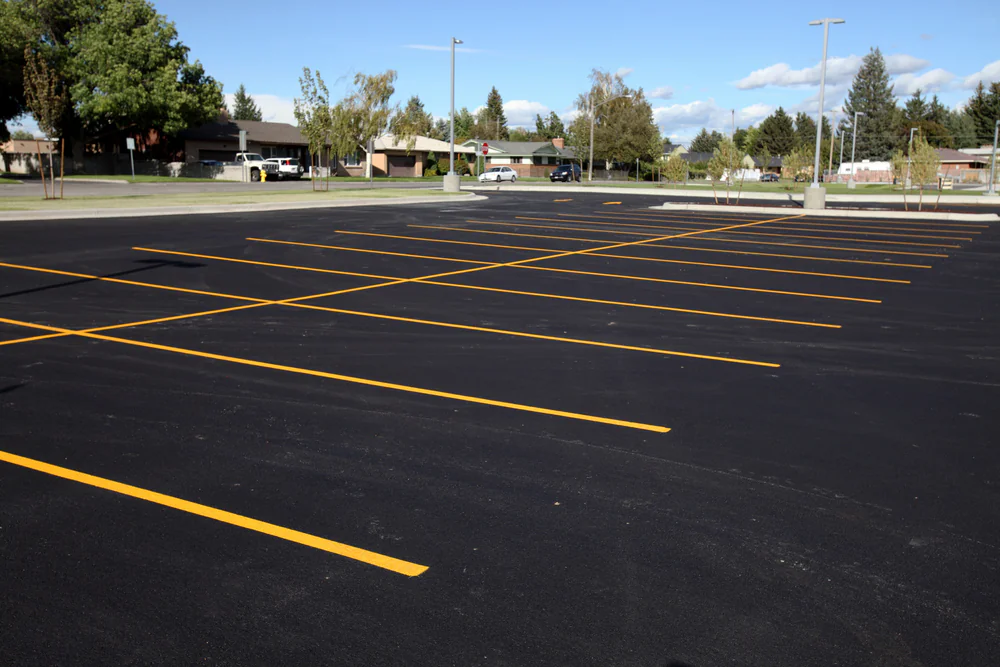
Professional parking lot paving in Robbinsville means more than just laying down asphalt. It includes proper site assessment, base preparation, grading for drainage, quality materials suited to New Jersey’s climate, and installation by a crew that’s focused on your project—not splitting time between three other jobs.
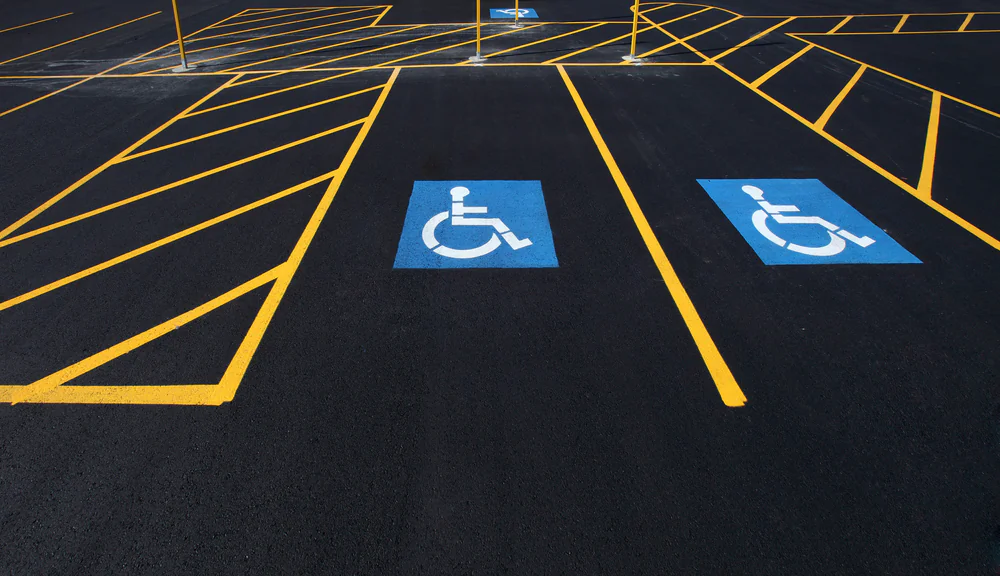
For commercial properties in Robbinsville’s growing business districts like Washington Town Center or Matrix Business Park, that also means understanding ADA compliance, coordinating around business hours to minimize disruption, and building surfaces that can handle the daily wear from delivery trucks, employee vehicles, and customer traffic. Robbinsville’s location near the NJ Turnpike and I-195 means properties here see heavy use, and the asphalt needs to be installed accordingly.
Residential paving in Robbinsville gets the same level of attention. Your driveway might be smaller than a commercial lot, but it still needs proper drainage, a solid base, and materials that hold up through New Jersey’s temperature swings. The same crew, same standards, same commitment to doing it right.
Water management is critical in this area. Improper drainage is the fastest way to destroy asphalt in New Jersey’s climate. When water seeps into cracks and freezes, it expands and breaks apart the surface. We address drainage from the start, which is why our work lasts while others’ fails.
With proper installation and regular maintenance, you’re looking at 15 to 25 years for a well-built asphalt parking lot in New Jersey. Commercial lots with heavier traffic typically fall on the shorter end of that range—around 12 to 15 years—while residential driveways can push 20 years or more if they’re maintained correctly.
The key word there is “proper installation.” A lot of parking lots fail early not because asphalt is a bad material, but because the base wasn’t prepared right, drainage wasn’t addressed, or the contractor cut corners on compaction. When water gets under the surface and freezes during New Jersey winters, it destroys asphalt from below. You won’t see it happening until cracks appear, and by then you’re looking at expensive repairs.
Regular maintenance extends that lifespan significantly. Sealcoating every few years, filling cracks when they’re small, and addressing drainage issues before they become major problems—that’s what gets you to 20 or 25 years instead of needing a full repave at year 10.
It starts with site evaluation and planning. The existing surface gets assessed, drainage patterns get mapped out, and any underlying issues get identified. If you’ve got an old parking lot with failing sections, those areas get marked so the base can be properly rebuilt—not just paved over.
Next comes demolition and excavation if you’re replacing an existing lot. Old asphalt gets removed, and the subgrade gets prepared. This is the most important phase that most people never see. The base has to be properly graded for drainage and compacted to the right density, or everything that goes on top will eventually fail. For commercial lots in Robbinsville handling heavy truck traffic, this step is non-negotiable.
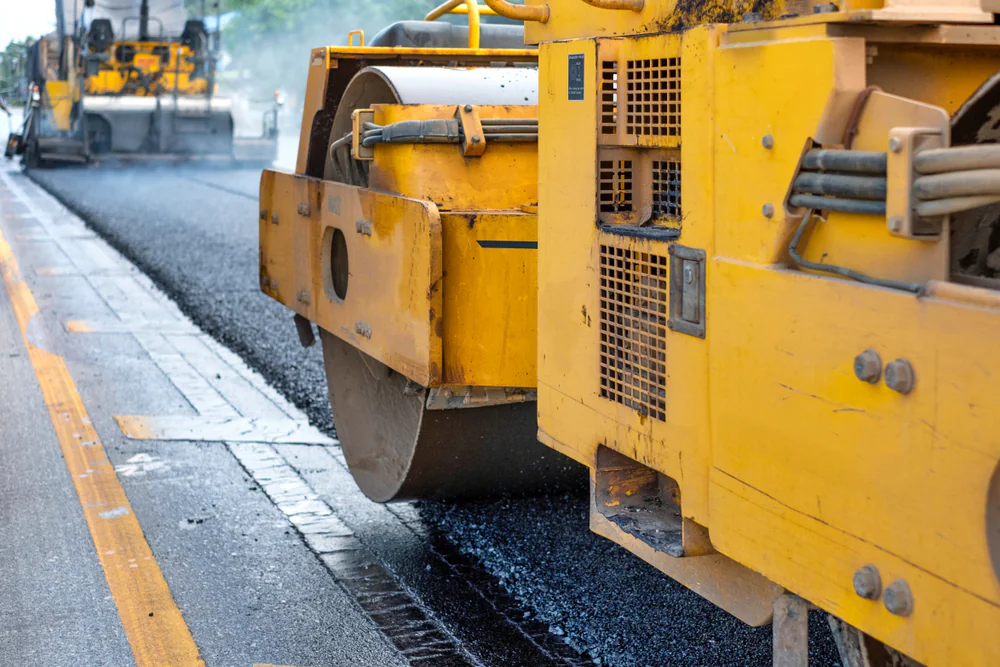
Then the asphalt gets installed in layers—typically a base course for structural support and a top course for the finished surface. Each layer gets compacted with heavy rollers while it’s still hot. Edges get sealed, transitions to existing pavement get properly joined, and once the asphalt has cured for a day or two, striping and final touches get completed. The timeline depends on the size of your lot and weather conditions, but you’ll know the schedule upfront and get updates if anything changes.
Commercial parking lot paving in New Jersey typically runs between $2 and $7 per square foot, depending on the project specifics. That’s a wide range because a lot of factors affect the final price—size of the lot, condition of the existing base, drainage work needed, thickness of asphalt required for your traffic levels, and site access for equipment.
Larger projects usually come in at a lower per-square-foot cost because of economies of scale. A 50,000 square foot parking lot will have a better rate than a 5,000 square foot lot simply because the crew and equipment costs get spread over more area. But if that large lot has to be paved in sections to keep your business operational, you’re looking at additional mobilization costs for bringing equipment back multiple times.
The real question isn’t just cost—it’s value. Paying $3 per square foot for asphalt that fails in five years costs you way more in the long run than paying $5 per square foot for a properly built lot that lasts 20 years. When you’re getting quotes, ask about base preparation, drainage solutions, asphalt thickness, and what’s actually included. The lowest bid usually means corners are getting cut somewhere, and you’ll pay for it later in repairs.
Sealcoating is the big one. For commercial parking lots in Robbinsville, you’re looking at sealcoating every one to two years. Residential driveways can stretch that to every two to three years. Sealcoating isn’t just cosmetic—it creates a waterproof barrier that prevents water from seeping into the asphalt and protects against UV damage, automotive fluids, and the deicing salts that New Jersey uses heavily in winter.
Crack sealing should happen as soon as you notice cracks forming, regardless of size. Even hairline cracks let water penetrate to the base layer, and once water gets underneath, New Jersey’s freeze-thaw cycles will turn small cracks into major damage fast. Catching them early costs a fraction of what you’ll pay for pothole repairs or resurfacing later.
Beyond that, keep the surface clean. Debris, standing water, and chemical spills all accelerate deterioration. If you’ve got a commercial lot, regular sweeping and prompt cleanup of any automotive fluid spills will extend your pavement’s life. And pay attention to drainage—if water’s pooling anywhere, that’s a problem that needs fixing before it causes structural damage. Regular inspections catch small issues before they become expensive ones, which is why property managers who stay on top of maintenance get decades out of their parking lots while others are repaving every 10 years.
Nine times out of ten, it’s because the base wasn’t prepared correctly. Asphalt is only as good as what’s underneath it. If the subgrade isn’t properly compacted, if drainage wasn’t addressed, or if the base layer is too thin for the traffic load, the asphalt will crack and fail no matter how good the top surface looks initially.
Water is the other major culprit, especially in New Jersey. When water seeps through cracks or poor joints and reaches the base layer, it weakens the foundation. Then winter comes, that water freezes and expands, and the asphalt gets pushed up and broken apart from below. By the time you see the damage on the surface—potholes, alligator cracking, sunken sections—the underlying problem has been developing for months or years.
The third reason is simply poor installation. Asphalt has to be installed at the right temperature, compacted properly while it’s still hot, and applied at the correct thickness for the intended use. Contractors who rush through jobs, spread asphalt too thin to save money, or don’t compact it adequately are setting you up for premature failure. That’s why choosing a contractor based on the lowest bid often backfires—you get exactly what you paid for, and then you pay again in a few years to fix it. Proper installation costs more upfront but saves you significantly over the life of the pavement.
New asphalt installation generally needs to wait for warmer weather. Asphalt has to be installed and compacted while it’s hot, and it needs ambient temperatures above 50 degrees Fahrenheit to cure properly. When it’s too cold, the asphalt cools too quickly, won’t compact correctly, and you end up with a surface that’s prone to early failure.
That said, certain repairs can be done year-round using specialized techniques like infrared asphalt repair. This technology heats the existing asphalt to make it workable even in cold weather, allowing for pothole patching and small repairs when you can’t wait until spring. It’s not ideal for large-scale paving projects, but it’s a solution when you’ve got a safety hazard that needs immediate attention.
The best time for parking lot paving in New Jersey is late spring through early fall—roughly May through September. Temperatures are consistently warm, rain is less frequent, and the asphalt has optimal conditions to cure properly. If you’re planning a commercial paving project, scheduling it during this window means better results and fewer weather-related delays. For sealcoating specifically, you need at least 24 hours of dry weather and temperatures above 50 degrees, which is why contractors’ calendars fill up fast during peak season. Planning ahead and booking early gets you the timeline you want instead of whatever’s left at the end of summer.
Other Services we provide in Robbinsville