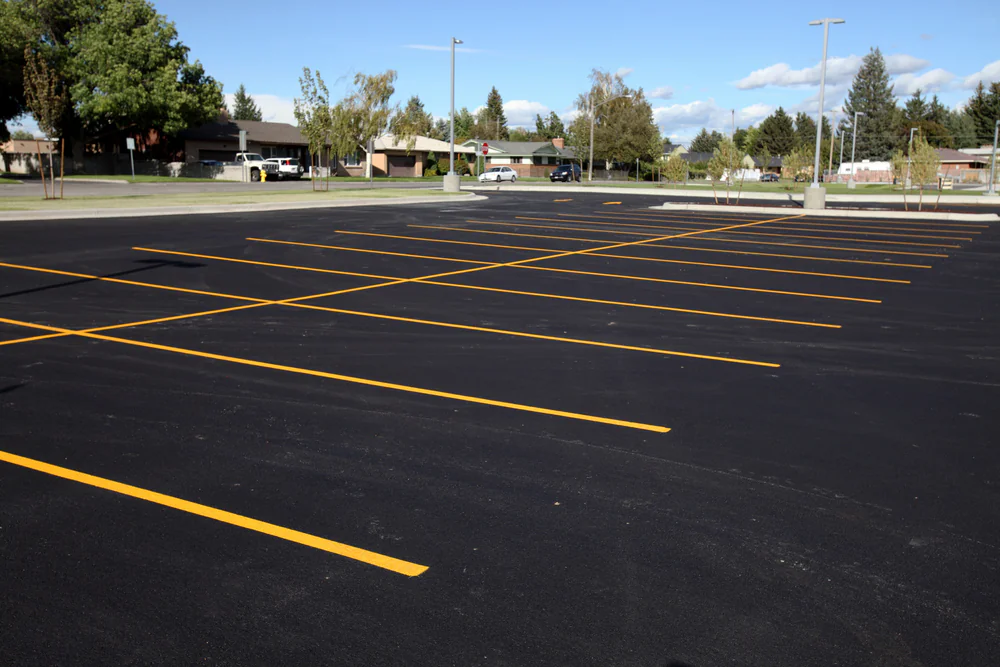
You get a parking lot that handles daily traffic without cracking under pressure. No more apologizing to customers about potholes or worrying about liability issues from uneven surfaces.
Your maintenance headaches disappear. Proper drainage means no more standing water that freezes and expands every winter. Quality materials and installation techniques mean fewer repairs and longer intervals between major work.
Most importantly, you get peace of mind. Clear communication throughout the project, realistic timelines you can count on, and work that meets commercial standards the first time.
We’ve been handling paving projects in the Washington Crossing area since 1948. That’s three generations of learning what works in New Jersey’s climate and what doesn’t.
We focus on one project at a time. While other contractors juggle multiple jobs and split their attention, our crew dedicates full focus to your site until it’s complete.
Local property owners consistently rate us five stars on Angie’s List. Our approach is straightforward: treat every client like the most important client, communicate clearly about what’s happening when, and deliver work that holds up to New Jersey winters.
First, we assess your specific site conditions. Soil composition, drainage patterns, expected traffic loads, and existing surface issues all factor into the approach. You get a detailed explanation of what needs to happen and realistic timelines.
Next comes proper preparation. This means excavation to the right depth, proper base material installation, and grading that directs water away from your building. Shortcuts here cause problems later, so we don’t take them.
Finally, asphalt installation using materials suited to your traffic patterns. Commercial lots get heavier-duty specifications than residential driveways. The surface gets compacted properly and allowed to cure before you’re cleared to use it.
Ready to get started?
Your project includes site evaluation, proper excavation, base preparation, and professional-grade asphalt installation. All work meets local code requirements and industry standards for your specific application.
Washington Crossing’s proximity to the Delaware River means dealing with clay soils that expand and contract with moisture changes. We account for these local conditions in the base preparation and drainage design.
You also get transparent communication throughout the process. Project updates, weather delays, and any unexpected site conditions get explained clearly. Senior, military, and first-time customer discounts are available for qualifying projects.
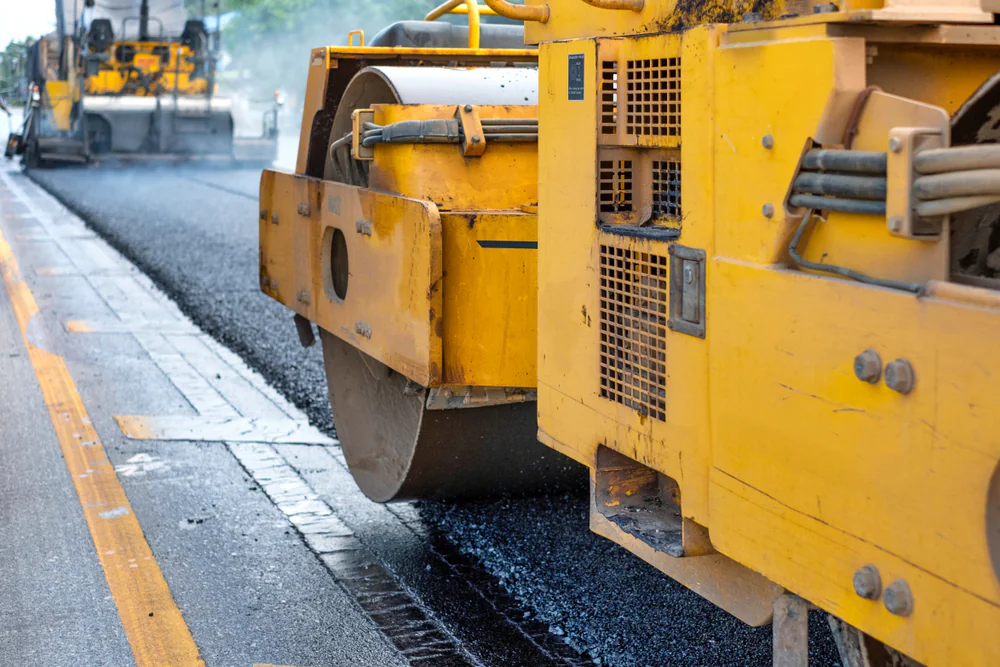
Most commercial parking lots take 3-5 days from start to finish, depending on size and site conditions. Day one typically involves excavation and base preparation. Day two focuses on grading and final base work.
Asphalt installation usually happens on day three, with compaction and finishing work. The surface needs 24-48 hours to cure before vehicle traffic, though foot traffic is possible sooner.
Weather can extend timelines. Rain delays asphalt installation, and temperatures below 50°F affect material performance. We schedule projects during optimal conditions and communicate any weather-related delays immediately.
Commercial parking lots require thicker asphalt layers and heavier base preparation due to increased traffic loads. Residential driveways typically use 2-3 inches of asphalt over 4-6 inches of base material.
Commercial applications often need 3-4 inches of asphalt over 6-8 inches of compacted base. The asphalt mix design also differs, with commercial grades containing larger aggregate and different binder ratios for durability.
Drainage requirements are more stringent for commercial lots. Proper slope and catch basin placement prevent water accumulation that leads to premature failure. These specifications ensure the surface handles delivery trucks, snow plows, and constant traffic without deteriorating quickly.
Proper drainage starts with site evaluation and grading design. Water needs to flow away from buildings and off the paved surface efficiently. This requires creating the right slope during base preparation.
Washington Crossing’s clay soils retain moisture, making drainage even more critical. We install proper base materials that allow water infiltration while maintaining structural integrity. French drains or catch basins are added when necessary.
The final asphalt surface gets graded to direct water toward designated drainage points. Standing water is the enemy of asphalt longevity, so every project includes a drainage plan that works with your property’s natural water flow patterns.
Parking lot paving costs vary significantly based on size, site conditions, and specification requirements. Small commercial lots might range from $15,000-30,000, while larger projects can exceed $100,000.
Factors affecting price include excavation depth required, base material needs, asphalt thickness, and site accessibility. Properties requiring significant drainage work or utility adjustments cost more than straightforward installations.
We provide detailed estimates that break down material, labor, and site-specific costs. The goal is transparency so you understand what you’re paying for. Cheaper bids often mean corners cut on materials or preparation work that leads to premature failure.
Properly installed commercial parking lots typically last 15-25 years with appropriate maintenance. Residential driveways often exceed 20 years when constructed to proper specifications and maintained regularly.
Longevity depends on traffic loads, climate exposure, and maintenance practices. Regular sealcoating every 3-5 years and prompt crack repair extend surface life significantly. Heavy truck traffic or poor drainage reduces lifespan.
New Jersey’s freeze-thaw cycles are particularly hard on asphalt. Water infiltration through cracks expands when frozen, causing progressive damage. Quality installation with proper drainage and regular maintenance minimizes these effects and maximizes your investment’s lifespan.
Yes, we offer ongoing maintenance services including sealcoating, crack repair, and line striping. Maintaining your investment properly is crucial for getting maximum lifespan from the installation.
Sealcoating should happen 6-12 months after initial installation, then every 3-5 years depending on traffic and weather exposure. This protective layer prevents water infiltration and UV damage while refreshing the surface appearance.
Crack repair gets handled promptly to prevent water infiltration that causes base damage. Small cracks are normal as asphalt settles, but addressing them quickly prevents expensive structural repairs later. Regular maintenance costs far less than premature replacement.
Other Services we provide in Washingtoncrossing