You get a parking lot that holds up. One that drains properly when it rains. One that doesn’t crack apart after two winters because the sub-base was rushed or the materials were subpar.
When your parking lot is installed correctly from the ground up, you’re looking at 15 to 20 years of reliable performance. That means fewer repairs, less disruption, and a surface that keeps doing its job season after season. It also means your property looks professional—clean lines, smooth pavement, no potholes embarrassing you in front of customers.
The difference comes down to preparation. Proper grading. Real drainage planning. Quality materials. And a crew that’s not juggling three other jobs while they’re working on yours. That’s what separates a parking lot that lasts from one that starts falling apart before you’ve even finished paying for it.
We’ve been in the paving business since 1948. That’s not a typo. Decades of hands-on experience across residential driveways, commercial parking lots, and industrial projects have taught us what works and what doesn’t.
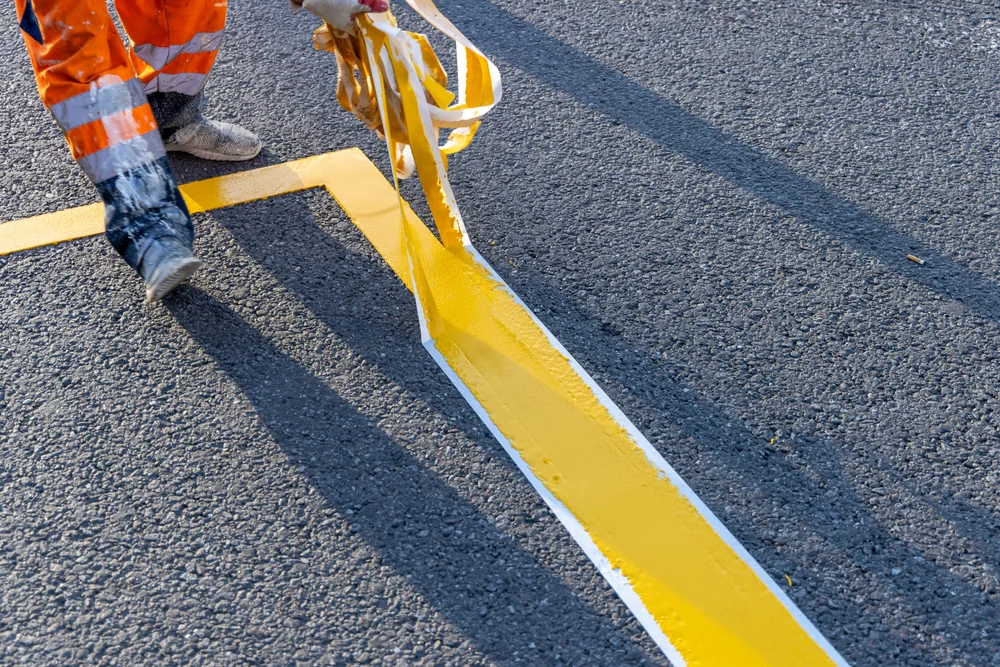
We’re not the crew that shows up, lays asphalt over a bad base, and disappears. We focus on one project at a time, which means your job gets our full attention. Every detail matters—from how the ground is prepped to how the final stripe is painted.
Bedminster property owners deal with real challenges. Freeze-thaw cycles that crack weak pavement. Heavy rain that exposes poor drainage. Customers who notice when your lot looks neglected. We’ve seen it all, and we know how to solve it. Our approach is straightforward: treat every client like they’re the most important one, find solutions that fit the property, and build something that holds up.
First, we assess your property. We look at drainage, measure the area, check for any existing issues, and talk through what you actually need. If there are potential problems—soft soil, utility lines, grading challenges—we tell you upfront, not three weeks into the job when it’s too late.
Next comes site preparation. Any old asphalt gets removed down to the subgrade. If we’re starting fresh, we grade the area and install a properly compacted sub-base. This step is non-negotiable. Pouring asphalt on a weak foundation is like building a house on sand—it’s going to fail, and it’s going to fail fast.
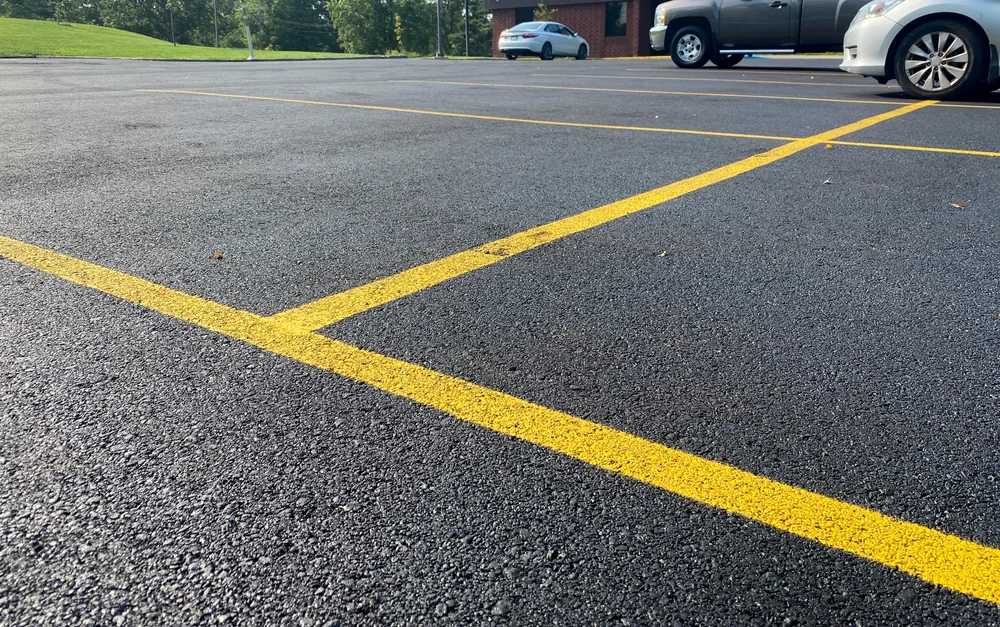
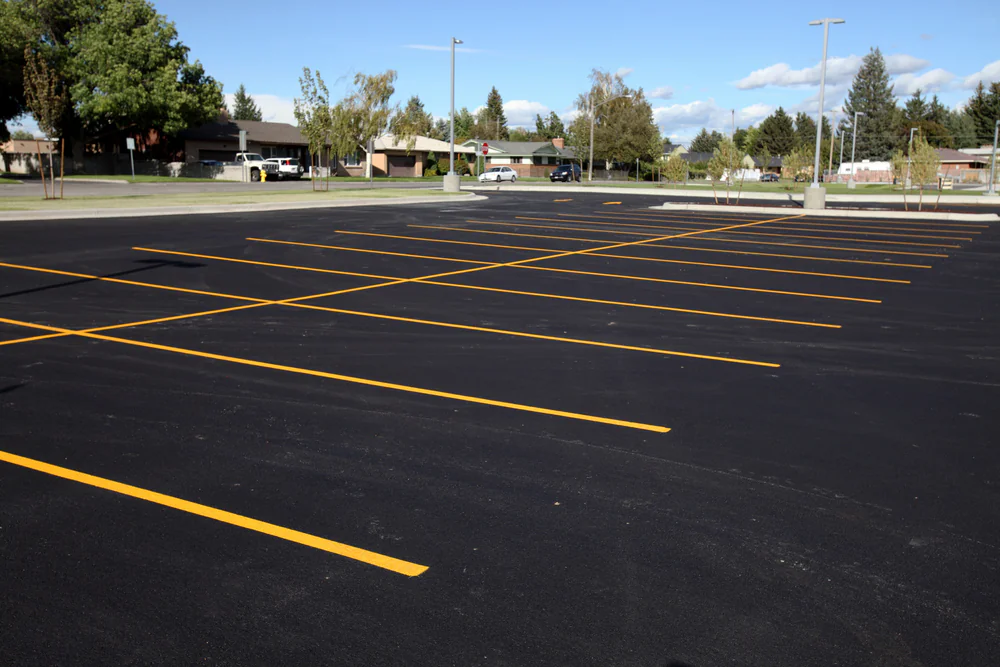
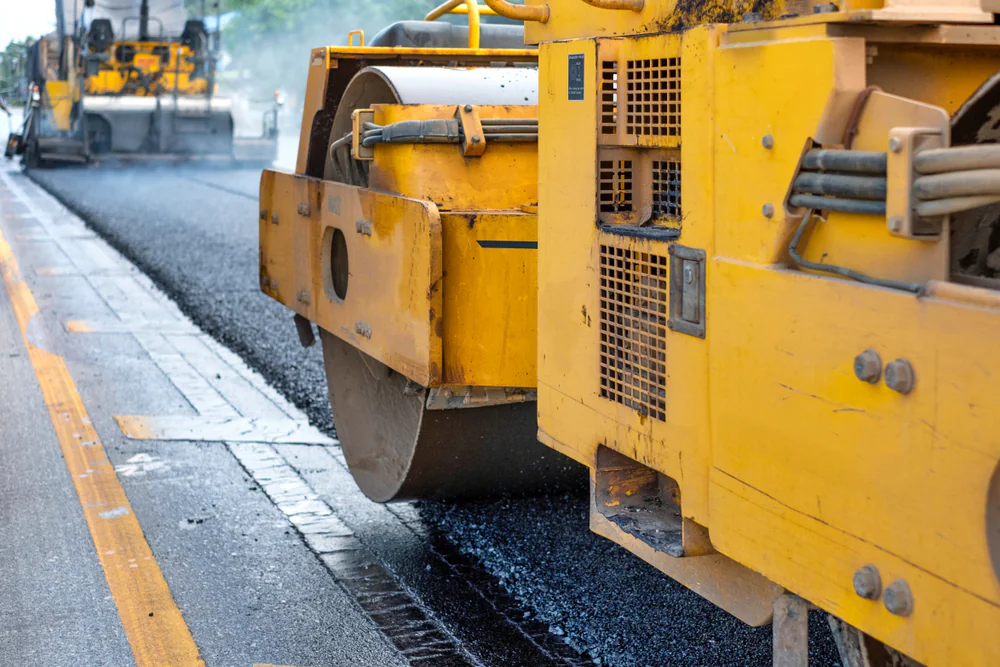
Once the base is solid and drainage is dialed in, we bring in hot-mix asphalt and install it in controlled passes. The material is spread evenly, monitored for proper slope, and compacted with heavy rollers to eliminate air pockets and create a dense, durable surface. After the asphalt cures, we handle striping, markings, and any final touches like curbing or signage. Then it’s ready to use.
Ready to get started?
A quality parking lot paving project includes more than just asphalt. You’re getting proper site evaluation, grading, and sub-base installation. You’re getting drainage solutions designed for your property—not guesswork. You’re getting quality asphalt materials that meet commercial standards, not the cheaper “driveway mix” some contractors use to pad their margins.
In Bedminster, drainage matters. Pennsylvania weather swings from freezing winters to heavy summer storms, and standing water is one of the fastest ways to destroy a parking lot. Water seeps into cracks, freezes, expands, and creates potholes. Proper grading and slope prevent that.
You also get clear communication. We walk you through the process, explain what’s happening at each stage, and flag any issues before they turn into expensive surprises. And because we focus on one job at a time, you’re not competing for attention with two other projects happening simultaneously. When we’re on your site, we’re there to finish your job right.
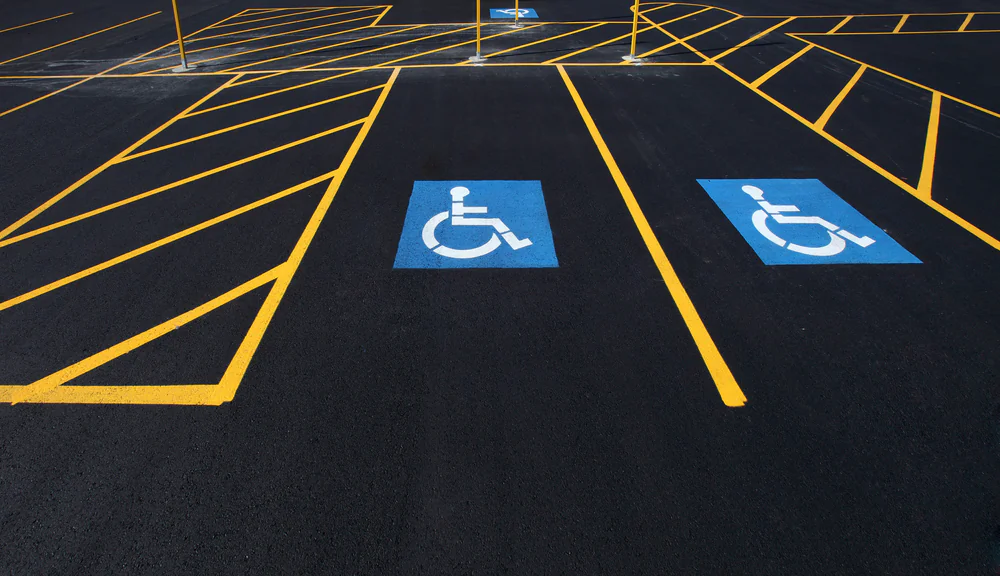
Bedminster properties—whether it’s a commercial plaza, an office building, or a residential driveway—deserve work that reflects well on the owner. That means clean striping, ADA-compliant accessible spaces where required, and a finished product that looks sharp and functions flawlessly.
A properly installed asphalt parking lot in Bedminster should last 15 to 20 years with regular maintenance. That lifespan depends heavily on the quality of the sub-base, the materials used, and how well drainage was planned from the start.
Pennsylvania’s freeze-thaw cycles are tough on pavement. Water gets into cracks, freezes, expands, and breaks the asphalt apart. If the base wasn’t compacted correctly or the drainage wasn’t designed to move water off the surface, you’ll see problems much sooner—sometimes within just a few years.
Maintenance also plays a role. Sealcoating every few years protects the surface from UV damage, oil, and water infiltration. Filling cracks as soon as they appear prevents them from spreading. Neglect those steps, and even a well-built lot will deteriorate faster than it should.
Resurfacing means adding a new layer of asphalt on top of the existing pavement—usually about two inches thick. It’s a cost-effective option if the current base is still in good shape and the surface damage is mostly cosmetic, like minor cracking or fading.
Repaving, on the other hand, involves tearing out the old asphalt completely, addressing any sub-base issues, and installing an entirely new parking lot from the ground up. This is necessary when the base has failed, when there’s severe cracking or settling, or when drainage problems can’t be fixed with surface work alone.
The key is knowing which option actually solves your problem. Some contractors will push resurfacing to save time and underbid competitors, even when the base is compromised. That’s a short-term fix that leads to long-term headaches. If the foundation isn’t stable, new asphalt on top won’t last. We assess the condition honestly and recommend the approach that makes sense for your property and your budget.
Commercial parking lot paving in Bedminster typically runs between $2.75 and $5.50 per square foot, depending on the size, site conditions, and scope of work. A small lot might cost $10,000 to $50,000, while larger commercial projects can easily reach $150,000 or more.
Several factors affect the price. If the site needs significant grading or the existing pavement has to be removed, costs go up. Drainage work, ADA-compliant striping, curbing, and any site-specific challenges like poor soil or limited access also add to the total. The thickness of the asphalt and the quality of materials matter too—commercial-grade asphalt costs more than residential “driveway mix,” but it’s built to handle heavier traffic and lasts longer.
Beware of quotes that seem too good to be true. Low-ball estimates often hide costs that show up later as change orders, or they reflect shortcuts in materials and preparation. A detailed, transparent estimate that outlines exactly what’s included—and flags potential issues upfront—gives you a much clearer picture of what you’re actually paying for.
Most parking lot paving projects take anywhere from a few days to a couple of weeks, depending on the size and complexity. A small commercial lot might be done in three to five days. Larger projects with extensive site prep, grading, or drainage work can take two weeks or more.
Weather plays a role too. Asphalt needs to be installed in dry conditions and temperatures above a certain threshold for proper curing. Rain delays or unseasonably cold weather can push timelines back. That’s why scheduling matters—fall and spring tend to offer the most predictable conditions.
Once the asphalt is poured and compacted, it needs time to cure before heavy traffic. You can usually allow light vehicle use within 24 to 48 hours, but full curing takes longer. We’ll walk you through the timeline for your specific project so you know what to expect and can plan around any temporary access restrictions.
Yes, most commercial paving projects in Bedminster require permits, and utility companies need to mark buried lines before any excavation begins. Skipping this step can lead to fines, project delays, or worse—hitting a gas or electric line during demolition.
We handle the permit process for you. We’ll contact the local building department, submit the necessary paperwork, and coordinate with utility companies to get the site marked. This protects everyone involved and ensures the project stays on schedule.
Permit requirements can vary depending on the scope of work, the size of the lot, and local regulations. If your project involves changes to drainage, grading, or ADA-compliant accessibility features, additional approvals may be needed. The key is working with a contractor who knows the local codes and takes care of these details upfront, so you’re not scrambling to fix compliance issues after the work is done.
The most important maintenance task is sealcoating, which should be done every two to five years depending on traffic and weather exposure. Sealcoating protects the asphalt from UV damage, water infiltration, oil spills, and general wear. It also restores that fresh black appearance and extends the pavement’s lifespan by several years.
Crack filling is another critical step. Small cracks are inevitable as pavement settles and temperatures fluctuate, but if you fill them early, you prevent water from getting underneath and causing bigger problems. Left untreated, hairline cracks spread, turn into potholes, and eventually require costly repairs or resurfacing.
Regular cleaning also helps. Debris, leaves, and dirt trap moisture against the pavement and accelerate deterioration. Sweeping the lot and keeping drains clear prevents water from pooling and causing damage. Striping fades over time too, so repainting lines every few years keeps the lot looking sharp and ensures clear traffic flow. Maintenance isn’t glamorous, but it’s a lot cheaper than replacing a parking lot that failed prematurely because it was neglected.
Other Services we provide in Bedminster