Your parking lot stops being a problem. No more standing water after rainstorms. No more cracks spreading across the surface six months after installation. No more wondering if you made the right call.
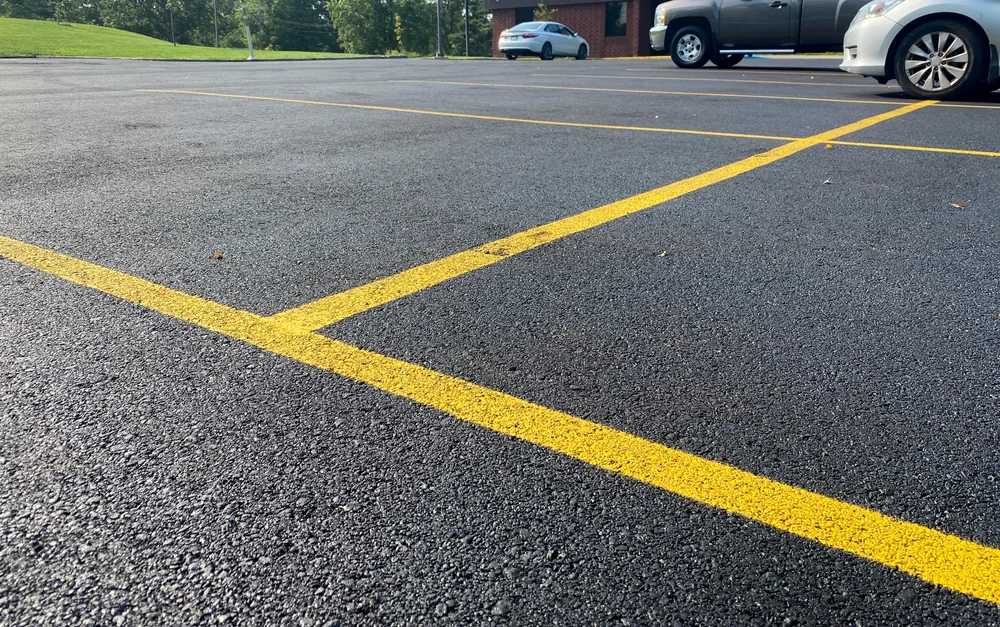
When the sub-base is installed correctly and the asphalt is laid by people who know what they’re doing, you get a surface that holds up. Customers pull in without dodging potholes. Your property looks maintained, not neglected. You stop budgeting for emergency repairs.
The difference shows up in year three, year five, year ten. While other lots are cracking and sinking, yours is still doing its job. That’s what happens when the foundation work gets the attention it deserves from the start.
We bring family expertise dating back to 1948 to every parking lot in Churchville. That’s 75+ years of understanding what works and what fails in Pennsylvania’s freeze-thaw climate.
We focus our entire crew on one job at a time. Your project gets full attention, not divided focus across multiple sites. Every parking lot receives the same meticulous approach whether it’s a small business or a large commercial complex.
Our five-star reviews on Angie’s List reflect a straightforward philosophy: treat every client like the top client. Churchville property owners work with a team that prioritizes clear communication, custom solutions, and workmanship that lasts. We offer specialized discounts for seniors, military, and first-time customers that add value without compromising quality.
First, we handle permits and coordinate with utility companies to mark buried lines. This prevents delays and keeps everyone safe. You’re not dealing with unexpected utility strikes or project stoppages.
Existing damaged asphalt gets removed down to the subgrade layer. Skipping this step means old cracks telegraph through new asphalt within months. The sub-base gets installed next—this is the foundation that determines whether your parking lot lasts three years or thirty. The material is continuously evaluated and compacted, then assessed for proper pitch to prevent water pooling.
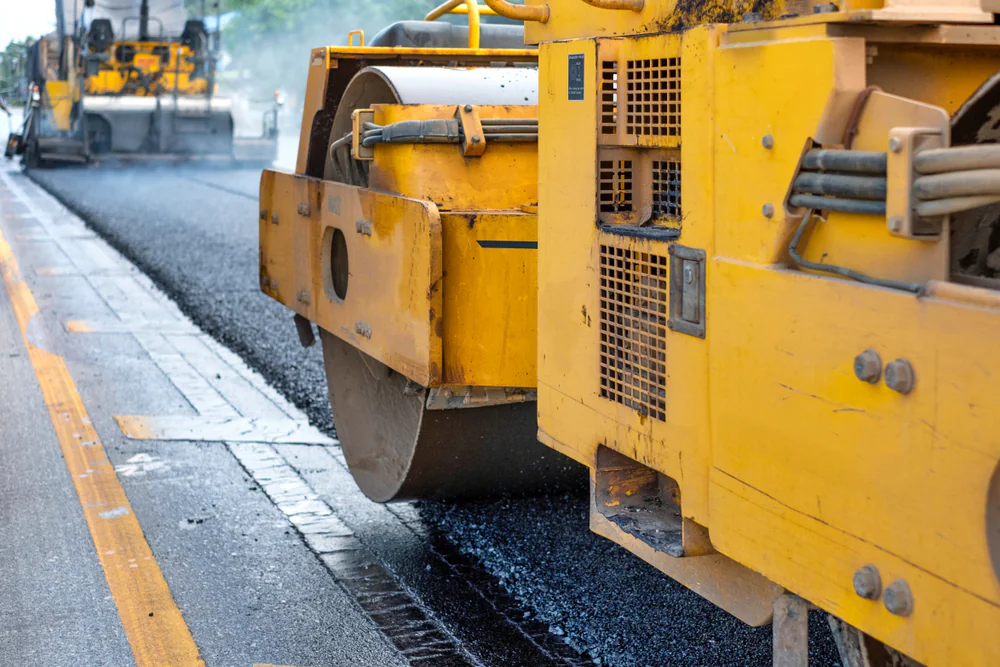
Hot asphalt mix arrives from the plant and goes into the paving machine. It’s laid in passes, monitored for even distribution and proper drainage slope. Once poured, heavy vibratory rollers compact the surface to eliminate weak spots and ensure density.
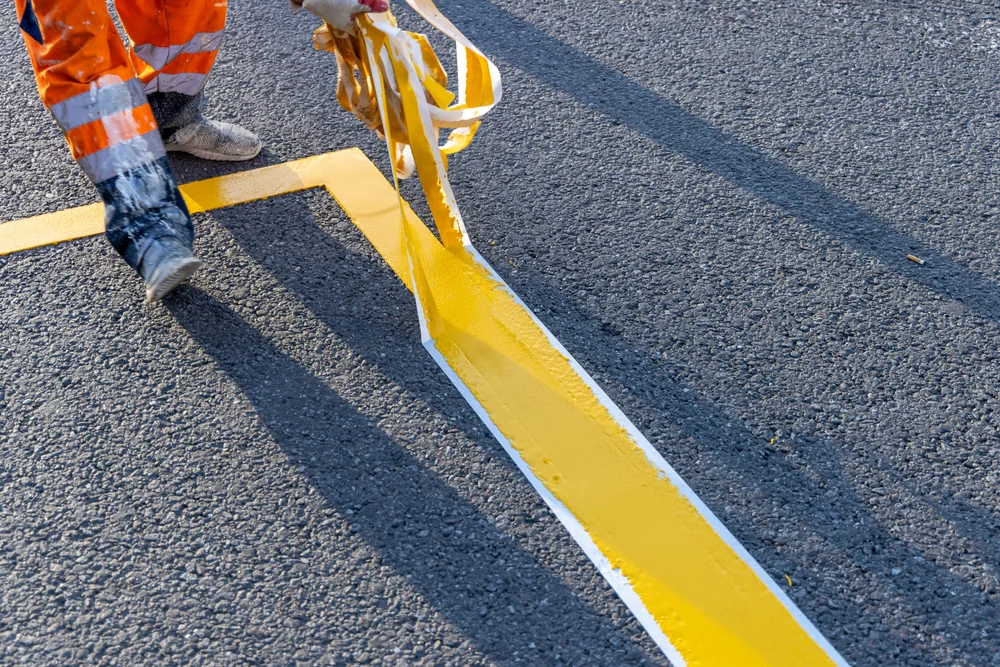
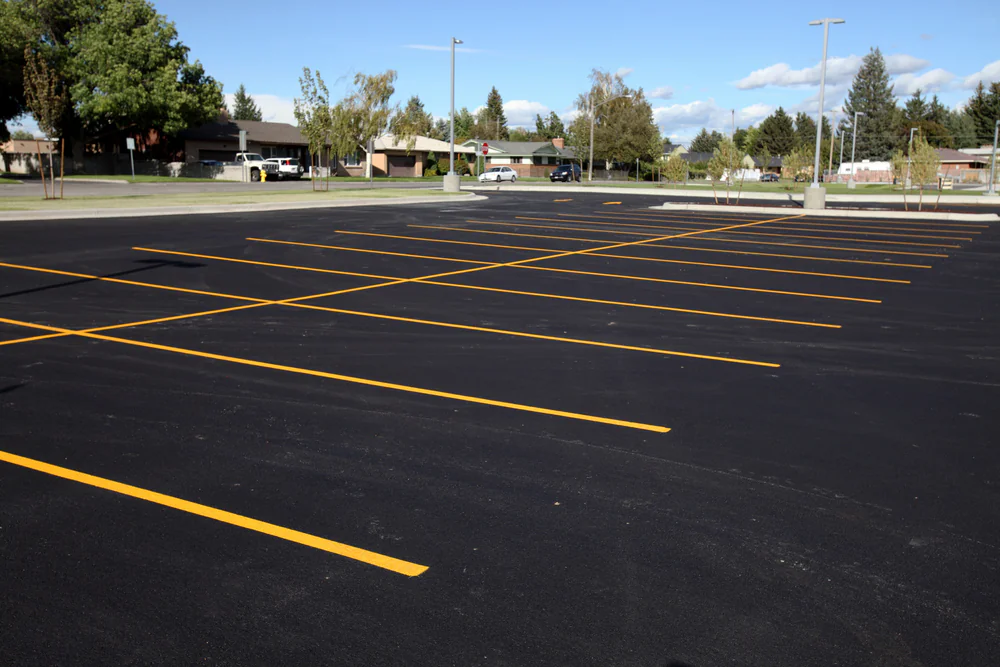
After the asphalt cures, striping gets measured and painted for clean, professional markings. The entire process is designed to minimize disruption to your business while maximizing the lifespan of your investment.
Ready to get started?
Every parking lot paving project in Churchville starts with a site evaluation. We assess drainage patterns, traffic flow, and any existing structural issues. This isn’t a quick walk-through—it’s a detailed analysis that informs the entire approach.
Pennsylvania’s climate creates specific challenges. Freeze-thaw cycles stress asphalt differently than in warmer regions. We account for these conditions in the sub-base design and material selection. Proper water management solutions prevent the pooling that accelerates deterioration in Bucks County’s weather patterns.
You receive transparent communication throughout the process. No guessing about timelines or surprises about additional costs. We coordinate around your business hours when possible, minimizing customer impact during the paving installation.
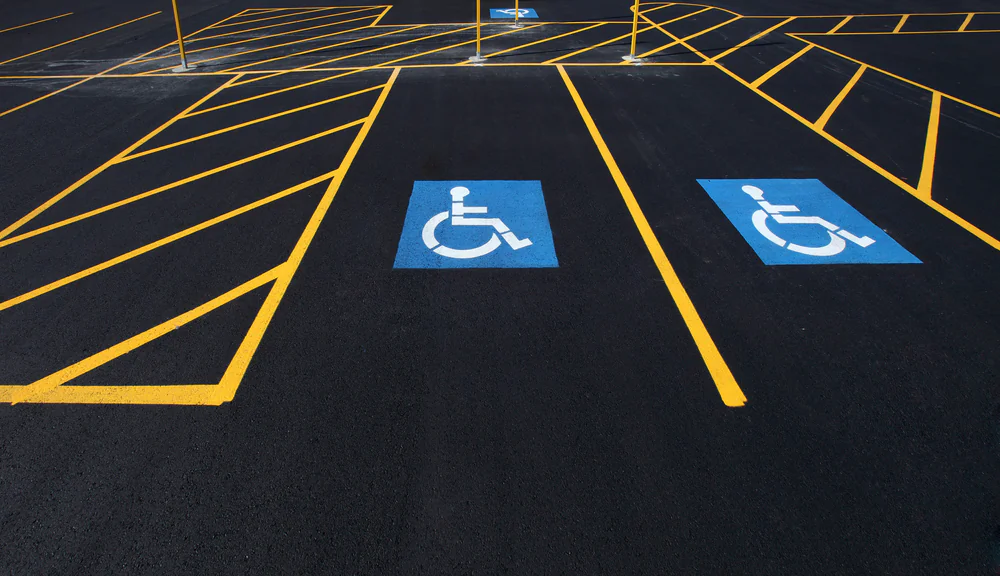
Commercial projects include ADA-compliant striping and proper drainage grading. Residential paving receives the same attention to detail as larger commercial lots. Materials meet industry standards, and installation follows proven methods that have worked for decades in this region. Whether you need a complete parking lot installation or resurfacing work, our approach stays consistent: do it right the first time.
A well-installed asphalt parking lot in Pennsylvania typically lasts 15 to 20 years with proper maintenance. The key word is “well-installed.” If the sub-base isn’t stable and properly compacted, you might see failures within months, not years.
Pennsylvania’s freeze-thaw cycles are tough on asphalt. Water seeps into small cracks, freezes, expands, and creates bigger problems. That’s why the foundation work matters so much here. A solid sub-base and proper drainage prevent water from undermining the structure.
Regular maintenance extends lifespan significantly. Sealcoating every few years, promptly repairing cracks, and keeping the surface clean all add years to your investment. But even the best maintenance can’t save a parking lot built on a weak foundation.
It depends on what’s happening beneath the surface. If the sub-base is still stable and the damage is mostly cosmetic—surface cracks, minor wear—resurfacing can work. But if you’re seeing alligator cracking, significant potholes, or drainage issues, those are signs of foundation problems.
Resurfacing over a failing base is throwing money away. The new layer will fail just as fast as the old one because the underlying issue remains. A proper evaluation involves looking at more than just the visible damage.
The honest answer comes from examining your specific situation. How old is the existing lot? Are there soft spots that flex when driven over? Does water pool in the same areas repeatedly? These factors determine whether resurfacing makes sense or whether complete replacement is the smarter long-term investment.
Late spring through early fall offers the best conditions for asphalt paving in Pennsylvania. Asphalt needs warm temperatures to properly compact and cure. Ideally, you want air temperatures above 50 degrees and rising, not falling.
Summer is popular, but extreme heat can create its own challenges. The sweet spot is typically May through June or September through early October. These periods offer consistent temperatures without the temperature swings that can affect the curing process.
That said, experienced contractors can work outside these windows when conditions allow. What matters more than the calendar is the actual temperature and weather forecast. You need dry conditions and appropriate temperatures for the asphalt to set properly. Planning ahead and booking during optimal seasons gives you the best scheduling flexibility.
For most commercial projects, expect your parking lot to be inaccessible for 2 to 5 days depending on size and scope. The actual paving happens relatively quickly—it’s the preparation work and curing time that take longer.
A good contractor phases the work to minimize business impact. We might pave one section at a time so you maintain partial access, or schedule the work during your slower business periods. Communication is key here. You should know exactly when crews arrive, which areas will be blocked off, and when customers can park again.
After paving, you can typically drive on new asphalt within 24 to 48 hours, though it takes longer to fully cure. Heavy vehicles might need to wait a bit longer. Striping happens after the surface cures enough to accept paint. We give you a detailed timeline before work starts so you can plan accordingly.
Look at how they talk about the sub-base. If a contractor glosses over foundation work or doesn’t mention drainage, that’s a red flag. Quality paving starts beneath the surface, and experienced contractors know this.
Ask about their process for dealing with soft spots in the base. Do they do a proof roll to test stability? How do they handle water management? What happens if they find unexpected issues during excavation? The answers reveal whether they’re focused on long-term results or just getting asphalt down quickly.
Check references from projects similar to yours. A contractor great at residential driveways might not have commercial experience. Look for five-star reviews that mention communication, timeline accuracy, and how the parking lot held up years later. Experience in Pennsylvania’s climate matters too—what works in warmer states doesn’t always translate to freeze-thaw conditions.
Poor drainage is the biggest killer of parking lots in Pennsylvania. Water that can’t escape sits on the surface, seeps into cracks, and destroys the structure from below. When that water freezes and expands during winter, it accelerates the damage exponentially.
The second major cause is inadequate sub-base preparation. If the foundation isn’t properly compacted or is built on unstable soil, the entire parking lot will shift and crack. Some contractors rush this step or skip proper compaction testing. The result looks fine initially but fails within a year or two.
Using inferior materials also shortens lifespan. Cheaper asphalt mixes or insufficient thickness might save money upfront but cost more in premature replacement. Pennsylvania’s temperature extremes and heavy freeze-thaw cycles demand quality materials and proper installation methods. Cutting corners on either guarantees problems.
Other Services we provide in Churchville