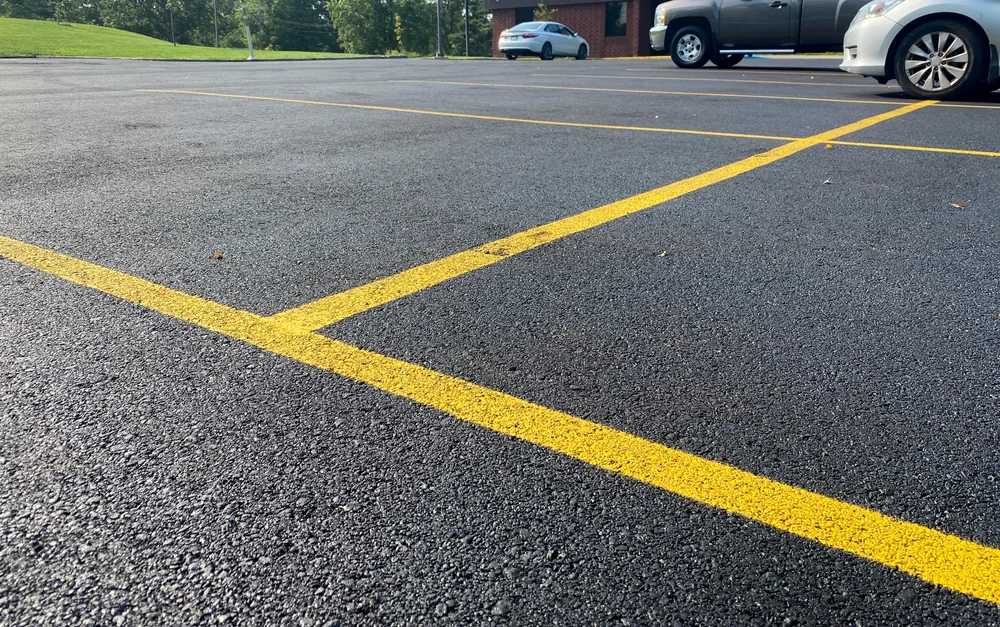
A well-executed parking lot paving job means you stop worrying about liability. No more potholes that damage customer vehicles or create trip hazards. No more standing water that turns into ice sheets every winter.
You get a smooth, professional surface that handles the traffic your business sees. Proper drainage keeps water moving off the lot instead of pooling in low spots. The right base preparation means the asphalt flexes with Pennsylvania’s freeze-thaw cycles instead of cracking apart.
Your customers notice. A maintained parking lot signals that you run a tight operation. It’s not glamorous, but it’s the first thing people see when they pull up to your property.
We bring decades of hands-on experience to parking lot projects across Durham and northeastern Pennsylvania. Our roots in the paving industry stretch back to 1948, combining family tradition with current expertise in commercial and residential paving.
What sets us apart is how we work. One job at a time, full attention on your project. No juggling multiple sites or rushing to the next gig. Every parking lot gets the same careful approach whether it’s a small business with ten spaces or a commercial facility with hundreds.
Durham properties face specific challenges. The freeze-thaw cycles here are brutal on asphalt. Standing water from improper grading becomes a skating rink by January. We know these local conditions because we’ve been handling them in Bucks County and surrounding Pennsylvania areas for three generations.
First, we evaluate your site. We check drainage patterns, test the soil, and identify any existing problems with the sub-base. This step matters because skipping it leads to premature failure.
Next comes site preparation. Old pavement gets removed if necessary. The ground is graded to create proper water runoff—typically a 2% slope so water moves off the surface instead of sitting. Then comes the base layer: 8 to 12 inches of compacted gravel that provides a stable foundation. Without this, your asphalt will sink and crack within a few years.
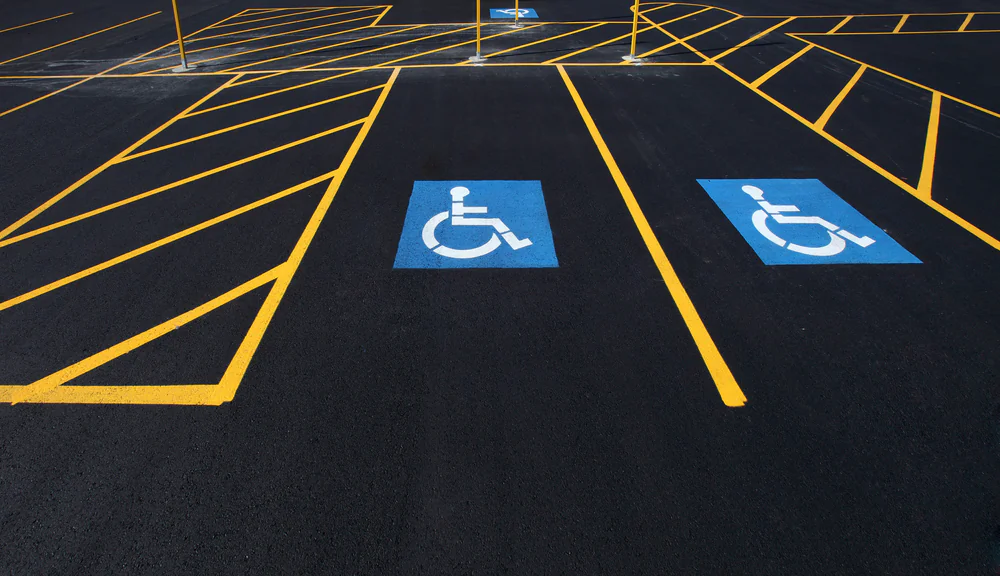
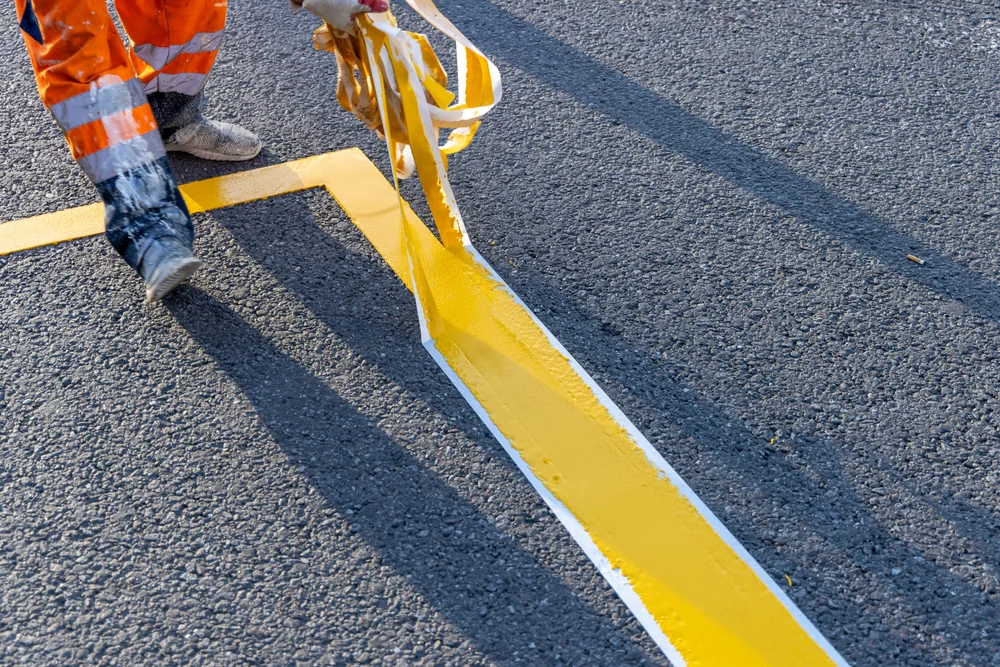
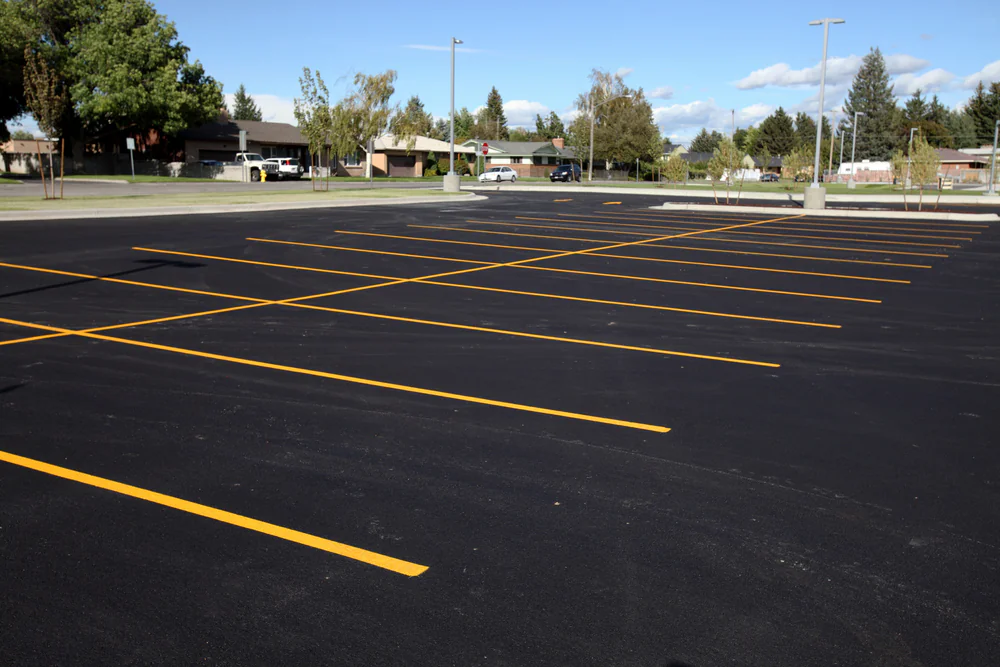
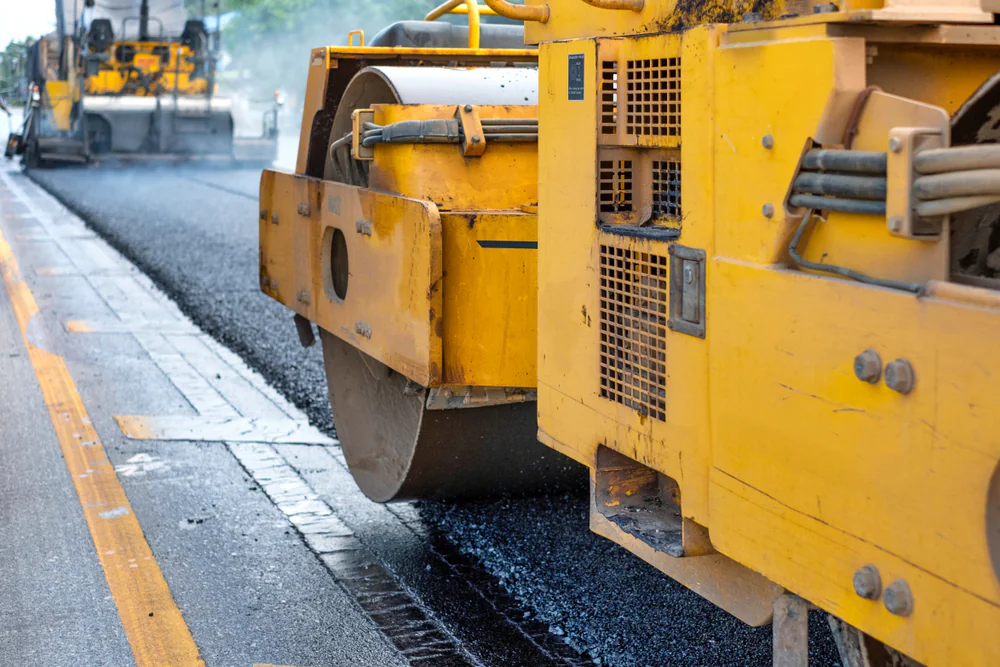
The asphalt goes down in layers. A binder course first, then the top layer that vehicles actually drive on. We compact everything while the asphalt is still hot to eliminate air pockets and create a dense, durable surface. After curing, striping goes down for parking spaces, traffic flow, and ADA-compliant accessible spots.
The whole process typically takes a few days to a couple weeks depending on lot size and weather conditions. Asphalt needs temperatures above 50 degrees to cure properly, which is why spring and early summer work best in Pennsylvania.
Ready to get started?
Parking lot paving in Durham means dealing with Pennsylvania’s specific climate challenges. The freeze-thaw cycle here runs roughly December through March. Water seeps into any crack, freezes overnight, expands, and widens the damage. By spring, small cracks become potholes.
That’s why proper installation matters more here than in milder climates. The base needs to be thick enough and properly compacted. The asphalt needs to be the right thickness for your traffic load—heavier vehicles require more depth. Drainage has to be engineered into the grade from the start, especially critical in Durham where properties often have natural slopes that can work for you or against you.
Commercial parking lots in Durham also need to meet ADA compliance standards. That means designated accessible spaces with proper dimensions, placement on the shortest route to entrances, appropriate signage, and correct striping. Pennsylvania has specific state requirements on top of federal ADA rules.
We also provide solutions for common Durham parking lot problems. Standing water that won’t drain. Sections that crack every winter no matter how many times they’re patched. Edges that crumble because the base wasn’t extended far enough. These aren’t cosmetic issues—they’re structural problems that need to be addressed during installation, not after.
Parking lot paving in Durham typically runs between $3 and $7 per square foot for asphalt, depending on site conditions, lot size, and project complexity. A standard commercial parking lot with 50 spaces usually costs between $45,000 and $150,000 when you factor in site preparation, proper drainage, ADA compliance, and striping.
The wide range comes down to what your property needs. If the existing base is unstable, you’re looking at excavation and new aggregate installation. If drainage is poor, that requires grading work. Thicker asphalt for heavy truck traffic costs more than standard passenger vehicle surfaces. These aren’t upsells—they’re necessities for a lot that will actually hold up.
Cheaper bids usually mean shortcuts. Thinner asphalt, inadequate base preparation, or skipped drainage solutions. Those lots fail faster and cost more in repairs over time. Getting multiple detailed estimates helps you see what’s actually included in each price.
A properly installed asphalt parking lot in Pennsylvania lasts 20 to 30 years with regular maintenance. Without maintenance, you’re looking at major repairs or replacement in under 15 years. Pennsylvania’s freeze-thaw cycles are particularly hard on asphalt, which is why the installation quality and ongoing care both matter.
Maintenance means sealcoating every 2 to 4 years to protect the surface from water infiltration, UV damage, and chemical spills. It means filling cracks as soon as they appear, usually on an annual basis, before water gets in and expands during winter freezes. It also means addressing drainage issues immediately when you notice standing water.
The lots that make it to 30 years all have three things in common: proper base preparation during installation, good drainage that moves water off the surface, and consistent preventative maintenance. The lots that fail early usually skimped on one or more of these factors.
If your parking lot has isolated cracks or a few potholes but the overall surface is still sound, repair makes sense. If you’re seeing widespread alligator cracking, multiple areas of standing water, or sections where the asphalt is breaking apart, replacement is likely the better investment.
Here’s a practical test: if more than 30% of your parking lot surface needs repair, full replacement usually costs less in the long run than ongoing patch jobs. Alligator cracking specifically indicates the sub-base is failing, which means surface repairs won’t hold. You’re just putting new asphalt over a failing foundation.
We can assess your specific situation during a site visit. We’ll check the base stability, evaluate drainage, and identify whether the problems are surface-level or structural. That evaluation is free and gives you a clear recommendation with reasoning, not just a sales pitch for the most expensive option.
Spring and early summer are ideal for parking lot paving in Durham. Asphalt needs temperatures consistently above 50 degrees Fahrenheit to cure properly, and you want several days without rain after installation. Late April through early October typically provides the best conditions in Pennsylvania.
Fall can work, but you’re racing against dropping temperatures. If an early cold snap hits before the asphalt fully cures, you won’t get optimal compaction and durability. Winter paving is essentially impossible in this climate—asphalt won’t bond correctly in cold temperatures.
Spring also lets you address any winter damage before it gets worse. Cracks that formed during freeze-thaw cycles, drainage issues revealed by spring rain, and potholes from snow plow damage all become obvious. Getting ahead of these problems in spring prevents them from expanding through another winter cycle.
Most commercial parking lot paving projects in Pennsylvania require permits, though specific requirements vary by municipality. You typically need a zoning permit confirming your parking lot design meets local codes for space dimensions, setbacks, drainage, and ADA compliance. If your project involves stormwater management changes, you’ll likely need additional environmental permits.
We know the local requirements and either handle the permit process or clearly explain what you need to obtain. Red flags include contractors who suggest skipping permits or who don’t mention them at all. Unpermitted work can result in fines, required removal of the new pavement, and complications if you ever sell the property.
Durham and surrounding Bucks County municipalities have specific parking lot regulations covering everything from minimum space dimensions to drainage requirements to landscaping buffers. Working with a local contractor familiar with these codes saves you headaches and ensures your lot meets all current standards from day one.
Parking lot maintenance starts with regular inspections, ideally twice a year—once in spring after winter damage becomes visible, and once in fall before winter hits. Look for cracks, drainage issues, fading striping, and any areas where the surface looks worn or damaged.
Sealcoating should happen every 2 to 4 years depending on traffic volume and weather exposure. This protective layer fills small cracks, blocks water infiltration, and protects against UV damage and chemical spills. Crack filling should be done annually or as soon as cracks appear, before water gets in and causes freeze-thaw damage. Striping typically needs refreshing every 1 to 2 years in Pennsylvania due to snow plow wear and de-icing chemicals.
The maintenance that matters most is addressing small problems immediately. A $200 crack filling job today prevents a $2,000 pothole repair next year. Standing water that you ignore becomes a drainage failure that requires expensive regrading. Maintenance isn’t optional if you want your parking lot to reach its expected lifespan—it’s the difference between 30 years of service and 10 years followed by premature replacement.
Other Services we provide in Durham