You’re not looking for the cheapest asphalt job you can find. You’re looking for a parking lot that doesn’t crack apart in two years, doesn’t flood every time it rains, and doesn’t need constant patching. That starts with proper site preparation—the part most people never see but absolutely determines how long your pavement lasts.
When the sub-base is stable and the grading is done right, water drains where it should. The asphalt stays intact through freeze-thaw cycles. Your customers aren’t dodging potholes or puddles. And you’re not calling for repairs six months after installation because someone cut corners on the foundation work.
A well-installed parking lot means fewer headaches, lower long-term costs, and a surface that reflects well on your property. It’s not complicated, but it does require attention to the details that matter—not just the finish coat everyone sees.
We have roots in the paving industry going back to 1948. That’s not a marketing line—it’s generations of hands-on experience with asphalt, grading, drainage, and the kind of problems that only show up when you’ve been doing this long enough to see what actually fails and what holds up.
We serve Fairless Hills and throughout Bucks County with the same approach for every project: one job at a time, full crew attention, and honest communication about what your property actually needs. No upselling. No surprise costs. No treating smaller jobs like they don’t matter.
Whether it’s a residential driveway or a commercial parking lot along Oxford Valley Road, the standard stays the same. Every project gets evaluated for its unique drainage challenges, traffic patterns, and structural requirements. That’s how you end up with a parking lot built for your property, not just paved over like every other job.
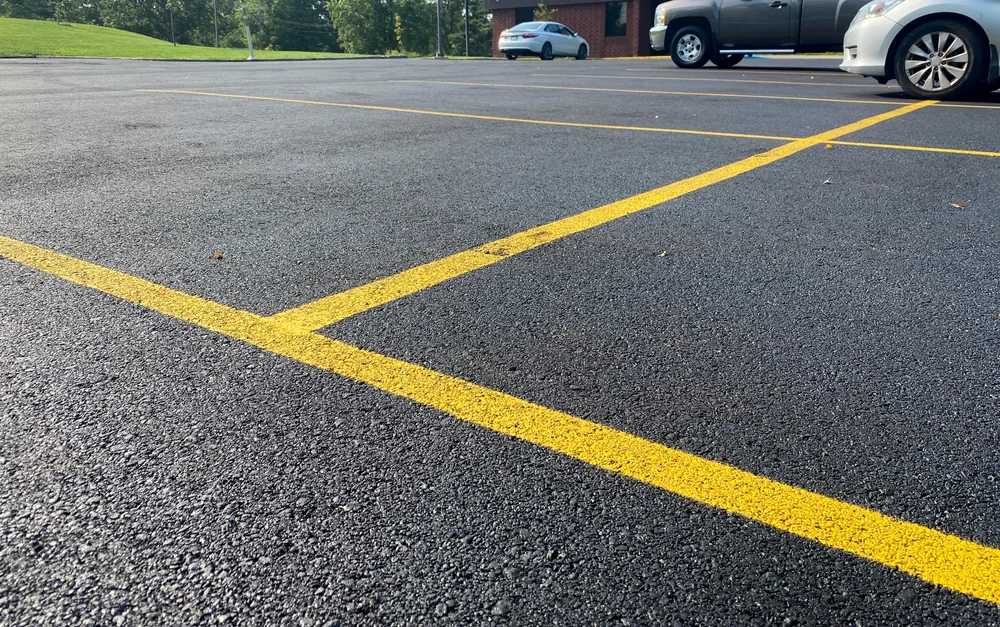
Before any asphalt gets poured, the site needs to be properly prepared. That means pulling permits, having utilities marked, and evaluating the existing surface. If there’s old, damaged pavement, it gets removed down to the subgrade—because paving over a weak foundation just guarantees early failure.
Next comes the sub-base work. This is the foundation that supports everything above it. The material gets graded for proper drainage, compacted to prevent settling, and checked throughout the process to make sure it’s stable. If water pools during a rainstorm, that gets addressed now, not after the asphalt is down.
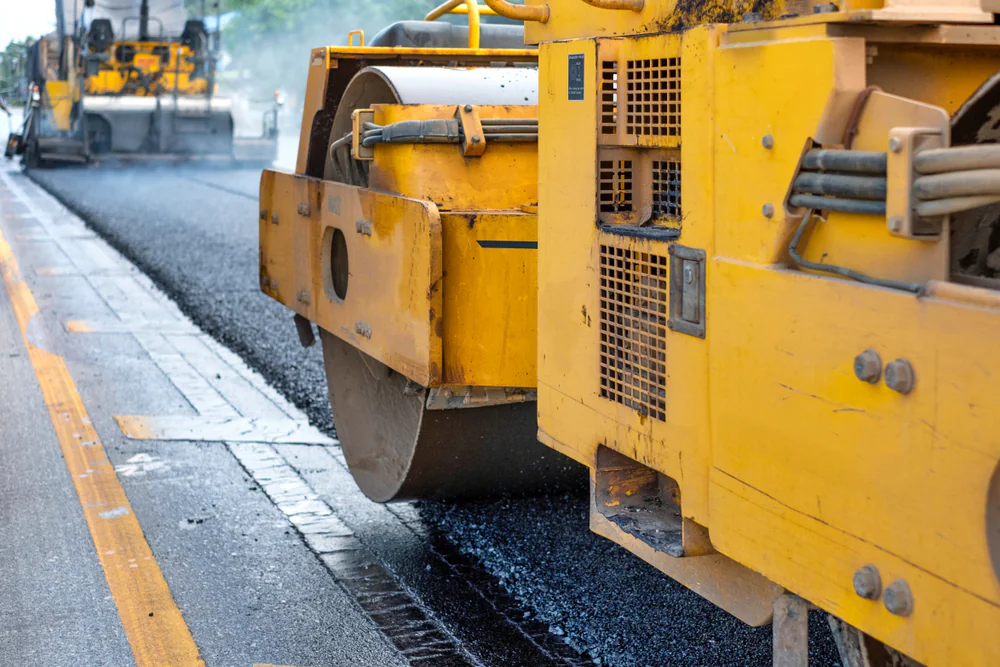
Once the base is solid, hot asphalt mix gets delivered and installed in passes, typically 8 to 20 feet wide depending on the equipment and site layout. The thickness depends on your specific needs—residential driveways and light-traffic areas need less than loading zones or high-traffic commercial lots. After installation, the surface gets compacted with vibratory rollers to eliminate air pockets and create a dense, uniform finish.
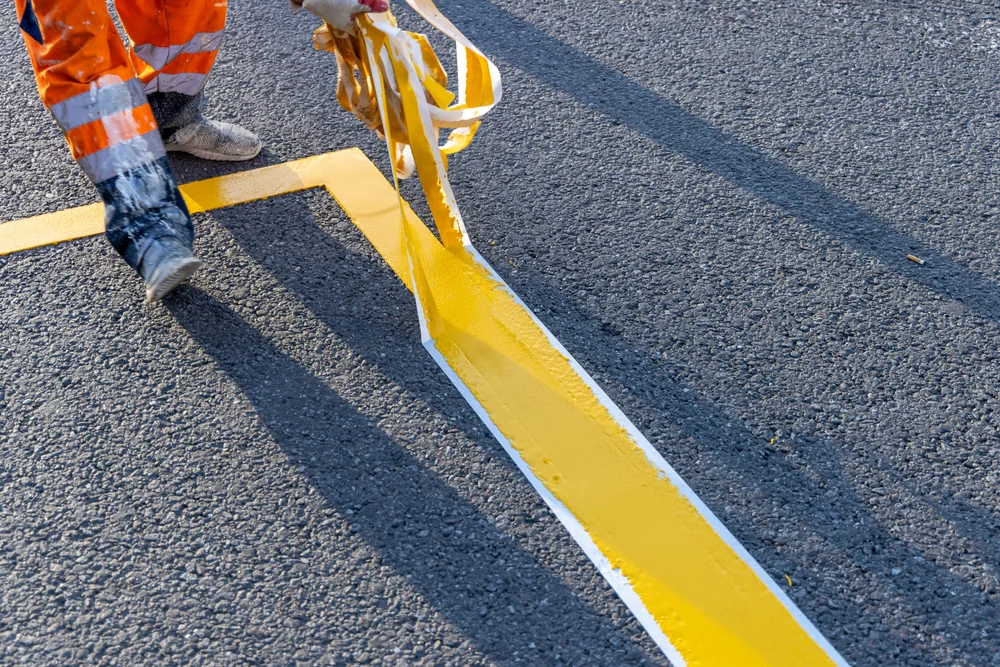
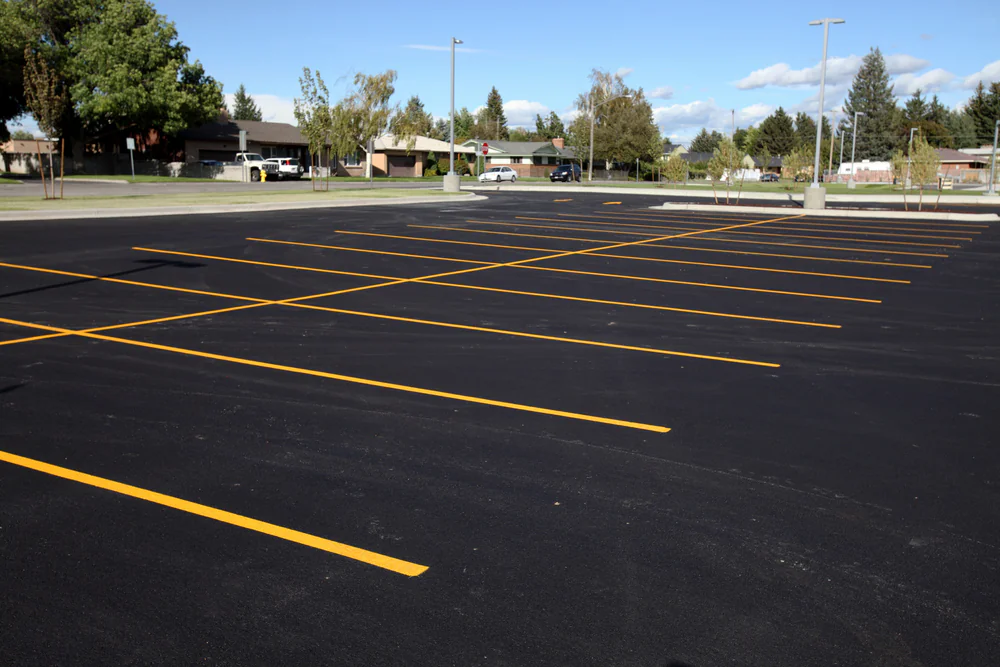
You’ll need to stay off the new pavement for a few days while it cures enough to handle traffic. Full curing takes a couple of weeks, but normal use can typically resume within three to five days. If striping or line work is part of the project, that gets handled once the asphalt is ready.
Ready to get started?
Parking lot paving isn’t just about laying asphalt. It’s about creating a surface that handles the specific demands of your property. For commercial lots in Fairless Hills, that often means accounting for steady traffic flow, delivery vehicles, and the kind of weather conditions Bucks County sees throughout the year—freezing winters, heavy spring rains, and summer heat that can stress poorly installed pavement.
Proper installation includes site evaluation to identify drainage issues before they become problems. It includes choosing the right asphalt thickness and mix for your traffic load. It includes grading that directs water away from the pavement and into appropriate drainage areas, not pooling in low spots where it can seep into the sub-base and cause cracking.
For properties along high-traffic corridors like Lincoln Highway or Oxford Valley Road, the parking lot is often the first impression customers get. A well-maintained, properly striped lot signals that you care about the details. Cracks, potholes, and faded lines do the opposite. That’s why the installation phase matters so much—it sets the baseline for how your parking lot will age and how much maintenance it’ll require down the road.
We also handle water management and grading as part of the overall project, not as an afterthought. In areas where properties were developed decades ago, drainage can be a real challenge. Addressing that during installation saves you from constant repairs and resurfacing later.
The timeline depends on the size of your lot and what needs to happen before asphalt goes down. Site preparation—removing old pavement, grading, and installing the sub-base—typically takes one to three days. If the existing surface is in decent shape and you’re paving over it, prep time is shorter. If you’re starting from scratch or dealing with drainage issues, it takes longer.
Once the base is ready, installing and compacting the asphalt usually takes one to three days depending on the square footage and complexity of the layout. After that, you’ll need to keep vehicles off the new pavement for three to five days while it cures enough to handle traffic. Full curing takes about two to three weeks, but normal use can resume well before that.
Weather plays a role too. Asphalt needs to be installed in dry conditions and at certain temperatures to cure properly. If rain is in the forecast or temperatures drop too low, the schedule shifts. We build that into the timeline upfront so you’re not caught off guard.
It depends on the condition of the existing pavement. If the current surface is structurally sound—no major cracking, no areas where the sub-base has failed, no significant settling—then paving over it can work. But if the old asphalt is cracked, uneven, or showing signs of base failure, paving over it just transfers those problems to the new layer. You’ll see cracks telegraphing through within months.
The sub-base is what determines whether overlay is an option. If water has been seeping through cracks and weakening the foundation, that needs to be addressed first. Otherwise, you’re spending money on new asphalt that won’t last because it’s sitting on an unstable base.
A site evaluation tells you which approach makes sense for your property. Sometimes partial removal and patching of damaged areas is the right call. Sometimes a full tear-out is necessary. The goal is to give you a surface that lasts, not just one that looks good for a season before it starts breaking down again.
Most premature failures come down to poor sub-base preparation or inadequate drainage. If the foundation isn’t stable and properly compacted, the asphalt above it will crack and settle as the base shifts. If water doesn’t drain properly, it pools on the surface, seeps through small cracks, and gets into the sub-base where it causes erosion and weakening—especially during freeze-thaw cycles.
Using the wrong asphalt mix or thickness for your traffic load is another common issue. A mix designed for residential driveways won’t hold up under the weight and frequency of commercial traffic. Skimping on thickness to save money upfront just means you’ll be repaving sooner.
Shortcuts during installation also lead to early failure. If the asphalt isn’t compacted properly, air voids remain in the pavement. Those voids allow water penetration and weaken the structure. If the grading isn’t done right, water sits instead of draining. If old damaged pavement isn’t removed before the new layer goes down, the problems just continue under the surface. Quality installation costs more upfront, but it’s the difference between a parking lot that lasts 15 to 20 years and one that needs major repairs in three.
For most commercial parking lots with regular car and light truck traffic, two to four inches of asphalt over a properly prepared base is standard. Areas that see heavier loads—like delivery zones, loading docks, or spots where trucks regularly park—need thicker asphalt and sometimes a different mix designed for heavy-duty use.
The sub-base thickness matters just as much as the asphalt layer. A solid, well-compacted base of six to eight inches (or more, depending on soil conditions) provides the structural support that keeps the pavement from settling and cracking under load. Skimping on base material to save money is one of the most common mistakes property owners make, and it’s also one of the costliest in the long run.
Your specific needs depend on soil conditions, drainage requirements, and traffic patterns. A parking lot that sees constant turnover and heavy use needs more robust construction than one with lighter, occasional traffic. That’s why a site evaluation matters—it lets you build the lot for the actual conditions it’ll face, not just apply a one-size-fits-all approach and hope it works.
A complete parking lot paving project includes more than just the asphalt. You’re paying for site preparation—removing old pavement if necessary, grading the area, and installing a compacted sub-base. You’re paying for the asphalt material itself, which varies in cost depending on the mix and thickness required for your project. And you’re paying for the labor and equipment to install, compact, and finish the surface properly.
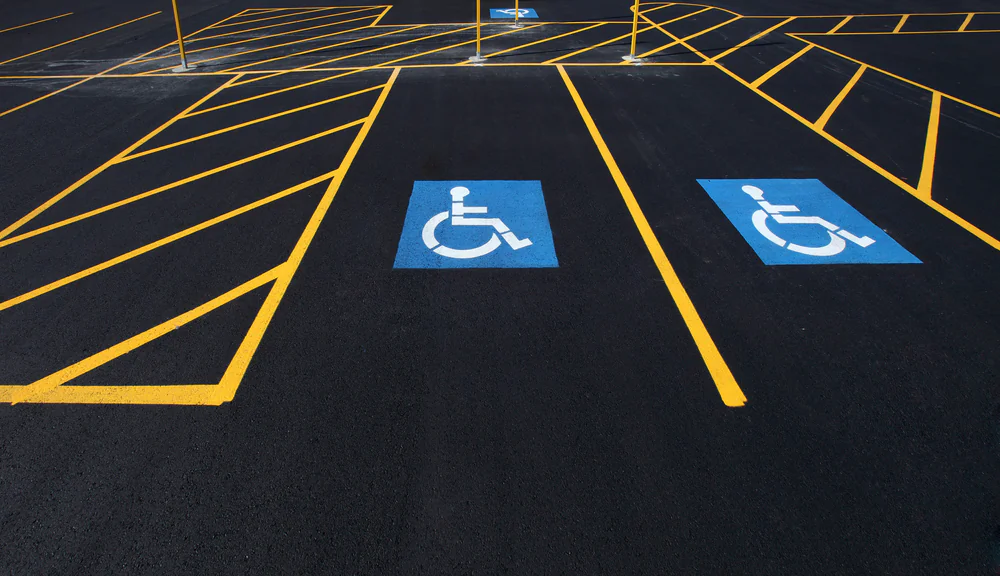
Drainage work is often part of the scope, especially if your property has issues with standing water. Striping and line work—marking parking spaces, directional arrows, handicap zones—usually happens after the asphalt has cured and may be a separate line item. Permits, utility markouts, and any required inspections also factor into the total cost.
What shouldn’t be included are surprise charges or change orders for issues that should have been identified during the initial evaluation. We walk the site, identify potential complications upfront, and give you a clear estimate that reflects the actual scope of work. That way you’re comparing real numbers, not lowball bids that balloon once the job starts.
The lowest bid isn’t always the best value, and the highest isn’t always the best quality. What matters is understanding what you’re actually getting for the price. A detailed estimate should break down site prep, base material, asphalt thickness and type, drainage work, and any additional services like striping or sealcoating.
Ask about the asphalt mix being used. Some contractors use cheaper “driveway mix” for commercial jobs to keep costs down, but that material isn’t designed for the traffic and wear a commercial lot sees. Ask about sub-base depth and compaction standards. Ask how drainage will be handled. If a contractor can’t or won’t answer those questions clearly, that’s a red flag.
Compare the scope of work across estimates, not just the bottom-line number. One bid might be lower because it’s skipping critical steps like proper base preparation or adequate drainage. Another might be higher because it includes work that’ll prevent expensive repairs down the road. Fair pricing reflects quality materials, proper installation methods, and the experience to get it right the first time—not just the cheapest way to get asphalt on the ground.
Other Services we provide in Fairlesshills